How Long It Takes Invasive Mussels To Cover A Lake Bottom
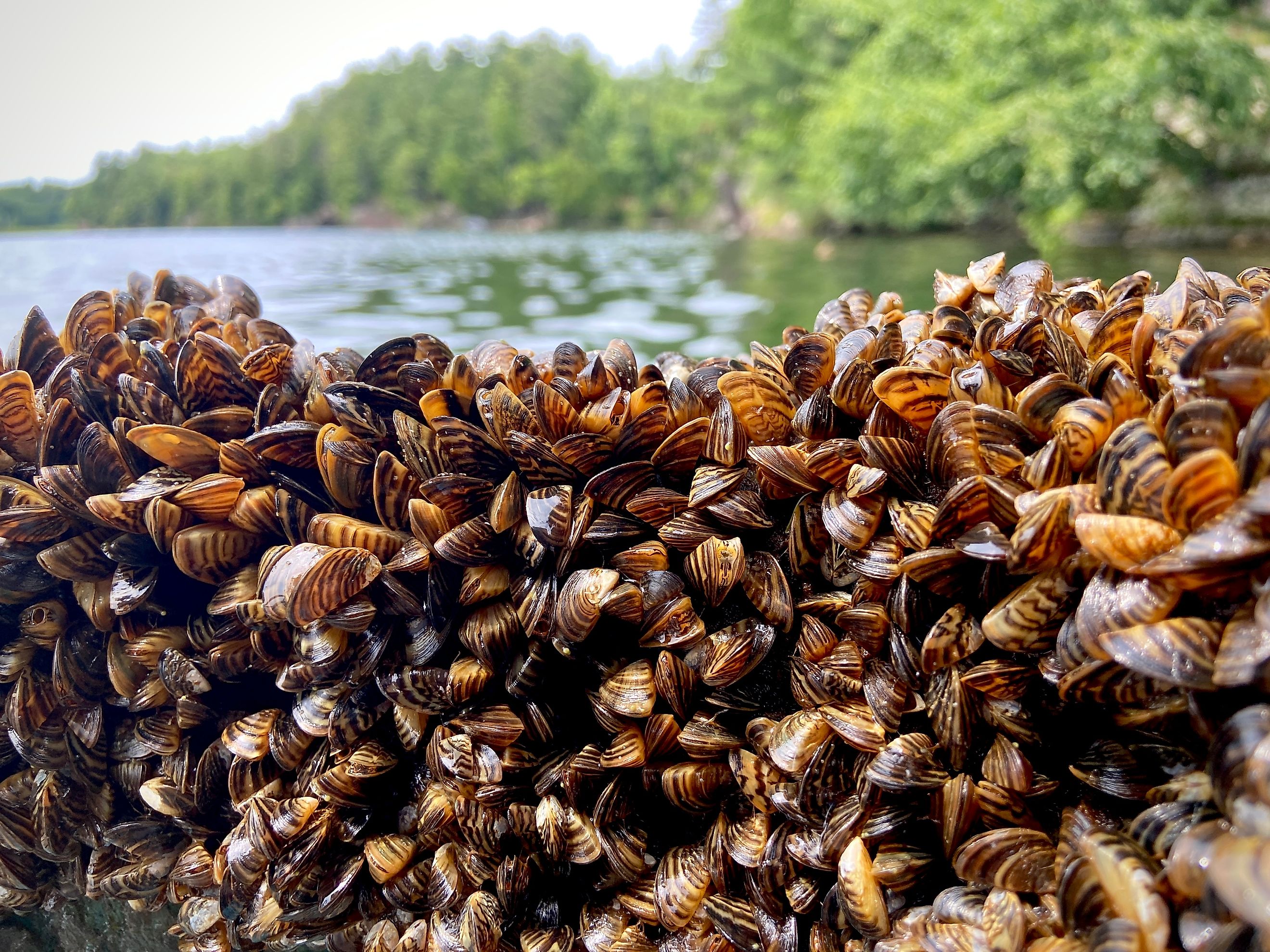
In the fastest US invasions, dense zebra or quagga mussel beds can form in only two or three years. At Lake Powell, quagga larvae turned up in 2012, and mussels had carpeted the natural bottom by 2015. The Mille Lacs zebra mussel population took about seven years to reach its recorded peak, while Lake Michigan's quaggas were still spreading into deeper water more than a decade after they first appeared. That huge range comes down to the lake itself. Depth, oxygen, bottom type, food, and the species involved all affect how quickly a few mussels turn into thousands per square meter.
Lake Powell, Arizona and Utah: About Three Years

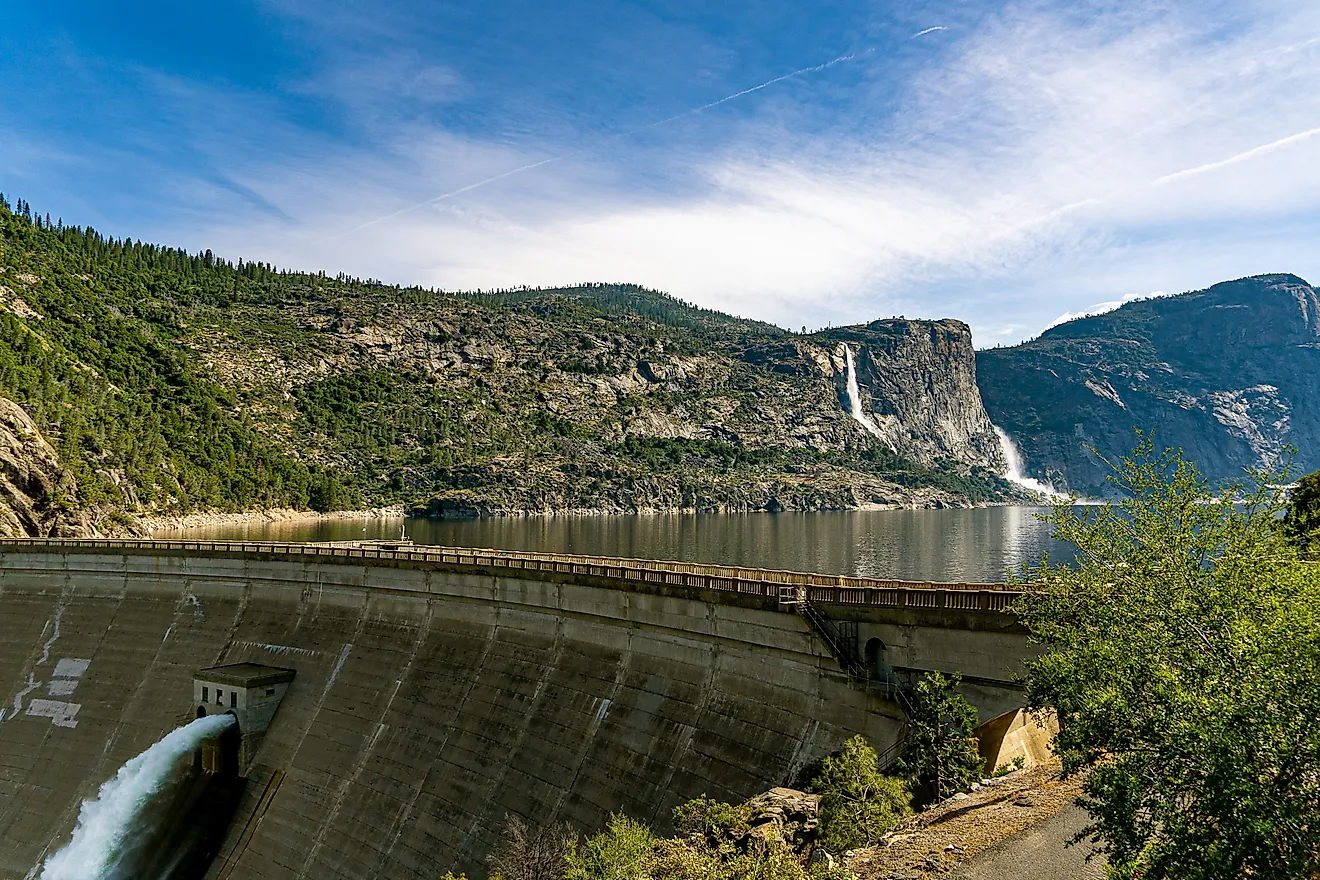
At Lake Powell, the mussels moved fast. Quagga mussel larvae were detected near Glen Canyon Dam and Antelope Point in 2012, and adult mussels were confirmed the following year. Divers removed more than 400 from marinas in the southern lake and roughly 800 from canyon walls near Wahweap Bay. By 2014, crews were finding thousands on canyon walls, boats, the dam, and other submerged surfaces.
Then the mussels reached the lake bottom in force. In 2015, the National Park Service reported carpets of quagga mussels on natural substrates in the southern lake, while reproduction had already reached Bullfrog Marina farther north. By 2016, reproduction was being recorded in every part of Lake Powell. All of that took just four years: detected larvae in 2012, confirmed adults in 2013, and dense bottom colonies with lakewide reproduction by 2016.
Lake Mead, Arizona and Nevada: About Two To Three Years

At Lake Mead, they moved even quicker. Quagga mussels were discovered there in 2007, and by 2009 researchers were already finding adults throughout the reservoir. They were not just clinging to docks and rocky shallows either. Mussels had reached soft sediment at depths between about 1 meter and more than 100 meters, a huge amount of underwater habitat. Monitoring from 2008 through 2011 recorded a steep early increase before soft-bottom populations began to level off around the third year. Boulder Basin held far more mussels than Las Vegas Bay, so the bottom was never evenly coated. Still, the speed is hard to miss: within only a couple of years, quaggas had spread from the shoreline into the deep parts of the reservoir.
Western Lake Erie: Heavy Coverage Within A Few Years
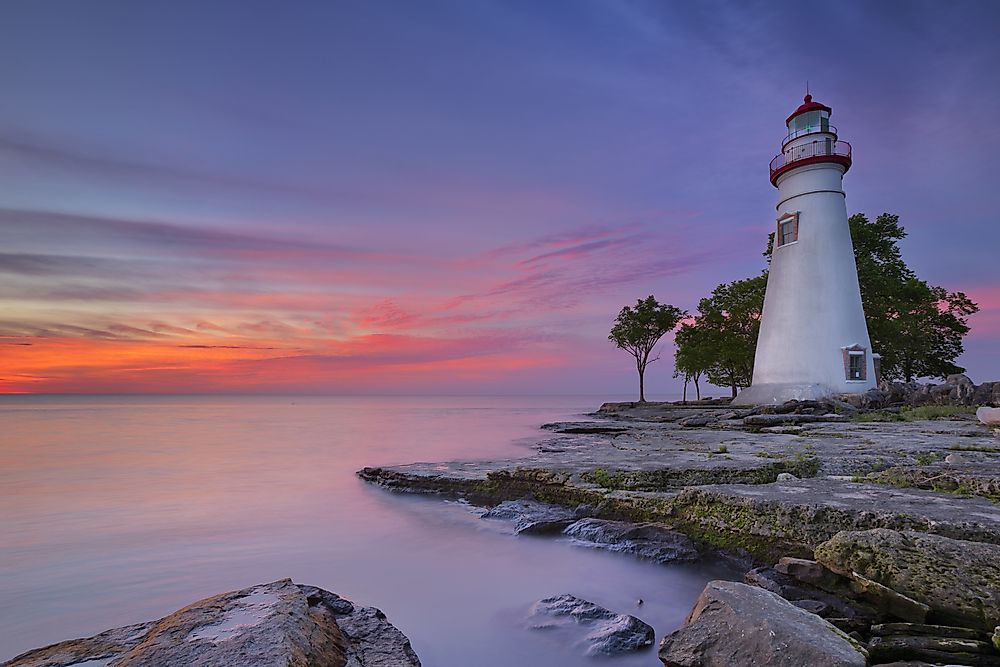
Western Lake Erie is the clearest example of how explosive a zebra mussel population can become. The species reached the Great Lakes in the late 1980s, and by 1989 one industrial water-intake site held more than 750,000 mussels per square meter. That number came from artificial infrastructure, where hard surfaces can support extreme densities, so it is not a normal lakebed figure.
The natural bottom was still changing quickly. In 1993, divers found zebra mussels covering between 0% and 70% of sampled nearshore lakebed. Northern sites reached 28% to 70% coverage, while southwestern locations ranged between 18% and 40%.
The contrast across the basin was just as interesting. Southeastern sites remained below 5%, and average coverage across all surveyed locations was 17%. One stretch of bottom could be thick with shells while another nearby was still mostly open.
White Bear Lake, Minnesota: Peak Density In Roughly Three Years

White Bear Lake barely seemed invaded at first. Zebra mussels were found there in 2014, and monitoring recorded fewer than 100 per square meter in both 2015 and 2016. Then came the jump. Density shot up to about 4,200 mussels per square meter in 2017 before settling to roughly 1,000 to 2,000 per square meter from 2018 through 2020.
The mussels packed into the parts of the lake where the bottom was solid enough for them to grab onto. Much of White Bear Lake is sand and silt, so good attachment surfaces occur in patches. That helps explain why dense colonies formed quickly without spreading evenly across the entire basin. The three-year rise also lines up with a broader zebra mussel pattern seen elsewhere, where a barely noticeable population can turn extremely dense once reproduction takes off.
Mille Lacs, Minnesota: About Seven Years From First Detection To Peak

At Mille Lacs, the count started at almost nothing. Researchers recorded only four zebra mussels in 2005. For several years, the invasion remained small enough to look unremarkable. Then the population took off, reaching roughly 14,000 mussels per square meter in 2012. Density later dropped to about half that level by 2017. That seven-year climb is a reminder of how misleading the first detection date can be. A lake may hold a small reproducing population for years before densities suddenly become obvious. The rise at Mille Lacs was slow, but once the increase came, suitable parts of the bottom were supporting thousands of mussels in every square meter.
Lake Michigan: More Than A Decade To Reach The Deepest Habitat
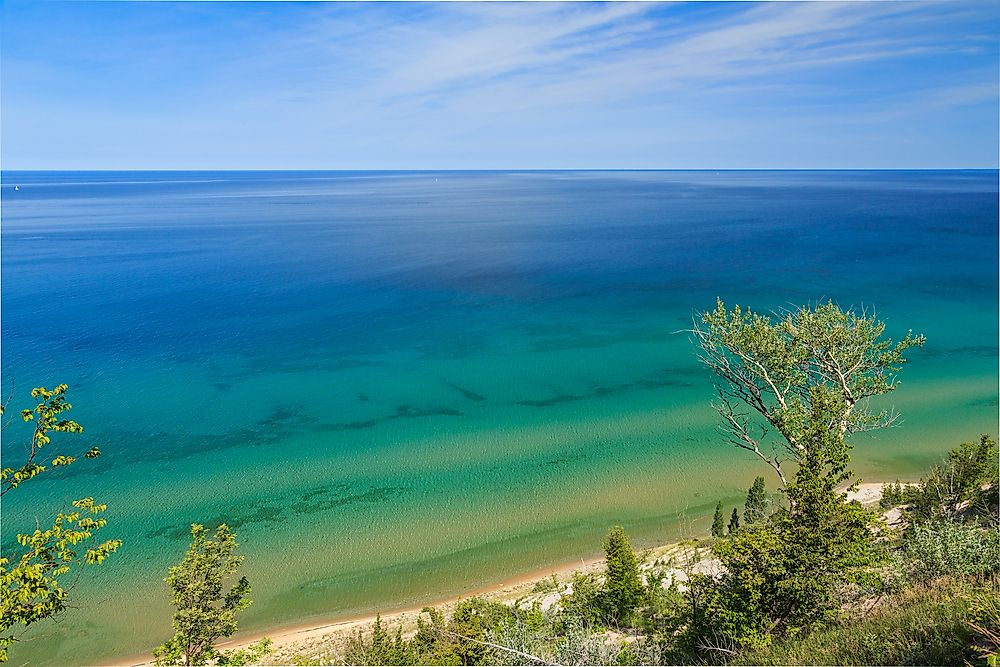
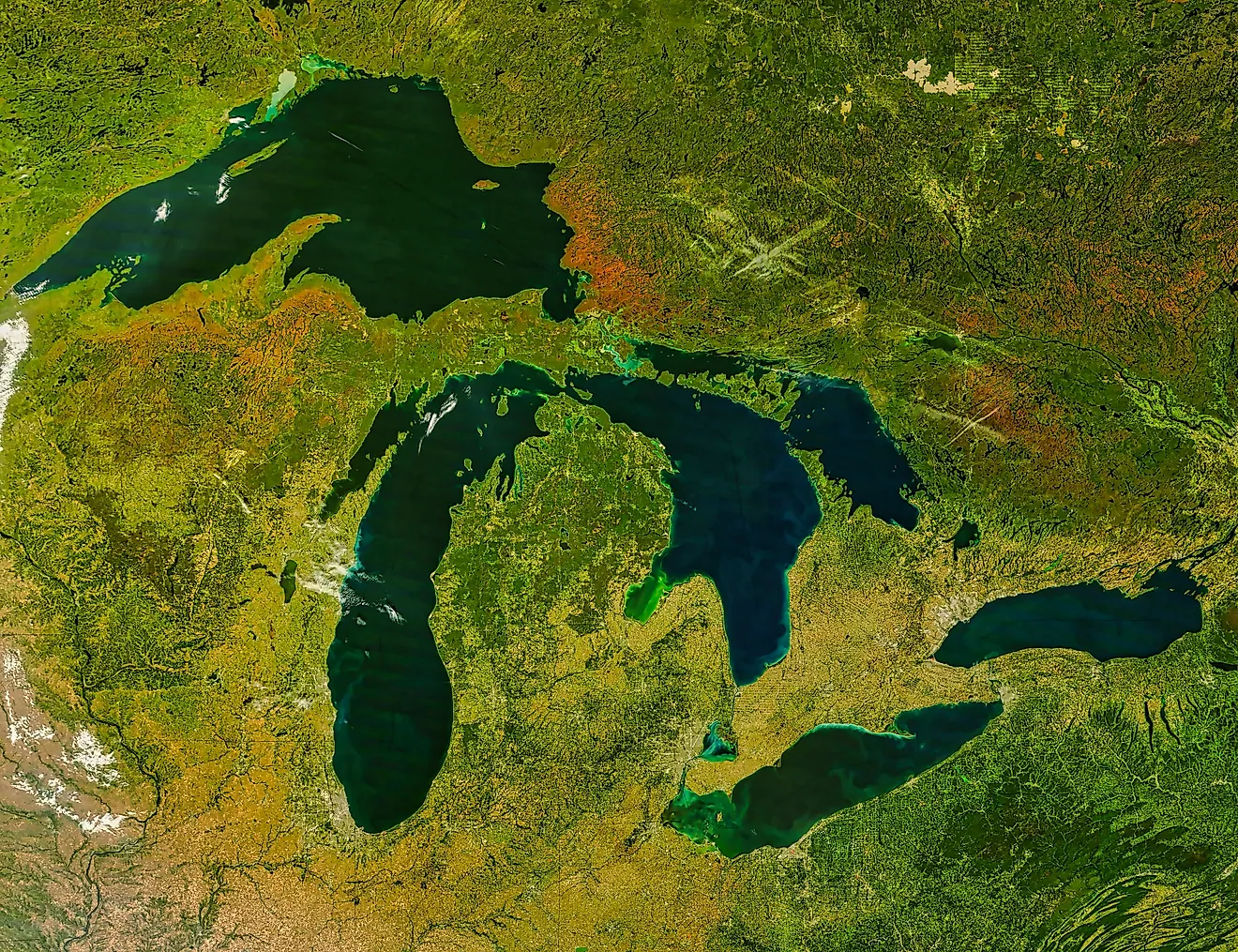
In Lake Michigan, the invasion played out on a completely different scale. Quagga mussels appeared around 1997, and through 2000 both zebra and quagga mussels were still concentrated mainly in water shallower than 50 meters. For several years after that, lakewide bottom-trawl surveys showed relatively little change in average mussel biomass.
The offshore expansion arrived later and moved fast once it began. Between 2004 and 2007, mean lakewide Dreissena biomass rose from about 0.8 to 7.0 grams per square meter. Much of that increase occurred between 30 and 110 meters deep. Over the same period, the average depth where mussels were collected shifted from about 42 meters to 77 meters.
Quaggas kept pushing farther down the lake after the nearshore was already occupied. Later surveys found them across nearly all sampled areas, including deep offshore habitat where zebra mussels had never reached high numbers. Lake Michigan was still changing around a decade after quaggas first arrived because there was so much deep bottom left to colonize.
So, How Long Does It Take?

The honest answer is that it depends on the lake. Where reproduction takes hold on a shallow, hard bottom, dense invasive mussel beds can appear in only two or three years. Quaggas overran Lake Powell and Lake Mead within a few years each. The Mille Lacs population needed closer to seven years to reach its recorded peak, while quaggas in Lake Michigan kept pushing into deeper water for around a decade and beyond. For a smaller lake or reservoir, the shift can happen within just a few summers. In a giant, deep lake, the invasion can keep moving downward for years.