What Are The Major Natural Resources Of Japan?
Japan is an island country off the eastern coast of Asia, made up of more than 6,800 islands. Four of those islands (Honshu, Hokkaido, Kyushu, and Shikoku) account for about 97 percent of the total land area. Japan is among the world's most highly developed economies but has very limited domestic reserves of the fossil fuels, metals, and minerals that an industrial economy normally relies on. As a result, the country imports a much higher share of its raw materials and energy than most peer economies, and its main domestic natural resources are renewable rather than extractive: forests, fisheries, and a small but intensively cultivated agricultural land base.
An Industrial Economy Without Domestic Fuel
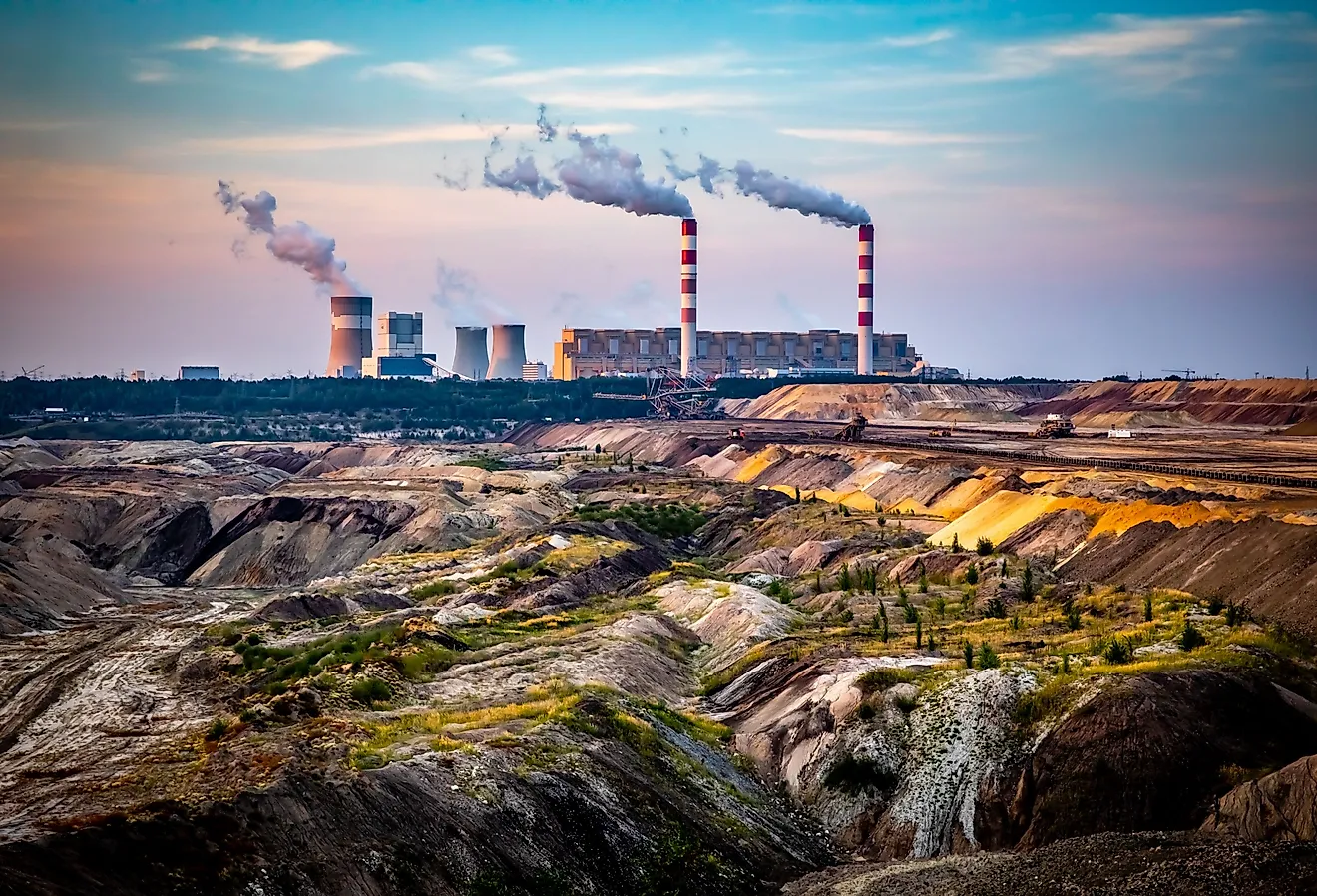
Japan is the world's largest importer of liquefied natural gas and one of the largest importers of crude oil and coal. Domestic production of all three is minimal. The 2011 Fukushima Daiichi disaster led to the shutdown of every reactor in Japan's nuclear fleet by 2013, which sharply increased fossil fuel imports through the mid-2010s. Restarts have proceeded slowly since 2015, and as of early 2026 about a dozen reactors have returned to commercial operation at sites including Sendai, Genkai, Ohi, Takahama, and Ikata. Japan's 2021 Strategic Energy Plan targets a return to roughly 20 to 22 percent nuclear-generated electricity by 2030, alongside a renewables share of 36 to 38 percent.
The country has small deposits of coal (chiefly in Hokkaido and Kyushu), some offshore oil and natural gas (notably the Mobara field on the Boso Peninsula and the Southern Okinawa Trough gas field), and trace metallic ores. Production of all of these is now minor. Recent attention has focused on possible methane hydrate and rare-earth deposits in the seabed of Japan's exclusive economic zone, but no commercial extraction has begun.
Forests

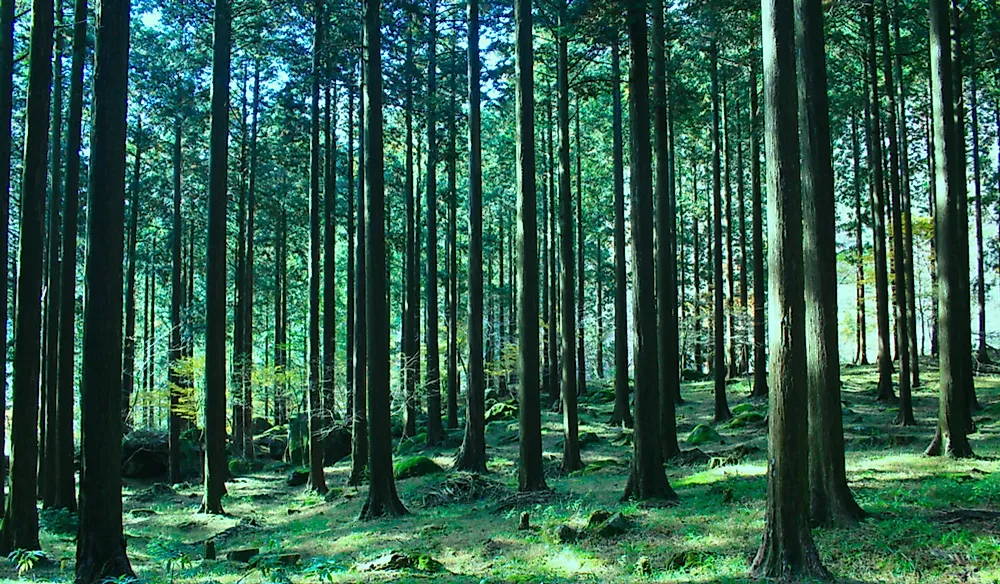
Forest cover is one of Japan's signature natural-resource assets. About 68 percent of the country's land is forested, one of the highest figures in the developed world; the absolute rankings depend on the data source, but Japan typically appears near the top alongside Finland, Bhutan, Laos, and Sweden among countries with substantial land areas.
About 40 percent of the forest area is planted (almost entirely sugi cedar and hinoki cypress), the result of a major post-war replanting program intended to supply construction timber. The program succeeded as a planting effort but coincided with a shift in Japanese construction toward concrete and imported wood, leaving much of the planted forest standing and uncut. The Japanese forestry industry produced around 35 million cubic meters of roundwood in recent years and contributes a small share of GDP, but high-grade Japanese cedar and cypress remain sought-after for export to China, South Korea, and other Asian markets.
Fisheries and Whaling

Japan's exclusive economic zone covers about 4.5 million square kilometers, the world's eighth largest, and the country has been a major fishing nation for most of its modern history. Total catch peaked at around 12 million tons in the mid-1980s and has declined to roughly 3 to 4 million tons annually in recent years, reflecting overfishing, stricter international quotas, the 1973 oil crisis, and a smaller and aging fishing workforce.
The famous Tsukiji wholesale fish market in central Tokyo closed on October 6, 2018, and the wholesale operations relocated to the larger Toyosu Market on a reclaimed island in Tokyo Bay, which opened on October 11, 2018. The Tsukiji outer market (the retail and restaurant district outside the original wholesale facility) remains open. Japan has roughly 2,800 fishing ports, including major ones at Choshi, Yaizu, Sakaiminato, Nagasaki, and Kushiro.
On whaling, Japan formally withdrew from the International Whaling Commission on June 30, 2019, and resumed commercial whaling the next day, July 1, 2019, for the first time since the 1986 commercial moratorium took effect. Whaling is now restricted to Japan's territorial waters and exclusive economic zone, and the Antarctic "scientific" whaling program that had been a long-running source of international friction was discontinued. The 2026 quota set by the Japanese Fisheries Agency totals over 400 animals across four species: minke whale, Bryde's whale, sei whale, and (added in 2024) fin whale.
Agriculture

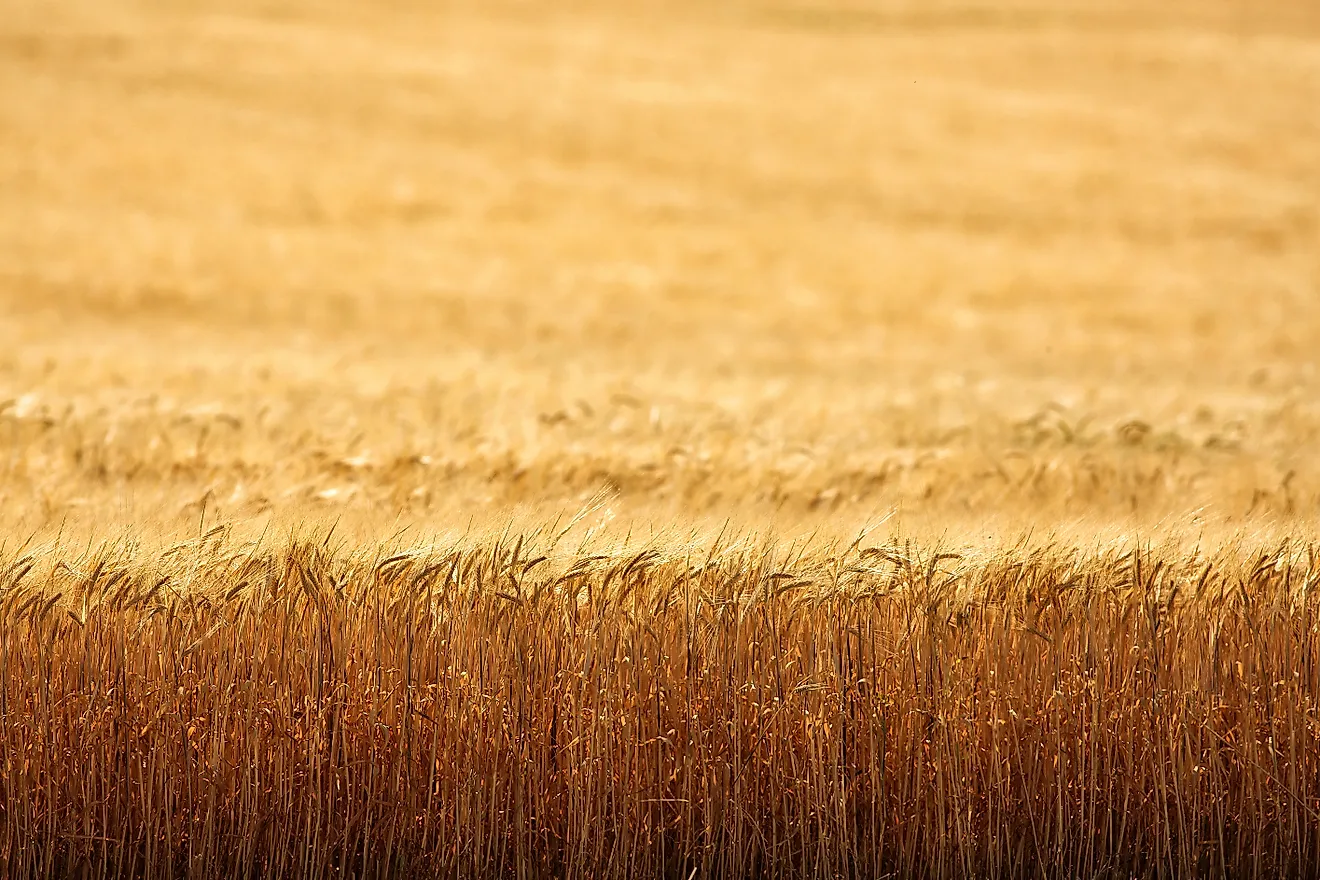
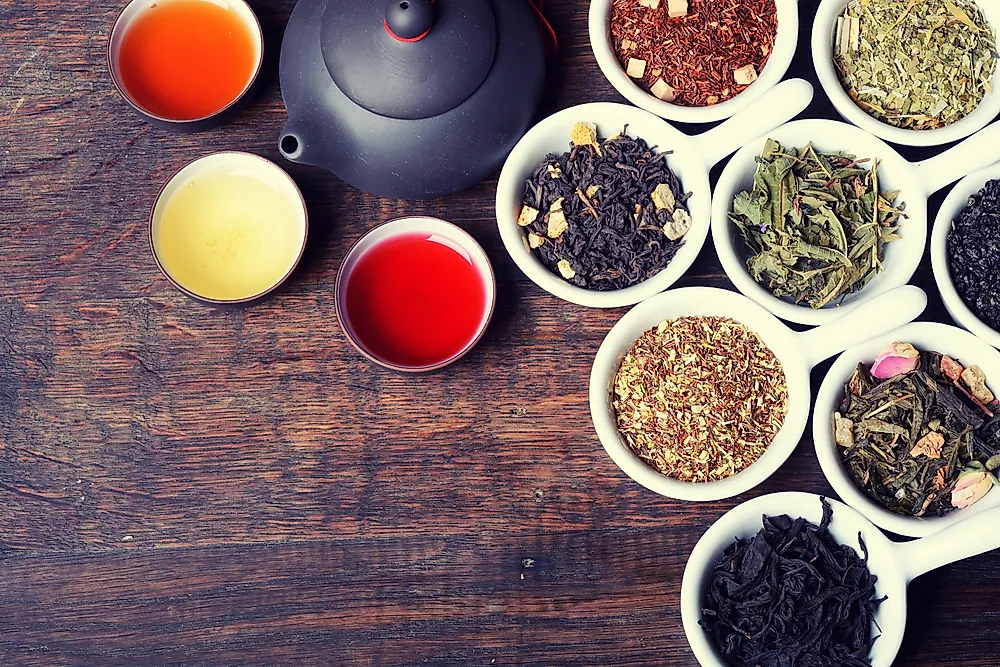
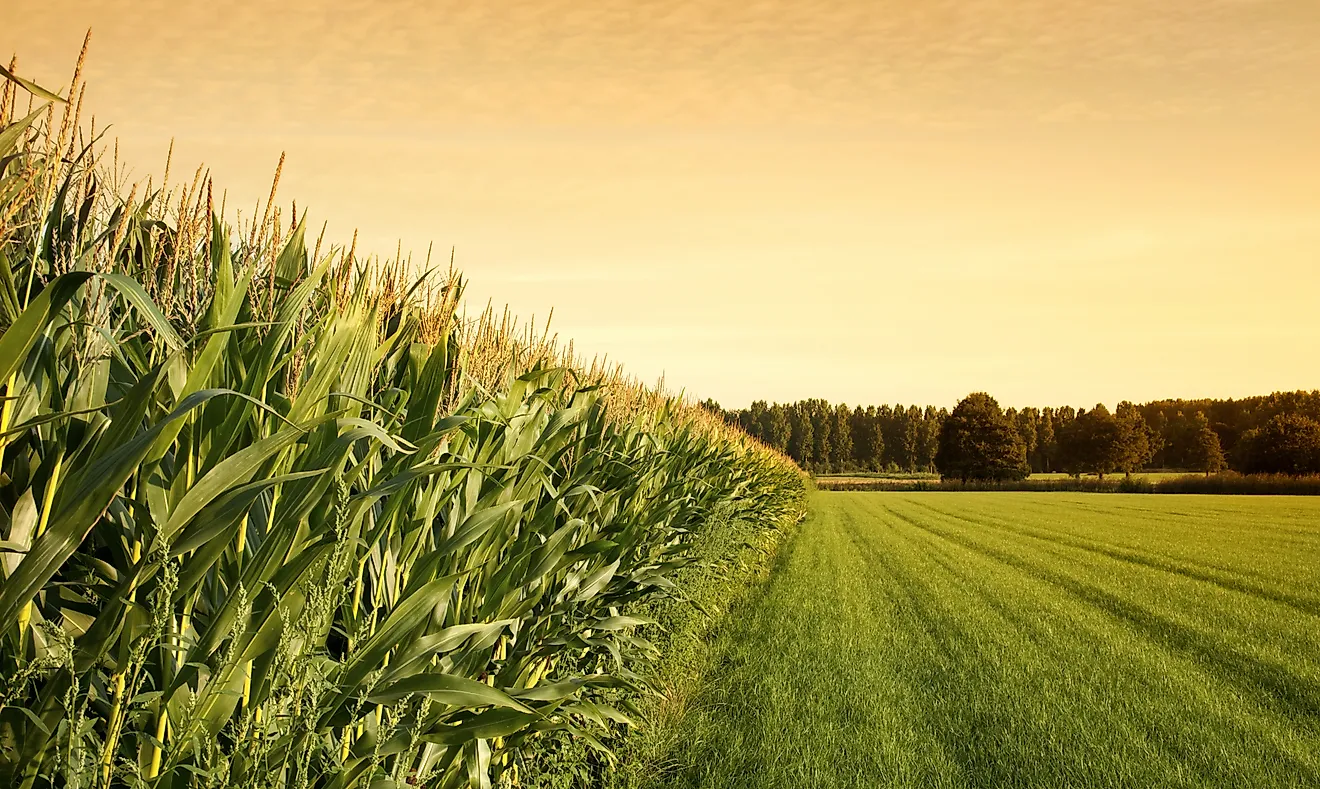
Only about 12 percent of Japan's total land area is arable, and the share of GDP from agriculture is small. The sector is heavily subsidized and protected, partly to maintain rural employment in mountainous regions where alternative industries are limited. Rice remains the staple crop and is cultivated intensively on alluvial plains, terraced hillsides, and reclaimed wetlands; other major crops include vegetables, fruit (particularly apples in Aomori and citrus in Ehime), tea (mainly in Shizuoka and Kagoshima), and a smaller wheat and barley sector.
Japan's agricultural labor force has declined sharply over the past three decades, and the average age of full-time farmers is now over 67. The government's 2014 Reform Package and subsequent initiatives have aimed at farmland consolidation and at attracting younger and corporate entrants into agriculture, with limited but real progress. Roughly 60 percent of the calories Japanese consumers eat come from imported food.
Minor Mineral Resources

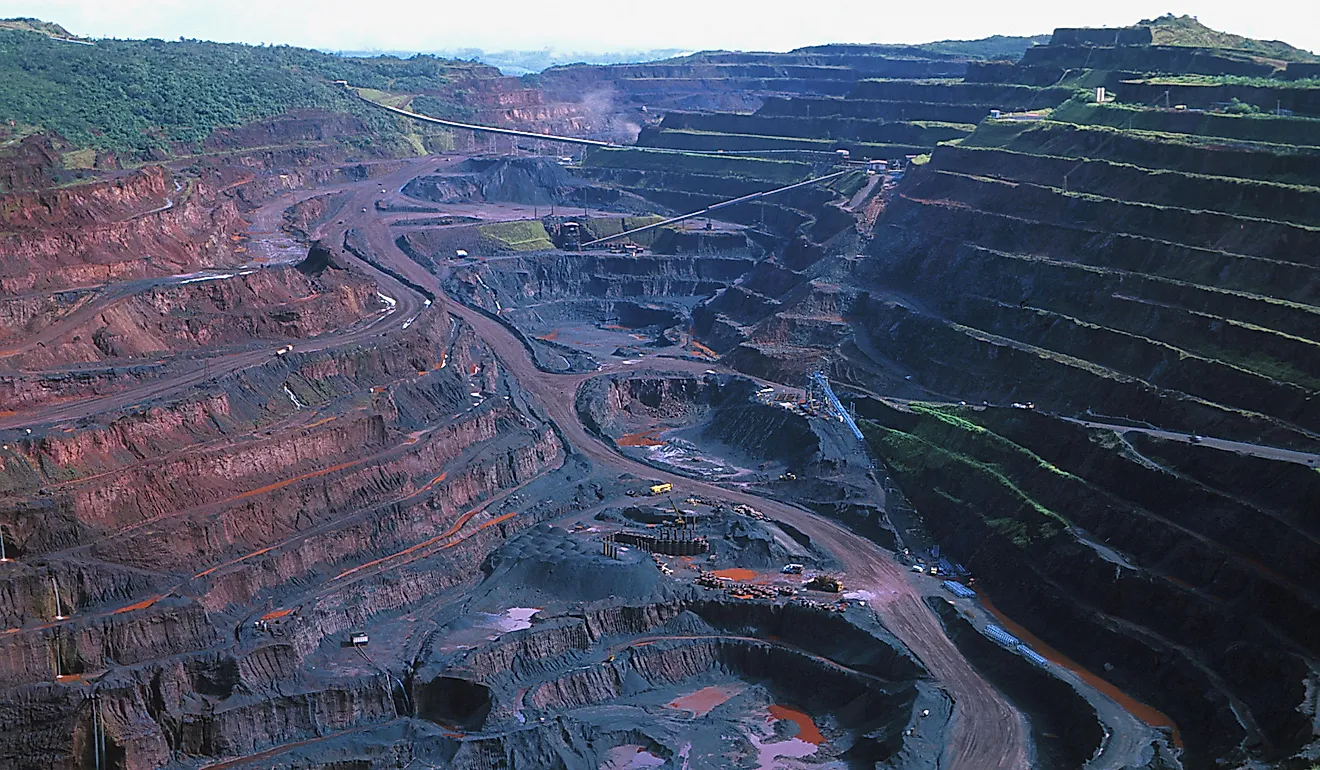
Japan has produced small quantities of copper, gold, silver, manganese, tin, and zinc historically, but commercial mining has been negligible for several decades. Non-metal minerals still extracted in modest amounts include sulfur, antimony, and graphite. The country remains dependent on imports for essentially all the metal ores, ferroalloys, and industrial minerals used in its steel, automotive, and electronics industries.
The Pattern: Resource-Poor on Land, Resource-Rich at Sea
Japan's natural resource profile is unusual for a major industrial economy. Its land yields little in the way of fossil fuels or metals, and even its forest sector has more standing inventory than market demand. The country's most significant natural-resource asset is its surrounding ocean, both as a fishery and as a potentially exploitable seabed for methane hydrate and rare earths. Whether the seabed potential becomes commercially significant in the coming decades is one of the open questions in Japan's long-term resource and energy strategy, and it will partly determine how heavily the country continues to depend on imports for the raw materials of its industrial base.