The African Army That Destroyed An Italian Invasion
In the late 1800s, Europe carved up almost the entire continent of Africa like a holiday ham, and the powers doing the carving assumed the whole thing would be easy. Italy, a relative newcomer to the empire game, decided its slice would be Ethiopia. It did not go to plan. On March 1, 1896, at the Battle of Adwa, an Ethiopian army under Emperor Menelik II met the invading Italians and did not merely repel them, it annihilated them, handing a European power one of the most humiliating defeats of the entire colonial era. Here is the story of the army that wrecked an invasion and kept its country free.
The Answer: Ethiopia at the Battle of Adwa

The army that did the wrecking belonged to the Ethiopian Empire, then also known as Abyssinia, led by Emperor Menelik II alongside his formidable wife, Empress Taytu Betul. The Battle of Adwa, fought on March 1, 1896, near the town of Adwa in the northern Tigray region, was the climactic clash of the First Italo-Ethiopian War. It ended in a total, lopsided Ethiopian victory, and it made history as the first time an African force decisively crushed a European power during the age of colonial conquest. Contemporaries reached for the biggest comparison they could find, calling it the greatest victory of an African over a European army since Hannibal. For once, the hype was earned.
It All Started With a Bad Translation

The whole war traces back to what may be the most consequential typo in colonial history. In 1889, Italy and Ethiopia signed the Treaty of Wuchale, and the trouble hid in Article 17. The Amharic version said the Ethiopian emperor could, if he felt like it, use Italy's help in dealing with other countries. The Italian version said he had to, which conveniently turned Ethiopia into an Italian protectorate. Italy went around telling Europe it now owned Ethiopia's foreign policy. Menelik, who could read, was not amused, and formally told Italy exactly where it could file its version of the treaty. Rome decided the solution was an invasion, and started shipping troops to its colony in neighboring Eritrea.
Italy Expected a Walkover. It Got a Wall.

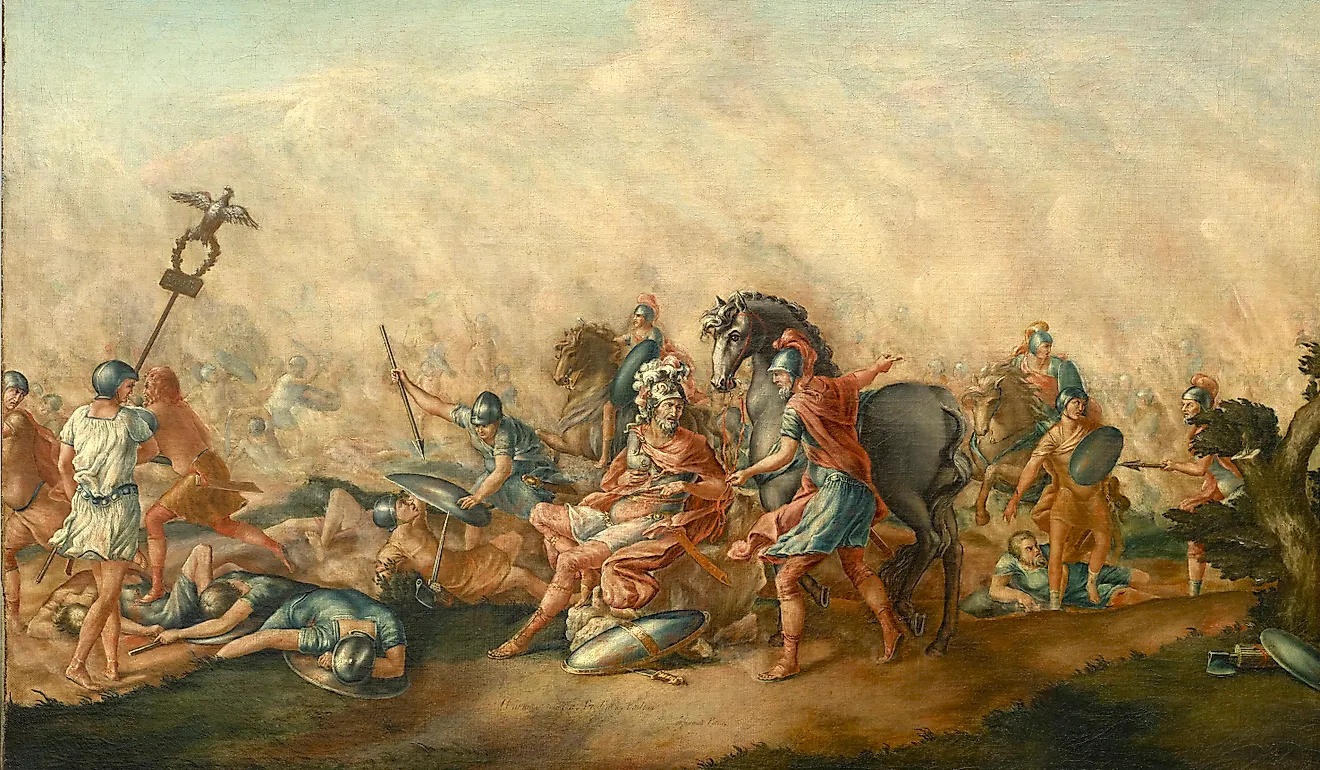
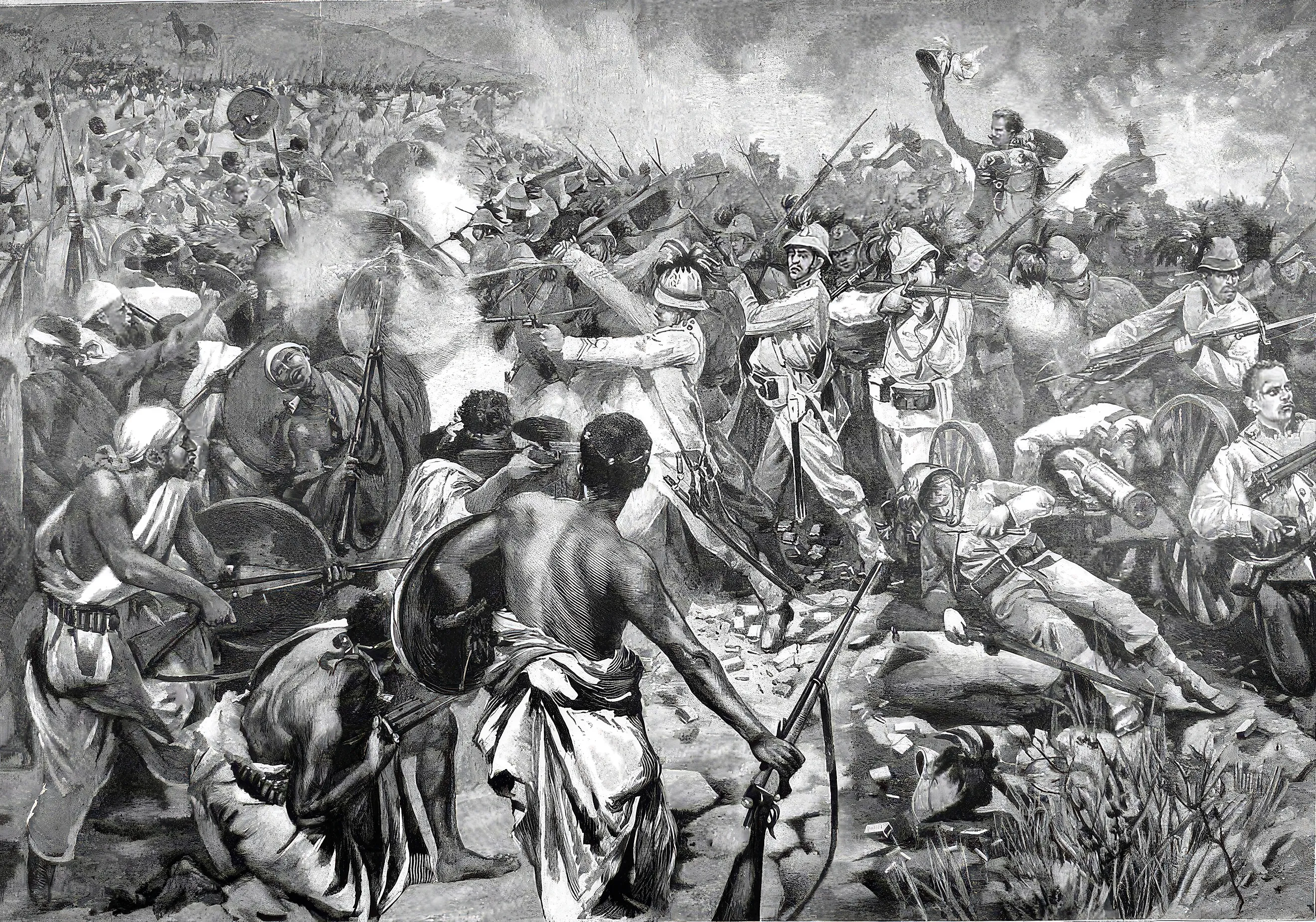
A mortally wounded Lieutenant Colonel Davide Menini urges the Alpini troops to advance
Italy marched in expecting the usual colonial cakewalk: a small, well-drilled European force scattering a disorganized local one. The reality was almost the exact reverse. General Oreste Baratieri had roughly 17,000 troops, including Eritrean conscripts. Menelik had spent years quietly buying modern rifles and artillery from France and Russia, and now called up an army estimated at anywhere from 80,000 to well over 100,000 well-armed soldiers. So the invaders were not the disciplined professionals facing a rabble. They were badly outnumbered visitors, deep in unfamiliar mountains, up against a larger, better-supplied, and thoroughly motivated home team. That is not a war plan. That is a hostage situation you volunteered for.
The Battle: A Dawn Disaster
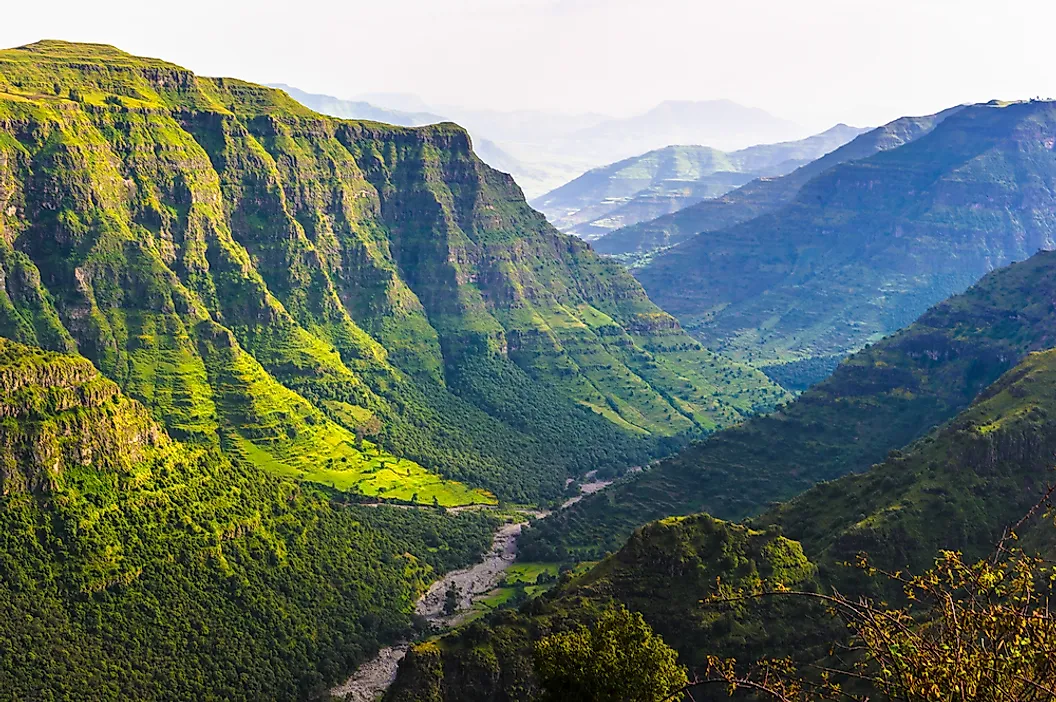
Pressured by an impatient government in Rome to do something dramatic, Baratieri ordered a risky nighttime advance in three separate columns, planning to surprise the Ethiopians at dawn. Instead, his brigades tried to cross a maze of steep, broken mountains using maps that turned out to be wildly inaccurate. In the dark, the columns drifted apart, lost contact, and blundered into gaps miles wide. When morning came, Menelik's forces simply fell on the scattered Italian units one at a time and tore them apart piecemeal. By the end of the day, the invasion was a catastrophe: roughly 70 percent of the Italian soldiers were killed or captured, including thousands taken prisoner. Ethiopia paid a heavy price too, with over 5,000 of its own soldiers killed, but the outcome was never in doubt.
Why Adwa Still Echoes
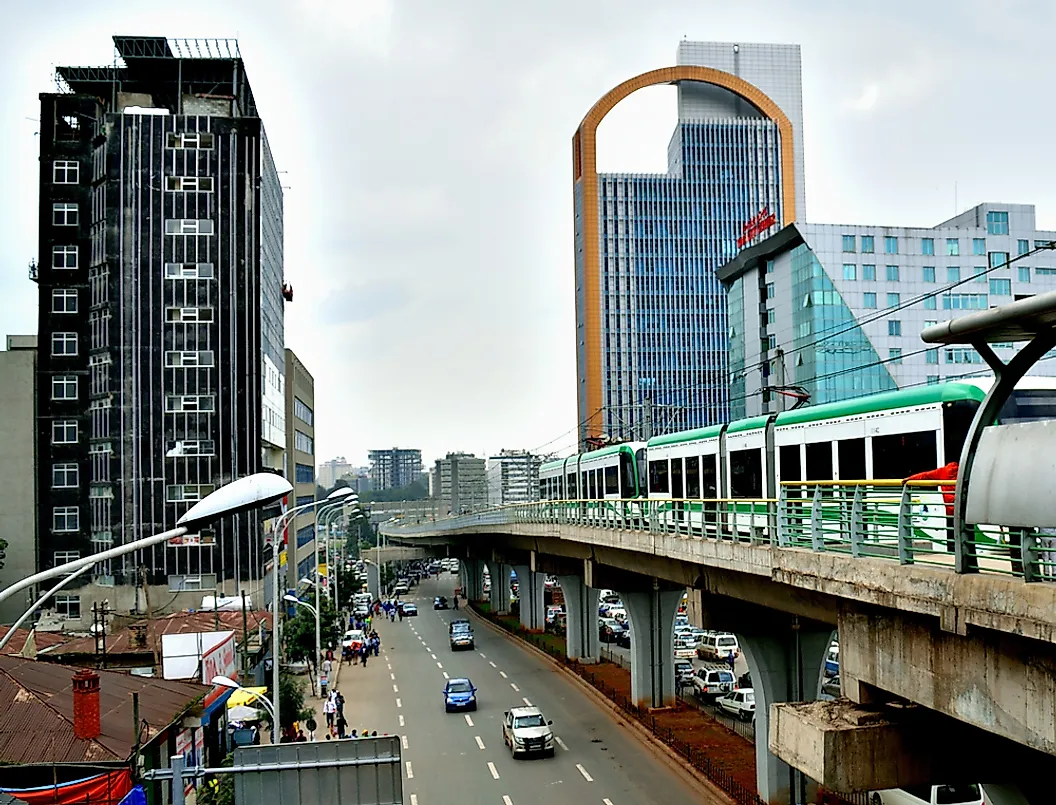
The aftermath was as decisive as the battle. Italy's government collapsed, its prime minister resigned in disgrace, and in October 1896 Rome signed the Treaty of Addis Ababa, tearing up the fraudulent Wuchale deal and recognizing Ethiopia as a fully sovereign, independent state, with Addis Ababa as the capital of a free nation. While nearly all of Africa fell under European rule, Ethiopia stayed free, and Adwa became a towering symbol of resistance celebrated across the continent and by people of African descent worldwide. Italy did come back decades later, in 1935, with Mussolini, tanks, aircraft, and poison gas, and briefly occupied the country until World War II undid it. But the memory that endures is 1896, the year an African army met a European invasion head-on and left it in ruins.