Why Wolves Vanished From Eastern Forests
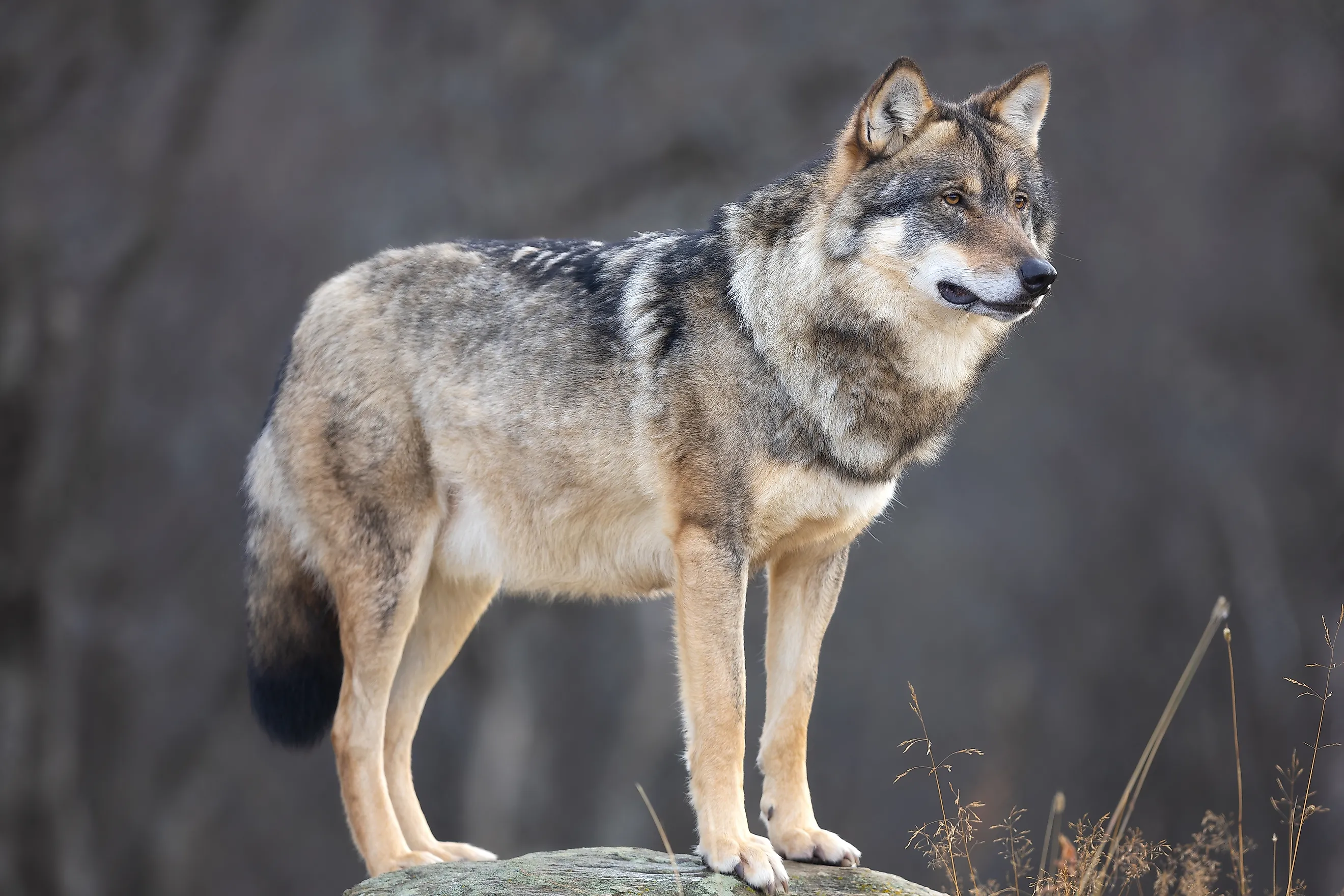
Wolves found in the Eastern Forests, also known as Eastern Deciduous Forests, are classified as a threatened species. When we talk about the Eastern Forests, they are across North America, covering the East Coast and Florida in the south and reaching Maine in the north. Also, they reach as far west as Texas and Minnesota, extending to cover parts of southeastern Canada. The wolf was once abundant across these areas, but circumstances made them less so. There are several reasons why wolves vanished from Eastern Forests.
Hunted Until Extirpation

Wolves vanished because they were viewed as a threat to humans and livestock. European settlers' activities to get rid of wolves included organizing bounties, trapping, and poisoning them. Bounty programs started in the 19th century lasted through as late as 1965. The eastern gray wolf population was the only wild population to survive these attempts by humans to destroy them.
Widespread Deforestation

Human beings also practiced deforestation for farmland and timber, which destroyed wolves' natural habitat and reduced the number of their native prey like deer and beaver and wolves started attacking livestock. This made humans want to hunt them even more. In 1974, the gray wolf was one of the first species to be listed under the 1973 Endangered Species Act. In Minnesota, they were only found in extreme northeastern Minnesota where a few hundred remain, and on Isle Royale, Michigan where only a small number exist.
Government Policies

The government enacted policies where it was legal to kill and hunt wolves to extinction. With early settlers, their hunting of the wolf was back by official town and state bounty systems. Eastern wolf numbers fell shortly before and after the American Revolution, particularly in Connecticut, where the wolf bounty was repealed in 1774. In other states, where concerns were still high in areas and where there were not that many people, like Southern New Hampshire and Maine, wolf hunting became a regular occupation among settlers and natives. By the time in early 19th century, few eastern wolves remained in southern New Hampshire and Vermont.
Genetic Hybridization

Wolves essentially did not stay pure wolves. Due to the decline of the wolf population, the surviving individuals began mating with the coyote population. This diluted the native gene pool of wolves. The eastern wolf in Southern Ontario, where the animal has almost disappeared, Hybridization could also be a potential long-term threat to the genetic integrity of the Eastern Wolf populations.
Fear Not, It Is Only a Wolf
The one thing we can take away from wolves disappearing from Eastern Forests, is the fact that human beings feared them. Most of this was because of a lack of knowledge about the wolf in the 1900s. But the human beings interested in saving the wolf have made an impact and now there is some hope. As of 2005, there were 425 gray wolves in Wisconsin, and now there are about 1,200. Fear not. It is only a wolf.