Why Some Forests Have No Undergrowth At All
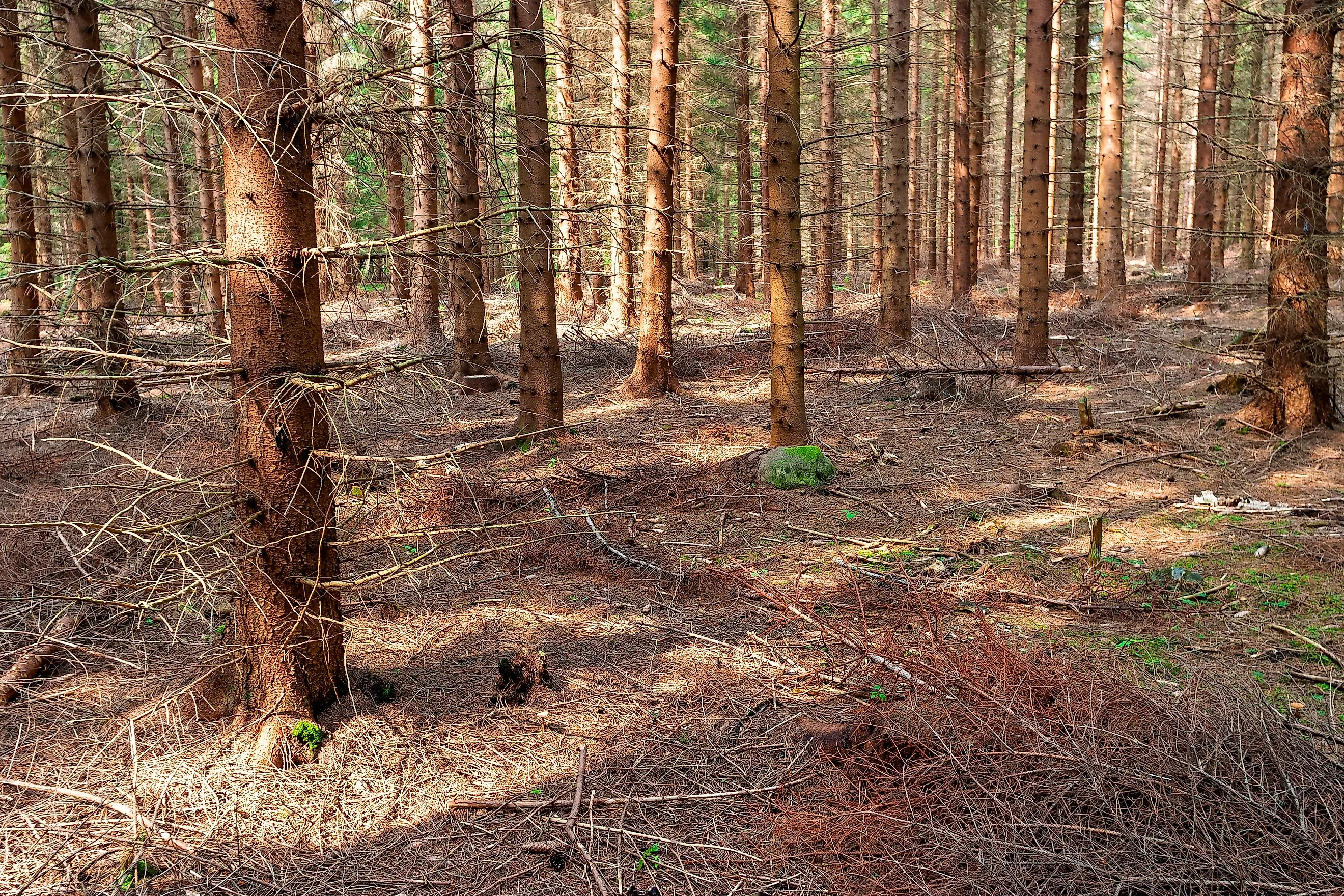
When people picture a forest, they imagine a carpet of shrubs, grass, fallen leaves, and smaller trees covering the ground. Yet not every forest looks like this. In some places like Dense Tropical Rainforests, the floor is almost completely bare. It can be an extremely difficult place for a plant to survive. A combination of limited sunlight from large canopy trees, competition for water and nutrients, fire, and hungry animals can create conditions where very few plants are able to establish themselves.
Life In The Shadows

One of the simplest explanations for a bare forest floor is the lack of sunlight beneath the canopy. A cluster of branches acts like a giant natural umbrella, and large, more mature trees intercept sunlight before it can reach the ground. This is especially true in places like the Amazon Rainforest and the Congo Basin, where only a fraction of the light that shines on the top of the canopy makes it all the way to the ground.
This is significant for plants because photosynthesis, the process plants use to make food, requires light and water for them to grow beneath. With only a sliver of sunlight, seedlings and low-growing plants may struggle to produce enough energy to survive. Most shade-tolerant plants can cope with these conditions, but even they have limits. Instead of a thick layer of vegetation, the result can be a surprisingly open forest floor.
A Battle for Water and Nutrients

Besides sunlight, plants also compete for water and nutrients, which are often very limited. Larger trees have extensive root systems that soak up much of the soil, absorbing water and minerals that smaller plants need. In droughts or particular dry seasons, this competition can become serious.
Even when a seedling manages to begin growing, making it through the early years can be difficult. It has to develop roots, produce leaves, and compete against plants that may have thrived in the same location for years. Therefore, the thick layer of underground networks beneath some woodlands can make the ground a difficult environment for new vegetation.
What Falls to the Ground Matters

Certain trees can affect the surrounding plants by a process called allelopathy. This occurs when a plant releases natural chemicals into the soil that can interfere with the growth of nearby vegetation. If you've ever walked through a pine forest, you've probably noticed a thick carpet of needles on the ground. These don't automatically stop other shrubs from growing. Still, years of accumulation can change the soil beneath them, affecting moisture, acidity, and nutrients and making it harder for some seeds to get started.
Sometimes the challenge is chemical, but other times it's simply what's beneath. A deep blanket of fallen leaves or needles can build up over time, creating a barrier that keeps seedlings from reaching the soil they need to germinate and grow.
How Fire Affects the Floor

Fire may seem destructive, but in many forests, it is an essential part of the natural cycle. Frequent, low-intensity fires can clear away grasses, shrubs, fallen branches, and young trees while leaving mature trees standing.
Longleaf pine forests, a rich, fire-dependent ecosystem in the places like southeastern Virginia and eastern Texas, are a classic example. Regular fires historically helped maintain open, grassy spaces beneath widely scattered trees. However, heavy logging for timber, combined with decades of human fire suppression has rapidly reduced that ecological community.
In addition, giant sequoia groves in California also depend on periodic fire to clear debris and create conditions for new growth. So, an open forest floor isn't necessarily a sign that something is missing. In some habitats fire is what keeps it that way entirely.
The Deer Effect
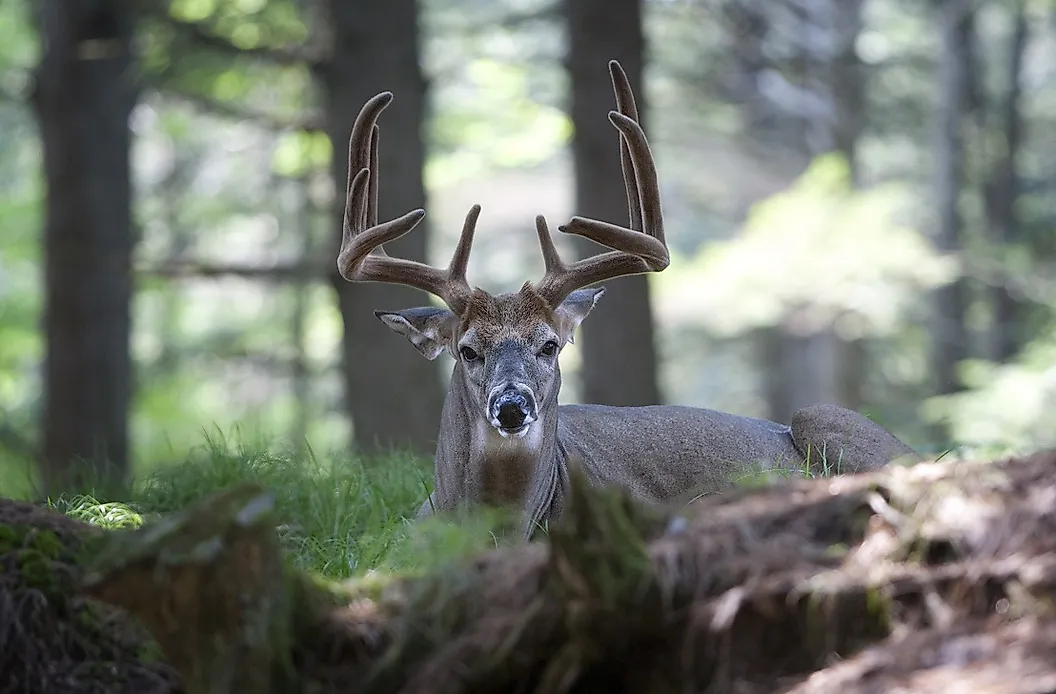
Animals are another force constantly shaping the forest floor. It's always a beautiful sight to watch deer, elk, and other plant-eating wildlife graze on leaves, tender shoots, and shrubs. But when their numbers grow too large, the scene becomes less idyllic when they can consume new growth faster than the forest can replace it. This is widely noticeable in the Mid-Atlantic, Northeast, and Upper Midwest regions of the US, where large deer populations repeatedly feed on the same vegetation. Young species may be eaten before they can establish, leaving towering mature trees above an unusually bare floor.
From a distance, the forest may appear perfectly healthy because the older towering trees remain untouched. Over time, heavy feeding can reshape the entire forest. Instead of the layered mix of tall trees, saplings, shrubs, and ground cover you'd normally expect, there may be little more than full-grown trunks rising from an almost empty ground.
More Than What We See
A forest is far more than a collection of trees and its appearance can be deceiving. It's a living and constantly shifting world where overhead canopies and the soil beneath your feet play an integral part. In some woodlands, thick branches steal away sunlight, leaving little opportunity for growth below. In others, fire or hungry animals keep green shrubs and young plants from taking over.
So the next time you walk through a dense forest and find yourself surprised by the open ground, take a closer look. The story may be hiding in the branches above, the soil below, or the wildlife living nearby. What looks like an empty forest floor may actually be nature's way of maintaining a delicate balance.