The Largest Forest In The World
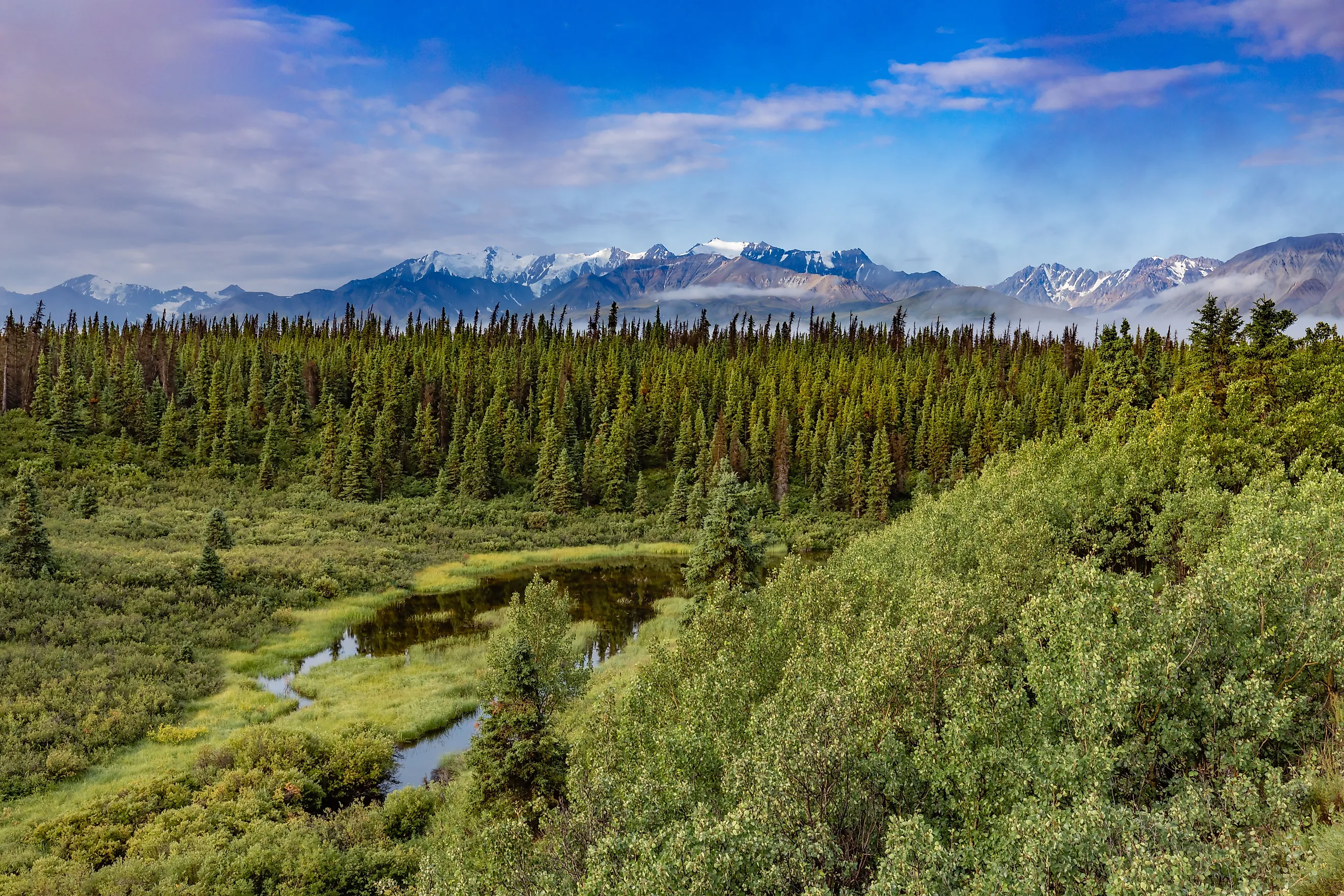
Quick, name the biggest forest on Earth. If you said the Amazon, you are in good company, and you are also wrong. The largest forest in the world is one most people cannot name and few will ever visit: the boreal forest, better known as the taiga, a vast ring of coniferous trees wrapped around the top of the planet. It covers roughly 17 million square kilometers, close to a third of all the forest on Earth and comfortably bigger than the Amazon. It is so enormous that the Siberian stretch alone spans eleven time zones. This is the giant almost nobody talks about, so let us give it a proper look.
It's Not the Amazon
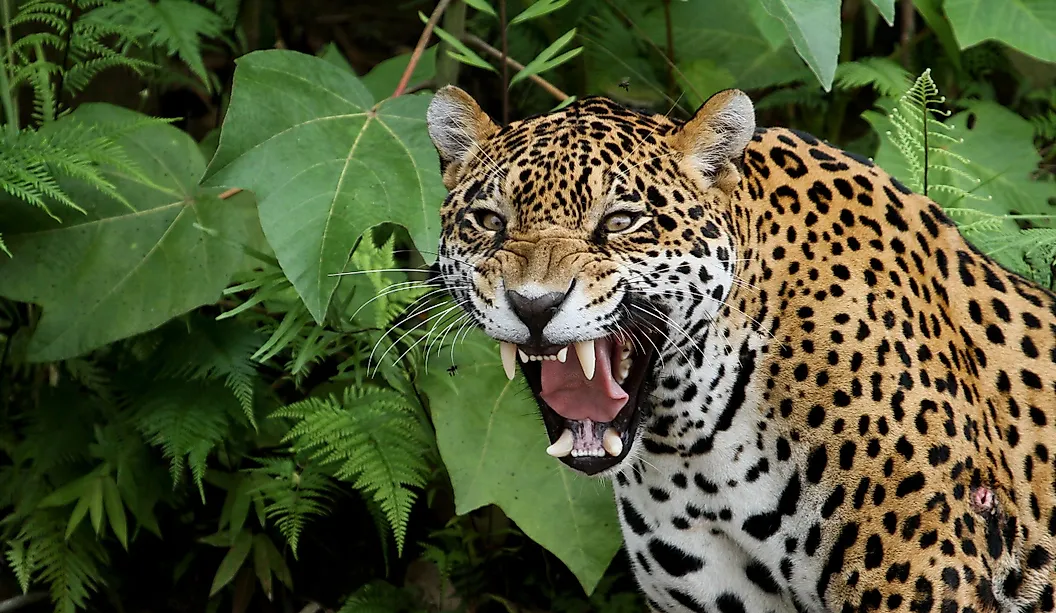
Let us clear this up first, because it trips up almost everyone. The Amazon is the world's largest rainforest, and it is genuinely huge at around 5.5 million square kilometers. But rainforest is a category, not a crown. Once you count every kind of forest, the boreal wins by a wide margin, and the Siberian taiga on its own is larger than the entire Amazon basin. So the Amazon keeps its title as the biggest jungle. It just does not get to be the biggest forest. For a fuller sense of how the planet's woodlands stack up, it helps to see where the world's forests actually sit.
A Forest That Wraps Around the Planet

The taiga is a broad green belt that circles the Northern Hemisphere between roughly 50 and 70 degrees north, sitting just below the treeless Arctic tundra. It runs across Russia, Scandinavia, Alaska, and a huge swath of Canada, touching eight countries in all. Russia holds the biggest share by a mile. Its taiga is considered the single largest forest on the planet, and the Siberian portion alone crosses eleven time zones, from the Ural Mountains to the Pacific. Stand anywhere in it and you are surrounded by roughly a quarter of all the trees on Earth. Much of it has almost nobody living in it, which is part of why it has stayed so intact.
Canada's Half Is Mostly Water

North America's boreal forest is the second-largest piece, stretching from Alaska across Canada to Newfoundland, and it hides a surprise. It holds more surface freshwater than any other biome on Earth, freckled with well over a million lakes along with endless rivers, bogs, and wetlands. It is also a nursery for birds. Around 60 percent of North America's bird species breed in the boreal before flying south for winter, which makes this frozen forest one of the busiest bird factories on the continent. On the ground, woodland caribou, moose, and wolves have the run of the place.
Cold Enough to Break Thermometers

This is not a cozy forest. Winters are long and savage, and the East Siberian taiga contains Oymyakon, often called the coldest permanently inhabited place on Earth, where the temperature has dropped below minus 60 degrees Celsius. The growing season can be as short as 80 days. The trees that tolerate this are almost all conifers, mainly spruce, pine, fir, and larch. Larch is the rebel of the group, the only conifer that gives up and drops its needles every autumn, and it rules the coldest corners of Siberia where nothing else will grow. Down at ground level, the forest floor is a spongy carpet of moss, peat, and low berries like cranberries and lingonberries. The name taiga is Russian, meaning something close to "land of the little sticks," which is a very humble title for the biggest forest on the planet.
Who Lives Out There
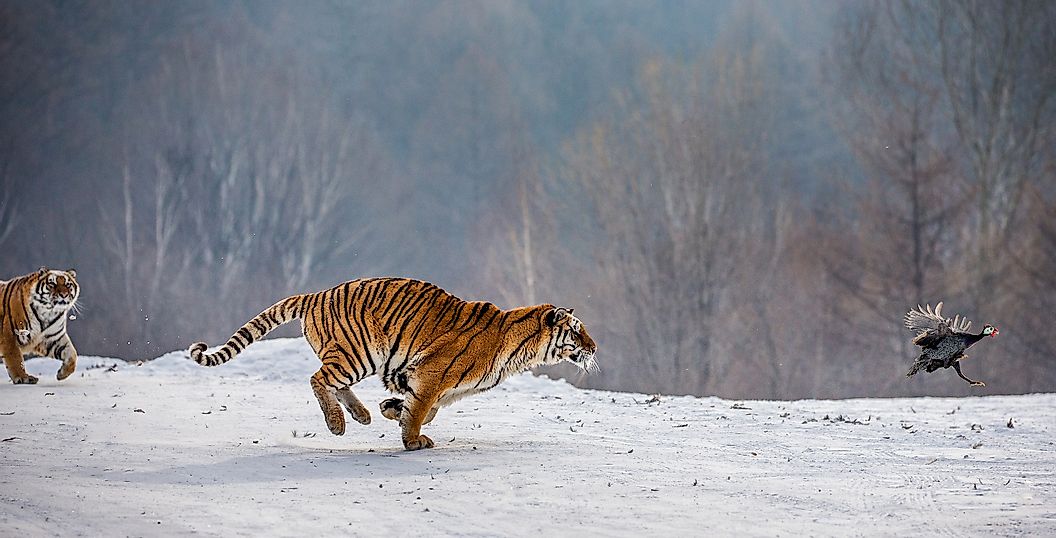
For a place this cold, the taiga is surprisingly crowded. Wolves, brown bears, lynx, and wolverines all patrol it, but the showstopper is the Siberian tiger, which hunts the snowy forests of the Russian Far East. This is the only place on Earth where you can find a tiger padding through snow, which sounds made up and is not. These are the biggest cats in the world living in one of the coldest forests in the world, a combination nobody would have designed on purpose.
Moose, Elk, and Clouds of Mosquitoes

The plant-eaters are just as impressive, if less dramatic. Moose, the largest members of the deer family, wade through the spruce alongside elk and caribou, browsing on whatever the short summer produces. And then there is the taiga's real reign of terror, which has nothing to do with predators. In summer the forest breeds mosquitoes in numbers that are genuinely hard to believe, thick enough that a single caribou can reportedly lose up to a liter of blood a day to the swarms. The tigers are not the thing to worry about out here. Bring repellent.
The Planet's Quiet Carbon Vault

Here is the part that reaches far beyond the forest itself. The boreal stores an estimated 30 to 40 percent of all the carbon held on land, more than tropical forests manage, with much of it locked in peat and frozen soil rather than in the trees. That makes the taiga one of the most important climate regulators on the planet, and a fragile one. Logging chews through large areas in Russia, Canada, and Scandinavia every year, and as the north warms, wildfires and thawing permafrost can flip the whole system from a carbon store into a carbon source. In recent years, boreal fires in Canada and Siberia have made up a startling share of the world's total forest loss. The biggest forest on Earth is also one of the most consequential.
The Quiet Giant
So the next time someone crowns the Amazon the world's largest forest, you can gently set them straight. The real record holder is the frozen green crown at the top of the map. It is bigger than any jungle and colder than almost anywhere, and it quietly does more for the planet's climate than nearly any landscape we have. The Amazon gets the fame. The taiga just gets the size.