The National Forests Where Caribou Still Range
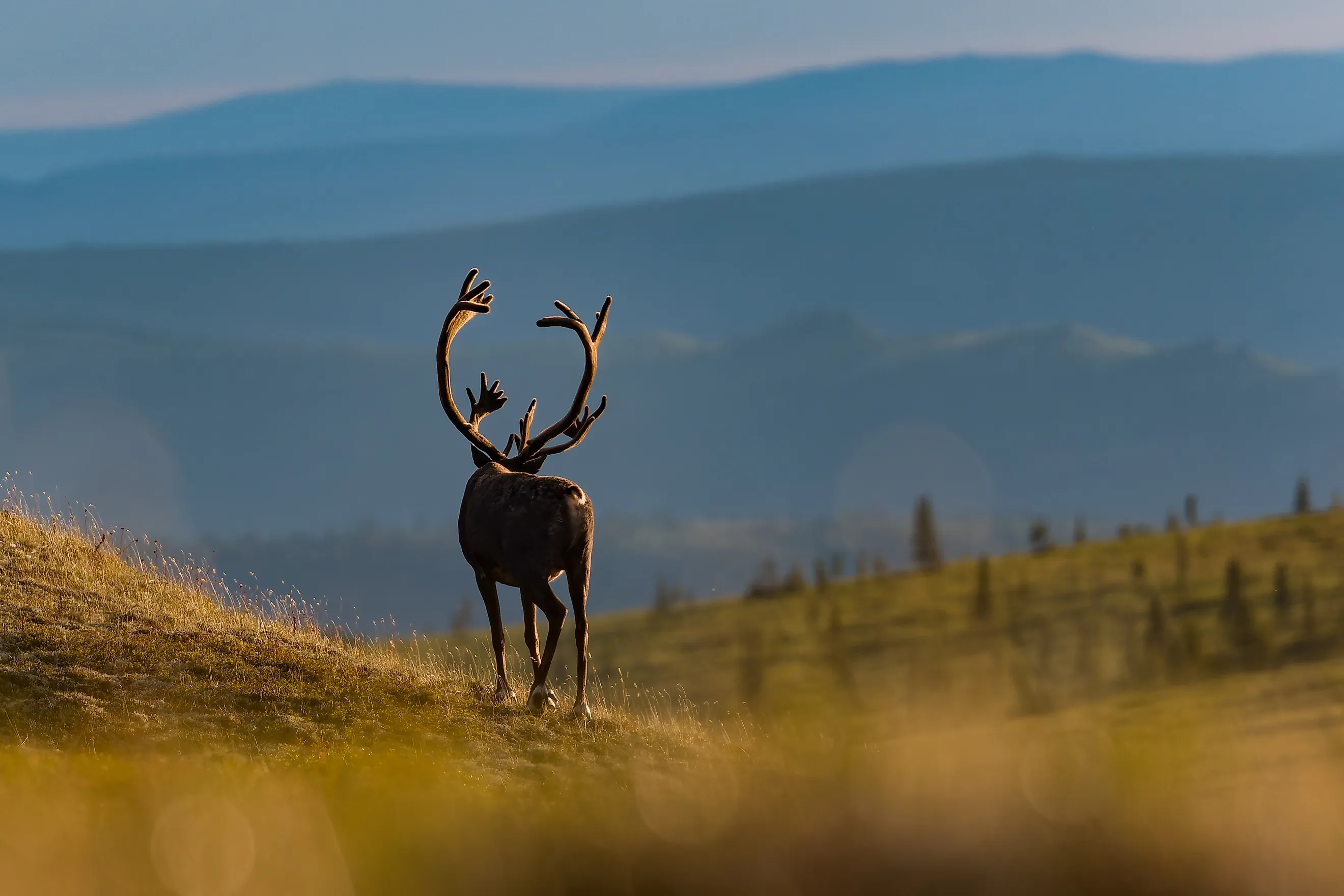
Caribou once inhabited parts of the northern United States, but today, the country's wild populations are concentrated in Alaska. Also known as reindeer, these northern mammals belong to the species Rangifer tarandus and inhabit environments ranging from Arctic tundra to mountain forests. Although caribou have disappeared as a resident species from the contiguous United States, several national forests preserve important chapters of their history. Chugach National Forest in Alaska still supports caribou, while forests in Washington, Idaho, and Montana are connected to the species through historical populations and rare sightings.
The History of Caribou in the United States

Caribou have inhabited North America for thousands of years, serving as an important source of food and materials for Indigenous communities. Although the terms caribou and reindeer refer to the same species, caribou is generally used for wild North American populations. Woodland caribou historically occupied parts of the northern contiguous United States, including areas from the Northeast and Great Lakes to the northern Rocky Mountains. Habitat changes, hunting, and other pressures gradually eliminated these populations. By the twentieth century, caribou had disappeared from much of their former range in North America.
The last resident caribou population in the contiguous United States occupied the Selkirk Mountains along the borders of Idaho, Washington, and British Columbia. Known as the South Selkirk population, these woodland caribou depended on mature mountain forests where they could feed on lichens during winter. The population was federally listed as endangered in 1983, but conservation efforts could not reverse its long-term decline. By 2018, just three females remained in the South Selkirk population. The last known animals were relocated to Canada in 2019, ending the population's continuous presence in the contiguous United States.
Alaska remains the center of American caribou conservation. The state supports numerous herds, including large migratory populations in Arctic regions and smaller herds in southern mountain habitats. Caribou also inhabit protected areas such as Denali National Park and Preserve, where the resident herd generally remains within the park but occasionally travels beyond its boundaries.
Chugach National Forest, Alaska

Covering approximately 5.4 million acres in south-central Alaska, Chugach National Forest stretches from the Kenai Peninsula across Prince William Sound to the Copper River Delta. Its forests, mountains, glaciers, and coastal environments support diverse wildlife, including caribou in parts of the Kenai Mountains. The forest is divided into the Seward, Glacier, and Cordova Ranger Districts, but visitors looking for caribou should focus on suitable habitat associated with the Kenai Mountains herd, primarily in the Seward Ranger District.
The Kenai Mountains herd is much smaller than Alaska's large migratory herds. It reached approximately 375 animals in 2001 before experiencing a prolonged decline, particularly between 2020 and 2022. According to an October 2026 federal subsistence management bulletin, the most recent minimum count was 62 animals. Wildlife officials have identified natural population dynamics, winter conditions, and limited winter habitat as possible contributors to the decline. The small population makes sightings uncommon, even in areas where caribou are known to occur.

Conservation concerns have also influenced hunting regulations. In August 2026, federal wildlife managers restricted the Unit 7 subsistence caribou hunt to bulls only, following a similar restriction on the state-managed drawing hunt. The federal restriction was subsequently extended through December 31, 2026. Federal subsistence hunting is subject to community eligibility requirements, while state hunting opportunities are administered separately. These restrictions reflect efforts to protect breeding females while managing limited hunting opportunities.
Visitors can still explore the Kenai Mountains and surrounding forest through hiking and wildlife viewing, although caribou sightings cannot be guaranteed. Wildlife should always be observed from a safe distance without approaching or disturbing the animals. For an overnight stay, the Forest Service operates Caribou Creek Cabin, a rustic six-person cabin along Resurrection Creek. Its location offers access to the surrounding mountain environment, although the cabin's name should not be interpreted as a guarantee of nearby caribou.
Other National Forests Where Caribou Historically Roamed
Kootenai National Forest, Montana

Kootenai National Forest occupies a mountainous region of northwestern Montana near the Canadian border. Although it has no established resident caribou population, the surrounding landscape has occasionally received visitors from Canadian herds. In November 2018, Montana Fish, Wildlife & Parks confirmed sightings of two woodland caribou, a bull and a cow, in the Purcell-Yaak region. Wildlife officials believed the animals were transient, meaning they had likely crossed into Montana from Canada without establishing a permanent population.
The sightings were significant because woodland caribou had largely disappeared from the American portion of their former southern range. However, there is no confirmed evidence that the two animals established a breeding population in Montana. Kootenai National Forest remains relevant to the history of caribou movements across the international border, although visitors should not expect to encounter the animals there. Any credible new sightings would be valuable to wildlife officials monitoring the species.
Colville National Forest, Washington

In northeastern Washington, Colville National Forest contains part of the Selkirk Mountains, where woodland caribou historically occupied mature mountain forests. The Salmo-Priest Wilderness, near the borders with Idaho and British Columbia, formed part of the broader South Selkirk caribou recovery area. This rugged landscape contains extensive conifer forests, including western red cedar and western hemlock, with lichens that once provided important winter food for caribou.
For decades, wildlife agencies worked to maintain the remaining South Selkirk population through habitat protection, monitoring, and the relocation of animals from Canadian populations. Despite these efforts, the population continued to decline. The final known South Selkirk caribou were moved to Canada in 2019. Although some Forest Service recreation descriptions still identify caribou among the region's wildlife, these references do not establish a current resident population. Colville National Forest remains an important example of the habitat conservation challenges facing southern mountain caribou.
Idaho Panhandle National Forests, Idaho
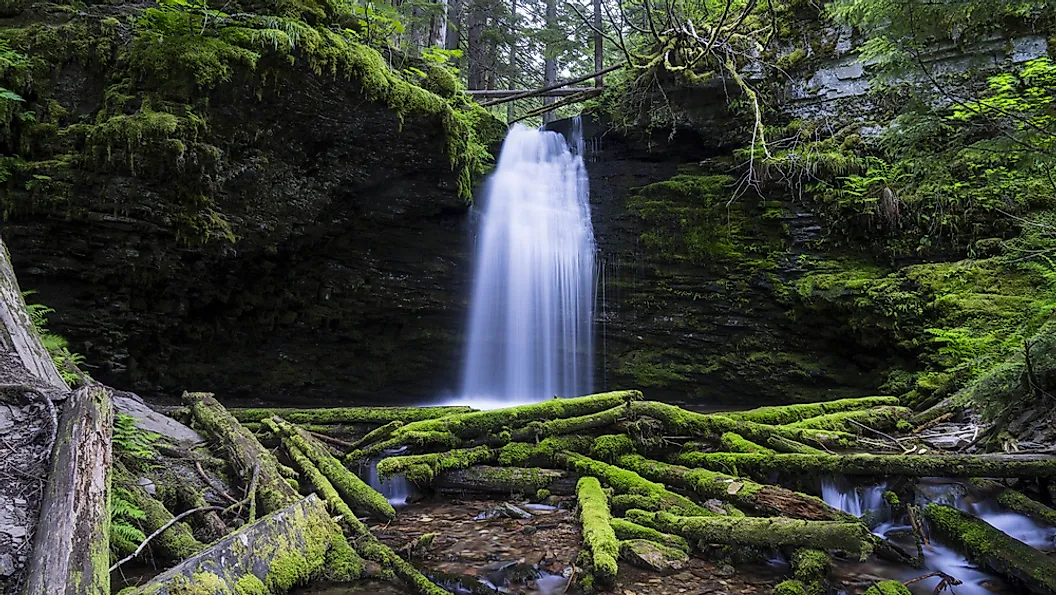
The Idaho Panhandle National Forests also played a central role in the history of woodland caribou in the contiguous United States. The Selkirk Mountains of northern Idaho provided habitat for the South Selkirk population, particularly around remote areas near the Canadian border. These caribou relied heavily on lichens growing on mature trees during winter, making the condition and continuity of older forests especially important to their survival.
Federal and state agencies pursued several recovery efforts during the late twentieth century. Between 1987 and 1990, 60 caribou from Canadian populations were introduced into the Idaho portion of the Selkirk ecosystem. Additional relocations followed during the 1990s, temporarily increasing the population. However, habitat fragmentation, human disturbance, and predation continued to threaten the animals. By 2019, the last known members of the South Selkirk population had been removed to Canada. Today, the Idaho Panhandle National Forests retain historically important habitat, but there is no established resident caribou population.
The Future of Caribou in the United States

The future of American caribou depends on protecting the habitats that remaining populations need to survive. In Alaska, managers continue to monitor herd numbers and adjust hunting regulations in response to conservation concerns. In the contiguous United States, recovery efforts face additional challenges because the last resident South Selkirk population disappeared in 2019. The US Fish and Wildlife Service continues to work with Canadian and other partners on southern mountain caribou conservation, although re-establishing a population south of the border remains uncertain. Chugach National Forest offers a present-day connection to these animals, while Kootenai, Colville, and the Idaho Panhandle National Forests demonstrate the importance of protecting suitable habitat before populations disappear.