These 10 Towns In Illinois Were Ranked Among US Favorites In 2026
Some Illinois towns have turned their history into their biggest attraction, giving visitors plenty of reasons to return. Woodstock's historic square earned its place in Hollywood history as a filming location for Groundhog Day. Meanwhile, Naperville's Riverwalk invites visitors to enjoy a leisurely stroll along the DuPage River. Elgin offers a different glimpse into the past with its historic watch company observatory. Together, these ten Illinois towns offer distinctive landmarks and local traditions that make them favorites in 2026.
Galena

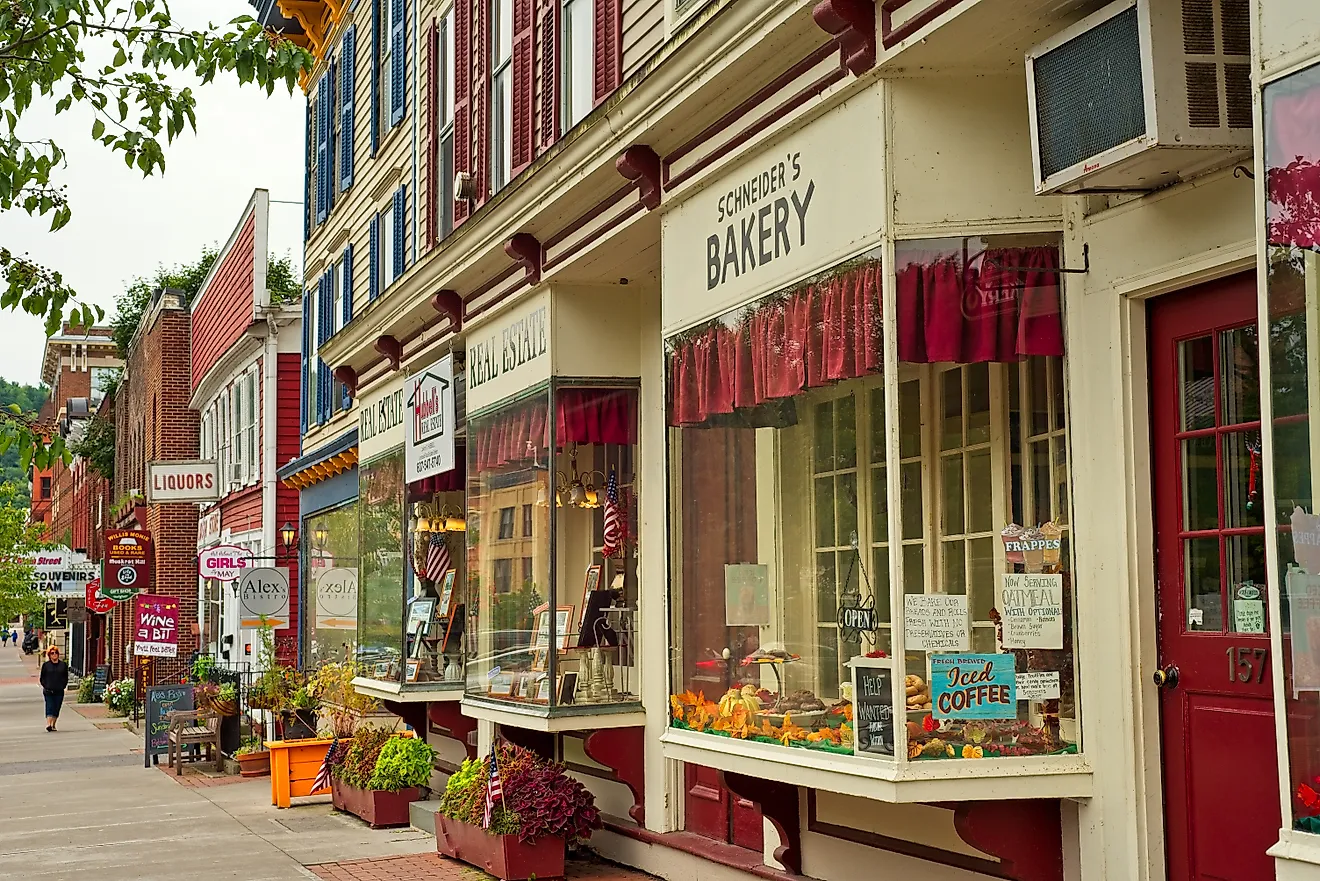
More than 1,000 historic buildings line Galena's Main Street and the bluffs above it. Galena was born of a legacy of a lead-mining and Mississippi River trade boom that stopped early enough for Chicago artists to rediscover the town's Federal-style storefronts in the 1970s. Those artists turned empty buildings into galleries rather than tearing them down, which is part of why so much survives intact. The Ulysses S. Grant Home, an Italianate mansion the town gifted to the general after the Civil War, still holds much of its original furniture. A few blocks away, the Old Market House has anchored Market Square since Galena's lead-boom years. Two trolley services now cover the hilly historic district for visitors who'd rather look up at the architecture than watch the sidewalk.
Oak Park

Frank Lloyd Wright spent twenty years living and working in Oak Park before his more famous commissions elsewhere, and the town still holds the highest concentration of his buildings anywhere in the world. Unity Temple, his first public commission, carries both National Historic Landmark and UNESCO World Heritage status, and dozens of privately owned Wright homes line the surrounding streets. A different kind of landmark sits a few blocks south: the Ernest Hemingway Birthplace, a Queen Anne home built in 1890, was one of the first houses in Oak Park wired for electricity, and a dedicated museum nearby covers the rest of his life. The Oak Park Conservatory rounds things out with free, year-round access to its indoor botanical gardens. Oak Park is a corner of culture with plenty to do and see, making it an easy favorite for a growing area.
Woodstock

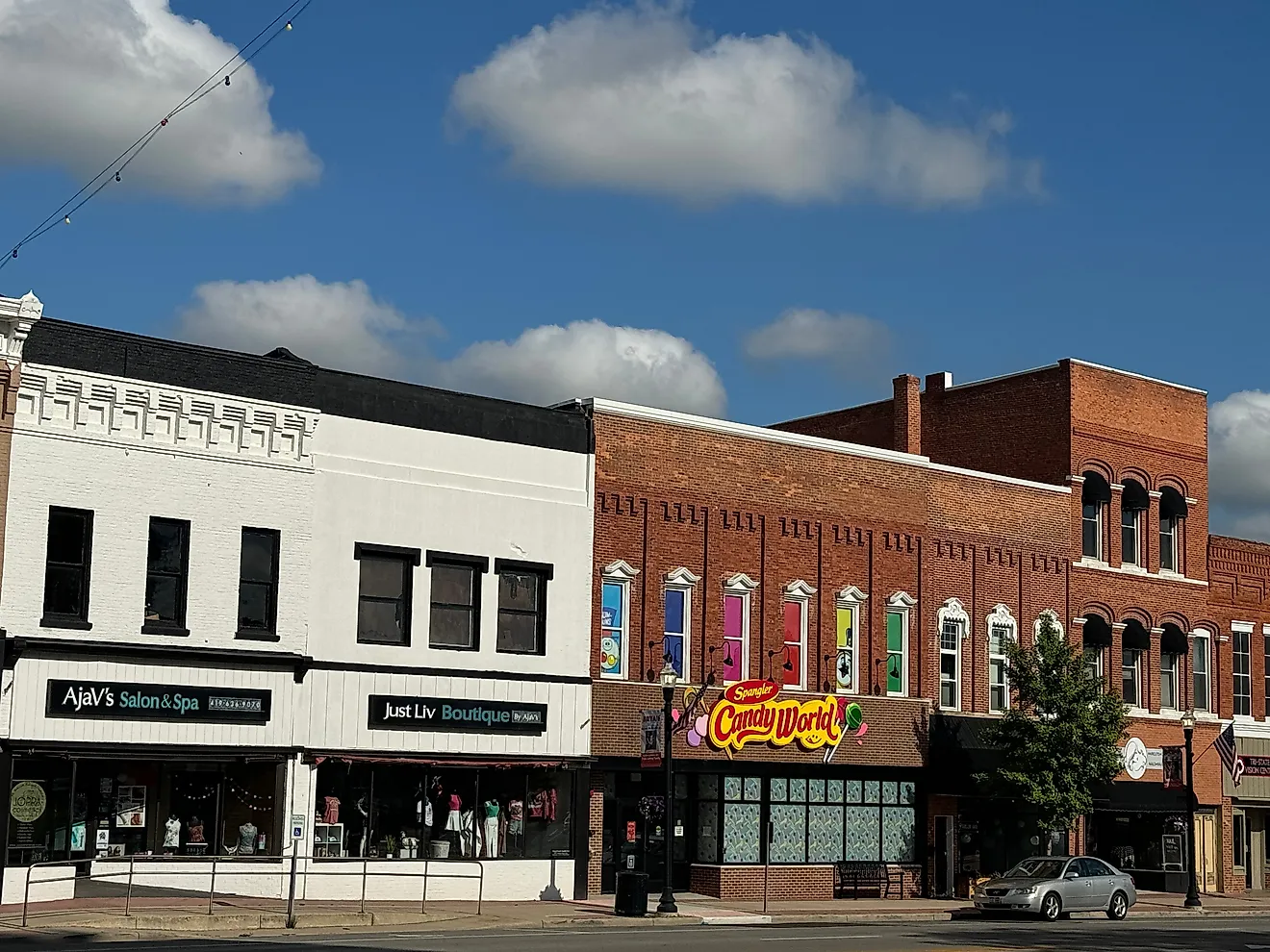
Harold Ramis chose Woodstock's town square to stand in for Punxsutawney, Pennsylvania, in Groundhog Day, and the town has built an entire February tradition around that. The square's older claim to fame gets less attention. The Woodstock Opera House opened in 1889 as a combined city hall, library, and firehouse, and it now ranks among the oldest continuously operating theaters in the country, with a teenage Orson Welles among the performers who got their start on its stage. Next door, the 1857 Old McHenry County Courthouse stands as the square, bandstand included, that sits entirely within the National Register. Woodstock is a perfect place for a quiet weekend in Illinois.
Geneva

The Fox River splits Geneva into two distinct halves. On the west bank, Third Street carries a dense run of preserved 19th-century storefronts in the Fox Valley, most of them built from local limestone. Swedish immigrants shaped much of the town's late-1800s, and that still shows up in local bakeries and gets a dedicated celebration each summer at Swedish Days. The festival has run continuously since 1949. The Fox River Trail threads more than 30 miles through Kane County from this point, which means you can meander your way down for the day. Geneva has plenty to do and see with the Fabyan Villa Museum and its Japanese Garden. Geneva gives visitors heading north of downtown a reason to keep walking past Third Street.
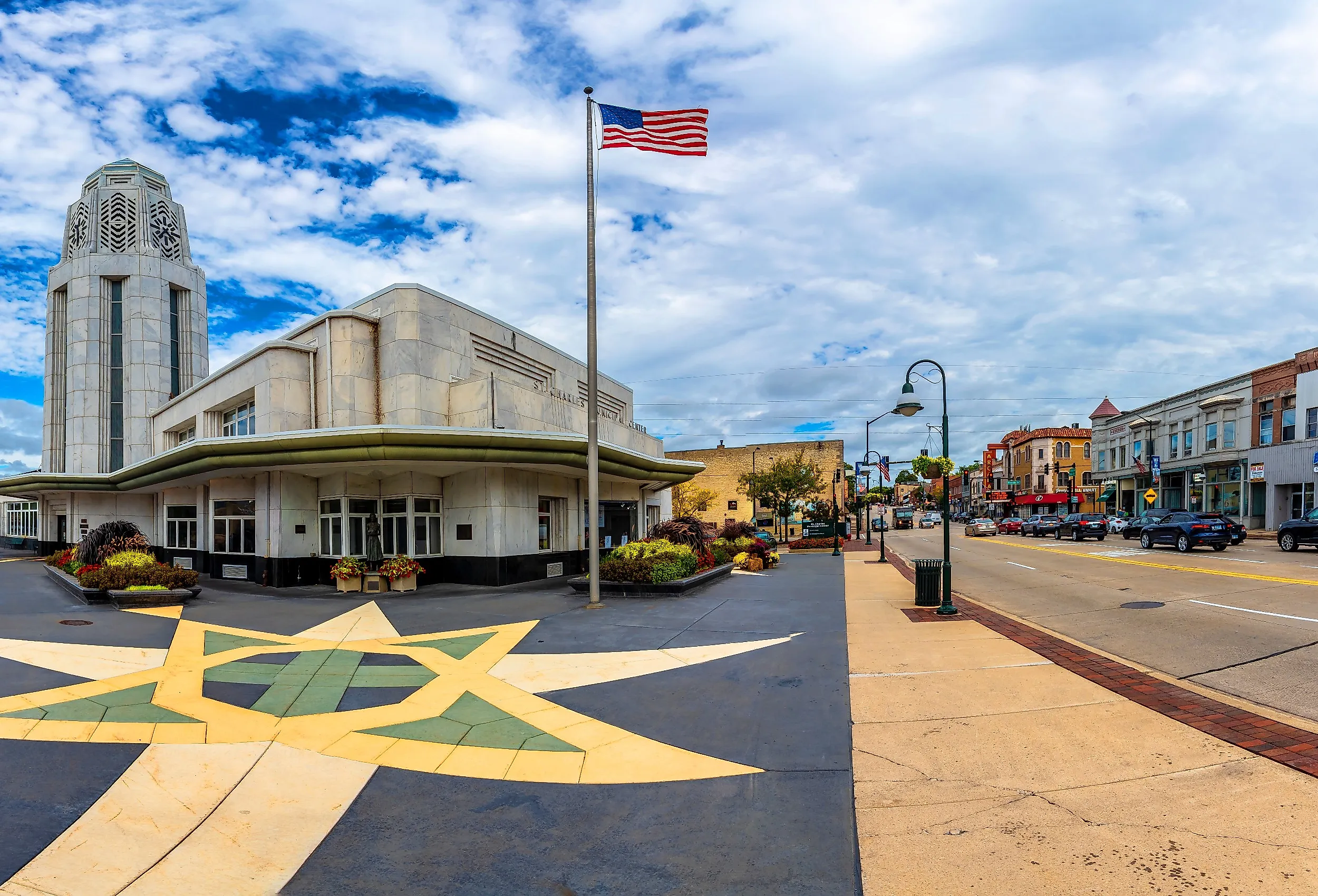
St. Charles

St. Charles has had a National Register landmark that dates back to 1928. Hotel Baker holds downtown St. Charles from its spot on the Fox River, with its rose garden and riverside dining intact. Across Main Street, the 1926 Arcada Theatre rounds out a section of town where a century-old building sits beside a working piece of river tourism rather than a replica of one. The festival calendar runs heaviest in summer, when Blues & Brews on the Fox fills downtown with live music and local breweries. St. Charles fills up again each fall, when the jazz weekend spreads more than 50 shows across cafes and the historic theater on both banks of the river.
Naperville

Naperville built its Riverwalk in 1981 for the city's 150th anniversary. The almost two miles of brick paths and covered bridges along the DuPage River get much of the credit for turning Naperville's struggling downtown into one of the busier Chicago suburbs. Centennial Beach is a converted stone quarry that sits along the path for a swimming destination most visitors don't expect from a Midwestern suburb. History runs underfoot here too: a series of murals called "Streaming History" traces the city's 1831 founding by Joseph Naper, and the nearby Naper Settlement expands on that story across 13 acres of outdoor exhibits. A 2031 master plan is already in motion to expand the Riverwalk ahead of its 50th anniversary. Naperville is a growing area that sits outside of Chicago, giving city visitors something with a little slower pace.
Alton

Alton is built on a limestone bluff where the Mississippi, Missouri, and Illinois Rivers converge. Alton has houses that look out over the water from several stories above street level. The Piasa Bird, a large mural of a dragon-like creature based on Native American rock art, watches over the Great River Road from those same bluffs. History runs deep in Alton; the final Lincoln-Douglas debate took place in Alton in 1858. More than a century later, the Clark Bridge opened in 1994 as a cable-stayed span that gives the historic skyline a sharp modern counterpoint. Downtown's old brick commercial buildings now hold antique shops and galleries rather than the original trade businesses they were built for.
Evanston

Lake Michigan gives Evanston six public beaches, a high number for an Illinois town this size. The Grosse Point Lighthouse at the northern edge opens for public tours with views from the top that make it worth the climb up. Northwestern University was founded here in 1851 and keeps a cultural calendar running through downtown that includes the free Block Museum of Art, which is home to more than 6,000 cultural and art pieces. Two very different landmarks sit within walking distance of each other near campus: the Shakespeare Garden, designed in 1917, and the Frances Willard House, a 19th-century home turned museum. Evanston blends college town with arts and culture, making it a fun area no matter the age.
Quincy

Multiple historic districts in Quincy host a run of architectural styles from Greek Revival through Art Deco, built up during the city's 19th-century run as one of the Mississippi's busiest Illinois ports. On the bluff above the river sits Villa Kathrine, which is a Moorish Revival mansion that a well-traveled local businessman built in 1900. Downtown Quincy features the turrets of the Newcomb-Stillwell Mansion and now houses the Quincy Museum instead of being a private family home. The South Side German Historic District preserves the brickwork and brewing heritage of the immigrants who settled here. Washington Park still runs a weekly farmers market and a summer blues series in the shadow of the 1924 Washington Theater, giving Quincy residents things to do all year round.
Elgin

The Elgin National Watch Company ran the largest watchmaking operation in the world out of a factory on the Fox River for close to a century, producing roughly 60 million watches before the plant closed in 1968. The 1910 observatory was originally built to track the stars for precise timekeeping and still stands, now operating as Elgin's public planetarium. The industrial history of Elgin shows up in the corners of downtown, too. The First Universalist Church, built in 1892, was designed to resemble a pocket watch enclosed in its case and was a direct nod to the business that built the Queen Anne homes surrounding it. Six historic districts cover the city today, and the Fox River Trail runs past the riverfront Grand Victoria Casino into a downtown still built around the water that once powered its factories.
Every town on this list survived an economic shift, river trade, or railroad history by holding onto the buildings that the shift left behind rather than clearing them for something new. Galena's storefronts, Elgin's watch factory observatory, and Quincy's historic districts all exist because a downturn stopped new construction before it could erase what came before it. The towns that got ranked as favorites didn't get there by just being "pleasant" or "quaint". These towns became US favorites by having something specific enough to survive, and the residents to help make it stay.