The US Counties Where Nobody Was Born Last Year
Just about all American counties are estimated to record at least one birth each year, but the latest Census Bureau population estimates identify two exceptions. Harding County, New Mexico, and Kalawao County, Hawaii, were the only county-level jurisdictions estimated to have zero births during the July 1, 2024, to June 30, 2025, estimates year. There were also a handful of other counties across the country with only one or two births in the same period. Although they have little else in common, these counties illustrate how unusually small and aging populations can produce striking demographic results.
Harding County, New Mexico

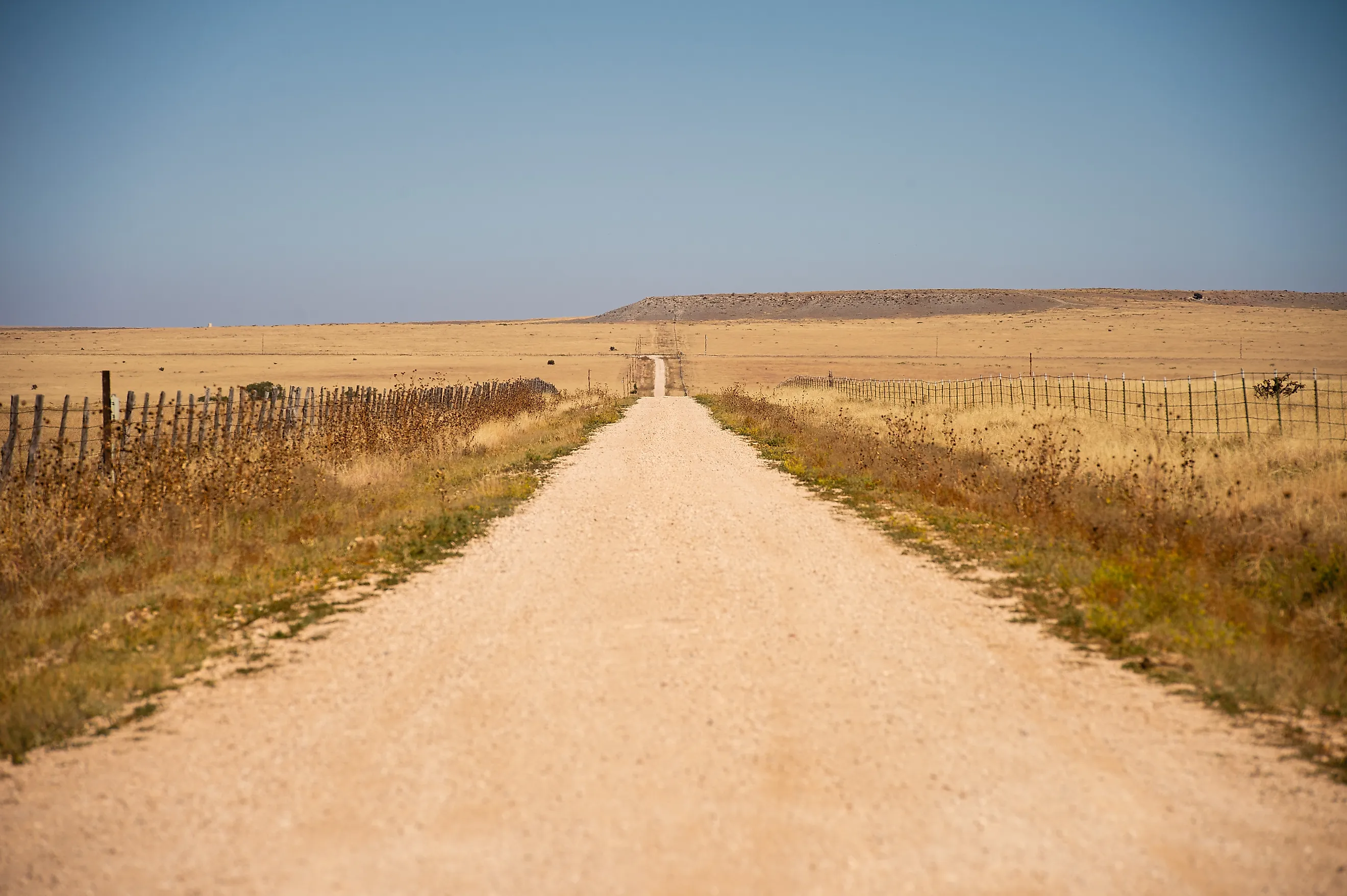
Harding County's zero-birth estimate comes amid a very small and aging population. The Census Bureau estimated that 617 people lived in the county in July 2025, compared with 657 counted in the 2020 Census. Spread across roughly 2,125 square miles, the county is among the most sparsely populated places in the country. On top of that, about 39.9% of its residents are 65 or older, more than twice the national share of 18.9%.

Harding County also has relatively modest household incomes and a strong agricultural base. Census Bureau data place its median household income at $48,553 based on the 2020-2024 American Community Survey five-year estimates, compared with $80,734 nationally. Agriculture remains important in the county, particularly cattle ranching. About 14.3% of residents under age 65 lack health insurance, compared with 9.6% nationwide. These figures provide useful context for the county's small population, although they do not by themselves explain why the Census Bureau estimated zero births during the latest period.
Kalawao County, Hawaii

Kalawao County's circumstances are very different and stem from its unusual history. In 1866, the Kingdom of Hawaii began sending people with Hansen's disease, historically called leprosy, to the remote Kalaupapa Peninsula on the island of Molokaʻi under a policy of compulsory isolation. About 8,000 people were exiled there between 1866 and 1969, when Hawaii ended its policy of isolation following advances in treatment.
The Census Bureau estimated Kalawao County's population at 82 in July 2025. Only a small number of people on the Kalaupapa patient registry still reside there full-time. Other residents and workers include government personnel and people authorized to support local services and the Kalaupapa National Historical Park. Unlike Hawaii's other counties, Kalawao is under the jurisdiction of the state Department of Health and does not operate a conventional county government.

Access to Kalawao County remains highly restricted, and ordinary residential development is not permitted as it is elsewhere in Hawaii. The county still receives essential services, including law enforcement and emergency support, through state, federal, and Maui County arrangements. About 53.7% of residents are 65 or older, which helps explain why births are exceptionally rare.
Kalawao County's long-term future is also now set by state law. In June 2026, Hawaii enacted legislation providing that one year after the death of the last remaining Kalaupapa Registry patient, the state Department of Health's jurisdiction will end and Kalawao County will cease to exist as a separate county, with the area becoming part of Maui County.
The Counties That Came Closest

Two Texas counties were estimated to have just one birth each during the same year of the Census estimates. Loving County, near the New Mexico border in West Texas, had an estimated population of 52 in July 2025. About 40.4% of its residents were female. Kent County, southeast of Lubbock, had an estimated population of 674, with about 36.8% of residents age 65 or older.
Issaquena County, Mississippi, and Terrell County, Texas, were each estimated to have two births. Issaquena County had a median household income of $31,429 in the 2020-2024 American Community Survey five-year estimates. Terrell County had an estimated population of 702 in July 2025, and about 31.2% of its residents were age 65 or older. Eight other county-level jurisdictions were estimated to have three births. In all, 20 counties and county equivalents were estimated to have five births or fewer during the July 2024 to June 2025 estimates year. That makes Harding and Kalawao unusual even among the smallest and least-populated jurisdictions in the United States.
Just Two Counties Were Estimated To Have Zero Births
Harding and Kalawao counties reached the same rare demographic result under very different circumstances. Harding is a sparsely populated rural county with a large older population, while Kalawao is a highly restricted community with an exceptional medical and administrative history. According to the Census Bureau's Vintage 2025 population estimates, they were the only US county-level jurisdictions estimated to record zero births during the July 1, 2024, to June 30, 2025, estimates year.



.jpg)