Towns Founded by Shipwreck Survivors
Some towns get their beginnings in the wildest ways. Most of the time, when a town is founded, it is due to people naturally moving to the area for one reason or another. However, the following towns were founded out of necessity by people who were shipwrecked.
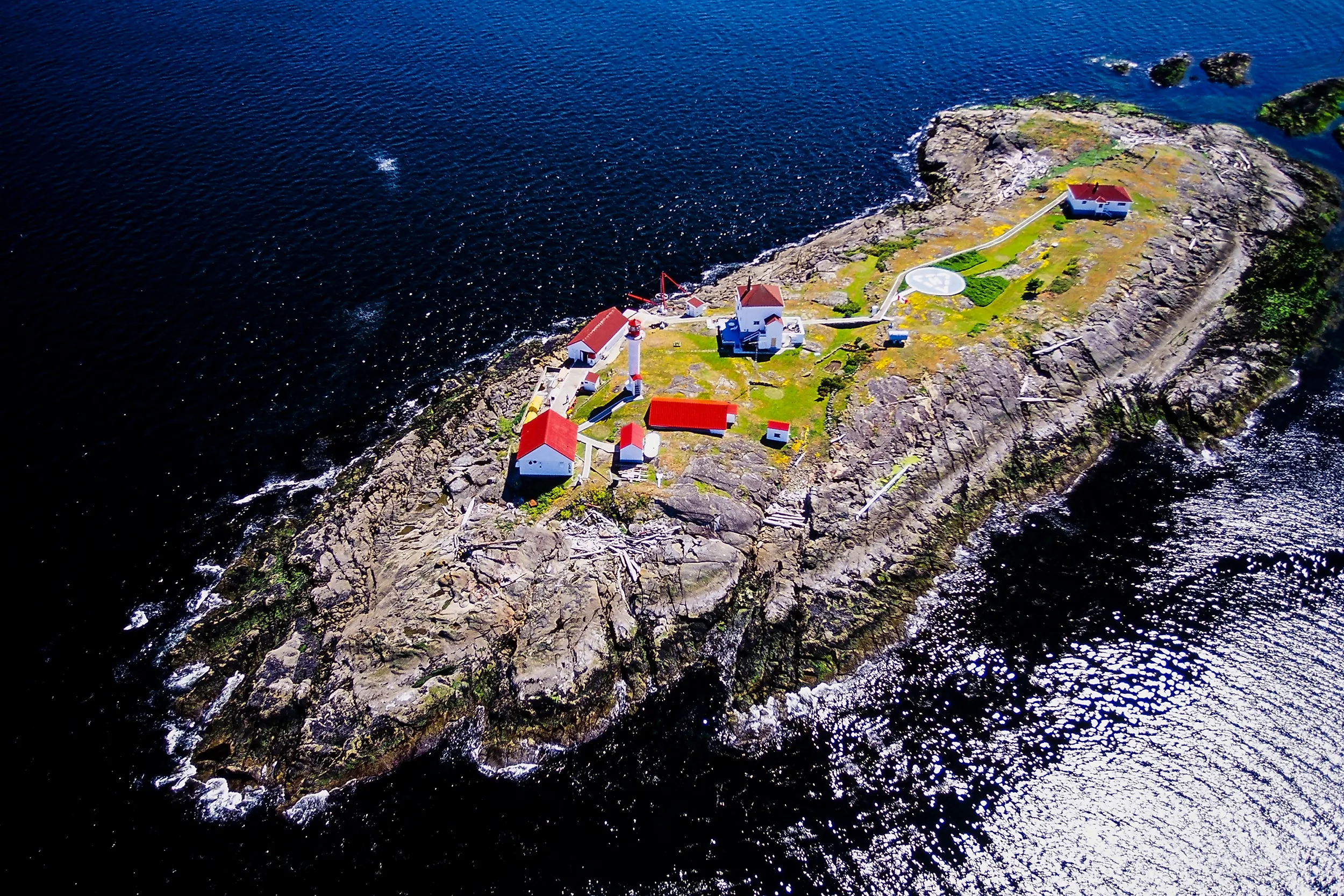
Tromelin Island

A harrowing tale of survival, a town was created on Tromelin Island where shipwreck survivors managed to live there for fifteen years. On July 31, 1761, a ship called the Utile that belonged to the French East India Company was shipwrecked on Tromelin Island, which is located off the coast of Madagascar. Aside from the Frenchmen on the ship, there were also 160 Malagasy slaves as well.
Tromelin Island to this day has no permanent inhabitants, but does have a weather station. The majority of the island is covered in sand and scrub plants, making it a difficult place to survive.
During the shipwreck, many lives were lost, leaving only about 60 to 80 surviving slaves. The surviving Frenchmen constructed a raft and sailed to Madagascar after promising the slaves that they would return for them. It took fifteen years for these people to be rescued, with only seven of the initial shipwreck survivors alive along with one baby.
These survivors were able to live as long as they had by creating small tools from the shipwreck and building small shelters by digging rooms into the ground and then fortifying them with rocks. To sustain themselves, the survivors ate crabs and turtles.
While tragic, the people who survived the wreck created a home that lasted fifteen years, and some of the settlement can still be seen today.
Wash Woods

Wash Woods is a town that feels like it comes right out of an eerie horror story. Located in False Cape State Park, Virginia, Wash Woods is abandoned, but it is rumored that it was founded by survivors of a shipwreck.
Wash Woods has been abandoned for almost a century. It should come as no surprise that this area has a town founded by survivors of a shipwreck, considering the area is known as the "Graveyard of the Atlantic". This title came about because between 1874 and 1915, there was a total of 185 shipwrecks along the coastline of Virginia Beach.
The town was extremely remote, having no roads and being miles away from any other settlements. It is believed that the houses and church of the town were built with items that they were able to salvage from the shipwreck. As time went on, an early version of the Coast Guard set up a service station in the town, where it soon became home to around 300 people. Unfortunately, after being ravaged by a hurricane, the service station was shut down, and by the 1930s the town was abandoned.
Now, visitors can pay to take guided hikes and explore the town. People can see what is left of the church steeple and the graveyard. Luckily, not all of these towns founded by shipwreck survivors are abandoned.
Magdalen Islands Grosse-Île and Entry Island

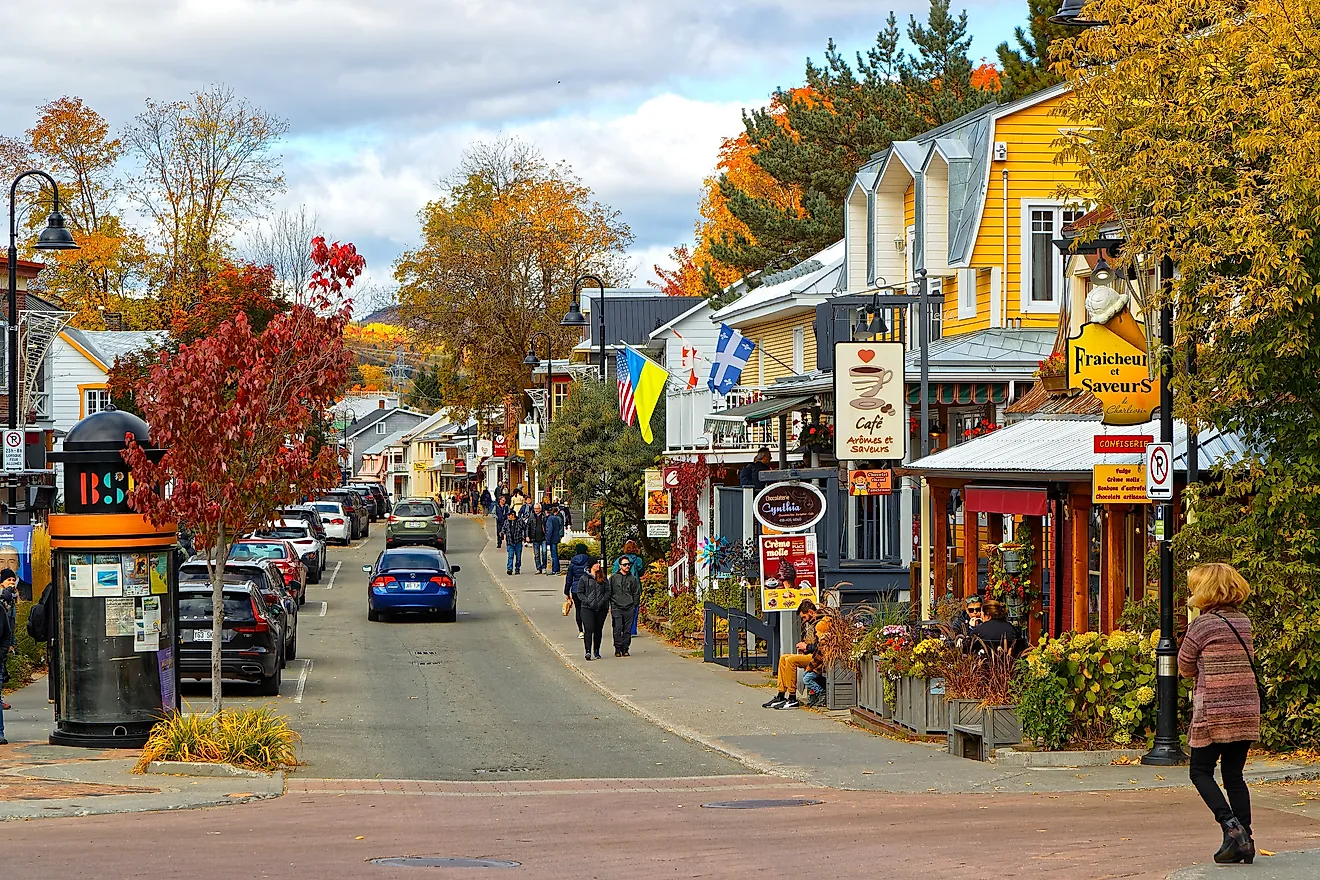
In Canada, the Magdalen Islands are known for their isolation. There have also been around 500 to 1,000 shipwrecks recorded along these islands, where descendants of the shipwrecked survivors live today. Despite Quebec being predominantly French speaking, people in several towns on the Magdalen Islands speak mostly English due to being descended from English speaking shipwreck survivors.
These communities that were settled can be found on Grosse-Île and Entry Island. Some traces of the shipwrecks can also still be seen. In the village of Old Harry on Grosse-Île, there is a church that was built from shipwreck wood. Grosse-Île is also known today for its Scottish roots.
Entry Island is the only inhabited island of the Magdalen Islands not connected to the rest of the archipelago by land. It is also considered to be the cradle of the English speaking community of the Magdalen Islands, with its descendants being from English, Scottish, and Irish settlers.
It is believed that about five percent of the population of the Magdalen Islands are descended from emigrants who were shipwrecked on their way to Quebec City. Despite not making it to their destination, the shipwrecked survivors managed to create a home.
Adamstown
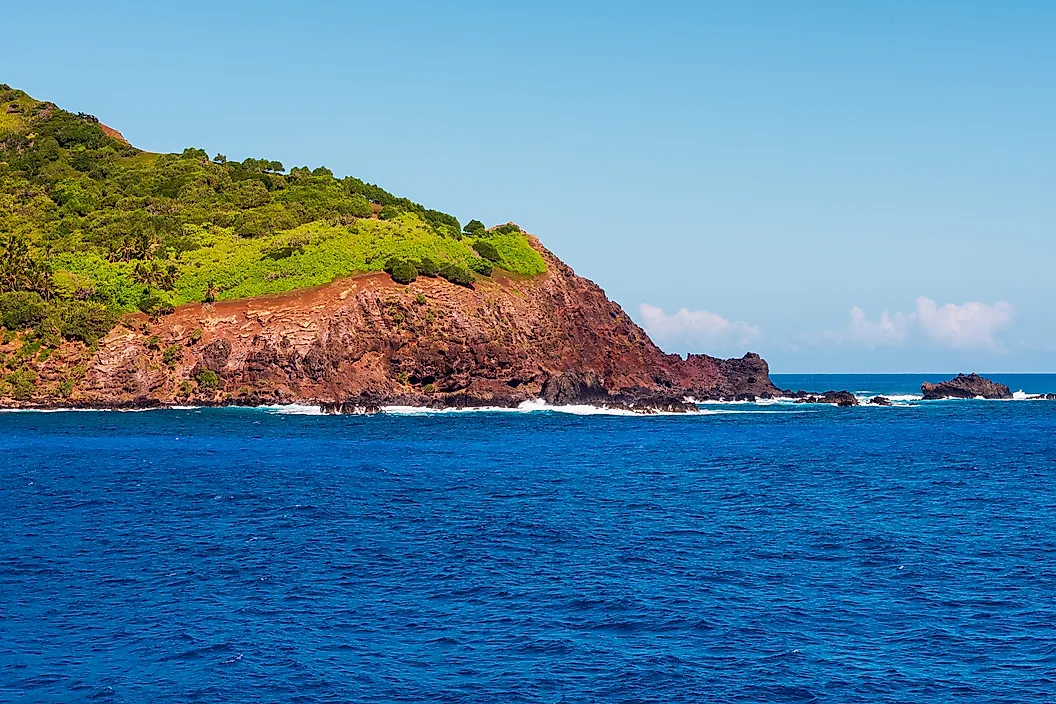
The next town created by people who were shipwrecked came from a ship that was intentionally destroyed. On Pitcairn Island, the Capital is Adamstown. The Pitcairn Islands are considered a British Overseas Territory that is made up of four islands, Pitcairn, Henderson, Ducie, and Oeno. Of these islands, Pitcairn is the only one that is inhabited and is about two miles long and one mile wide.
In April 1789, men on the HMS Bounty mutinied against their Captain, William Bligh. 18 men overthrew the captain and his loyal crew, banishing them to a small boat while taking full control of the HMS Bounty. These mutineers had taken wives and companions from Tahiti and, once on Pitcairn Island, burned the HMS Bounty, essentially stranding themselves. They had burned the ship to try to prevent any chance of discovery from the British.
While the mutineers did create a place to live, they did not thrive. Many disputes happened between the men, and ultimately, only one mutineer survived. This mutineer's name was John Adams, who later was given amnesty for his crimes. Adamstown is named after him. Aside from John Adams, the remaining people on the island were the 34 women and children. The population of the island now is around 50 people, all of whom are descendants of the mutineers of the HMS Bounty.
Making a Home
People are skilled at being able to adapt to their environments during moments of duress. Despite an awful situation, such as a shipwreck, people have been able to overcome these circumstances and even create settlements. Some settlements do not last for long, while others have weathered the test of time. Regardless, people have persevered to find a way of making an unfamiliar land a home.