This Is The Friendliest Small Town in Spain
UNESCO inscribed the Antequera Dolmens Site as a World Heritage property in 2016. The designation covers three megalithic tombs and two natural mountain formations on the edge of town. The site sits at the doorstep of an Andalusian town that also holds a Moorish fortress, Roman baths, and one of the earliest Renaissance churches in Spain. The Real Feria de Agosto has run since 1748 and anchors a year of community gatherings centered on the tapas table. Visitors come for the dolmens and stay for the food.
Welcome To Antequera

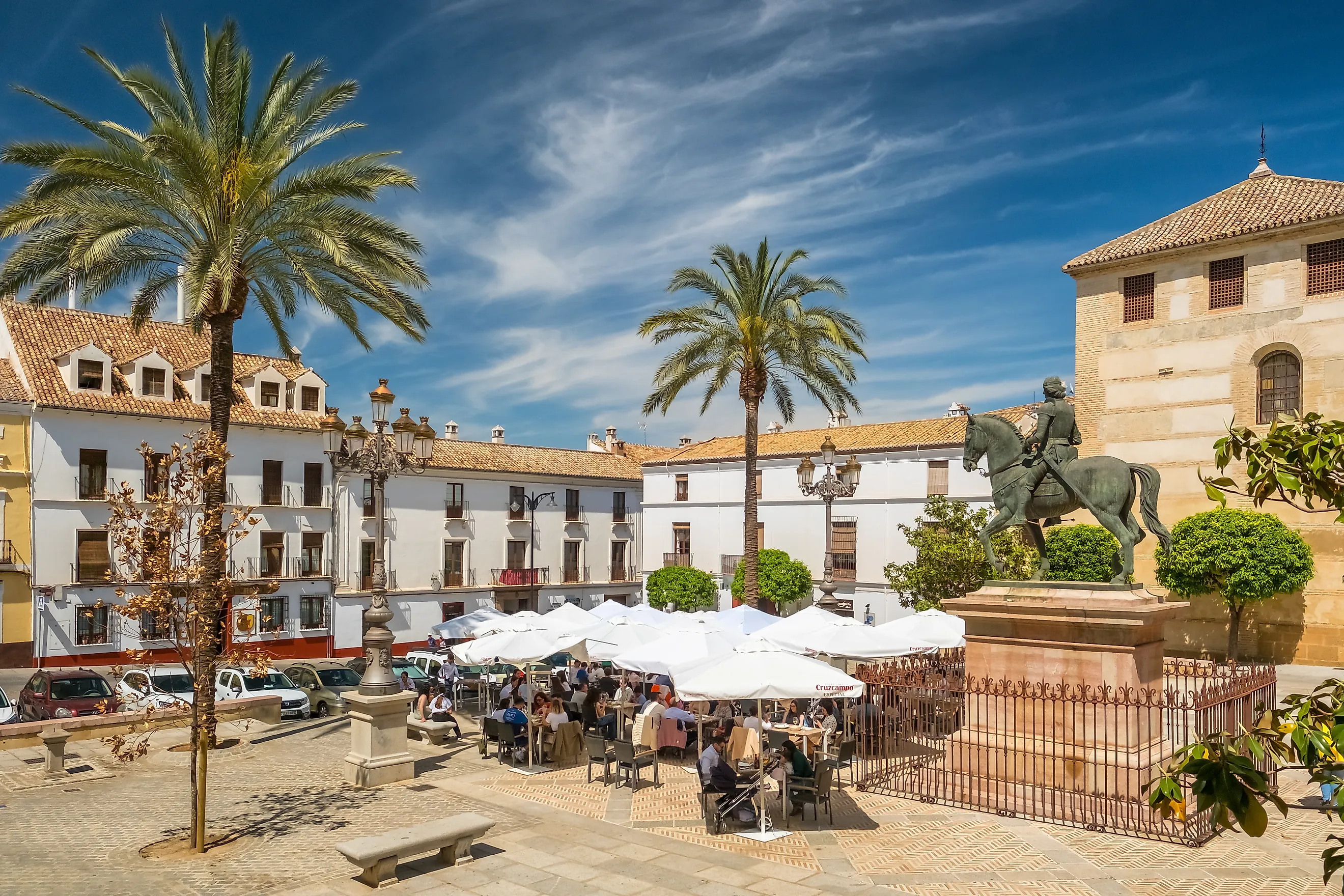
Antequera's hospitality is on full display in its restaurants, tapas bars, and family-run eateries, where long meals and shared plates are central to local life. Dining is a social undertaking, and visitors quickly discover that tapas culture here runs deep. At Mar de Gloria, sharing dishes is part of the experience, with menus featuring fresh seafood, eggplant dishes, and Mediterranean-inspired flavors designed for the table. Abrasador Bodegas Triana is another popular stop, known for its grilled meats and generous tapas plates. Alma de Triana offers a more contemporary take on Andalusian cuisine, with ember-oven cooking and a standout steak tartare drawing both locals and travelers. It is not unusual for visitors to find themselves lingering over meals far longer than planned, a reflection of the town's friendly atmosphere and long-running culture of hospitality.
Antequera's Fairs

The many attractions in and around Antequera give visitors plenty of opportunities to meet locals and experience the town's welcoming atmosphere, but the community spirit is most evident at one of the many fairs and festivals held throughout the year. The Real Feria de Agosto, dating back to 1748, is among the town's most important celebrations and has been declared a Festival of National Tourist Interest. Held at the same time as Málaga's August fair, the event is divided into daytime and nighttime festivities. During the day, locals and visitors gather in the bars and streets of the historic center. The evenings are centered on the fairground with amusement rides, concerts, live entertainment, and traditional bullfights held at Antequera's historic bullring.

Antequera also celebrates Carnival in February with costume competitions, music, parades, and activities for children. Another highlight is AGROGANT, the town's agricultural and livestock fair, which showcases farming machinery, local produce, livestock competitions (including Málaga goat exhibitions), and regional traditions. In July, the town hosts the Antequera Light Fest, a large cultural event built around the UNESCO World Heritage status of the Antequera Dolmens Site. The festival transforms the town with illuminated monuments, projection mapping displays, live performances, and candlelit streets that draw visitors from across the region.
The Dolmens

One of Antequera's most distinctive experiences is visiting the Dolmens of Menga, Viera, and El Romeral on the edge of town. The UNESCO-listed Antequera Dolmens Site also includes two natural landmarks: the karst formations of El Torcal and La Peña de los Enamorados (Lovers' Rock), a limestone mountain whose profile resembles a sleeping face. Dating from the Neolithic and Copper Age, the dolmens were built as collective burial and ritual monuments using enormous stone blocks. The Menga capstone alone weighs roughly 150 tonnes. What makes the site especially unusual is the deliberate relationship between the monuments and the surrounding landscape. The Menga dolmen aligns with La Peña de los Enamorados, while El Romeral faces El Torcal. UNESCO cited this distinctive connection between architecture and nature when it added the area to the World Heritage list on July 15, 2016. Guided tours walk visitors through the prehistoric engineering and explain how Neolithic communities transported and assembled the massive stones using techniques developed long before the invention of metal tools.
The Alcazaba

From the edge of town, visitors can climb to the Alcazaba of Antequera, a Moorish fortress overlooking the town from a hillside. The current fortress largely dates from the 14th century during Nasrid rule and was built on a site with earlier Roman foundations. Before entering, visitors pass through the Arco de los Gigantes (Arch of the Giants), a Renaissance gateway built in 1585 using Roman inscriptions and sculptures from the area's ancient past.

Inside the fortress complex stands the Torre del Homenaje, one of the largest keeps in Andalusia, alongside other notable structures including the Torre Blanca. From the castle grounds, visitors take in panoramic views over the town, La Peña de los Enamorados, El Torcal, and the fertile Plain of Antequera. Just below the fortress is the Real Colegiata de Santa María la Mayor, widely regarded as the earliest Renaissance church built in Andalusia. Constructed between 1514 and 1550, the church incorporates stone taken from nearby Roman settlements including Singilia Barba and blends Renaissance design with late Gothic interior elements.
The Roman Baths

Descending from the Alcazaba, visitors come across the Termas Romanas de Santa María at the foot of the hill. The Roman bath complex was discovered in 1988 and dates back to the 1st century, when Antequera was known by its Roman name, Antikaria. Visitors can still identify the traditional layout of the baths, including the caldarium (hot bath), tepidarium (warm bath), and frigidarium (cold bath). Archaeologists also uncovered fragments of decorative mosaics featuring geometric designs, offering a glimpse into the daily life of the Roman settlement. Like bathhouses across the Roman world, the complex served not only as a place for bathing, but also as a key social gathering space for the local community.
El Torcal de Antequera

When visitors share their experiences with locals, they are often pointed toward El Torcal de Antequera. The karst limestone formations that align with the Antequera Dolmens make up one of Spain's most unusual natural landscapes, filled with towering rock sculptures shaped by millions of years of erosion. The area is protected as the Paraje Natural El Torcal, a designated Natural Area recognized for both its geology and its biodiversity.

Visitors can explore the landscape through marked walking trails. The easiest, the Green Route, is a circular trail of around 1.5 kilometres (about a mile), while the Yellow Route extends to roughly 3 kilometres (2 miles) and offers a broader look at the rock formations. Both routes begin near the Torcal Alto Visitor Centre and upper parking area, and many of the formations can be viewed without undertaking a full hike. For those looking for a longer walk, the route connecting the lower parking area with Torcal Alto climbs gradually through the reserve and passes a number of scenic viewpoints along the way. Although less frequently used by casual visitors, it offers a quieter way to experience the limestone landscape and the surrounding countryside.
Guided tours provide opportunities to explore deeper sections of the reserve, including the well-known Karst Labyrinth and areas containing visible ammonite fossils embedded in the limestone. El Torcal is also archaeologically significant, with sites such as the Cueva del Toro containing prehistoric remains dating from the Neolithic and Copper Age periods.
Discover Hospitality and Community in Antequera
Antequera's appeal lies in its lack of pretension, despite being home to historic sites and attractions that attract international recognition. Locals have created a living museum where shopkeepers tell visitors the history of the buildings and point them toward the best food. Throughout the year, locals and visitors celebrate together when fairs and festivals light up the town's streets. For travelers who want a place that warms up the visit as much as the Andalusian sun warms the streets, Antequera is the place to be in 2026. You may arrive a stranger, but you will leave a friend.