The State Parks Where Rattlesnakes Stay Active Into November
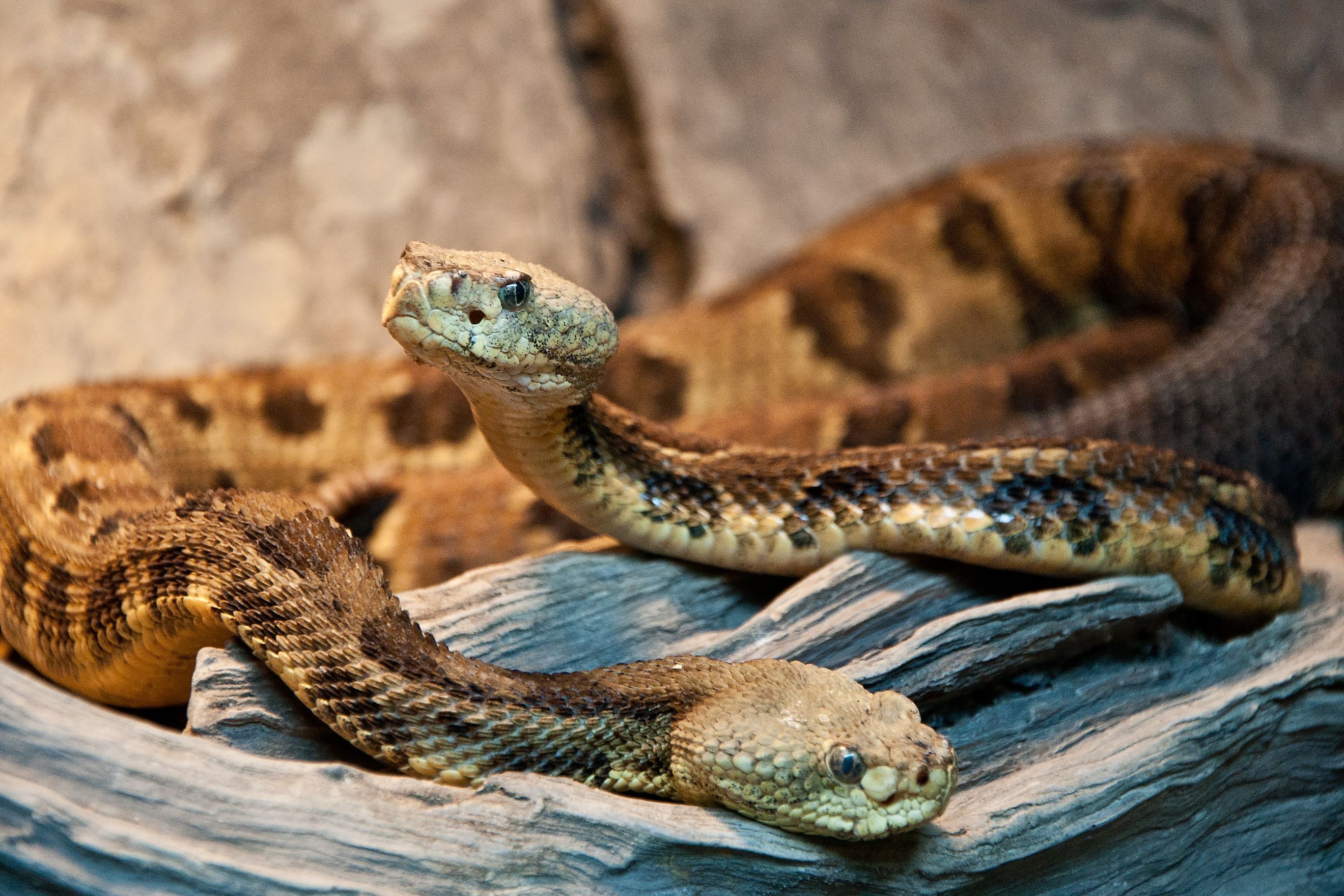
Around Tucson, tiger rattlesnakes go into their dens anywhere from late October to early December, and western diamondbacks go in a little later, on average, according to University of Arizona rattlesnake researcher Matt Goode.
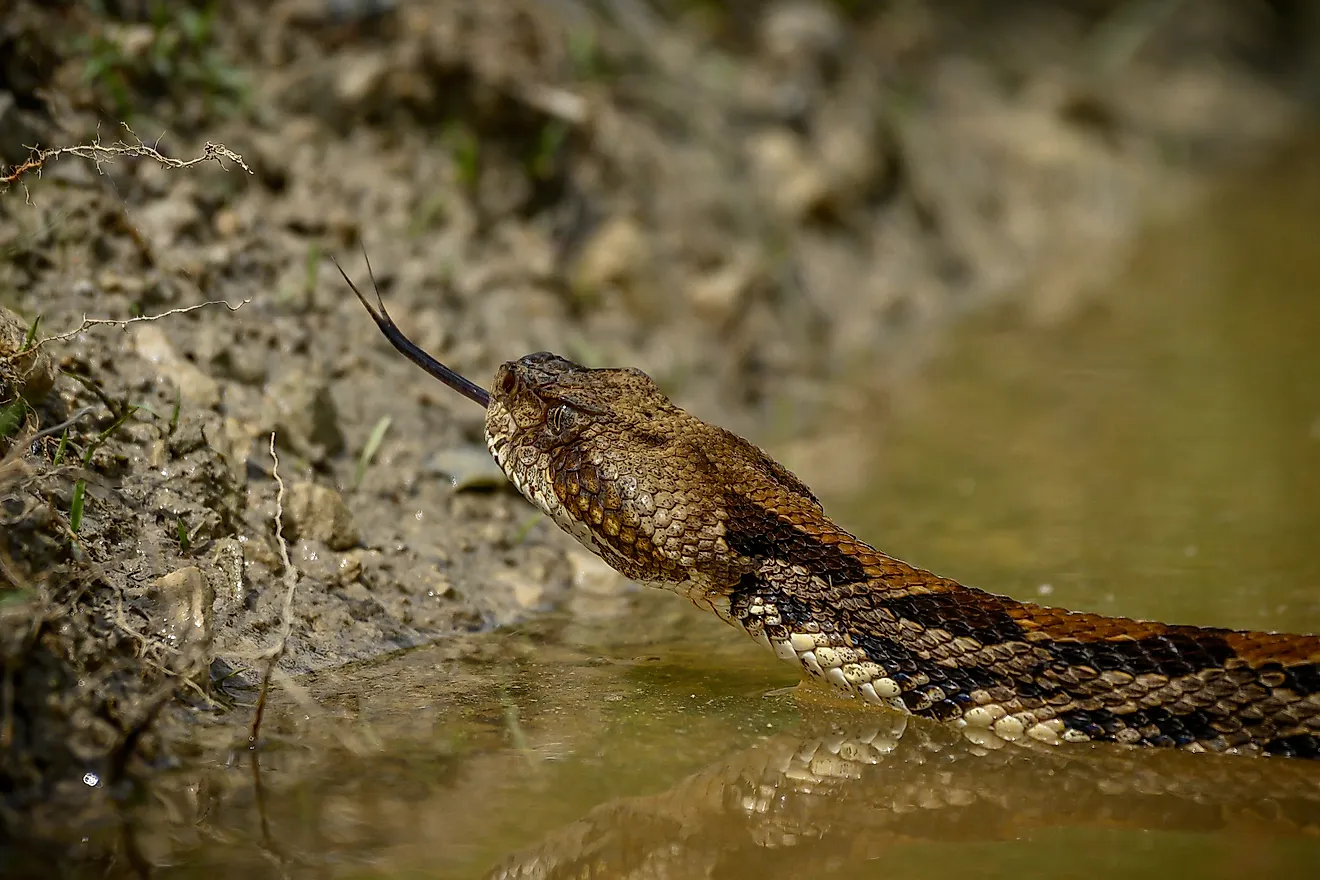
California's wildlife department notes that rattlesnakes adjust their behavior to the temperature around them and often den in rocky crevices where heat is retained, and Goode says one occasionally comes back out to bask on a warm winter day. Along the Rio Grande in West Texas and across Southern California, several state parks still see November afternoons in the 70s, and rattlesnakes live along their trails, in desert canyons and on coastal bluffs.
Big Bend Ranch State Park, Texas

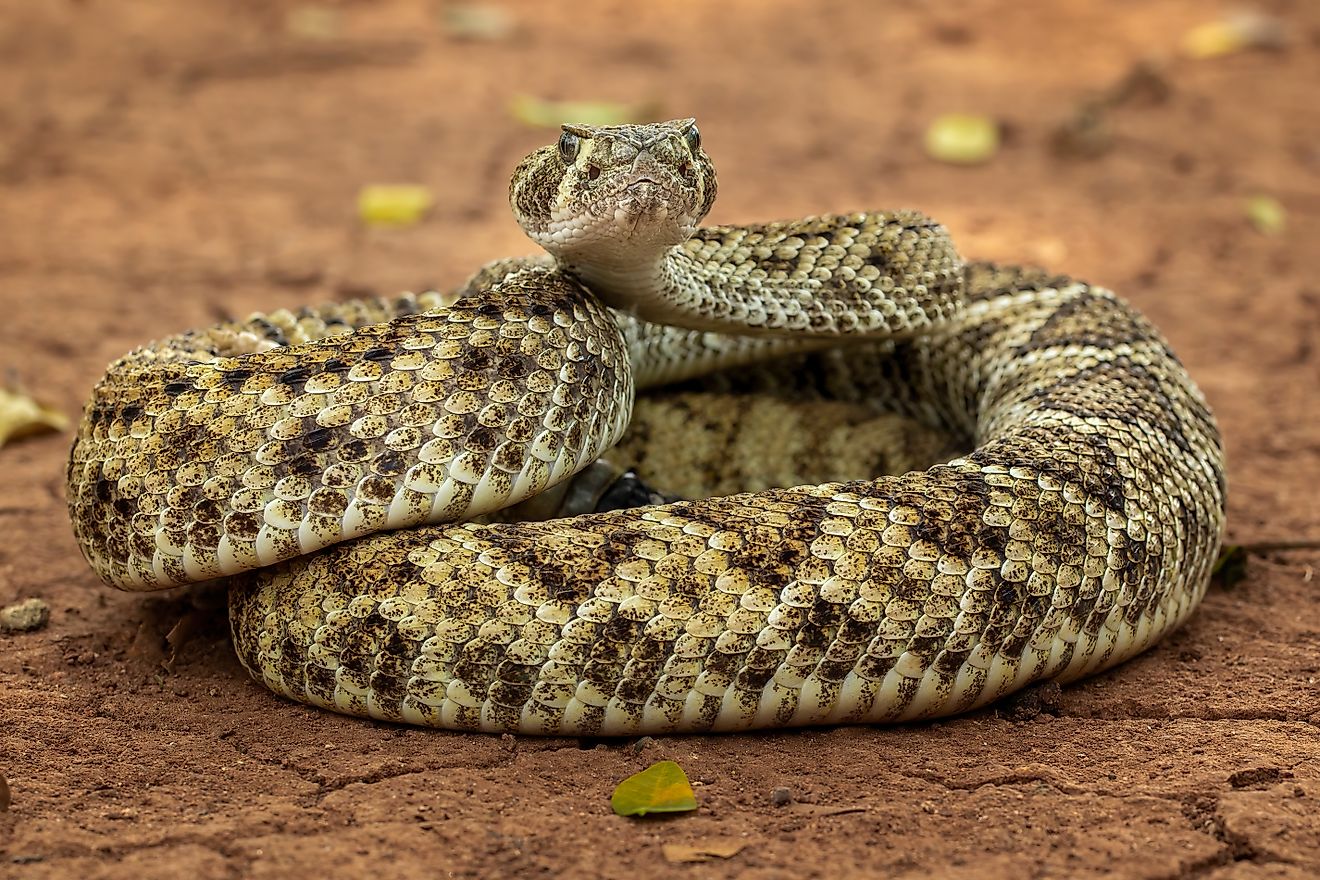
Along the Rio Grande in far West Texas, Big Bend Ranch State Park is the largest state park in Texas, rising from 2,350 feet to more than 5,000. Dry arroyos dominate its desert, with dense woody scrub lining them and the bases of the cliffs. A park brochure says rattlesnakes are especially common at Big Bend Ranch and pictures a western diamondback, one of at least 30 kinds of snakes in the park. The rattlesnakes are protected there, and the brochure's instruction is to do them no harm.
The Closed Canyon Trail heads straight into those cliffs. Over a 1.5-mile round trip, it follows a narrow slot canyon that divides Colorado Mesa, one stretch of the park's 238 miles of trails. Upriver in Presidio, the nearest town, November averages a high of about 77 degrees and a low near 43.
Hueco Tanks State Park and Historic Site, Texas

Farther up the Rio Grande, around El Paso, November nights average about 41 degrees, and Hueco Tanks State Park and Historic Site usually gets its first freeze in the middle of the month. Desert scrub and grasslands of the Chihuahuan Desert surround the park's mountains, and the rock formations and the water they collect create microhabitats for species not normally found in the desert. Five rattlesnakes native to the Trans-Pecos have been spotted there: the blacktail, Mojave, mottled rock, western diamondback, and prairie rattlesnake.
Hikers can explore North Mountain on their own, while West Mountain, East Mountain, and East Spur are open only with a tour guide. The North Mountain Trail begins on the Picnic Area Trail and runs 0.7 mile one way below the mountain's cliffs, an easy walk of about 45 minutes. From it, a side path leads into a hidden shelter called Site 19, which holds prehistoric Jornada Mogollon pictographs. Killing any animal in a Texas state park is against park rules, and Paul Crump, a herpetologist with Texas Parks and Wildlife, advises anyone who finds a snake on a trail to go around it or go the other way.
Anza-Borrego Desert State Park, California

In Southern California, the Borrego Palm Canyon Trail at Anza-Borrego Desert State Park climbs 1.5 miles into its canyon to an oasis, a 3-mile round trip past boulders and stone steps likely laid by the Civilian Conservation Corps. Snakes find shelter in the winding crevices between those boulders, according to the park's trail guide.
On the desert floor, the Borrego Desert Park weather station records an average November high in the upper 70s and an average low of about 53 degrees, 10 degrees milder than Presidio's November nights. Red diamond, southern Pacific, and southwestern speckled rattlesnakes all live in the park, and so does the sidewinder.
The park describes its rattlesnakes as venomous though not aggressive and asks anyone who meets one to leave it be and keep a safe distance. In 2024, the Borrego Sun noted that rattlesnakes can be seen year-round in Southern California, coming into the open to bask in the sun's warmth.
Torrey Pines State Natural Reserve, California

Lizards can be seen throughout the year at Torrey Pines State Natural Reserve, on the San Diego coast, because of its mild climate, and the reserve's small population of southern Pacific rattlesnakes may be active even during winter on warm days, according to the Torrey Pines Association. The San Diego Natural History Museum's herpetology atlas lists the red diamond rattlesnake in the reserve as well. A rattlesnake encounter is unlikely, the association says, though visitors should always watch where they are walking. The 0.7-mile Razor Point Trail meanders through coastal sage scrub past sandstone and twisted trees, with the surf about 150 feet below, and the 0.75-mile Beach Trail descends through the upper reserve to the beach, 300 feet down.
Hueco Tanks usually gets its first freeze in mid-November, and the last one holds off until late March. At Torrey Pines, on the San Diego coast, January lows run about 45 degrees, and the reserve's rattlesnakes may still come out on warm days. Goode says a rattlesnake seen out in winter will probably be out on a warmer day and still very close to its den, and that it is usually either a juvenile or a sick snake. Around Tucson, western diamondbacks den on rocky slopes or in small caves that form on the sides of washes. Borrego Palm Canyon has that kind of rock right beside its trail, where snakes take shelter in the winding crevices among the boulders the path passes on its way to the oasis.