9 Wallet-Friendly Small Towns To Retire In Croatia
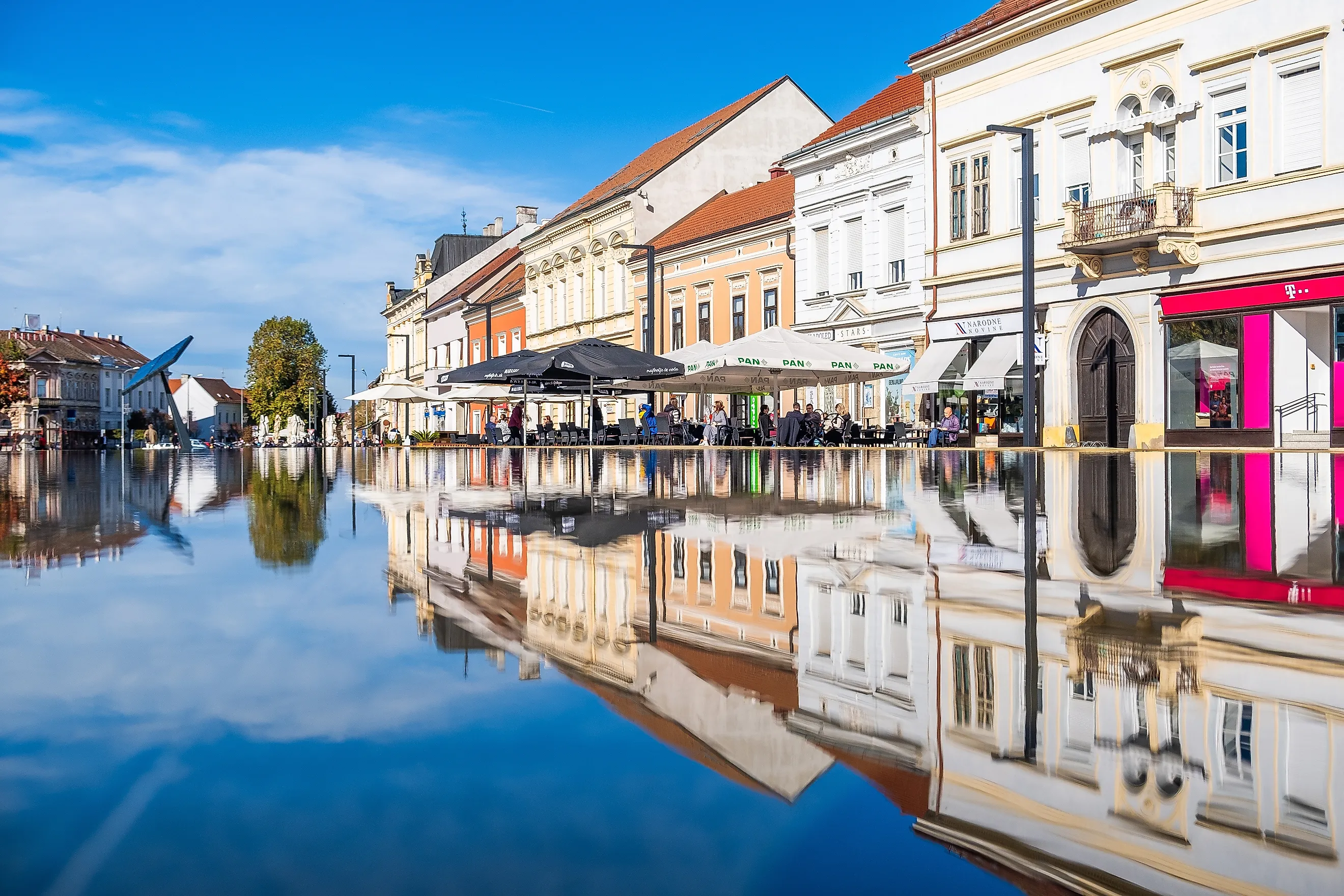
Croatia's best-known retirement destinations often sit along the Adriatic coast, where international demand and tourism have helped push housing prices far above those found in much of the country's interior. Retirees willing to look beyond Dubrovnik, Split, and other coastal hotspots can find a different side of the country in its smaller inland towns. Koprivnica offers retirement rooted in Podravina culture and outdoor recreation, with the Renaissance Festival drawing visitors from across Croatia and cycling routes tracing the Drava River. Vinkovci combines affordable housing in one of the oldest settlements in Europe, while the Bosut River provides walking paths and riverside cafés near the town square. In these towns across northern Croatia and Slavonia, riverfront promenades, wine roads, historic centers, and local festivals remain part of everyday life rather than seasonal attractions.
Northern Croatia
Bjelovar

With average asking prices around €1,320 per square meter, Bjelovar remains one of the more affordable retirement markets in northern Croatia. Founded as a military settlement during the Habsburg era, the town retains a distinctive layout centered on Eugen Kvaternik Square, a large green space surrounded by cafés, government buildings, and churches. The Bjelovar City Museum documents the region's military history and cultural development through archaeological collections, historical artifacts, and local exhibits. Retirees who enjoy spending time outdoors can explore cycling routes that pass through the surrounding Bilogora hills, an area known for vineyards, orchards, and rural villages. Throughout the year, agricultural fairs and local markets bring regional food producers into the town center, making local traditions a visible part of everyday life.
Koprivnica

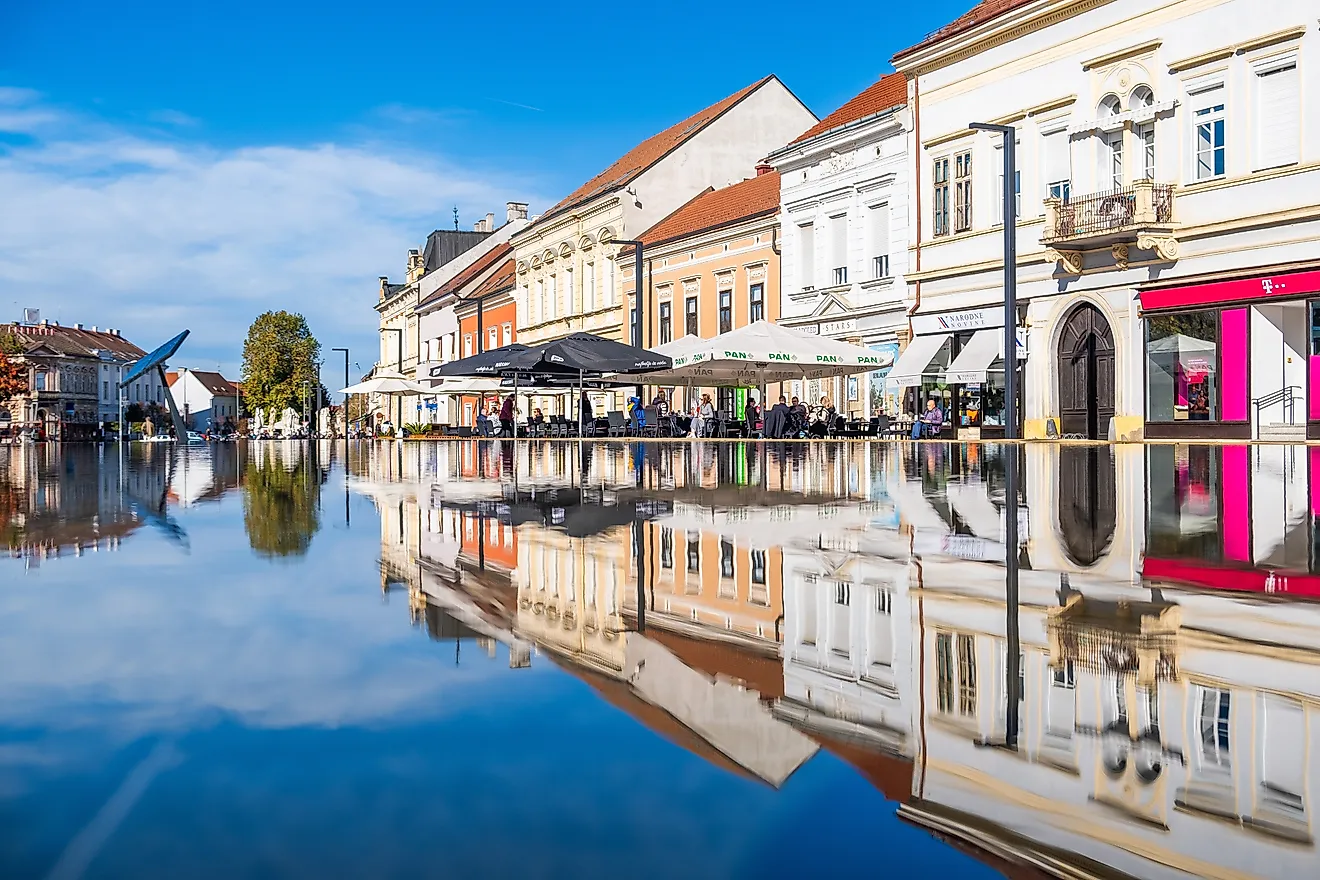
North of Bjelovar, Koprivnica offers a different version of retirement rooted in Podravina culture and outdoor recreation. Although average asking prices sit higher than some Slavonian towns at roughly €1,900 per square meter, they remain below those found in Croatia's premium coastal markets. Koprivnica's best-known event is the Renaissance Festival, one of the largest historical festivals in Croatia. During the event, the area surrounding the town's former fortifications fills with craftspeople, musicians, knights, merchants, and historical reenactors. Outside festival season, Zrinski Square serves as the town's social center, while nearby cycling routes follow the Drava River through farmland and wetlands.
Križevci

Less than an hour southwest of Koprivnica, Križevci combines affordability with one of northern Croatia's most distinctive wine traditions. Average asking prices remain around €1,600 per square meter, making the town considerably less expensive than Croatia's major urban centers. Wine culture is deeply woven into local life. The Križevci-Kalnik-Orehovec Wine Road connects family-owned wineries, vineyards, and tasting rooms throughout the surrounding countryside. Just outside town, Kalnik Mountain offers hiking trails leading to medieval fortress ruins and panoramic viewpoints overlooking northern Croatia. Within the historic center, landmarks such as the Cathedral of the Holy Cross and the Greek Catholic Cathedral of the Holy Trinity reflect the town's diverse religious heritage. Local festivals regularly celebrate wine, food, and regional traditions, giving retirees frequent opportunities to engage with community life.
Slavonia
Požega

Moving east into Slavonia, Požega introduces a landscape of vineyards, rolling hills, and wine country. Average asking prices of roughly €1,360 per square meter place the town among Croatia's more affordable retirement destinations. Požega sits within the historic Golden Valley, one of Croatia's best-known wine-producing regions. Many residents use nearby Kutjevo as a destination for weekend outings. The town's centuries-old wine cellars, some dating to the 13th century, continue to host tastings and local events. North of Požega, Papuk Nature Park contains forested hiking trails, waterfalls, and the Jankovac valley, where a mountain lodge overlooks one of the park's best-known waterfalls. Back in town, Holy Trinity Square serves as the social center, surrounded by historic buildings, cafés, and the Cathedral of St. Teresa of Ávila.
Našice

Našice stands out as one of the most affordable towns on this list, with average asking prices near €1,060 per square meter. The town's defining landmark is Pejačević Castle, an elegant 19th-century residence surrounded by landscaped parkland. Walking paths wind through the grounds past ponds, mature trees, and ornamental gardens that remain popular gathering places for local residents. The castle museum explores the history of the Pejačević family and the life of composer Dora Pejačević, who spent part of her life here. Beyond the center, quiet rural roads lead into the forests of Slavonia, while nearby Lake Lapovac provides opportunities for fishing, walking, and spending time outdoors during the warmer months.
Đakovo

Not far from Našice, Đakovo offers a retirement experience centered on architecture, equestrian traditions, and Slavonian culture. Average asking prices around €1,320 per square meter keep the town accessible for many retirees. The Cathedral Basilica of St. Peter dominates the skyline and is often considered one of Croatia's finest examples of neo-Romanesque architecture. Inside, richly decorated walls and stained-glass windows reflect the ambition of Bishop Josip Juraj Strossmayer, who commissioned the building during the 19th century. Another local highlight is the State Stud Farm Đakovo, where Lipizzan horses have been bred for generations. Visitors can watch riding demonstrations, tour the stables, and learn about one of Europe's oldest equestrian traditions. Every summer, the Đakovački vezovi fills the town with traditional music, costumes, and folklore performances drawn from across Slavonia.
Vinkovci

Vinkovci combines affordability with one of the longest continuous settlement histories in Europe. Average asking prices of approximately €1,680 per square meter remain below many Croatian markets while providing access to a rich cultural landscape. Archaeological discoveries show that people have lived in the Vinkovci area for more than 8,000 years. The City Museum of Vinkovci preserves artifacts from Roman Cibalae (Colonia Aurelia Cibalae), the ancient Roman settlement that occupied the site of modern Vinkovci and was the birthplace of the Roman emperors Valentinian I and Valens. Along the Bosut River, walking paths and riverside cafés create one of the town's most pleasant gathering areas. Each September, the Vinkovci Autumn festival transforms the town into a showcase of Slavonian culture through traditional dress, music, dance, and food. The event attracts participants from across Croatia and neighboring countries, making it one of the region's most important cultural celebrations.
Vukovar

Northeast of Vinkovci, Vukovar shifts the focus from Roman heritage to life along the Danube. Average asking prices around €1,290 per square meter make the town one of the more affordable riverfront communities in Croatia. One of the town's most distinctive attractions is the Vučedol Culture Museum, located on a bluff above the Danube near the site of a prehistoric settlement more than 5,000 years old. Exhibits recreate daily life through reconstructed houses, pottery, tools, and artifacts discovered during archaeological excavations. Back in the center, Eltz Castle houses the Vukovar Municipal Museum inside an 18th-century Baroque complex that was heavily damaged during the Croatian War of Independence and later restored. Many retirees spend evenings along the Danube promenade, where river cruise vessels frequently dock during the tourist season.
Županja

Following the Sava River southwest leads to Županja, which may be the strongest affordability story in the entire article. Average asking prices around €960 per square meter place the town among Croatia's least expensive housing markets. The Sava River forms the backbone of daily life in Županja. A paved riverside promenade stretches along the waterfront and provides a popular route for walking and cycling. The Stjepan Gruber Native Museum occupies a historic building in the center of town and contains exhibits documenting local traditions, archaeology, and the region's role in Croatian history. Visitors interested in rural culture often explore the Road of the Golden Thread, which connects villages known for traditional wooden architecture, folk costumes, and Slavonian cuisine.
Why Croatia's Inland Towns Deserve More Attention
Croatia's retirement appeal extends far beyond the Adriatic coast. Inland towns such as Bjelovar, Požega, Đakovo, and Županja offer lower housing costs, slower daily rhythms, and strong local identities that can be difficult to find in heavily visited destinations. For retirees, the greatest advantage may be the ability to enjoy riverfront walks, local festivals, vineyards, markets, and historic centers. Those experiences give Croatia's smaller inland towns a retirement appeal that deserves far more attention.