Where People Are Moving To On The Pacific Coast In 2026
California's overall population has grown only slowly in the most recent state count, but the statewide number hides a lot of local movement within. The Central Valley, the Sacramento suburbs, and the Inland Empire are still adding thousands of residents a year, mostly due to people leaving pricier coastal metros for more affordable ground inland. Oregon and Washington show a similar split, with Portland and Seattle proper growing slowly, while secondary cities in Central Oregon, Washington County, and the Tri-Cities are welcoming a large share of new arrivals. Housing cost is the theme in nearly every case, as buyers and renters priced out of the Bay Area, Portland, and Puget Sound relocate outside the big cities. The new residents often can keep their old jobs through remote work or simply by tolerating a longer commute. The seven places below, drawn from the most recent state and university population estimates for California, Oregon, and Washington, represent where that shift is landing.
Roseville, California

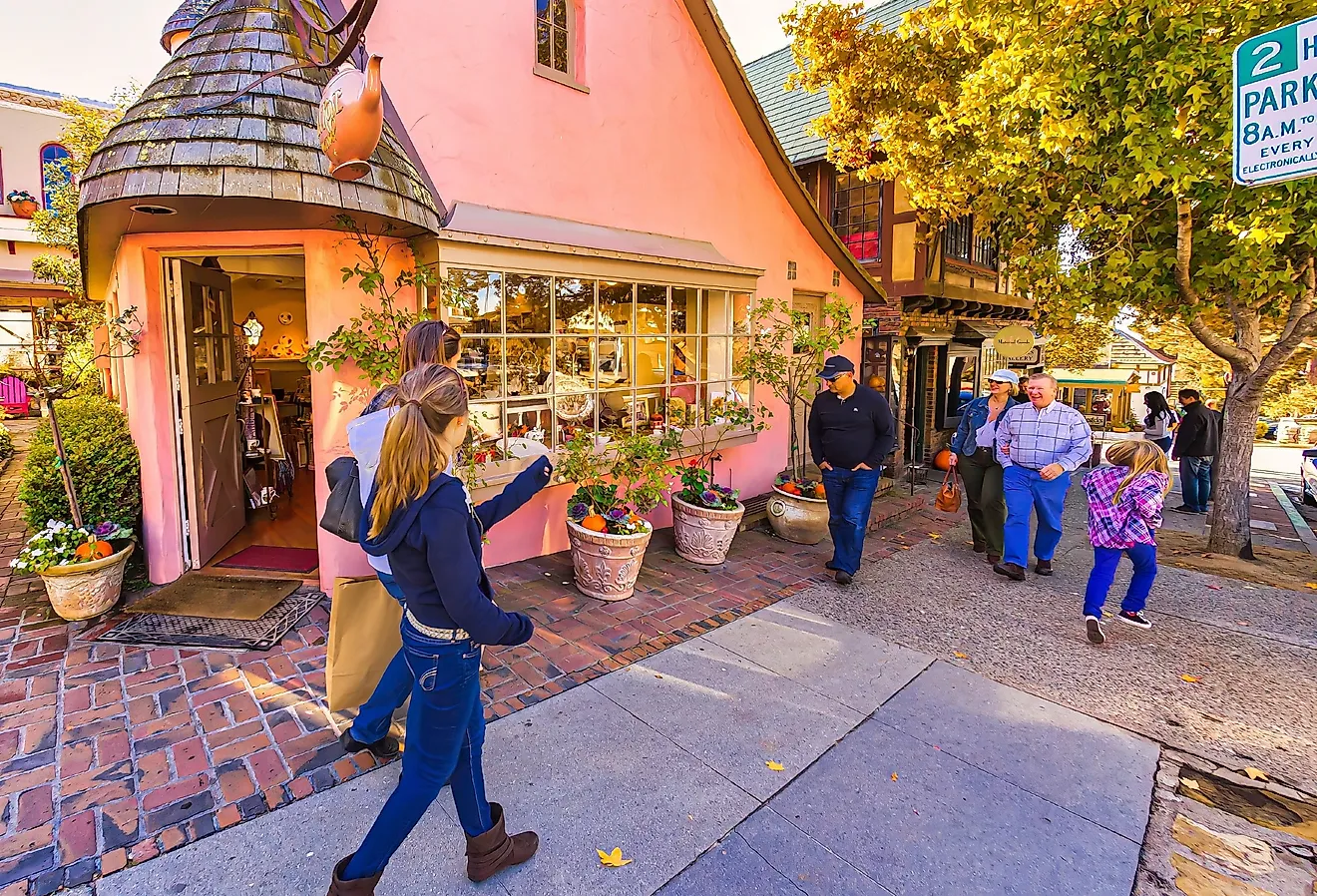
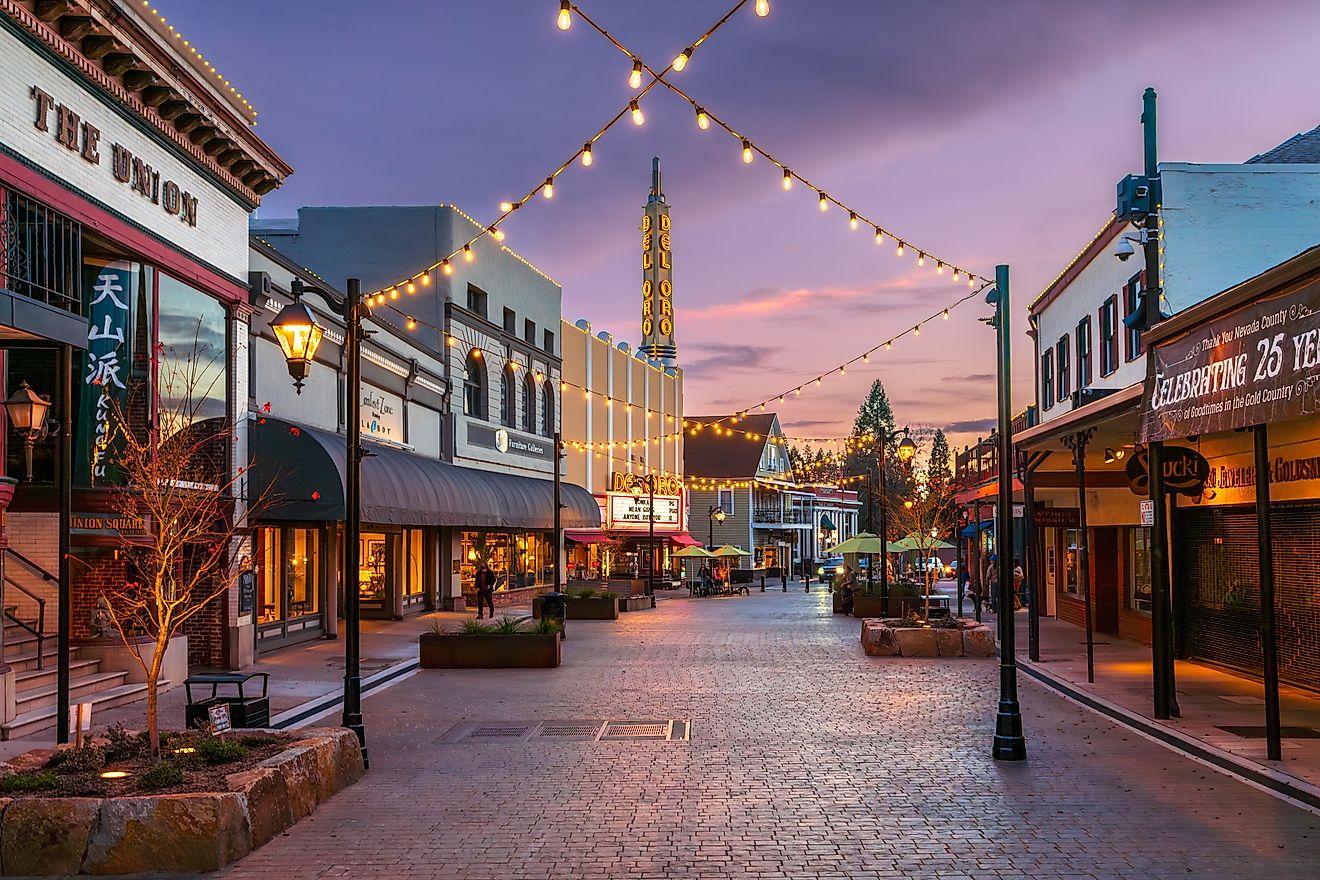
Roseville posted one of the largest numeric population gains of any California city between January 2025 and January 2026, according to the California Department of Finance's annual E-1 report. This Placer County city grew from 161,162 to 165,455, a gain of 4,293 people. Placer County as a whole was the fastest-growing county in California over the same period, up 1.4%. Much of that growth is Sacramento-region spillover as Roseville sits along Interstate 80 and the Capitol Corridor rail line. It is close enough to Sacramento for a daily commute but far enough to offer newer housing stock and lower crime than the Bay Area, which continues to lose residents to inland California. The city's downtown core, revitalized since the late 1980s, now anchors a retail and dining base large enough to draw shoppers from across Placer County, centered on the Westfield Galleria at Roseville and the historic Vernon Street district. The Maidu Museum & Historic Site preserves the area's Nisenan history for a city that, twenty years ago, was a fraction of its current size.
Lathrop, California

Lathrop crossed 40,000 residents for the first time in city history in the Department of Finance's 2026 estimate, reaching 40,942 people, a gain of 2,151 over the year, or roughly 5.6%, making it the fifth-largest numeric gainer of any city in California. The San Joaquin County city has grown more than 500% since its 1989 incorporation. Nearly all of that recent growth traces to a single source, River Islands, a nearly 5,000-acre master-planned community built behind reinforced levees on the San Joaquin River. River Islands Development has reported that a majority of its homebuyers are relocating from the Bay Area, drawn by home prices well below Alameda or Santa Clara County and a direct Altamont Corridor Express rail connection back to Bay Area job centers. Lathrop added 765 new single-family housing units in the past year alone, 94.8% of the city's total housing growth, putting River Islands' town center, ball fields, and waterfront trails at the center of the state's Central Valley housing boom.
Menifee, California

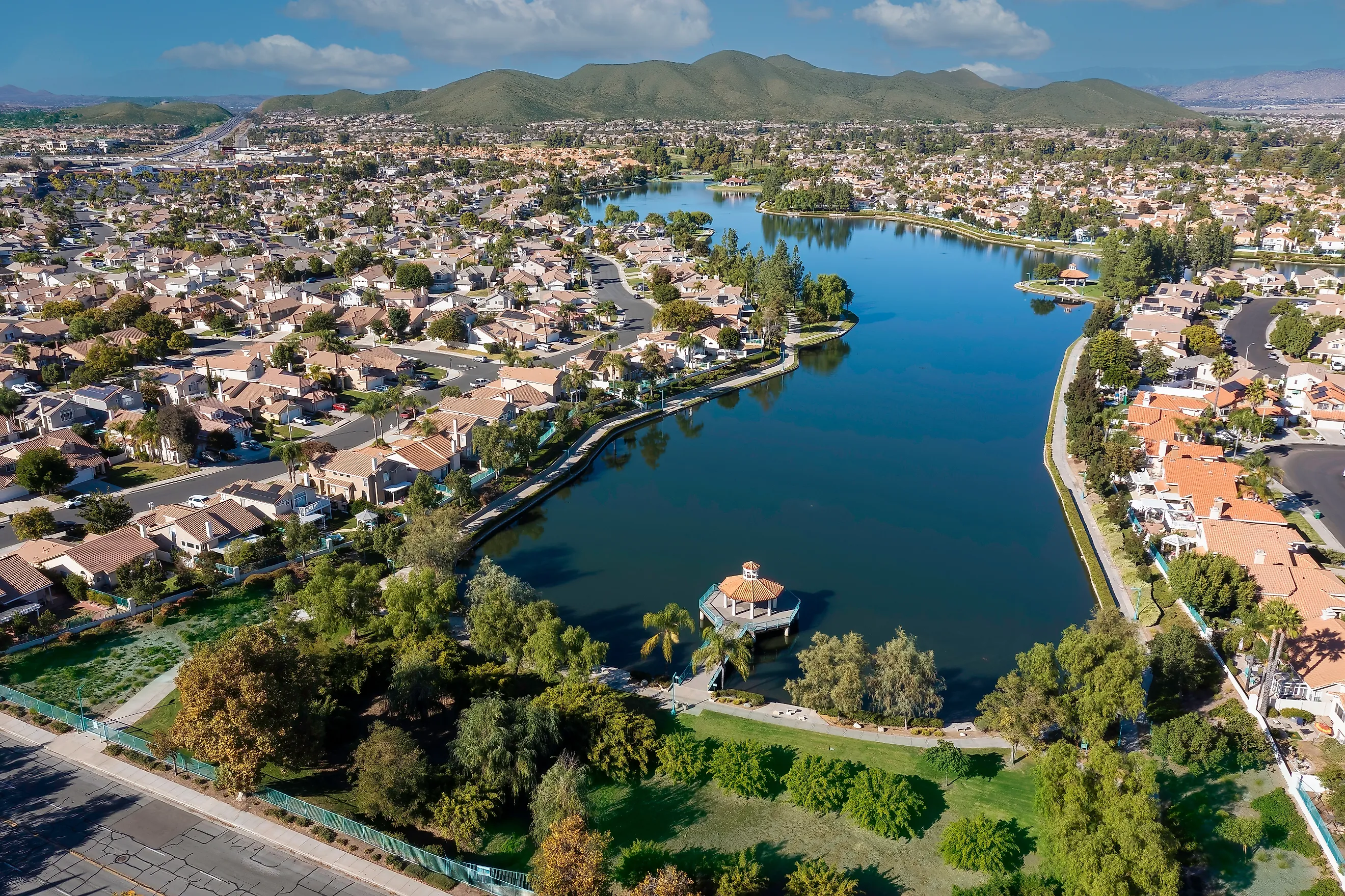
Menifee added 2,034 residents in the 2026 Department of Finance count, reaching 117,847 people, continuing a growth pattern that has made it one of California's most-cited "boomtowns" since its 2008 incorporation. The Riverside County city sits roughly an hour from both Los Angeles and San Diego along Interstate 215. Its draw is straightforwardly economic, as median home prices run well below those of the coastal counties residents are leaving, while commute times to Los Angeles, Orange, and San Diego County job centers remain workable for people willing to drive. The city was formed by merging four older communities (Menifee, Sun City, Romoland, and Quail Valley) and has since invested more than $484 million in roads and infrastructure to keep pace with the influx of young families. New subdivisions continue to fill in along the Newport Road and Scott Road corridors, with the city's growing park system, including Wheatfield Park, built to serve a population that has nearly doubled since 2010.
Bend, Oregon

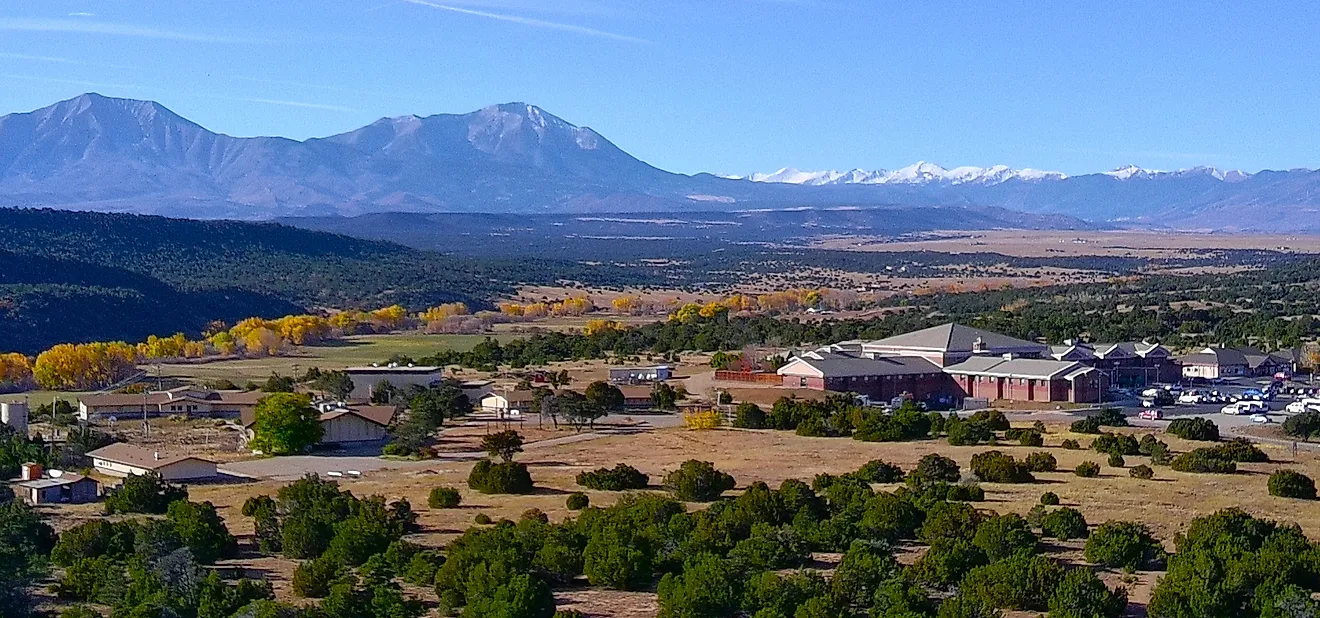
Bend's population reached an estimated 107,079 as of July 2025, according to Portland State University's Population Research Center, up 1,527 residents (1.46%) from the year before. Deschutes County as a whole added 2,764 residents over the same period, more than Portland's home county of Multnomah, making it Oregon's fastest-growing large county even as the pace has cooled from the sharp post-2020 spike. City and county officials attribute the slower but still-steady growth to Bend's continued draw for remote workers and retirees from Portland and California, pulled by outdoor recreation access rather than a single employer. Mt. Bachelor anchors the winter economy, while the Old Mill District, built on a former lumber mill site along the Deschutes River, has become the city's dining and shopping hub, home to breweries including Deschutes Brewery. More than 10,000 people moved into Deschutes County between 2020 and 2024 alone, and local planners are now focused on supplying housing to catch up with that decade of arrivals.
Cornelius, Oregon

Cornelius added roughly 655 residents between 2023 and 2024, a 4.7% increase, according to Oregon Employment Department analysis of Portland State University population data. Among the fastest growth rates in Washington County, Cornelius ranked well ahead of neighboring Hillsboro's 1.0% gain the same year. The city sits in the county's western tech corridor, between Hillsboro's chip and electronics campuses and Forest Grove. Cornelius itself remains one of the more affordable places to live in the Portland metro. In-migration, not births, is now the primary driver of Washington County's population growth as a whole, per Portland State's estimates, and Cornelius's housing stock, smaller, older, and cheaper than Hillsboro's newer developments, has absorbed a steady share of workers priced out of Portland proper. The city's downtown along Tualatin Valley Highway remains modest in scale in contrast to the growth happening around it.
Pasco, Washington

Pasco added an estimated 2,570 residents in the year ending April 1, 2026, the third-largest numeric gain of any city in Washington, behind only Seattle and Tacoma, according to the state Office of Financial Management. Franklin County, where Pasco sits, was the fastest-growing county in the state over the same period, up 2.6%. The growth is part of a broader Tri-Cities expansion. Pasco, Kennewick, and Richland together form southeastern Washington's largest population center. The growth is driven by the region's agriculture, food-processing, and energy-sector job base along the Columbia and Snake Rivers, an economy less exposed to Puget Sound's tech-sector volatility. Sacagawea State Park, at the confluence of the two rivers, anchors the region's outdoor draw, and new subdivisions continue to spread north and west of the historic downtown core as the city absorbs workers priced out of the Seattle metro's tighter housing market.
Port Orchard, Washington

Port Orchard passed the 20,000-resident threshold in the state's April 1, 2026 population estimate, one of only a handful of Washington cities to cross a population milestone that year. Ranked among the state's top ten cities for numeric population gain, the Kitsap County seat sits across Puget Sound from Seattle, and is reachable by a passenger-only foot ferry to Bremerton and onward transit. Its growth reflects a broader Kitsap Peninsula pattern of residents leaving the Seattle-Tacoma core for lower home prices while keeping even indirect access to Puget Sound job centers. Much of the recent housing growth has clustered around McCormick Woods, a golf-anchored master-planned community on the city's west side, while the historic waterfront downtown along Bay Street has added new dining and retail to serve the larger population. Kitsap County's population has grown from 275,611 to roughly 283,000 since the 2020 Census, with Port Orchard and unincorporated South Kitsap absorbing much of that increase.
The Pacific Coast's Growth Is Moving Inland
Across California, Oregon, and Washington, the same pattern repeats at different scales. The big coastal-metro cities of Los Angeles, San Francisco, Portland, and Seattle are growing slowly or shrinking, while secondary cities one or two hours away are enjoying the expansion. Central Valley and Inland Empire cities in California, Central Oregon and the Washington County tech corridor, and Puget Sound's outer edges in Washington are all playing the same role, offering cheaper housing, workable commutes, and enough new construction to keep up with demand. For residents already living in these growth corridors, the practical effect shows up in traffic, school enrollment, and housing prices that are rising faster than in the metros people are leaving. If the pattern holds, the next few years of growth in all three states will keep landing further from the coastline, not closer to it.