9 Best Cities To Retire In Tennessee
Tennessee has become a serious retirement destination in the United States, not because of its marketing appeal, but because the numbers and institutions align. The state has no tax on earned income, and its median home prices remain below the national average, easing long-term budget pressure for retirees. That affordability is paired with outsized infrastructure.
In Nashville, Vanderbilt University Medical Center serves as a top-ranked referral hospital for complex care across the Southeast. Chattanooga pairs a Level I trauma center with over 13 miles of continuous, paved riverwalk used daily by residents. The best cities to retire in Tennessee stand out because they solve healthcare access, mobility, and cost, both on paper and in practice.
Nashville

Nashville qualifies as a top retirement city in Tennessee because it is one of the few midsize U.S. metros where a nationally ranked academic hospital, over 2,000 acres of protected natural land, and fully developed residential neighborhoods coexist inside the city boundary. Healthcare is the city’s strongest asset. Vanderbilt University Medical Center is ranked among the top hospitals in the United States by U.S. News & World Report. It is also the highest-ranked hospital in Tennessee for adult care. This is a regional referral center for complex cardiology, stroke, and neurological cases across multiple states. The Vanderbilt-Ingram Cancer Center holds National Cancer Institute Comprehensive Cancer Center status, a designation awarded to only a select number of institutions nationwide, based on treatment outcomes, research integration, and long-term patient follow-up.
Outside healthcare, Nashville supports accessible outdoor and cultural spaces. Shelby Bottoms Greenway and Nature Center covers 960 acres along the Cumberland River, with more than five miles of paved, level trails and multiple entry points from residential streets. This area is built for routine walking and cycling, not just occasional visits. Cheekwood Estate & Gardens, spanning 55 acres, is structured around short walking loops, frequent seating areas, and indoor galleries, making seasonal visits comfortable and repeatable. Radnor Lake State Natural Area, a 1,368-acre protected basin, features a flat gravel lake loop with strict limits on noise and development, offering a quiet and predictable space for low-impact exercise. Together, these features make Nashville practical, steady, and medically secure for retirement in Tennessee.
Memphis

Memphis functions as the medical and civic center for western Tennessee, northern Mississippi, and eastern Arkansas, giving retirees access to regional-scale institutions without living in a dense or rapidly expanding metro. One of the city’s most practical assets is Crosstown Concourse, a former Sears distribution center repurposed into a mixed-use civic hub. It houses medical services, performance venues, and cafés under one roof, letting retirees combine appointments, events, and social time in a single visit. Daytime lectures, community classes, and film screenings are scheduled regularly and are easily accessible, making it convenient to attend without navigating downtown traffic. Meanwhile, Shelby Farms Park covers roughly 4,500 acres, making it one of the largest urban parks in the country. Its paved loops are long, flat, and clearly marked, with parking and rest areas spaced for sustained use. Many retirees utilize the Greenline section for daily walking or cycling, avoiding repetitive routes and road crossings.
Healthcare is also a deciding factor. Baptist Memorial Hospital-Memphis is the flagship of the largest not-for-profit hospital system in Tennessee and is rated high-performing by U.S. News & World Report in cardiology and heart failure. As a regional referral center, it handles complex adult cases locally, reducing the need for long-distance specialty care, an important consideration for retirement in Memphis.
Knoxville

Retirement in Knoxville has a major link to the offerings of the University of Tennessee’s presence. University of Tennessee Medical Center is the region’s primary academic hospital and the only Level I Trauma Center in East Tennessee. The center is rated as high-performing by U.S. News & World Report in multiple adult procedures and conditions, and its connection to the university supports ongoing clinical research and specialty clinics. The university also shapes everyday enrichment. The UT Gardens, operated by the university, serve as a public teaching garden, featuring paved paths, labeled plant collections, shaded seating, and weekday programming. It’s designed for slow, educational visits rather than tourism.
Cultural access is maintained through the Knoxville Museum of Art, which showcases Southern Appalachian art and hosts rotating exhibitions and daytime talks that encourage repeat attendance. Additionally, Ijams Nature Center, a 300-acre preserve located within city limits, features river-level trails and maintained walking loops that older residents regularly use.
Chattanooga

Many retirees choose Chattanooga for its mountain-adjacent neighborhoods, such as Signal Mountain. Healthcare access is a key factor in maintaining this balance. Erlanger Health System operates the only Level I Trauma Center serving Southeast Tennessee, North Georgia, and parts of Alabama. Erlanger’s Heart and Lung Institute is nationally recognized for advanced cardiovascular procedures, and the system functions as a regional referral center for complex adult cases. For retirees, this means that specialty care, diagnostics, and follow-ups can remain local, rather than requiring trips to Nashville or Atlanta.
A good spot in the area is the Tennessee Riverwalk, a 13-mile paved path with level grades, frequent benches, and multiple access points from residential areas. The path is designed for regular walking and cycling. Alternatively, Reflection Riding Arboretum & Nature Center maintains more than 300 acres of trails and native gardens, just minutes from downtown, providing retirees with a calm, structured space for low-impact walking and seasonal programs. The Hunter Museum of American Art, which sits directly above the Tennessee River, is one of the Southeast’s leading regional art institutions. The museum’s layout is compact and vertically connected by elevators, allowing visitors to move through American art collections without long walking distances. Daytime programming features lectures, curator talks, and quiet weekday hours that attract many local members.
Clarksville

Clarksville appeals to retirees who want a mid-sized Tennessee city where essential services are conveniently located near the Cumberland River corridor. The Cumberland Riverwalk runs through the center of town as a paved, level path linking parking areas, public buildings, and river overlooks. The area is used heavily during weekday mornings by residents who walk the same stretch regularly, supported by benches and wide sightlines rather than steep grades. Within city limits, Dunbar Cave State Park’s surrounding 110 acres include shaded walking paths and a maintained loop that stays manageable for older residents. Ranger-led cave tours follow a fixed schedule and emphasize history and geology over physical difficulty, making repeat visits realistic.
The Customs House Museum & Cultural Center occupies a prominent downtown block and is one of the largest museums of its kind in Tennessee outside Nashville and Memphis. Public programs affiliated with Austin Peay State University provide structure to weekday life through lectures, performances, and continuing education courses open to residents.
Murfreesboro

Murfreesboro, Tennessee’s former state capital, has evolved into Nashville’s largest suburb while maintaining its own distinct civic and historical identity. Stones River National Battlefield preserves over 500 acres, featuring paved walking paths, interpretive signage, and flat terrain. Retirees often use the loop roads and trails for quiet weekday walks. Civic life remains around the Murfreesboro Public Square, where county offices, a library branch, and local businesses cluster tightly. The layout keeps errands short and parking straightforward, and the square hosts daytime events and markets that attract long-term residents regularly.
Education and structured programming flow from Middle Tennessee State University, one of the largest public universities in the state. MTSU offers numerous lectures, performances, and continuing education opportunities to the community, providing retirees with access to academic events that are less intense than those found on a major research campus.
Franklin

Founded in 1799, Franklin serves as the county seat of Williamson County and remains one of the most established residential cities in Middle Tennessee. Williamson Medical Center has gained national recognition for its joint replacement volume and outcomes, and is closely integrated with the Bone and Joint Institute of Tennessee, which is located on the same campus. This allows pre-surgical evaluation, imaging, surgery, physical therapy, and follow-up to happen in a single location, reducing transfers and repeat appointments.
Retirees can often be found at the Franklin Theatre, a restored 1937 movie palace located on Main Street. Programming focuses on seated concerts, classic films, and early-evening performances. Outdoor access stays simple at Harlinsdale Farm, a former horse farm preserved as open public land just north of downtown. The grounds remain mostly flat and open, with gravel paths and wide fields used for regular walking rather than destination hiking. Sightlines are long, noise is minimal, and visits tend to be unstructured and repeatable.
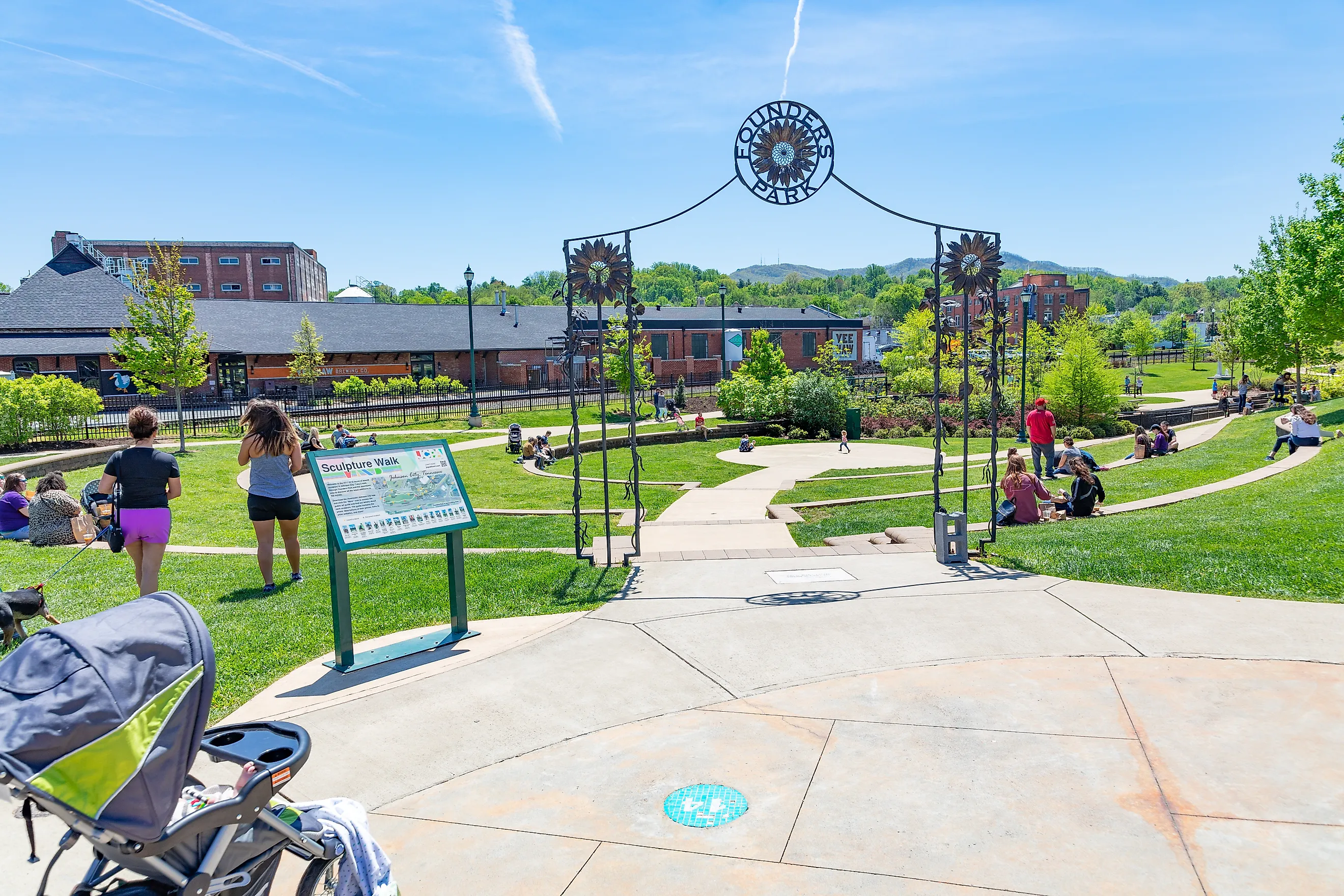
Johnson City

Johnson City supports aging in place by concentrating hospitals, specialty clinics, and university-linked care within a compact city footprint. Johnson City Medical Center, part of Ballad Health, serves as a regional referral hospital for Northeast Tennessee, Southwest Virginia, and parts of North Carolina. It is closely integrated with East Tennessee State University’s Quillen College of Medicine, which brings teaching physicians, specialty clinics, and research-based care directly into the hospital system. This academic connection supports coordinated management of chronic conditions, stroke care, and complex adult cases, keeping treatment local rather than requiring travel to Knoxville or Nashville.
Seniors can stay active at Winged Deer Park, which covers more than 200 acres along Boone Lake, with flat paved walking paths, wide open sightlines, and ample seating. History and education remain accessible through the Tipton-Haynes Historic Site, a preserved 18th-century homestead with guided tours, lectures, and manageable walking distances that encourage repeat visits. Public programming and lectures also flow from East Tennessee State University, which delivers performances and continuing education opportunities to the community.
Jackson

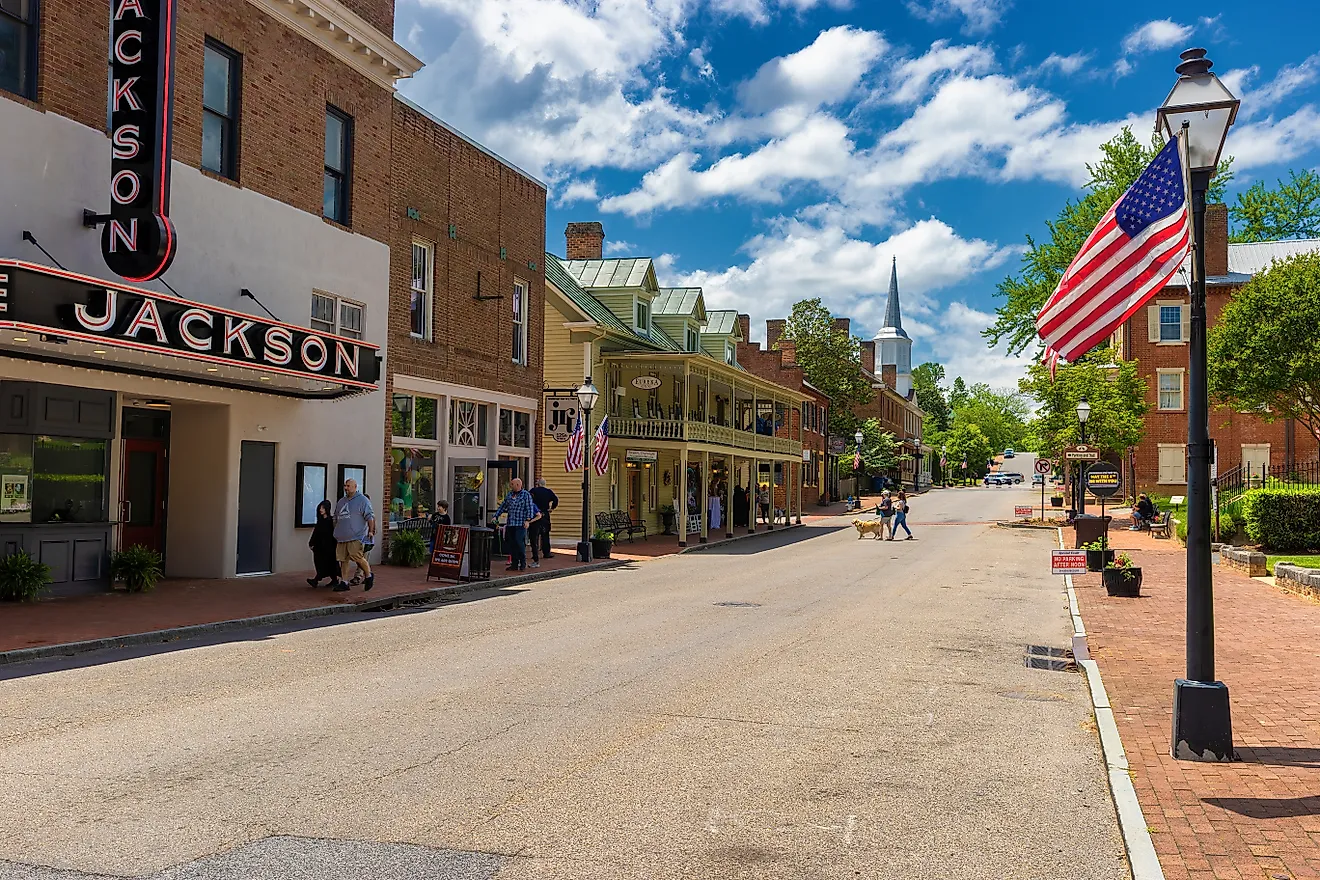
Jackson supports retirement by serving as the medical anchor for West Tennessee, which enables older residents to manage their long-term care locally. West Tennessee Healthcare operates the primary hospital network serving 19 counties across the region. Jackson-Madison County General Hospital serves as the system’s referral center, offering dedicated stroke services, cardiac care units, and oncology programs that are designed to facilitate coordinated treatment and rehabilitation.
Outside of medical care, Jackson’s scale helps keep routines manageable. Casey Jones Village functions as a compact historical campus rather than a single attraction, with paved walkways, shaded seating, and small exhibit buildings that suit short, repeat visits. Simultaneously, Cypress Grove Nature Park covers approximately 165 acres of restored wetlands and forest within Jackson’s city limits. The park is built around short, clearly marked loop trails with boardwalk sections that cross cypress swamps, allowing visitors to walk the full circuit without elevation changes. Benches and observation areas are strategically placed for frequent breaks, and the park’s layout encourages birdwatching and slow-paced walks, rather than continuous movement, making it a practical choice for regular weekday use by older residents. Cultural and educational programming is reinforced by Union University, which enrolls thousands of students and hosts lectures, concerts, and daytime events to the public. This steady flow of structured programming gives retirees intellectual engagement without the intensity of a large university town.
Tennessee has a wider range of retirement options than many people expect in the United States, especially for those who value function over flash. The best cities to retire in Tennessee stand out for specific reasons: regional medical hubs that reduce long-distance care, university-linked programs that keep learning accessible, preserved downtowns that accommodate daily errands, and large managed outdoor spaces designed for regular use. From healthcare-centered cities like Nashville and Johnson City to historically rooted communities such as Franklin and Murfreesboro, each location supports aging in place in its own unique way.