5 Rattlesnake Hotspots In The Prairies
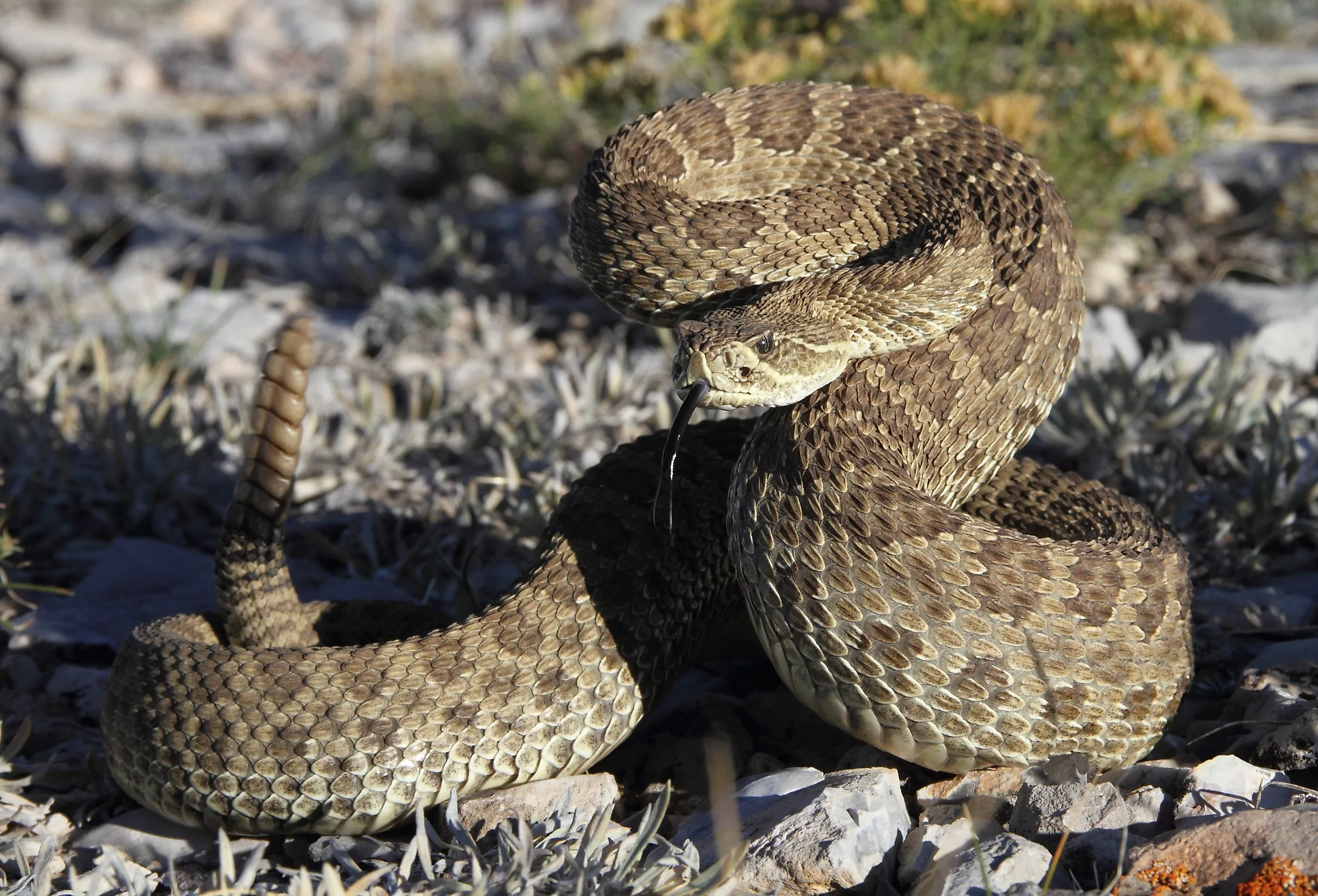
Far from empty expanses, Canadian Prairies contain some of the most localized rattlesnake concentrations in the country. With seemingly endless grasslands, badlands, and river valley systems supporting stable overwintering dens, these hardy predators thrive in a region including parts of Manitoba to the Rocky Mountains of Alberta.
However, most activity is tied to pockets in southern Alberta and southwestern Saskatchewan, where Prairie rattlesnakes persist in fragmented but predictable hotspots. These areas share a consistent pattern: south-facing slopes, coulees, and loose rock formations that retain heat and provide hibernation sites. We'll explore the Milk River valley before trekking through Grasslands National Park and Dinosaur Provincial Park in search of the most rattler-prone areas. Here are the spots that call for extra care while strolling.
Milk River

The Milk River valley in southern Alberta is among the most densely populated rattlesnake hotspots in the Canadian Prairies. Sightings are particularly common through dry coulees and sagebrush slopes near Writing-on-Stone Provincial Park and the Lost River area. The dominant species is the Prairie rattlesnake, which concentrates in rocky south-facing bluffs.
During summer, snakes tend to move into adjacent grasslands and valley bottoms where deer mice and ground squirrels are abundant. Roadways along Highway 501 and nearby secondary routes also increase sightings due to their warm pavement edges, which make for convenient basking spots. This combination of fragmented badlands topography, limited precipitation, and reliable prey density creates one of the highest encounter rates for rattlesnakes anywhere in Canada, with activity peaking from late May through early September.
Grasslands National Park

Grasslands National Park, especially its West Block in southwestern Saskatchewan, represents a well-known rattlesnake zone along the Frenchman River valley, particularly in the Killdeer Badlands and valley-side coulees. The Prairie rattlesnake is, in fact, the only rattlesnake species found in Saskatchewan and reaches its highest densities in the park's broken slopes.
Deep sandstone fissures and clay formations make perfect overwinter sites, before spring sends the snakes back into the prairie's abundant small mammal food sources. Minimal tree cover and thin soils after seasonal droughts also help, opening up terrain for basking. Sightings are most frequent near exposed ridge trails, cattle paths, and sparsely vegetated hillsides that retain heat through the day. Human encounters tend to cluster near backcountry routes and river crossings, often during late spring emergence and early autumn when returning to den sites.
Cypress Hills Interprovincial Park

Cypress Hills Interprovincial Park provides habitats for Prairie rattlesnakes along elevated, dissected plateau edges. The area's cooler, greener uplands feature warm, south-facing slopes and deep valleys ideally suited for rattlesnakes. The mosaic of mixed forest, prairie grassland, and rugged terrain found here creates defined basking corridors that increase the likelihood of sightings on lesser-traveled footpaths.
Rattlesnakes here use rock outcrops and talus fields for communal hibernation, particularly along sheltered escarpments near Battle Creek and the Elkwater Lake area. During active months, individuals move between grassland openings and creek drainages where small mammals are abundant. Seasonal activity peaks after emergence from dens in late spring. Snakes disperse across valley bottoms before returning to the same overwintering sites in early autumn, maintaining long-established den fidelity across generations.
Red Deer River

The Red Deer River valley near Drumheller in central Alberta supports a number of notable Prairie rattlesnake populations along its banks, often in deeply eroded badlands around Horseshoe Canyon, Midland Provincial Park, and adjacent coulee systems. They tend to occupy clay slopes and sandstone ledges where crevices provide homes for overwintering.
Communal dens are typically situated in stable, well-drained escarpments above the river floodplain, and during the active season, snakes disperse into dry prairie grasslands and sparsely vegetated terrace benches where food like ground squirrels and mice are abundant. Sun-exposed trail edges and hoodoo formations increase space for basking, particularly in late morning and early afternoon.
Rattlesnake run-ins are most common along hiking routes descending into the valley and at viewpoints overlooking steep coulees, with seasonal movement patterns tightly linked to the region's drastic temperature gradients.
Dinosaur Provincial Park
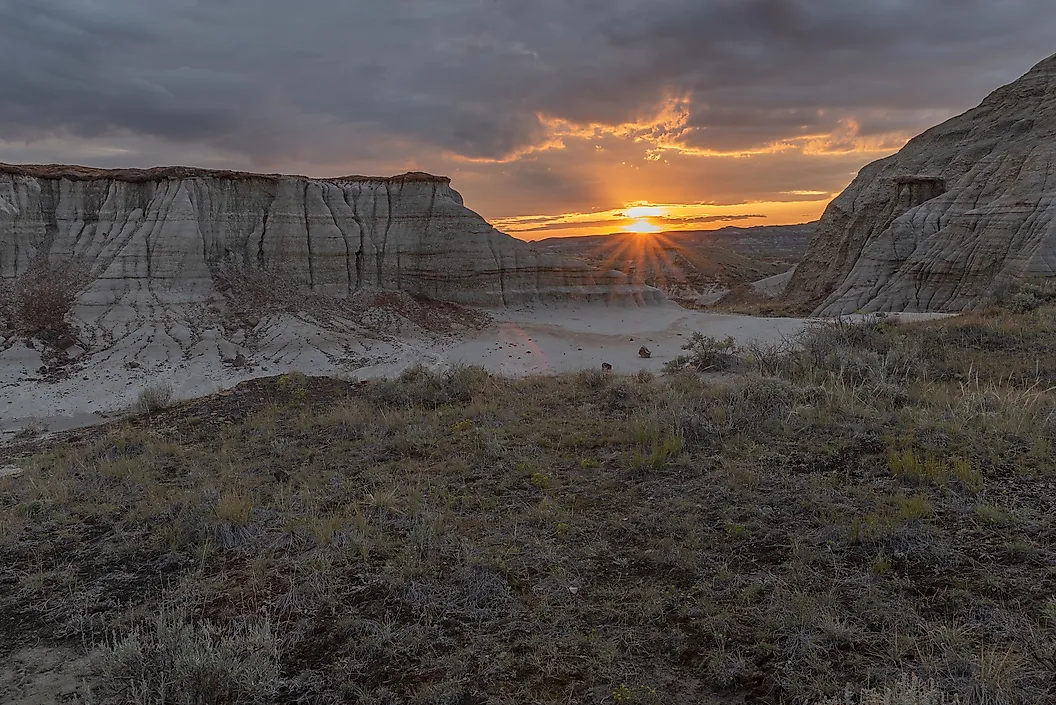
Dinosaur Provincial Park in southeastern Alberta is another major Prairie rattlesnake hotspot within the badlands adjacent to the Red Deer River. Prairie rattlesnakes here can commonly be spotted along the eroded coulees, hoodoo formations, and sun-baked clay slopes that dominate the park’s terrain.
Communal dens are usually located in stable sandstone and siltstone layers above the valley floor, where fissures provide secure overwintering sites often shared by multiple individuals. In the summer, rattlesnakes disperse into prairie grasslands, where ground squirrels and other small mammals are plentiful. Encounters in this popular attraction are most frequent along hiking trails, rim edges, and interpretive routes near the visitor center and its various canyon overlooks.
Watch For Snakes In The Prairies
These rattlesnake hotspots across the Prairies are bound to specific landforms: badlands, river valleys, and elevated prairie breaks consistently support dens for hibernation and seasonal movement corridors. Whether exploring Alberta’s Milk River valley and Dinosaur Provincial Park or Saskatchewan’s Grasslands National Park, these zones concentrate the Prairies' few native reptile species into predictable, sharply defined landscapes in western Canada each year. So, if you happen to be trekking this broad expanse, exercise caution.