8 Safest Towns In Spain For Senior Living
The safest towns in Spain for senior living sit inland, along rivers such as the Duero, and through the hill country of Aragon, Andalusia, and La Rioja, rather than on the more transient resort coasts. Each of the towns here prioritizes safety and senior-friendly services in its own way. Teruel recorded 728 conventional criminal offenses in 2025, with no completed homicides, and its municipally funded Santa Emerenciana day center has provided older residents with a fixed place to gather for 25 years. Ontinyent opened a new general hospital in 2026 with nearly four times the floor space of the center it replaced. Ronda has offered free digital-literacy courses to residents over 65 in its outlying villages, aimed squarely at reducing loneliness. Read on for a closer look at retirement towns in Spain where safety comes first.
Teruel

Teruel combines a comparatively low volume of recorded crime with the medical infrastructure of a provincial capital. The Ministry of the Interior counted 728 conventional criminal offenses in 2025, up from 660 the year before though still well below the national rate, and no completed homicides were recorded. For medical emergencies, residents have access to Hospital Obispo Polanco, which provides emergency and specialist care in the city.
The compact center also makes many everyday outings manageable on foot. Seniors can visit Plaza del Torico, see the UNESCO-listed Mudéjar towers, tour Teruel Cathedral, or stop at the Mausoleum of the Lovers of Teruel. Just as important is the city's support network for older residents. The municipally supported Santa Emerenciana Day Center has operated for 25 years and organizes cultural activities, physical exercise, health promotion, music, and social gatherings. In 2026, Teruel continued funding the center with 400,000 euros annually, giving seniors a dedicated place for regular community contact rather than leaving social participation to chance.
Ontinyent

Ontinyent had one of the strongest recent crime trends among the towns considered. Conventional crime fell 11.9% in 2025, down to 740 recorded offenses against 840 the year before. Theft dropped 24%, while burglaries and similar break-ins declined by more than 30%. The town also benefits from the Hospital General de Ontinyent, which moved into a new building in 2026 with nearly four times the floor space of the center it replaced. Complex cases are referred to Hospital Lluís Alcanyís in Xàtiva, but routine hospital-level care stays local.
There is plenty to do without entering a large metropolitan area. Seniors can explore the medieval La Vila district, visit the Church of Santa María, walk around the historic center, or spend a warm afternoon at the rock pools and trails of Pou Clar. Ontinyent is particularly strong on community support. Its Majors Actius program operates through civic centers and provides exercise, music, dance, mindfulness, technology, creative activities, excursions, and programs addressing social isolation.
Calahorra

Calahorra's latest crime figures move strongly in the right direction. Conventional crime declined 19% in 2025, down to 967 offenses against 1,194 the year before. Theft fell by nearly one-quarter, while burglaries and related break-ins were also down substantially. Healthcare is close at hand through the Fundación Hospital Calahorra, which serves the city and surrounding area.
For leisurely outings, residents can visit Calahorra Cathedral, explore the city's Roman archaeological remains, walk through the old quarter, or learn about the surrounding agricultural region at the Museo de la Verdura. The town's strongest senior-safety feature may be its active-aging infrastructure. Calahorra's municipal Envejecimiento Activo y Saludable program provides activities specifically for residents over 65, including tai chi, balance work, Pilates, stretching, dancing, games, and social gatherings.
Aranda de Duero

Aranda de Duero pairs a modest recent decline in conventional crime with unusually concrete medical resources for a town its size. Recorded conventional offenses decreased 3.7% in 2025, settling at 1,096. Hospital Santos Reyes provides 24-hour emergency care, with specialties including cardiology, geriatrics, rehabilitation, internal medicine, oncology, and traumatology.
The town also gives seniors plenty of low-key ways to stay active. Visitors can tour its network of historic underground wine cellars, step inside the Gothic Church of Santa María la Real, walk along the Duero River, or explore local wine history in the Ribera del Duero region. The municipal government also offers Actívate en Verano, an active-aging program for people over 60. Its 2026 schedule included Nordic walking, yoga-Pilates, gentle exercise, stretching, back exercises, toning, motor stimulation, and memory activities. Those offerings provide structured ways to maintain both mobility and social connections close to home.
Ronda

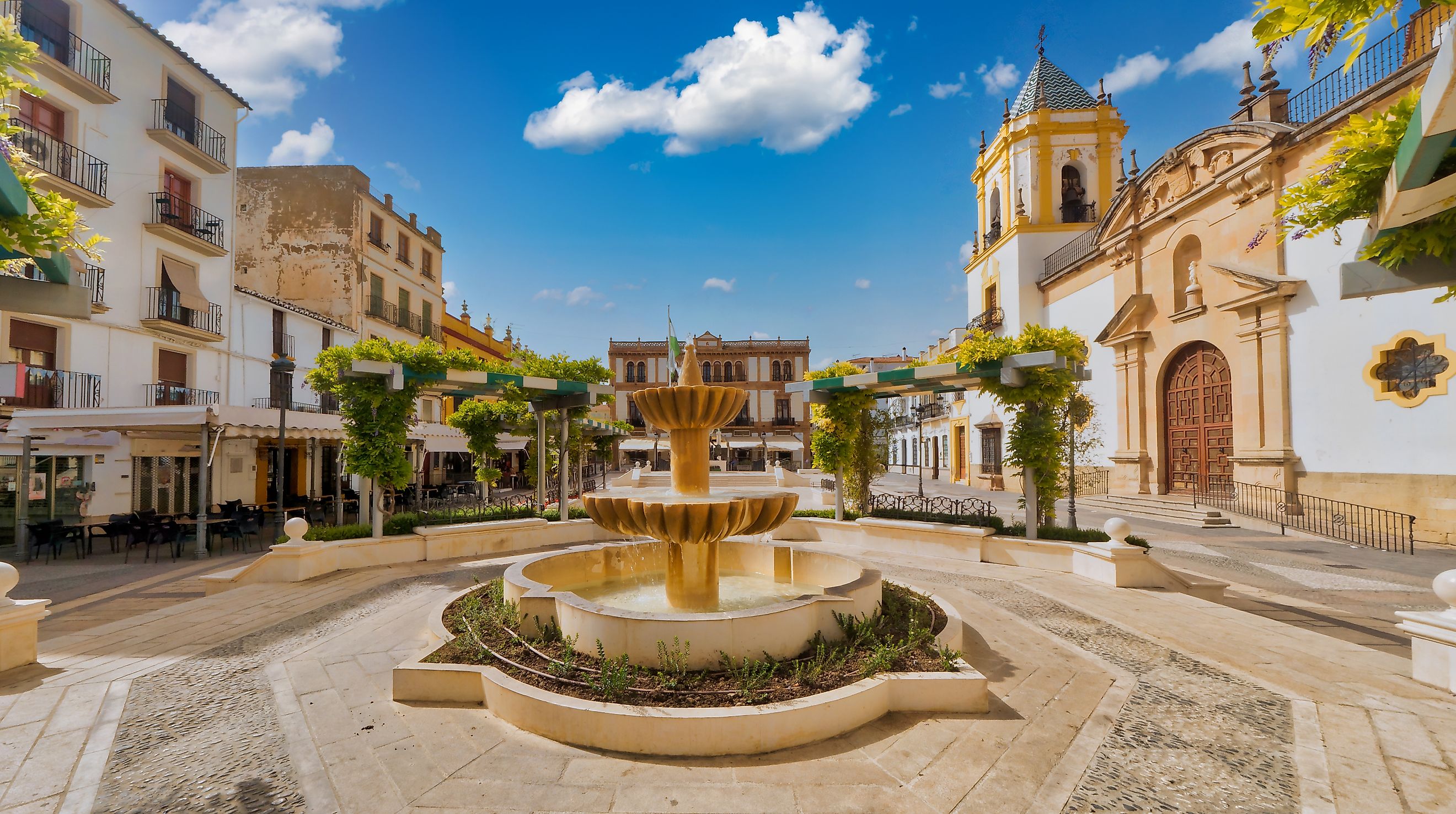
Ronda is best known for its gorge, but its recent crime trend and local hospital make it a credible senior-living choice as well. Conventional crime fell 10.6% in 2025, down to 1,074 offenses against 1,202 the year before, and no completed homicides were recorded. Hospital de la Serranía de Ronda provides emergency and specialist services locally.
Daily life can revolve around a relatively compact central area. Seniors can cross the Puente Nuevo, walk through the Alameda del Tajo, visit the well-preserved Arab Baths, or tour the gardens and courtyards of the Palacio de Mondragón. Ronda also operates services aimed directly at older residents. Its municipal social-services system includes home assistance and food support for seniors with mobility problems, while the AMPARO program has offered free digital-literacy courses to residents over 65 in outlying communities, with the stated goals of reducing isolation and encouraging active aging.
Soria

Soria's 2025 conventional-crime total rose moderately to 1,274 offenses, so its case is not based on a declining crime trend alone. Instead, the city scores well across the broader safety criteria important to seniors: small scale, local medical access, pedestrian-friendly public spaces, and formal older-adult programming. Hospital Santa Bárbara provides emergency care alongside specialties such as cardiology, internal medicine, neurology, nephrology, rehabilitation, and ophthalmology.
The city also makes it easy to remain active without complicated travel. Seniors can stroll through Alameda de Cervantes, visit the Romanesque Church of Santo Domingo, explore the ruins and cloister of San Juan de Duero, or follow walking paths beside the Duero River. Soria's municipal Aulas para Personas Mayores program operates between October and June and uses classes and sociocultural activities to encourage continued learning, community participation, and social integration among older residents.
Plasencia

Plasencia demonstrates why senior safety should not be judged by crime figures alone. Conventional crime increased in 2025, to 1,204 incidents against 1,103 the year before, but the town has an unusually strong concentration of health and emergency resources. Hospital Virgen del Puerto serves local residents, and Plasencia also has specialty health services, primary care, mental-health resources, and a locally based 112 emergency unit.
Its historic center provides several activities within a relatively concentrated area. Seniors can compare the adjoining Old and New Cathedrals, spend time in Plaza Mayor, follow sections of the medieval walls, or walk through Parque de los Pinos and the riverside green spaces of La Isla. The city maintains a dedicated municipal senior-services section covering activities, resources, and a Municipal Advisory Council for Older Persons. Its calendar has included senior fairs, dances, grandparents' celebrations, and intergenerational activities designed to keep older adults involved in community life.
Úbeda

Úbeda recorded 843 conventional offenses in 2025 and no completed homicides. Although that total was higher than in 2024, the town's combination of medical care and pedestrian-oriented public spaces strengthens its overall safety case. Hospital San Juan de la Cruz provides emergency, inpatient, mental-health, and outpatient services to Úbeda and the surrounding comarca.
The UNESCO-listed historic center is also well suited to leisurely cultural outings. Seniors can spend time in Plaza Vázquez de Molina, visit the ornate Sacra Capilla del Salvador, tour Renaissance palaces, or explore the monumental Hospital de Santiago, now used as a cultural venue. Úbeda's municipal Diviértete program gives retirees another layer of support. Designed for retired residents and people over 65, it is based at the town's senior leisure and meeting space and includes crafts, music therapy, memory exercises, games, and social activities.
What Makes These Spanish Towns Safer For Seniors
Inland Spain is where the practical machinery of senior safety is easiest to find, in towns small enough to cross on foot and close enough to the Duero and the Ebro to keep a daily walk interesting. Calahorra cut recorded conventional crime by 19% in 2025 and schedules tai chi, Pilates, and balance work for residents over 65 through the summer and into the autumn. Soria's crime total moved the other way, yet the city still offers a hospital carrying cardiology, neurology, and rehabilitation, along with classes for older adults between October and June. Plasencia and Úbeda argue the same point from the opposite direction, where concentrated health resources and compact historic centers count for more than any single year of police figures.