8 Picture-Perfect Main Streets In The United States
A real Main Street is where a whole town still runs into itself on foot. So much of American life moved to the car and the drive-through, where you rarely see a neighbor by accident. A good downtown is the opposite. In Galena, a public market has drawn neighbors to Main Street since 1845. It still fills up every Saturday morning. In Key West, locals and visitors crowd onto Mallory Square at dusk to clap the sun down over the Gulf. It is not the old brick or the shop windows that make the main street. It is a downtown that still works as a town's living room, and the eight below do it better than almost anywhere.
Cedarburg, Wisconsin

German and Irish settlers quarried the limestone that still fronts Washington Avenue in Cedarburg in the 1840s. That cream-colored stone runs through the downtown architecture, and the district was added to the National Register of Historic Places in the 1980s with more than 100 buildings. The Cedar Creek Settlement, a restored 1864 woolen mill, holds shops, restaurants, and the Cedar Creek Winery, whose limestone cellars are open for tours. Architectural Digest has named Washington Avenue one of the most beautiful main streets in the country. The 30-mile Ozaukee Interurban Trail cuts through downtown, carrying cyclists and walkers past the same stone storefronts. About 12,000 people live in Cedarburg, 20 miles north of Milwaukee and far enough out to work as a day trip.
Blue Ridge, Georgia

A train whistle still ranks among the loudest sounds in Blue Ridge, a mountain town of about 1,297 residents. The Blue Ridge Depot dates to 1906, and vintage trains on the Blue Ridge Scenic Railway make a 26-mile round trip along the Toccoa River to McCaysville and Copperhill. Specialty shops, galleries, and antique stores fill the blocks around the depot, the main draw for visitors coming into the North Georgia mountains. The Art Center and the Blue Ridge Community Theater put on exhibitions and shows through the year. Chattahoochee National Forest wraps nearly every edge of town, and craft breweries and restaurants such as Chester's Provisions sit among the storefronts. The Fannin County Historical Museum is the place to read up on the mining and railroad history behind the town.
Woodstock, Vermont

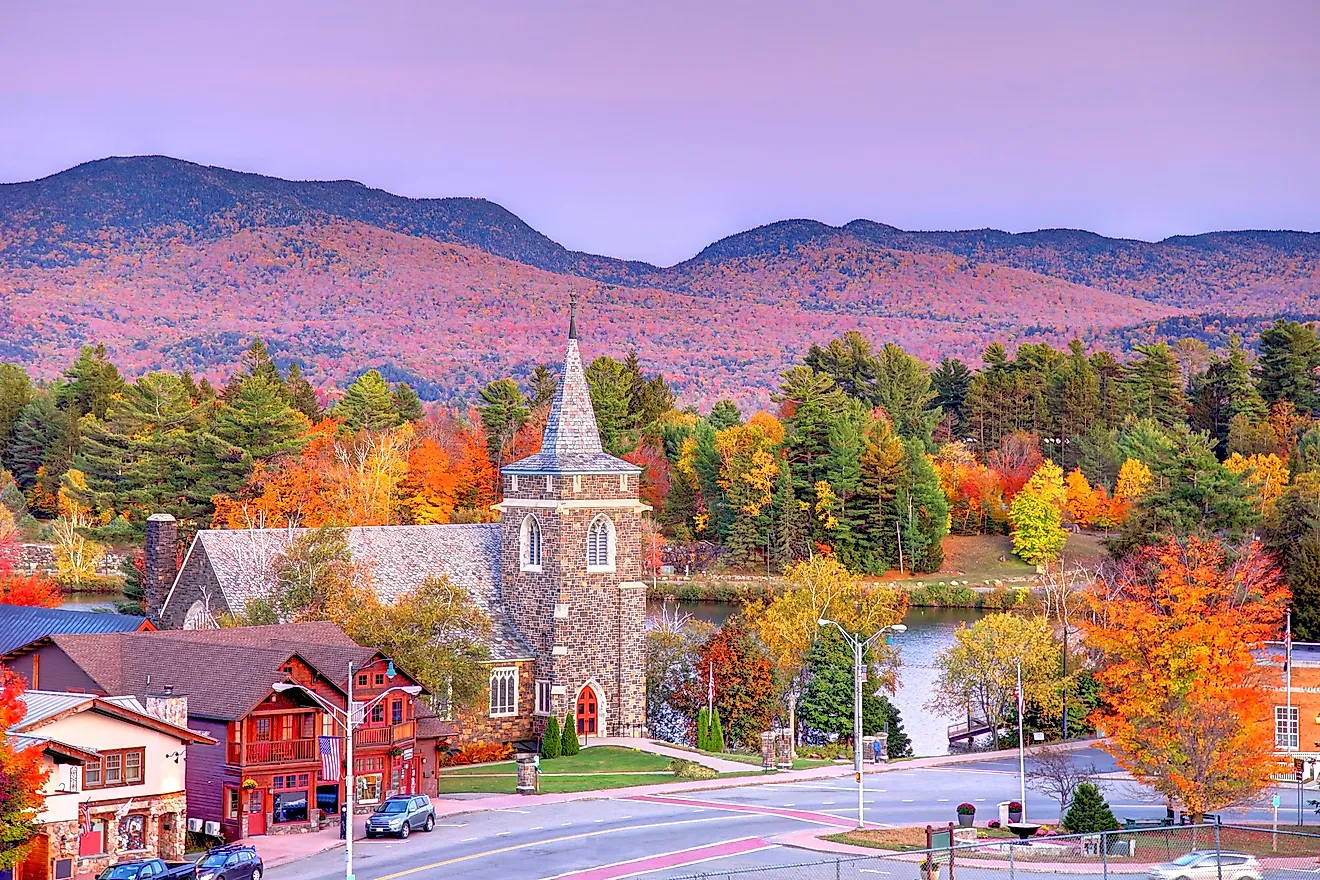
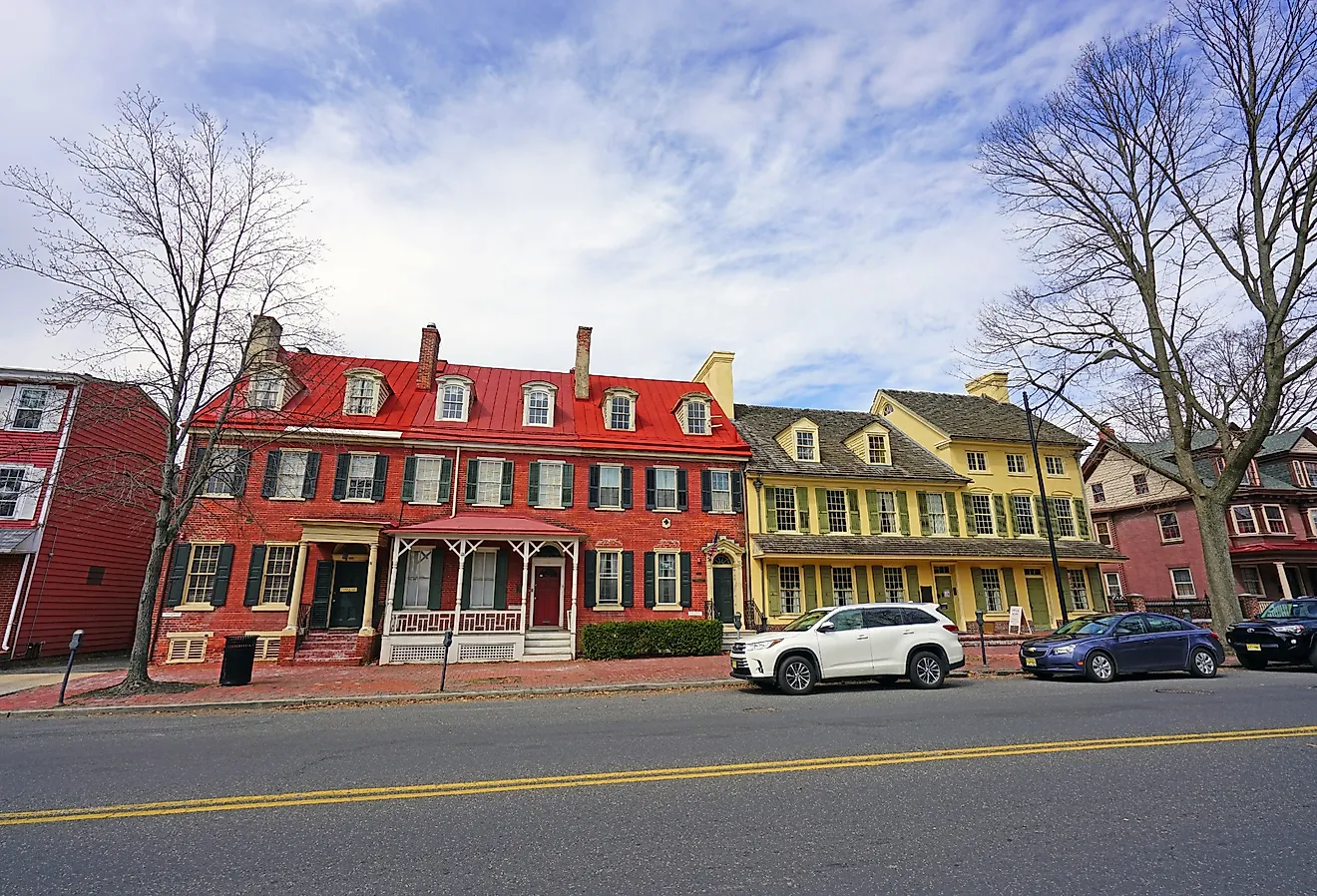
Federal and Greek Revival storefronts run in unbroken rows around the oval green at the heart of Woodstock. Residents buried the utility lines to hold the 19th-century look, and Elm Street is where it reads clearest. Chartered in 1761, Woodstock counts about 900 residents and a 275-acre historic district of 95 homes from the late 18th and 19th centuries. F.H. Gillingham and Sons has sold Vermont goods on Elm Street since 1886. Billings Farm and Museum, a working dairy farm and rural-history site, sits a short walk from downtown. Three covered bridges cross the Ottauquechee River nearby, including the Middle Bridge. The Woodstock Inn and Resort stands on the site of a tavern from 1793.
Key West, Florida

Duval Street runs the full width of Key West, about a mile and a quarter of pavement between the Gulf of Mexico and the Atlantic. The American Planning Association named it a Great Street in 2012 for its Bahamian and Spanish-Victorian buildings from the late 1800s. Mallory Square, on the Gulf end, fills each evening with a Sunset Celebration where street performers and artists work a waterfront pier for a couple of hours. The Atlantic end holds the painted buoy marking the southernmost point of the continental United States, one of the most photographed spots on the island. Ernest Hemingway drank at Sloppy Joe's Bar, still a fixture of the nightlife along the strip. About 25,000 people live in Key West, and the whole street is walkable end to end.
Natchez, Mississippi

Main Street in Natchez runs straight toward a 200-foot bluff above the Mississippi River, and the downtown sits centered on that drop. Shade trees arch over antique storefronts, including the Rumble and Wensel warehouse building from 1855. Natchez has one of the largest collections of antebellum houses in the country, many of them spared during the Civil War. Bluff Park sits above the river for the view and connects down to Natchez Under-the-Hill, the old riverfront row of saloons and shops at the base of the bluff. The Natchez Museum of African American History and Culture stands on Main Street, where the exhibits trace Black history in the region across generations. The Natchez National Historical Park holds several of the city's mansions, and its rangers tell the story of the cotton economy that funded them. Around 14,500 people live in one of the most complete antebellum river towns on the Mississippi.
Galena, Illinois

Lead miners made Galena rich, and their money went into the Greek Revival and Italianate brick that still lines Main Street from the 19th century. The street curves along the Galena River below three and four-story storefronts with arched windows and cast-iron cornices. A staircase of 252 steps climbs from Main Street to a lookout over the rooftops. Roughly 3,000 people live here now, inside a historic district that covers most of the city and holds close to a thousand pre-1900 buildings. The DeSoto House Hotel opened in 1855 and remains the oldest operating hotel in Illinois, and Ulysses S. Grant ran his 1868 presidential campaign from two of its rooms. Restaurants such as Durty Gurt's and Vinny Vanucchi's fill the blocks between the antique shops. A trolley tour loops from the historic district out toward the surrounding wine country.
Wallace, Idaho

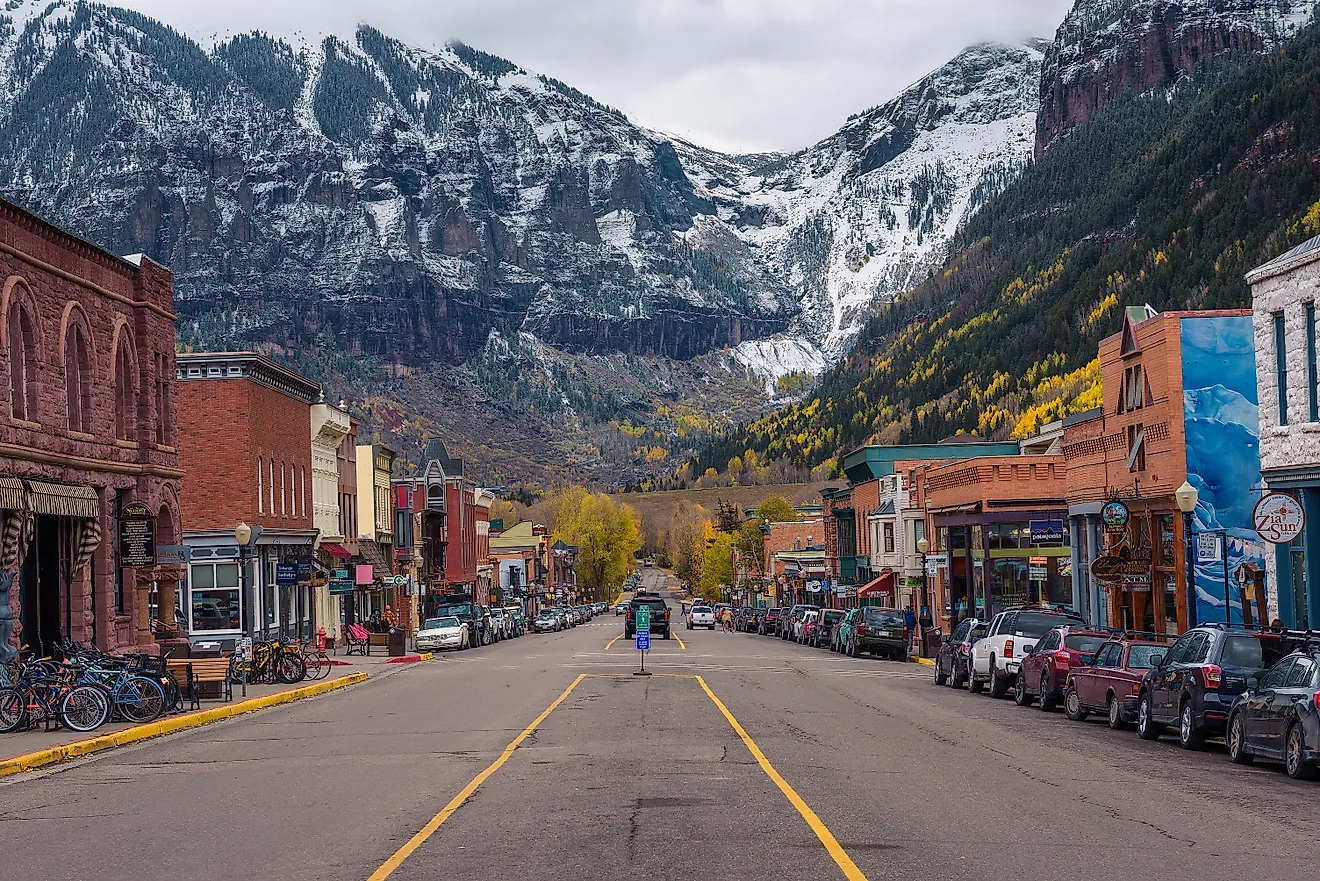
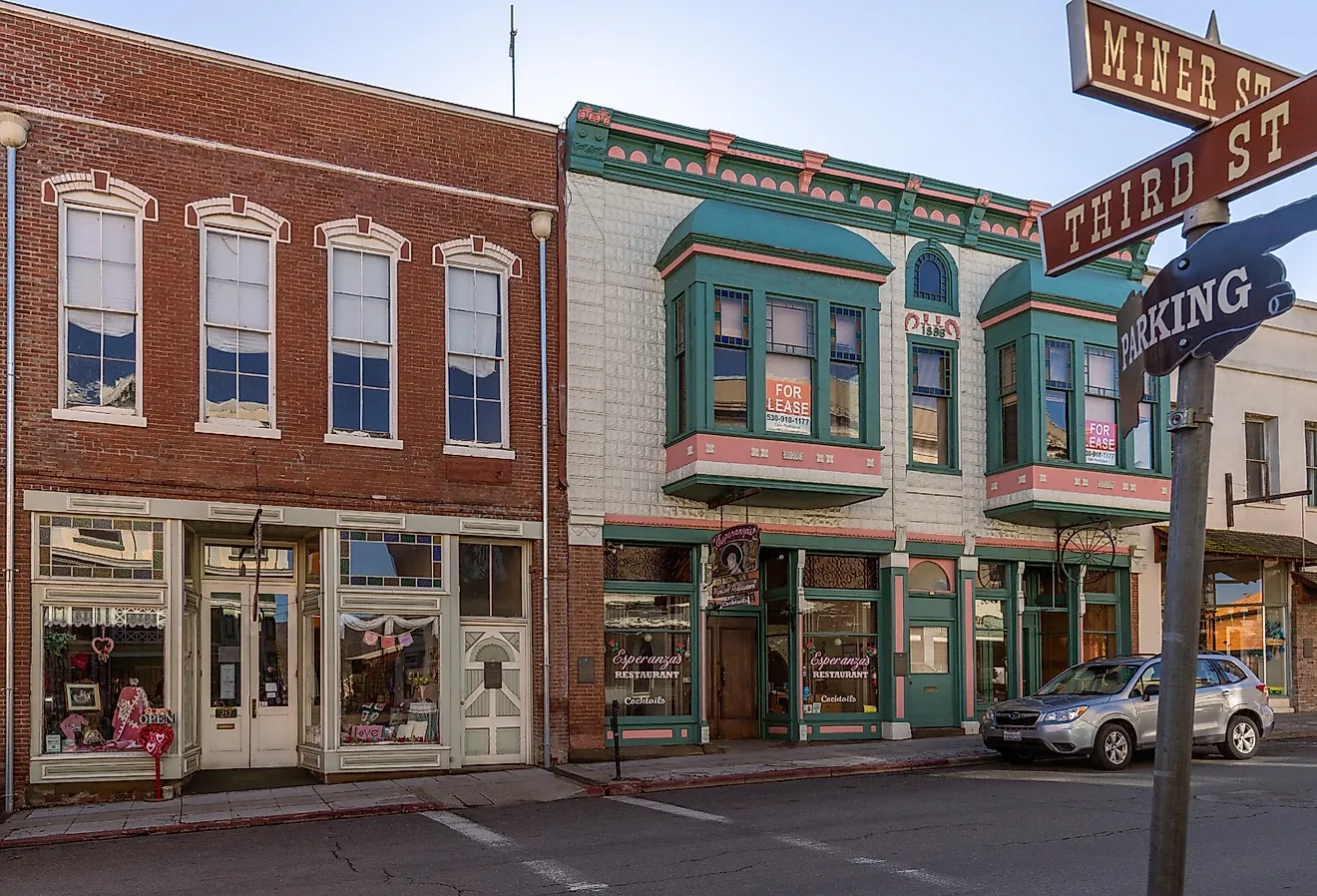
A mayor of Wallace declared the town the Center of the Universe in 2004 and bolted a manhole cover to Bank Street to mark the spot. Filmmakers used the vintage streetscape as a set, and Bank Street stood in for the doomed town in the 1997 movie Dante's Peak. Nearly every building in Wallace carries a National Register of Historic Places listing. A fire in 1890 burned the original wooden downtown, and residents rebuilt in brick, which is why the storefronts standing today all date to the same rush. The Big Burn of 1910, the largest wildfire in U.S. history, swept back through and destroyed about a third of the town. About 851 people live here, and former miners still lead visitors underground on the Sierra Silver Mine Tour. Drinkers fill the 1313 Club Saloon and Wallace Brewing Company along Bank Street.
Carmel-by-the-Sea, California

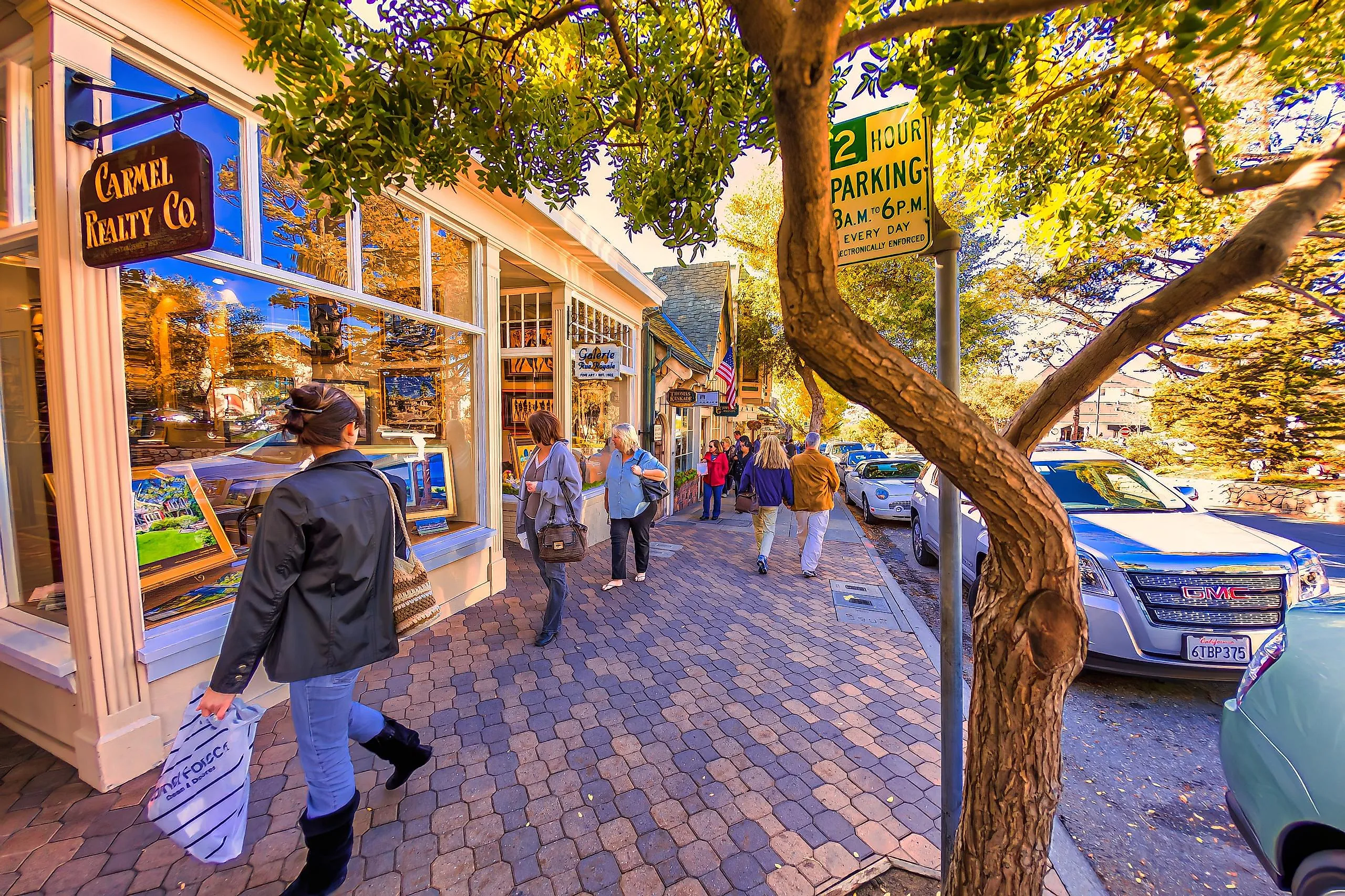
Ocean Avenue slopes from the highway down toward the sand, and people take the walk at an easy pace. Residents of Carmel-by-the-Sea decided in the early 1900s to block street numbers, parking meters, and traffic lights to keep out what they called citification. Cottages built in the 1920s with steep roofs and rounded doorways share the blocks with brick courtyards and galleries. Carmel Beach lies at the foot of the avenue, white sand below a row of cypress trees along the bluff. Shops and galleries cluster around Carmel Plaza at Mission Street, including the Cottage of Sweets, which has sold candy from a steep-gabled cottage since the 1950s. Spanish missionaries built the Carmel Mission in the 1770s, and a 1930s restoration returned it to its early appearance. Around 3,000 people live in one of the most walkable towns on the Central Coast.
Eight Streets, Eight Reasons They Survived
No two of these downtowns grew from the same source. Miners funded Galena and Wallace, cotton and riverboat trade funded Natchez, and the railroad put Blue Ridge on the map. That mix is why the eight streets look nothing alike. Galena runs on 1850s brick, Carmel on 1920s cottages, Natchez on antebellum columns, and Key West on Bahamian clapboard. What ties them together is use rather than looks. Each street still carries the daily traffic of the town around it, which is rarer than a preserved facade and harder to fake.