8 Most Walkable Town Centers In Atlantic Coast
Many small towns on the Atlantic Coast embrace and preserve their maritime heritage along vibrant main streets steps from the water. The Shore Path in Bar Harbor starts at the town pier and stays level for just under a mile. In Cape May, three blocks of Washington Street are closed to traffic, a short distance from the waterfront. Berlin fits roughly 47 contributing buildings into a commercial district, a few miles inland from Ocean City. In St. Augustine, the Castillo de San Marcos opens its gun deck a short walk from the pedestrian-only stretch of St. George Street. These eight towns have walkable centers that make the most of their proximity to the coast.
Bar Harbor, ME

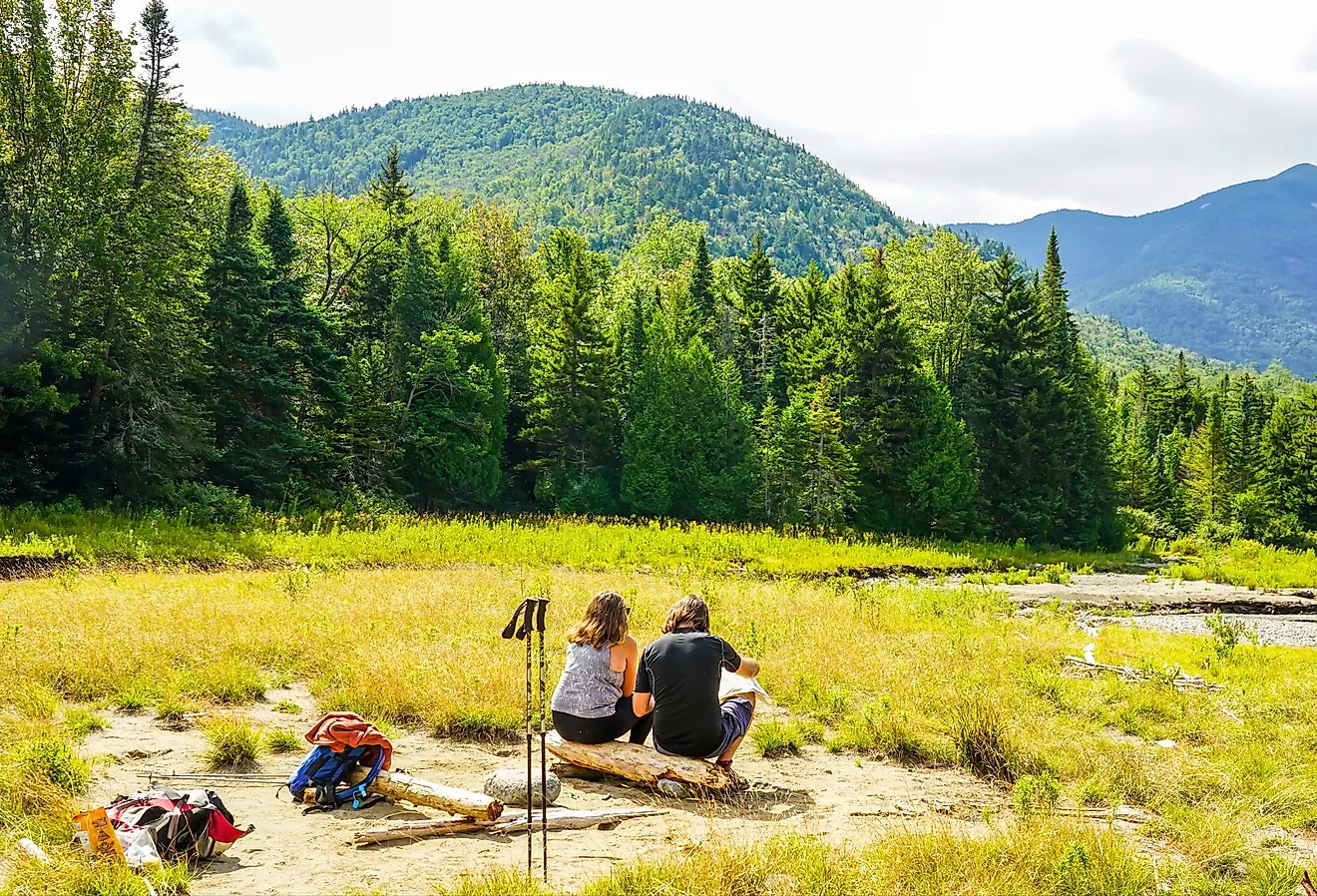
Bar Harbor sits at the head of Frenchman Bay, with the Shore Path starting at the town pier next to Agamont Park and running level along the water for just under a mile. The Abbe Museum on Mount Desert Street shows Wabanaki history and contemporary art drawn from a collection of more than 50,000 objects. The 1932 Criterion Theatre on Cottage Street, one of two Art Deco theaters in Maine and a National Register listing, shows films and live music throughout the year. The free Island Explorer buses leave for Acadia National Park from the Village Green in the middle of town, for easy access to more rugged coastal trails and viewpoints.
Cape May, NJ

The entire town of Cape May was added to the National Register in 1970, a district of more than 600 Victorian-era structures. The Washington Street Mall has three pedestrian-only blocks of shops just off the waterfront. Cape May MAC offers a one-hour architectural walking tour of Hughes Street, Ocean Street, and Columbia Avenue from the information booth at Washington and Ocean. They also lead guided tours of the Emlen Physick Estate on Washington Street, an 18-room house built by Frank Furness in 1879. The Harriet Tubman Museum on Lafayette Street highlights Tubman's work in Cape May.
Rehoboth Beach, DE

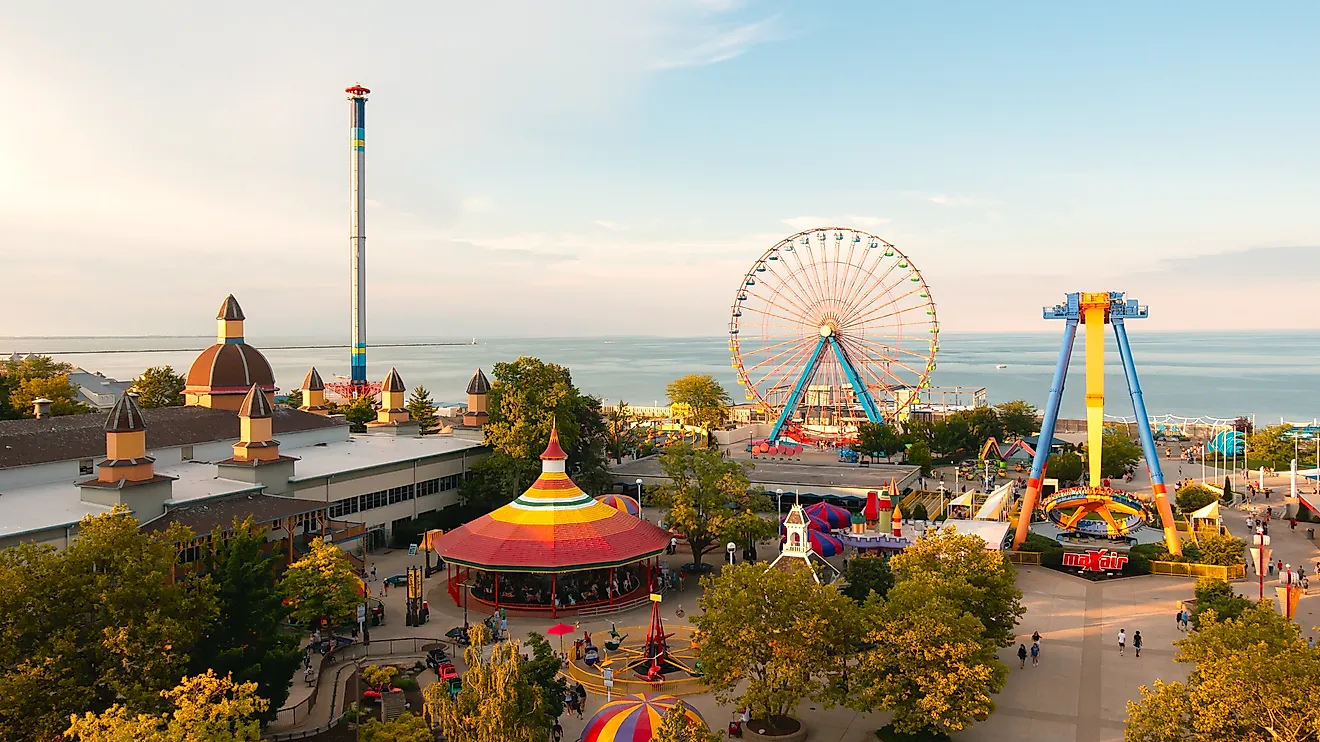
Rehoboth Beach is home to a mile of boardwalk, with the shops of Rehoboth Avenue continuing back from it. Funland sits on the boards at Delaware Avenue with 18 rides and an arcade of midway games, open Mother's Day weekend through the weekend after Labor Day. The Fasnacht family bought the place in 1962, when it was still the Rehoboth Beach Sports Center, and five of the rides they inherited are still turning. The bandstand at the foot of the street also holds free concerts on weekend evenings from June through Labor Day. The Rehoboth Beach Museum, in the old ice house at the canal end of Rehoboth Avenue, is home to the town's Golden Age diorama along with African American, Greek, Jewish, and LGBTQ heritage collections. The farmers' market sets up next door at Grove Park on Tuesdays from May through October.
Berlin, MD

Seven miles inland from Ocean City, Berlin's commercial historic district has approximately 47 contributing buildings across Main, Broad, William, Bay, Pitts, and Commerce Streets. The Calvin B. Taylor House Museum on Main Street showcases period-furnished rooms and a gallery of local memorabilia. The Mermaid Museum on Jefferson Street offers interactive exhibits, costume dress-up, and scavenger hunts. Chesapeake Ghost Tours leads a mile-and-a-half tour of the old town after dark, meeting in front of the Berlin Town Hall on William Street. On Sunday mornings, the farmers market fills Pitts, Commerce, and Main Streets.
Southport, NC

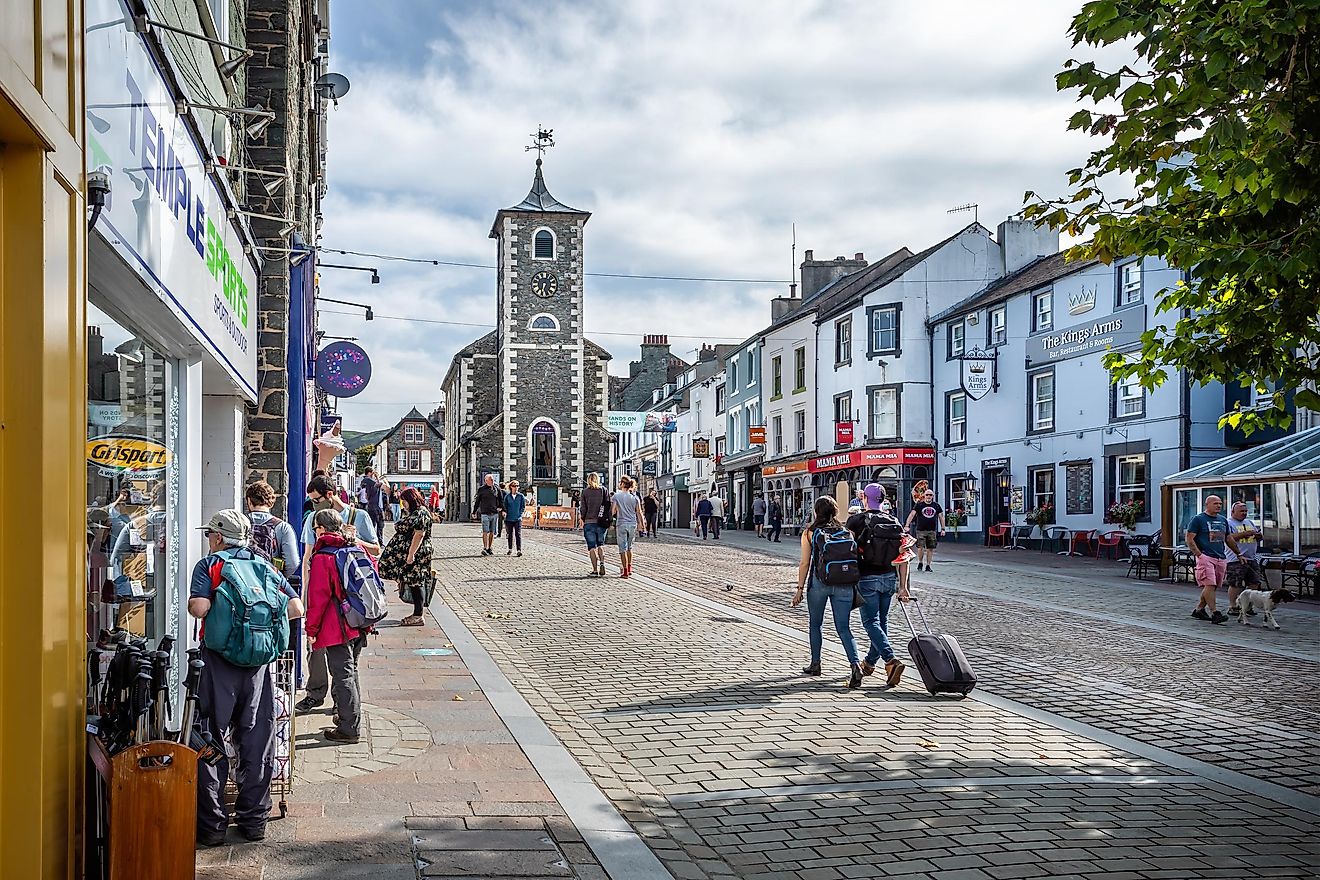
Southport sits at the mouth of the Cape Fear River with 247 contributing structures in its local historic district. The North Carolina Maritime Museum at Southport on Moore Street covers four centuries of Cape Fear seafaring and is free to visit. The Fort Johnston-Southport Museum and Visitors Center on Bay Street has Safe Haven movie memorabilia among its exhibits. Docents lead tours of the 1904 Old Brunswick County Jail Museum at Nash and Rhett Streets from April through October, taking in the jailer's quarters downstairs and the prisoner graffiti scratched into the walls above. A short walk away, the Old Smithville Burying Ground holds the grave of Benjamin Smith, the Revolutionary War colonel the town was first named for. Commissioners laid the town out as Smithville in 1792 beside the garrison at Fort Johnston, and it took its present name in 1887.
Beaufort, SC

Bay Street in Beaufort faces the water and is lined with shops and historic buildings. The town has been a National Historic Landmark district since 1973. The John Mark Verdier House, built in 1804, is the only historic house in Beaufort open to the public. Sea Island Carriage Company offers narrated horse-drawn tours of the district from the marina lot on Bay Street. The Pat Conroy Literary Center on Bladen Street hosts book clubs, writing groups, and master classes in poetry, memoir, and fiction. The Reconstruction Era National Historical Park has its visitor center in the old Beaufort firehouse on Craven Street.
Fernandina Beach, FL

Centre Street runs eight blocks up from the harbor through downtown Fernandina Beach, which counts about 50 walkable blocks in all. The Amelia Island Museum of History, in the old Nassau County jail on Third Street, leads tours of its collection. The same museum offers a ghost tour covering about 14 blocks on Friday evenings and a 2.5-hour pub crawl twice a month. The Palace Saloon on Centre Street has been serving since 1903 in a building originally constructed as a haberdashery in 1878. The Fernandina Harbor Marina at the foot of the street has 4,000 feet of dockage on the Amelia River.
St. Augustine, FL

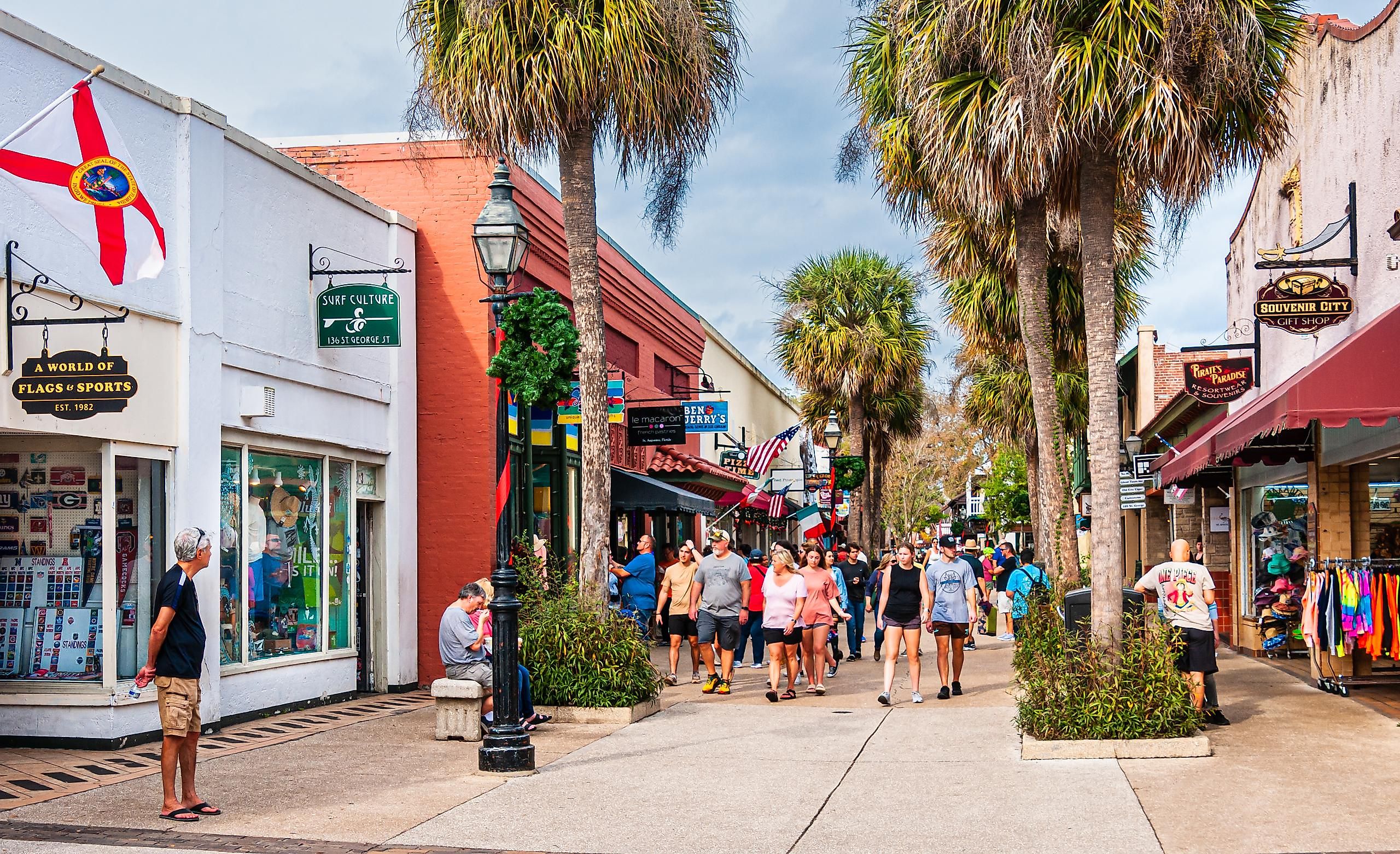
Pedro Menendez de Aviles sailed into Matanzas Bay and founded St. Augustine in 1565. Its Town Plan Historic District is now a National Historic Landmark as the earliest surviving example of a European planned community in the country. Castillo de San Marcos, the oldest masonry fortification in the continental United States, opens its casemates and gun deck to self-guided walks, with ranger programs and cannon demonstrations on select days. St. George Street is pedestrian only through the middle of the district. The Colonial Quarter covers two acres at the north end of the street, with blacksmith demonstrations, musket firings and a 35 foot watchtower. The Lightner Museum fills the Alcazar Hotel that Henry Flagler built on King Street in 1888.
Walking the Atlantic Coast
Built close to the water and never rebuilt around the car, these eight centers still work best at walking pace. Rehoboth Beach measures its downtown in a mile of boardwalk, and the avenue of shops behind it, and Southport counts 247 contributing structures in a district a visitor can cross in an afternoon. Beaufort lines Bay Street with shops facing the water, and Fernandina Beach adds about 50 blocks off Centre Street, where the Palace Saloon has been serving in an 1878 building since 1903.