8 Most Hospitable Towns In Vermont
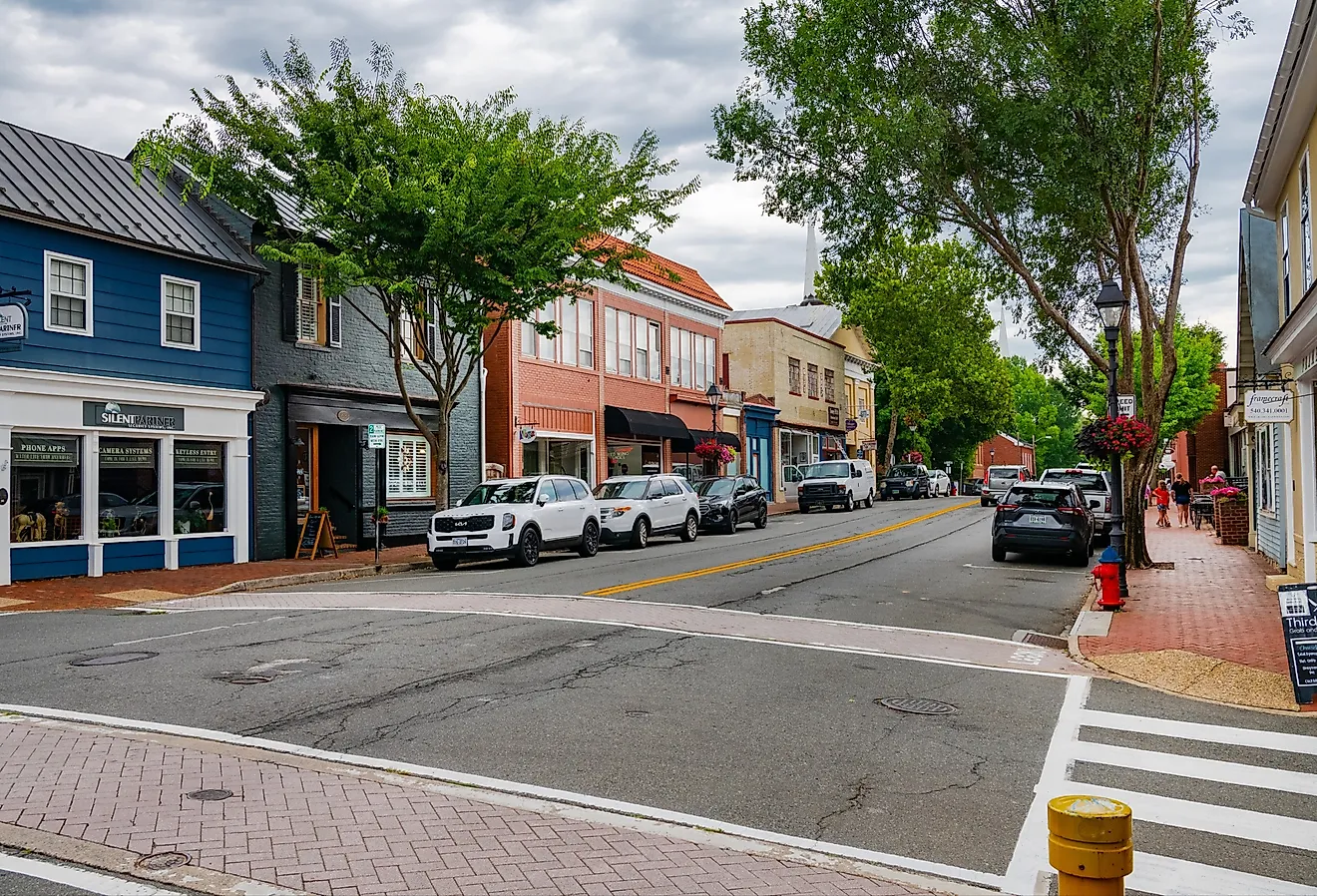
Some Vermont towns seem to have a knack for making strangers feel like old friends. Maybe it's the cozy cafe where the barista remembers your order, the shopkeeper who happily points you toward a favorite local trail, or the neighbor who waves as you wander down Main Street. Beyond the postcard-worthy scenery, these communities have a genuine warmth that makes visitors want to linger. In places like Brandon, Burke, and Woodstock, visitors are greeted with friendly faces and welcoming local businesses that genuinely take pride in sharing their hometowns. These towns aren't just pretty places to pass through. They welcome visitors as if they were family.
Woodstock

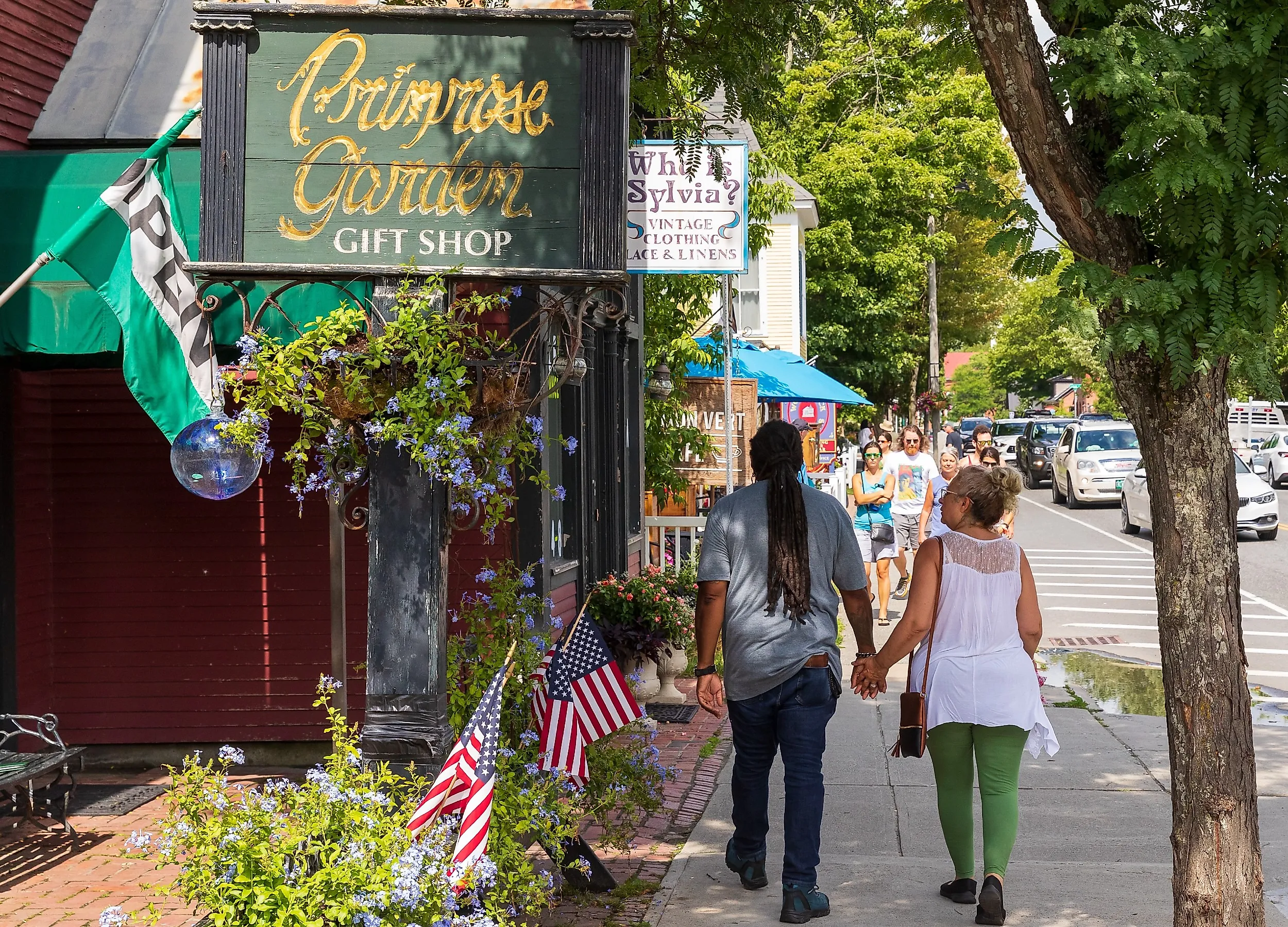
Set in central Vermont along the Ottauquechee River, Woodstock pairs a classic New England village layout with a warm, welcoming atmosphere. Woodstock's hospitality comes from its walkable village center and its abundance of locally owned businesses. Its small size gives Woodstock a friendly, neighborly character. The setting adds to the appeal, but it's the relaxed atmosphere and personable local businesses that make Woodstock particularly inviting.
Start with a walk around the Village Green to see Woodstock's historic buildings, then pop into some of the independent shops and galleries. The town's beloved general store, F.H. Gillingham & Sons, dates back to 1886 and is a must-see for Vermont-made goods, specialty foods, and a taste of old-fashioned small-town shopping.
Just off the village center is Middle Covered Bridge, one of Woodstock's three covered bridges and a favorite spot for photos. Marsh-Billings-Rockefeller National Historical Park, the only national historical park in Vermont, offers walking trails and carriage roads up Mount Tom directly above the village. Billings Farm & Museum, across the road, is another favorite for a glimpse into Vermont's agricultural traditions. For a relaxing bite afterward, Mon Vert Cafe serves rustic, local, country food right in the village.
Stowe

Stowe's welcoming personality goes beyond its reputation as a ski destination. Home to about 5,223 people, Stowe's friendly shops, restaurants, and mountain scenery create a relaxed atmosphere that encourages visitors to explore at their own pace. Its hospitality comes from a combination of genuine community character and the many ways locals invite visitors to experience their corner of Vermont.
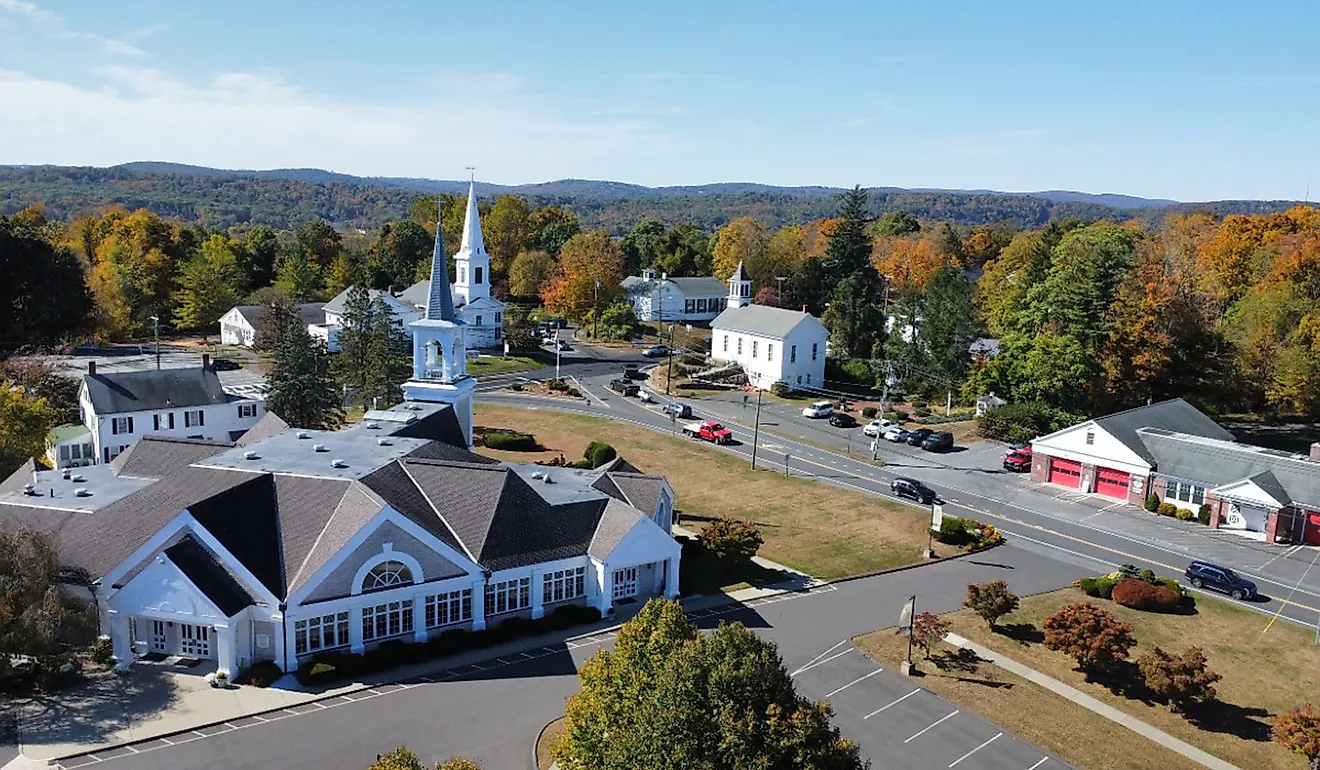
Downtown Stowe, often called Stowe Village, is a compact and highly walkable New England village in the Green Mountains. Mount Mansfield frames the village, and at 4,393 feet, it is Vermont's highest peak. Below it sit 19th-century buildings, local boutiques, small cafes, and the white steeple of Stowe Community Church.
Visitors can also explore Stowe Mountain Resort, which spreads across Mount Mansfield and Spruce Peak with skiing and snowboarding in the winter, along with outdoor activities during warmer months. A short hike to Moss Glen Falls, north of the village, is another chance to enjoy the area's natural beauty.
Manchester

In Manchester, hospitality feels less like a slogan and more like part of the town's everyday personality. About 4,486 people live here, and visitors quickly get a taste of that small-town warmth while wandering through Manchester Center, browsing local boutiques, or stopping for coffee and a chat at the Colburn Cafe inside Northshire Bookstore.
That welcoming feeling continues at the historic Hildene, which offers tours of the former summer home of Robert Todd Lincoln, the only one of Abraham Lincoln's four sons to survive into adulthood. Get in a little walking with a hike to Lye Brook Falls, a 125-foot waterfall and one of the tallest in the state. And don't leave town without a visit to Mother Myrick's Confectionery, family-owned since 1977. Mother Myrick's famous buttercrunch toffee, caramels, and chocolate assortments will satisfy any sweet tooth.
Bennington

A friendly hello, a locally owned shop, and a historic downtown that invites you to linger are all part of the Bennington experience. Upon arrival, visitors instantly notice the town's community-minded personality, especially while exploring its streets, restaurants, museums, and historic landmarks. Bennington truly makes visitors feel like they're part of the community rather than just passing through.
A walk through the Downtown Bennington Historic District leads to independent shops, restaurants, galleries, and Vermont-made goods. The district follows Main and North streets and takes in commercial and civic buildings from the second quarter of the 19th century onward, including the Greek Revival town hall of 1846.
The Bennington Battle Monument, a 306-foot stone obelisk, is still the tallest human-made structure in Vermont. It marks the site of an American military supply depot that was targeted during the Revolutionary War, leading to the historic Battle of Bennington on August 16, 1777. An elevator carries visitors to an observation level 200 feet up. Three states open out from there at once.
For an indoor stop, the Bennington Museum houses the largest public collection of paintings by folk artist Grandma Moses, along with 19th-century Bennington pottery and historical artifacts from the 1777 Battle of Bennington. End the day at the Blue Benn Diner, a 1948 Silk City diner car on North Street that locals have kept busy for decades.
Montpelier

With roughly 8,000 residents, Montpelier is the least populous state capital in the country, and it packs plenty of personality into its compact downtown. That small scale creates an intimate setting and the kind of community where visitors easily wander from one welcoming spot to the next.
Montpelier's hospitality comes through in those little opportunities to connect with the community. Shop owners offer personal service, locally owned restaurants welcome visitors alongside regulars, and the walkable downtown encourages meandering. It feels less like a capital city and more like a friendly Vermont community that happens to have a golden dome.
Start at the Vermont State House to tour the preserved building and even observe the Legislature when it is in session. Afterward, stretch your legs on the trails at Hubbard Park, a wooded retreat of more than 200 acres established in 1899. Its 54-foot stone observation tower, built between 1915 and 1930, is especially photo-worthy. End the day downtown at Three Penny Taproom, a particularly inviting place to settle in for Vermont beer and a meal.
Burke

Burke has a nice balance of rural Vermont character and visitor-friendly amenities. The town doesn't feel overly commercialized, and its welcoming personality makes the small town easy to settle into. With just 1,651 residents spread across three villages, it's a close-knit community where the locals often strike up conversation with visitors. East Burke is the one most visitors see.
In the winter, Burke Mountain Ski Area calls to skiers and snowboarders. In the summer, Kingdom Trails takes over: a network of more than 100 miles of paths threaded through the hills around East Burke, and a hot spot for hikers and mountain bikers looking to explore the countryside. Hiking nearby Mount Pisgah is another highlight, with its cliffs standing directly above Lake Willoughby and its views enticing visitors to cool off with a dip.
After a long ride or hike, refuel with sandwiches from the Northeast Kingdom Country Store. A sauna session at the East Burke Sauna Club, a short way up Route 114, unwinds whatever the trails did. The Burke Publick House, on the same stretch, is another eatery that exudes the town's hospitality. Stop by for food, drinks, and to connect with the locals and other visitors.
Windsor

Windsor makes visitors feel welcome from the moment they arrive, and it has the deepest claim to Vermont's founding. The state's first constitution was adopted here in July 1777. Set along the Connecticut River, this historic town is home to about 3,559 people who share a tight bond, supporting local school sports and community events. Windsor's hospitality comes from friendly local businesses, a walkable town center, and residents who genuinely welcome guests.
Rather than feeling like a place built solely for tourists, Windsor has a lived-in character that can be experienced just by exploring the town. Trace Windsor's history of American manufacturing at the American Precision Museum, housed in the 1846 armory where Robbins & Lawrence built the machine tools that made mass production possible. At Artisans Park, browse Vermont-made products and watch glassblowers and potters at work in the Simon Pearce workshop. Later, enjoy a meal inside a restored 1900 train depot at the Windsor Station Restaurant.
Downtown, Friends & Company on Main Street is a fun local spot for clothing, jewelry, gifts, and even ice cream. And for a memorable photo, drive across the historic Cornish-Windsor Covered Bridge, built in 1866, which spans the river between Vermont and New Hampshire.
Brandon

Brandon is famous for its classic New England warmth and village character. The town's small population of about 4,129 people contributes to its close-knit feel. Business owners are also more than happy to chat it up with visitors. That personal, local feel is a big part of why Brandon is known as the "Art and Soul" of Vermont.
Downtown is built for lingering, not rushing. The 243 mostly brick and clapboard buildings that make up its core are listed on the National Register of Historic Places. The whole district is easy to cover on foot. It's a good area for finding a Vermont-made piece to take home. Paintings and fine crafts created by Vermont artists fill the Brandon Artists Guild, a member-run gallery representing more than 30 makers. Morningside Bakery offers coffee, pastries, and wood-fired pizza. More of Brandon's creative side can be seen by checking the calendar at Barn Opera, a renovated post-and-beam dairy barn that hosts opera and other performances.
And at Kennedy Park, watch the upper falls of the Neshobe River and admire the same views that have long drawn plein air painters. A short drive east, Brandon Gap provides access to the Long Trail and the Great Cliff of Mount Horrid, which offers mountain views outside the spring and early summer closure that protects nesting peregrine falcons.
Come for the Scenery, Stay for the Hospitality
What makes these Vermont towns so welcoming isn't just the covered bridges, mountain views, or well-kept downtowns. It's the people who make time for a conversation, the shopkeepers who are happy to share the best spots in town, and the communities that get excited to show off their hometowns. Stowe, Brandon, Windsor, and Manchester are all towns where visitors settle in and instantly feel at home. The scenery may be what brings you here, but the hospitality is what makes you want to come back.