8 Best Towns In The UK For A Two-Day Recharge
Whether it's for some solo travel, a romantic getaway, or a family break, these towns are all destinations worth considering. They not only prove that 48 hours away is long enough for a proper reset but also offer plenty of fun while you're there. Some are seaside destinations on the coast of England while others take you around Scottish country estates. Each combines first-rate attractions with unique places to stay. Here's our choice of eight UK towns for a two-day recharge.
Melrose, Roxburghshire, Scotland

The heart of Robert the Bruce is buried in Melrose, making it one of the most interesting places to visit in the Scottish Borders. Founded by King David I in 1136 as Scotland's first Cistercian monastery, Melrose Abbey was rebuilt after English attacks in 1322 and 1385, and although largely in ruins, it remains among the finest Gothic architecture in Britain. Look closely at the exterior carvings for the famous bagpipe-playing pig, then find the stone marker in the grounds commemorating the king's heart, which was uncovered in a lead casket in 1921.
A five-minute walk away on Abbey Street, the Trimontium Museum tells the story of the largest Roman fort north of Hadrian's Wall, established just east of town in AD 80. Melrose also makes an easy base for Abbotsford, the country house Sir Walter Scott built between 1817 and 1825 on the banks of the River Tweed. Its grand entrance hall, packed with old armor and historical relics, and its library are the highlights.

Save time for the Great Tapestry of Scotland in nearby Galashiels. Comprised of 160 hand-stitched linen panels tracing the country's history since the Ice Age, this remarkable tapestry was created by 1,000 volunteer stitchers using 300 miles of wool. Time your visit for June, and you can also add the Borders Book Festival to your Melrose itinerary.
I stayed at Burts Hotel, built in 1722 on Market Square and run by the Henderson family for more than 50 years. Its 20 cozy rooms put you just a two-minute walk from the abbey and directly across from the Trimontium Museum. It's also a great base for a scenic drive to the famous views of Eildon Hills and the Leaderfoot Viaduct. Wrap the day up with a great meal at the hotel's AA Rosette restaurant, which serves fresh local beef and seafood.
Alnwick, Northumberland, England

Alnwick Gardens are reason enough to want to spend a weekend in the Northumberland market town after which they're named. Highlights include the stepped Grand Cascade, a huge fountain of tiered weirs and timed water jets. Another must-see here is the Poison Garden with its more than 100 toxic, intoxicating, and narcotic plants (access is, of course, by guided tour only). The 6,000-square-foot Treehouse is one of the largest in the world and contains a full restaurant in its branches.
Next door, Alnwick Castle is one of the largest inhabited castles in England and has been the seat of the Percy family since 1309. Its state rooms display an impressive collection of paintings by the likes of Canaletto and Van Dyck, and the castle's exterior starred as Hogwarts in the first two Harry Potter films. For a truly unique experience, book one of their fun broomstick training sessions on the very courtyard where Harry took his first flying lesson.

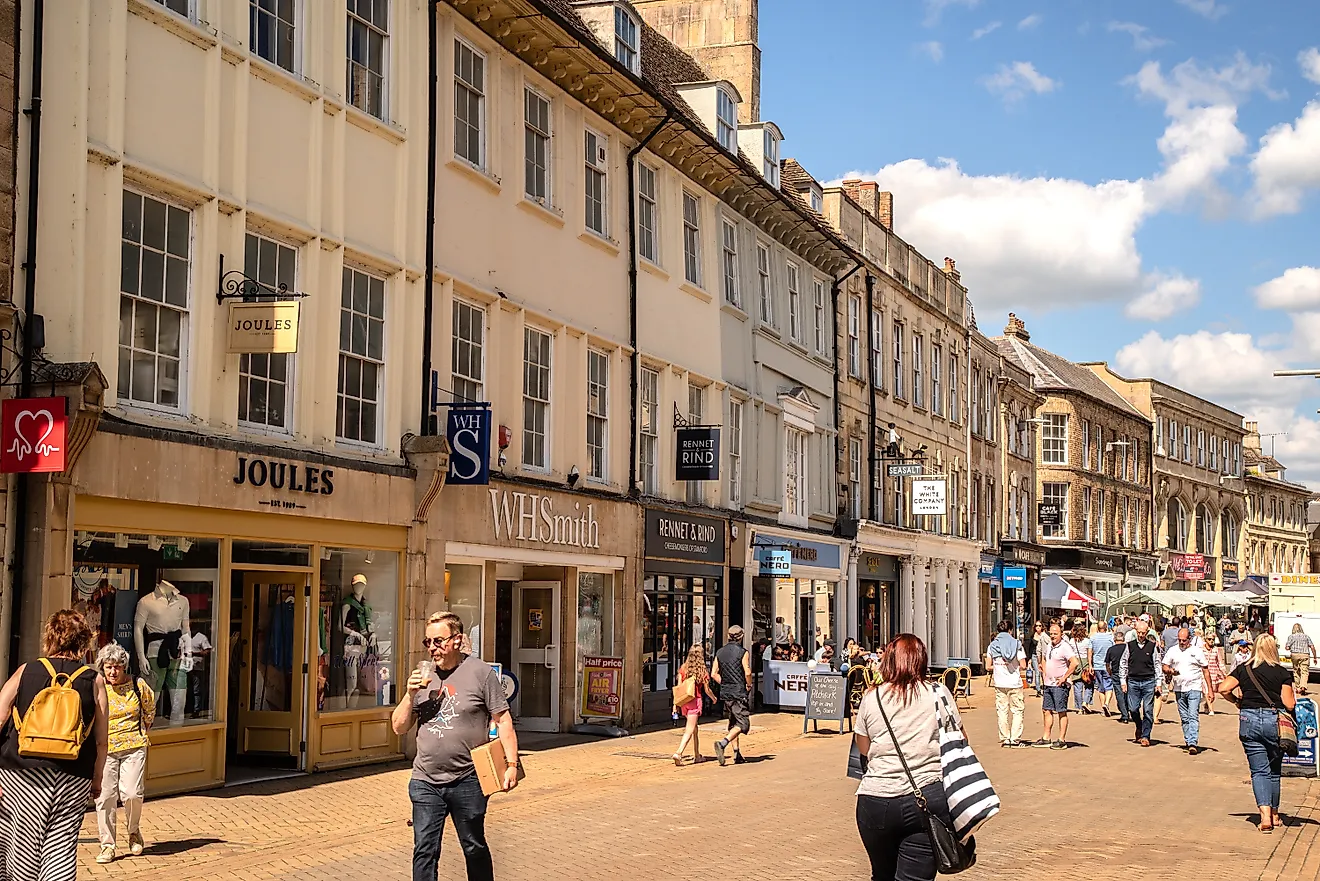
For food, drink, and even accommodations, I recommend The Dirty Bottles on Narrowgate. Named for the cluster of bottles left in its front window since 1725 (and never moved since), go for one of their hearty pub plates paired with a local ale. The Dirty Bottles is also one of the region's best 'pub with rooms' options, placing you within minutes of the castle and the town's best shopping on Market, Bondgate, and Fenkle Streets.
Shanklin, Isle of Wight, England

Shanklin is an ideal spot for an Isle of Wight getaway. Easy to get to in less than an hour by ferry from Portsmouth or Lymington followed by a short (and scenic) drive, this seaside town is well-known for Shanklin Beach and Shanklin Chine, a wooded coastal gorge with a 105-foot drop to the sea. Opened to paying visitors in 1817 when towns like Shanklin were becoming popular tourist spots for their curative sea air, the chine is the oldest attraction on the island and fun to explore.
Poet John Keats stayed in Shanklin in 1819 and wrote admiringly of the chine, and during World War II the ravine carried a section of PLUTO, the 'Pipeline Under The Ocean' that pumped fuel to Allied forces in France after D-Day. You can still see sections of the pipe at the bottom of the chine to this day. The Chine's upper entrance opens into Shanklin Old Village, a cluster of thatched cottages that wouldn't look out of place in the Cotswolds. Here, you can grab a real ale and a tasty traditional pub meal at the Village Inn.

Just a 20-minute drive away, the Isle of Wight Steam Railway runs several restored steam locomotives from its Havenstreet Station. In addition to enjoying a ride in its vintage carriages, I splurged on a 'footplate' experience that allows you to ride up front with the engineer and driver. Afterward, pop into the Train Story Discovery Centre for its displays of the line's oldest carriage, built in 1864 for the opening of the original Ryde to Shanklin route.
For accommodations, I stayed at Snowdon House on Queens Road, a six-room guest house just a five-minute walk from both the Old Village and the cliff walk above Sandown Bay. In addition to its comfy rooms and handy location (it's also close to Shanklin Theatre, the town's venue for touring shows and concerts), its cooked-to-order breakfasts are worth writing home about.
Crieff, Perthshire, Scotland

Known as the 'Gateway to the Highlands,' Crieff is located where the farmland of Perthshire gives way to Scotland's famous mountain region. In the 1700s, drovers herded cattle from across the Highlands to the town's October tryst, a livestock market that briefly turned Crieff into one of Scotland's rowdiest trading posts. That all changed in the Victorian era when travelers came here for the restorative air, leading to the construction of the opulent Crieff Hydro, a hillside resort hotel that opened in 1868.
No visit to Scotland is complete without taking in a whisky distillery, and Crieff has a strong claim. Located just two miles from the town center, The Glenturret is regarded as Scotland's oldest working distillery. Established in 1763 beside the Turret River on a site once used by illicit whisky makers dodging the taxman, tours cover the traditional production methods that yield the famed Glenturret single malt. It's also home to The Glenturret Lalique Restaurant, the only eatery inside a distillery to hold two Michelin stars.

When it came time to choose a place to stay within easy reach of Crieff, I went self-catering at Burnside Cottage on the Monzie Estate. This quiet country estate cottage was recently fully renovated with high-end furnishings and finishes and is ideal for couples seeking a romantic getaway in the foothills of the Highlands. The inclusion of a tour of Monzie Castle, the still-used family seat, was an added perk.
Deal, Kent, England

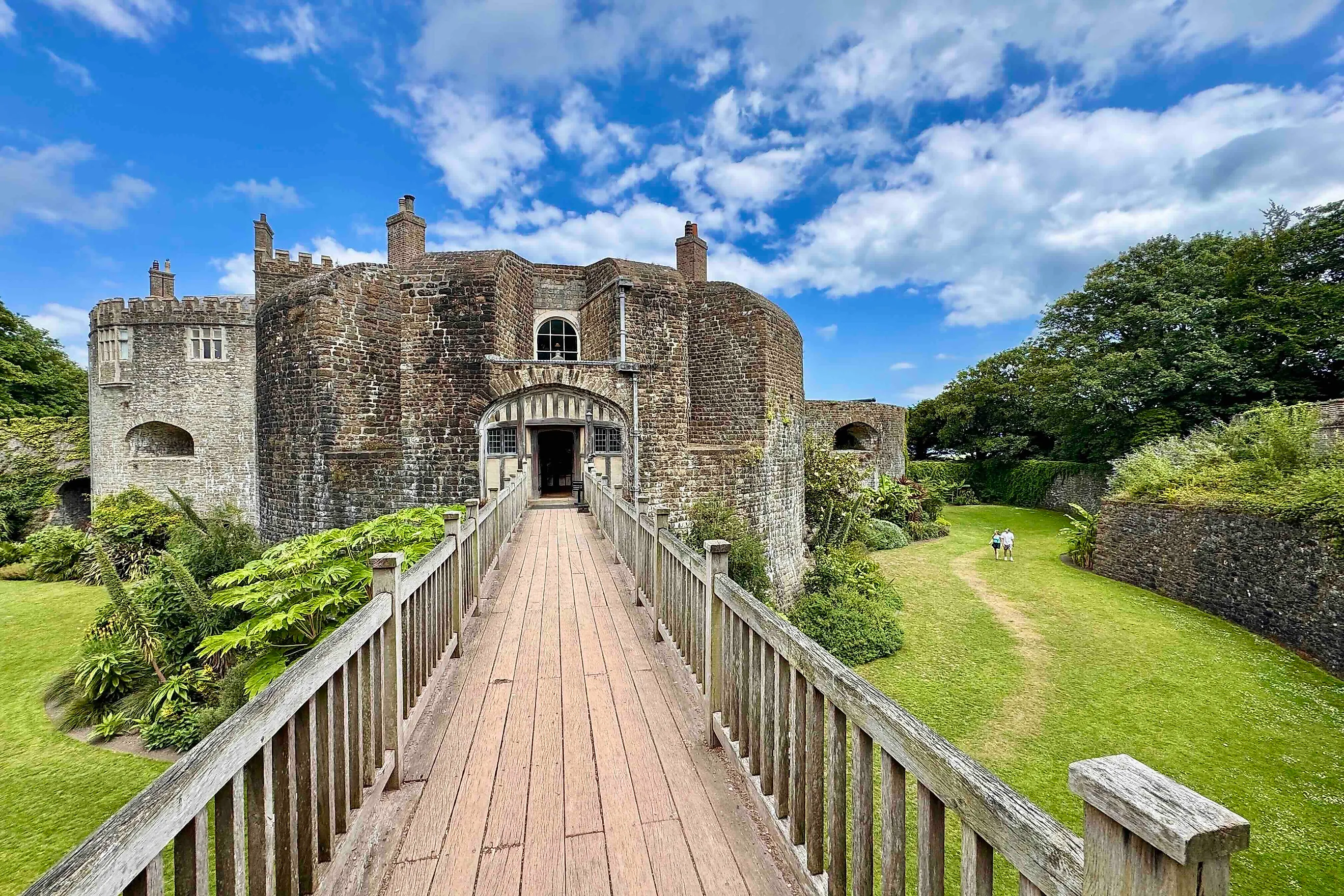
Located a short distance from the historic port of Dover, Deal is an ideal seaside getaway for those needing a break from the nation's capital, London. Two of Henry VIII's coastal artillery forts survive within a level seafront walk of each other. Deal Castle, completed in 1540 as part of the king's coastal defenses against possible French invasion, is shaped like a Tudor rose. Six semicircular bastions ring a central keep, and its 66 firing positions can all be explored.
At the far end of the town's promenade, Walmer Castle and Gardens began as an identical Tudor gun fort before becoming the official residence of the Lord Warden of the Cinque Ports, the officer historically responsible for defending this coast. The Duke of Wellington, the hero general who defeated Napoleon at the Battle of Waterloo, served as Lord Warden from 1829 until his death in 1852. His room remains as it was during his time there, complete with an original pair of Wellington boots. The castle's eight acres of gardens are also fun to visit.

Deal also has another important link with British history. It was here near Walmer Beach that Julius Caesar landed in 55 BC, in the first Roman incursion into Britain. The conquest itself came almost a century later, under Emperor Claudius in AD 43, and Roman rule would last close to four centuries. A seaside stroll will also take you past the Timeball Tower, built in 1821. Its copper time ball was added in 1855 and dropped at 1 p.m. on an electric signal from the Royal Observatory in Greenwich. One of the world's last surviving examples, it still drops today.
While food options and accommodations are plentiful in Deal, the Kings Head does both well. This quality pub with rooms can trace its history to 1746. All rooms are ensuite, and most face the sea. There's also a large terrace out front that looks out at the English Channel, so classic pub grub can be enjoyed al fresco.
Painswick, Gloucestershire, England

It's not for nothing that Painswick is called the 'Queen of the Cotswolds.' Built from riches gained from the wool trade, this pretty town of Cotswold stone houses and winding lanes is the official midway point of the 102-mile Cotswold Way.
St. Mary's Church is a highlight of Painswick's pretty town center. The oldest parts of the church date from 1377, and the tower, built in 1430, still shows scars from cannonballs fired at it during the English Civil War in 1643. The churchyard itself is quite special, the clipped yew trees lining its pathways planted in the 18th century. It's also the scene of the centuries-old Clypping ceremony, held in September when parishioners join hands and form a ring around the church.

On the edge of town, the Painswick Rococo Garden was laid out in the 1740s and is the only complete survivor in the country from the short-lived rococo period of English garden design. Abandoned in the 1950s before being painstakingly restored, its hidden follies and winter snowdrop displays are worth spending a full morning exploring.
As for accommodations, I stayed and dined at The Painswick, a country house hotel with exquisite grounds just a short stroll away from the town center. The rooms are classy and comfortable, and the grounds and their large terrace are a fine place to spend time enjoying a drink and valley views. Dining at the on-site Sauce restaurant is so good you won't want to venture outside the hotel to eat. Well-behaved dogs are welcome.
Keswick, Cumbria, England

Keswick, in the heart of England's Lake District, has held a market since 1276 when Edward I granted its charter. Stalls still fill the town center on Thursdays and Saturdays. From the Moot Hall, the former courthouse that now houses the Keswick Information Centre, it's a short walk to Derwentwater, where the Keswick Launch runs 50-minute cruises around the lake.
Hop off at the western shore for the climb up Catbells, a 1,480-foot fell whose summit takes in the whole of the lake below. Keswick Launch also rents rowboats. Castlerigg Stone Circle, set on a plateau east of town, predates Stonehenge by several centuries.

Famous English writer Beatrix Potter knew these shores well. The writer of classic kids' books like The Tale of Peter Rabbit spent her summer holidays on the lake's northwestern side between 1885 and 1907 and drew much of her inspiration from her stay here.
Rather than staying in town, I based myself at Borrowdale Gates. This country house hotel in Grange-in-Borrowdale, the hamlet at the southern end of Derwentwater, made an ideal base for exploring Keswick and the Lake District. If it's available, book the spacious Millican Dalton suite: it comes with a large ensuite and a patio overlooking pasture and those scenic Lake District peaks. Dinner in the hotel's restaurant is a treat, especially with those same wonderful fell and garden views.
Dumfries, Dumfriesshire, Scotland

A visit to Scotland requires at least a little bit of Robbie Burns, and Dumfries is the place to find it. Creator of the much-loved Auld Lang Syne and Scotland's national poet, Burns spent the final years of his life in Dumfries, and the town has done a great job of preserving his memory. Born in Alloway in Ayrshire, Burns moved here in 1791 to work as a tax officer and died at his home on what is now Burns Street on July 21, 1796. He was just 37.
Now a museum, Robert Burns House displays original manuscripts along with the windowpane where he scratched his name with a diamond stylus. His remains lie a short walk away in the Burns Mausoleum in St. Michael's churchyard. Look for the elegant white domed monument where the poet was moved in 1815 after admirers, Sir Walter Scott among them, raised funds for a memorial befitting his stature.

The Burns Trail connects these sites with others across town, including the Robert Burns Statue, unveiled in 1882, and the statue of his wife, Jean Armour, which faces the churchyard where she was buried alongside him in 1834. The Robert Burns Centre rounds out the trail with exhibits covering his Dumfries years.
For a meal with a Burns twist, head to the Globe Inn, the High Street pub the poet called his 'Howff,' an old Scots word for a favorite haunt. Established in 1610, pre-dinner tours of the rooms he used include the bedchamber where he also etched verses into the windowpanes. The chair from which he read the news and told stories is still there, and don't be surprised if you're invited to take a seat and recite a Burns verse. As for accommodations, I stayed at the Cairndale Hotel and Spa, an easy walk from the town center and its Burns landmarks.
Two Days Is All It Takes
For an unforgettable UK getaway, these eight towns each offer landmark attractions, great food and drink experiences, and a comfortable bed close to (or in) the town center. Whether you shoot for a 1722 coaching hotel on a market square, a two-person estate cottage outside Crieff, or a seafront pub with rooms in Deal, you're guaranteed a recharge to remember.