7 Small Towns in Southern California to Visit for a Weekend Getaway
Max III is a golden retriever and the current mayor of Idyllwild, California. He inherited the office in 2014 from his father, who inherited it in 2013 from his father Maximus, who founded the position in 2012. The mayoral elections double as a fundraiser for Animal Rescue Friends of Idyllwild, though the dogs themselves do not appear aware of this. Seven Southern California towns follow. Some have dog mayors. One has a French bistro that earned a Michelin star within three years of opening in a town of 1,800 people. One has a 1929 ballroom that has never gambled. Each runs on its own particular logic, and each fits a different weekend from Los Angeles or San Diego.
Ojai

Ojai sits in a small east-west inland valley about 35 minutes east of Ventura, with the Topatopa Mountains forming the eastern wall. and that east-west orientation is the whole reason the Pink Moment happens. The mountains catch the last light differently from a north-south range, and the result is roughly ten or fifteen minutes after sunset when alpenglow turns the eastern range a saturated pink before fading to dark. People schedule dinner around it. The town runs about 7,500 residents. Since the 1980s the 1917 Arcade District has banned almost all commercial signage and chain franchises, which is why the downtown stays pedestrian and the storefronts independent. You will not see a Starbucks. By design.
Bart's Books, an outdoor used bookstore opened in 1964, runs more than 100,000 volumes across open-air courtyards and exterior walls. The shop leaves a few shelves of cheaper books on its outer walls overnight and trusts the public to drop payment in an honor box. People do. Sixty years and counting. The Ojai Valley Trail, a 9.5-mile paved path along a former Southern Pacific right-of-way, runs all the way down to Ventura and works for cycling, walking, and the occasional horse. The Ojai Music Festival each June brings serious contemporary classical programming to the Libbey Bowl outdoor amphitheater. Pulitzer-track composers, world premieres, the kind of programming you'd expect in Berlin in a town the size of a suburb. The Ojai Valley Inn has anchored the resort scene since 1923 with a Wallace Neff-designed main building. Same Wallace Neff who designed houses for Cary Grant and the Pickfair Estate. Old money. New money. Same valley.
Los Alamos

Los Alamos sits in the Santa Ynez Valley about 50 minutes northwest of Santa Barbara with a population of about 1,800. The town was founded in 1876 on the old Southern Pacific stage route, and the original wooden storefronts on Bell Street have survived in working condition mostly because the town never grew big enough to make demolition profitable. Failure of growth as accidental preservation. The four-block downtown now operates as one of the more interesting food and wine stops on the Central Coast.
Bob's Well Bread Bakery, in a former 1920s gas station on Bell Street, runs naturally-leavened French and Italian breads and supplies restaurants up and down the Central Coast wholesale. Get there before 11 a.m. The good loaves are gone by lunch. Bell's, a small French bistro that opened in 2019 inside a former rancher's bar, earned a Michelin star within three years. the first restaurant in Santa Barbara County to do so. The dining room seats maybe 30. The reservation system books out two months ahead. The Los Alamos Mercantile, originally an 1880s general store, now operates as a small boutique inn for in-town overnight stays. Lo-Fi Wines runs an outdoor tasting room serving low-intervention wines from the Sta. Rita Hills AVA just south, and a half-dozen other small producers have set up tasting rooms within walking distance. The whole downtown can be walked in 12 minutes. Plan to spend much longer.
Idyllwild

Idyllwild sits at 5,400 feet in the San Jacinto Mountains, two hours east of Los Angeles and 30 minutes from Palm Springs. The unincorporated town runs about 3,800 permanent residents and elected its first dog mayor in 2012. The original. Maximus Mighty-Dog Mueller, a golden retriever. served until his death in 2013 and was succeeded by a son and then a grandson named Max III, who currently holds the office. The mayoral election runs as a continuous fundraiser for Animal Rescue Friends of Idyllwild and is taken seriously by everyone except, technically, the mayors themselves. Visit during a campaign and you will see actual campaign signs for actual dogs in actual storefronts.
Mount San Jacinto State Park covers about 14,000 acres of high-country wilderness west of town with more than 30 trail miles. Devils Slide Trail is the standard introduction. The 16-mile round-trip to San Jacinto Peak at 10,834 feet is the longer haul, accessible from town or from the Palm Springs Aerial Tramway on the eastern side of the mountain. Take the tram and ride up to alpine forest in ten minutes starting in desert. a vertical change that takes most mountains a long day's drive. The Idyllwild Arts Academy, a private boarding high school for the arts founded in 1946 on a former summer chautauqua site, runs public summer programs in dance, music, and visual arts that anyone can sit in on. The Idyllwild Nature Center on 202 Riverside County acres runs interpretive trails through ponderosa-pine forest. Bring layers. Bring water. The air gets thin enough to notice.
San Juan Capistrano

San Juan Capistrano sits in southern Orange County roughly halfway between Los Angeles and San Diego, with a population of about 35,000. Mission San Juan Capistrano was founded on November 1, 1776, by Father Junípero Serra. yes, while the rest of the country was busy with revolution. and is the seventh of the 21 California missions. The Great Stone Church on the mission grounds, completed in 1806 and largely destroyed by an earthquake on December 8, 1812, is the most-photographed ruin in the California mission system and the reason most travelers come. Forty Native worshippers were inside the church when it collapsed. The town has not forgotten them.
The mission's swallows famously return from Argentina every spring around March 19, Saint Joseph's Day. a migration tradition that became a folk story through the 1939 song "When the Swallows Come Back to Capistrano," and yes, the swallows actually do come back. They take their time about it now (mission renovations in the 1990s pushed many of them to nearby buildings), but the migration is real. The Los Rios Historic District, just south of the mission, is the oldest continuously inhabited residential neighborhood in California, with three of its roughly 30 buildings constructed by Mission Indians in 1794. Three buildings. Lived in for 230 years and counting. The 1894 Santa Fe Depot still operates as a working Amtrak Pacific Surfliner station, and the original Beaux-Arts depot now houses restaurants and a small history museum. The trains still run. People still ride them. The romance of California rail is alive here in a way it isn't anywhere else south of Los Angeles.
Avalon

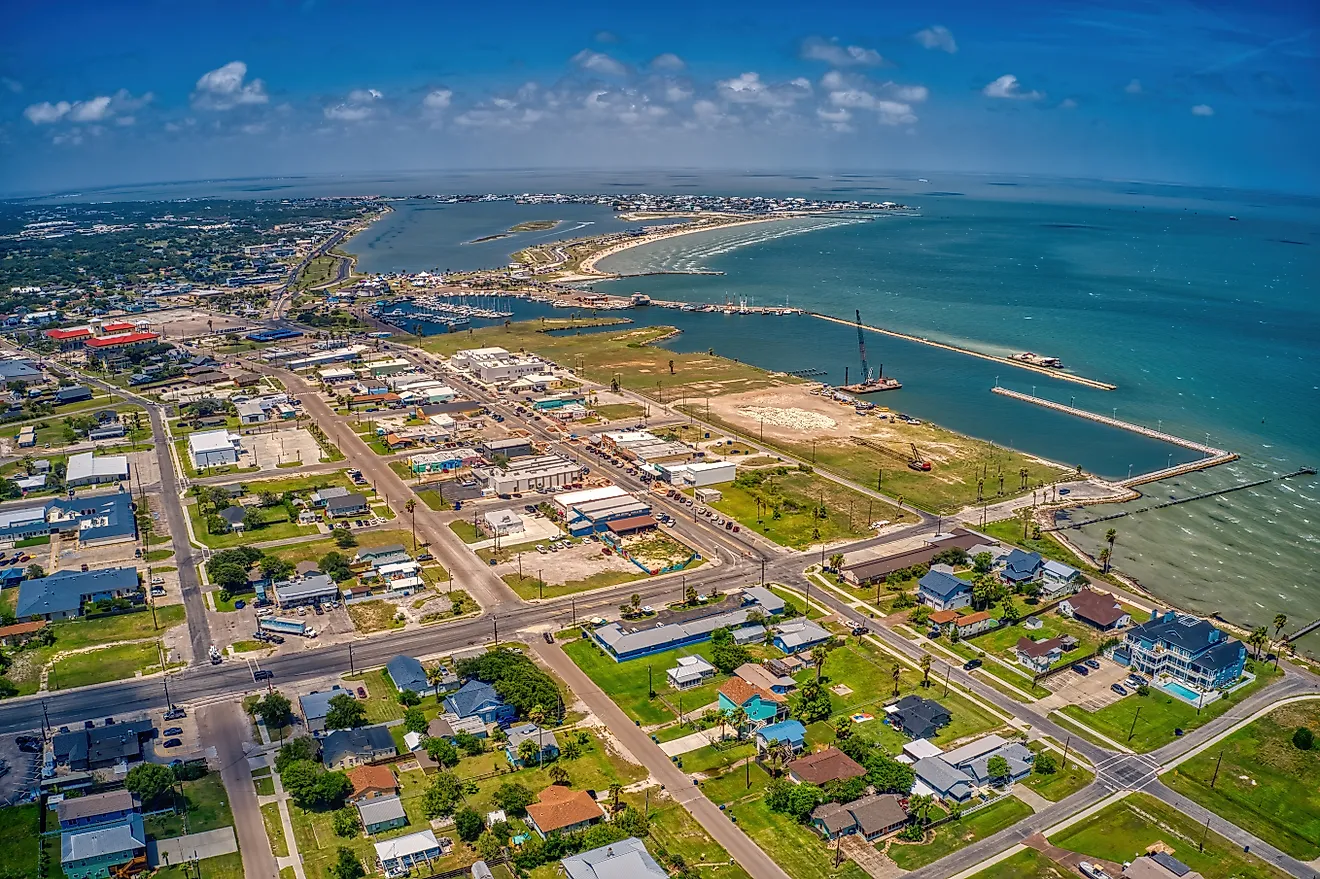
Avalon is the only incorporated city on Santa Catalina Island, 22 miles off the coast and reached by Catalina Express ferries from Long Beach, San Pedro, and Dana Point. The crossing takes about an hour. Seasoned passengers move to the open deck because the channel can build a real swell, and people who insist on staying inside the cabin regret it.
The 1929 Catalina Casino, a 12-story circular building visible no matter how you approach the harbor, has never housed a gambling operation. The Italian word "casino" was used in its original sense of "gathering place," which trips up first-time visitors who arrive expecting a card room. The building holds the world's first theater designed specifically for sound films and a third-floor ballroom that hosted big-band radio broadcasts in the 1930s and 1940s. The Wrigley family (yes, the chewing-gum Wrigleys) owned almost all of Catalina from 1919 to 1975 and used the island as the spring training site for the Chicago Cubs from 1921 through 1951. The Cubs would sail over, practice on a baseball field cut into a hillside, and sail back. The waters around Avalon are protected as the Casino Point Marine Park, the first state-designated underwater dive park in California (1965). Sea bass. Garibaldi, the bright orange state fish. Kelp forests as tall as buildings. The wreck of the Catalina Flyer, sitting upright on the sand 25 feet down. Some of the most accessible shore diving on the West Coast. gear up at the steps, walk in, and you are immediately surrounded.
Julian

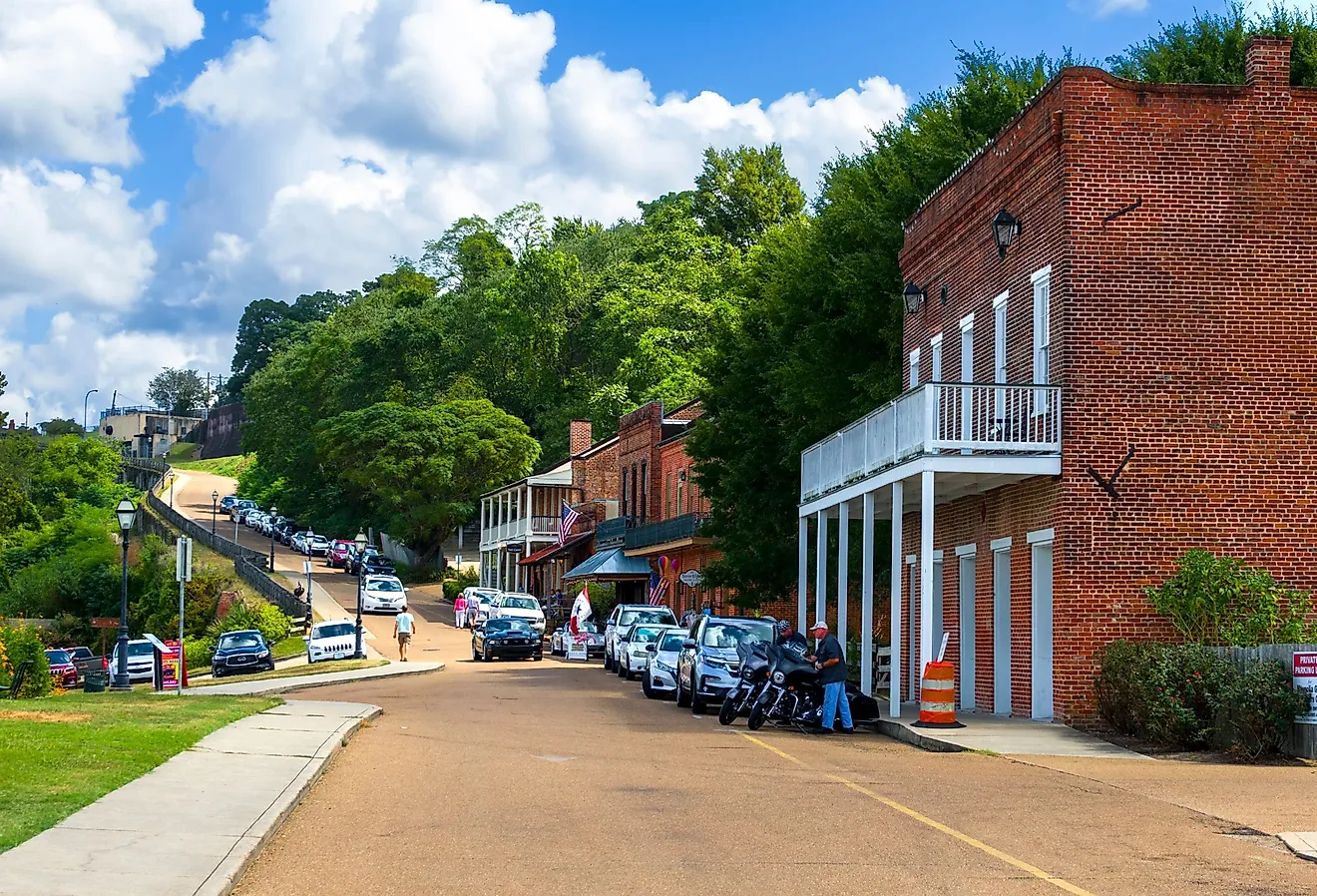
Julian sits in the Cuyamaca Mountains an hour northeast of San Diego at 4,235 feet of elevation. About 1,500 residents. The town was founded in February 1870 by the Bailey and Julian brothers. four ex-Confederate soldiers from Georgia, who showed up after the Civil War looking for a fresh start and got it when Frederick Coleman discovered placer gold in a nearby creek the prior fall. Mike Julian, one of the four brothers, was the namesake. The Eagle and High Peak Mine, which ran underground hard-rock mining commercially until 1942, still runs underground tours through the original tunnel system. Bring a sweater. The mine sits at a consistent 56 degrees year-round, which feels wonderful in August and aggressive in January.
Apple cultivation started in Julian in the 1870s, and the surrounding hills now produce the southernmost commercial apple crop in California. Pippins, Jonagolds, Honeycrisps. Calico Ranch and Volcan Mountain Wilderness Preserve both run pick-your-own apple and pear seasons every September and October. The Julian Apple Days Festival, running since 1909, fills the downtown for two October weekends and is the busiest stretch of the year by a wide margin. The Julian Pie Company on Main Street, founded in 1986, supplies most of the town's apple-pie demand and is the standard answer when anyone asks where to get a slice. Get it warm. Get vanilla ice cream on it. Do not skip this. The pie is the reason people drive an hour up from San Diego.
Solvang

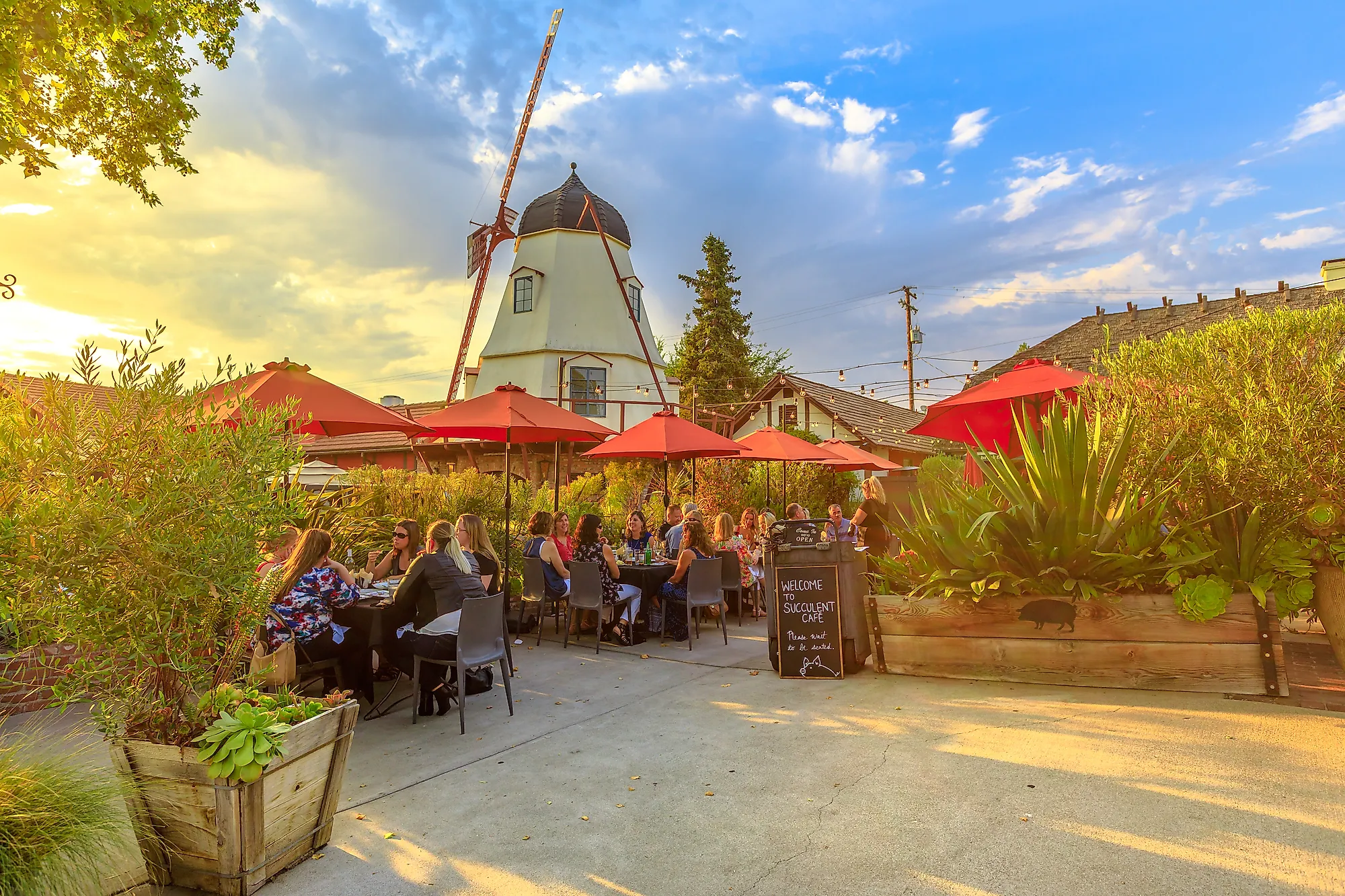
Solvang was founded in 1911 by Danish-American educators who bought about 9,000 acres in the Santa Ynez Valley to establish a Danish Lutheran folk school. The town runs about 6,000 residents today. The Solvang you see now, with half-timbered facades and working windmills, is largely a 1947 redesign by Earl Petersen, a Hollywood set designer who proposed remaking the town in Danish provincial architecture to attract tourists during the post-war highway boom. It worked. Solvang now draws around 1 million visitors annually, which is the rare case of a tourist gimmick that became real over time. three generations later the half-timbered houses are simply the houses, and the people who live in them aren't acting.
Olsen's Danish Village Bakery and Mortensen's Danish Bakery both serve aebleskiver (Danish spherical pancakes dusted with powdered sugar and served warm with raspberry jam) and flødeboller (chocolate-covered marshmallow treats that look like small domes). The Elverhoj Museum of History and Art, in a 1950 home built by a Danish-American artisan family, runs exhibits on Solvang's founding and on Danish folk arts. The Hans Christian Andersen Museum upstairs from a downtown bookstore holds first editions and a small replica of the author's Copenhagen apartment. Old Mission Santa Inés on the western edge of town, founded in 1804, is the 19th of the 21 California missions and the actual reason the Danish settlers chose this particular valley. they bought their original farmland from the mission, before they bought into the half-timbered look.
Pick By The Anchor
Each of the seven towns fits a different kind of weekend. Ojai runs on the spa and music-festival rhythm and the Pink Moment. Los Alamos runs on the new Central Coast wine and food scene and a four-block downtown that does not bore. Idyllwild runs on mountain air, the dog mayor, and the tramway that climbs into alpine forest in ten minutes. San Juan Capistrano runs on the 1776 mission, the swallows, and the Los Rios buildings still standing from 1794. Avalon runs on the only-island-town-in-Southern-California experience. Julian runs on apples, pie, and the Gold Rush legacy. Solvang runs on the post-war Danish revival that turned real over three generations. Pick the weekend by the anchor, not the mileage.