7 Most Neighborly Towns In The Maritimes
The Maritimes comprise much of Canada's eastern seaboard and offer a distinct mix of cultural traditions and coastal scenery. The region is less densely populated than central or western Canada, defined more by its smaller communities (fishing villages, Loyalist port towns, and Acadian and UNESCO heritage settlements) than by large urban centers.
Below are seven of the most neighborly communities in the region, spread across Nova Scotia, New Brunswick, and Prince Edward Island, with notes on what makes each of them stand out.
Lunenburg, Nova Scotia

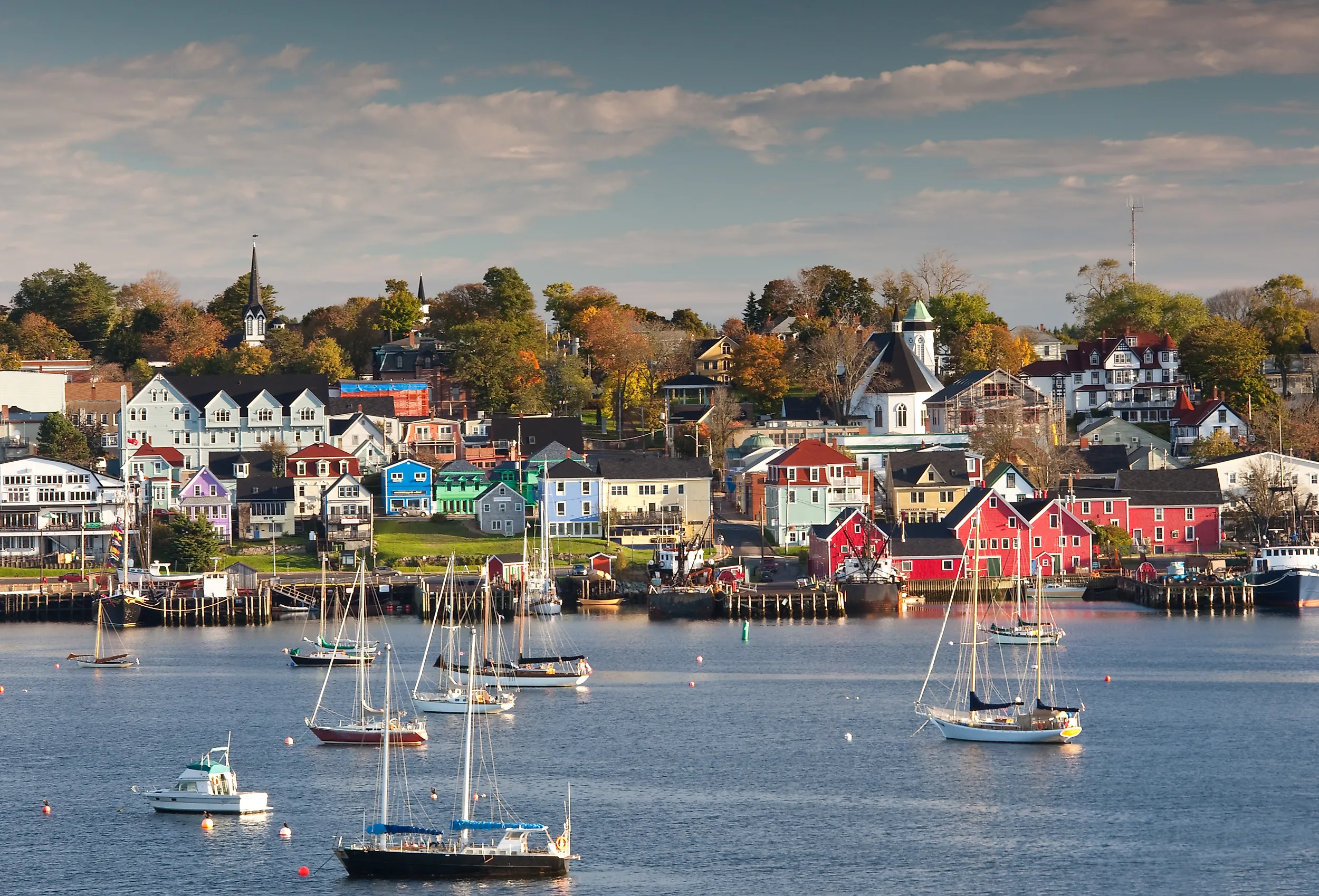
Lunenburg stands out as one of the best communities to visit in Nova Scotia due to its well-preserved downtown area dating back to the 18th century. A UNESCO World Heritage Site, the town's historic core features brightly painted buildings, narrow streets, and a busy waterfront that still reflects its legacy as an important shipbuilding hub.
A popular spot to visit is the Fisheries Museum of the Atlantic, which provides deep insight into the region's seafaring traditions, while the Bluenose II, a replica of Canada's famed racing schooner, often docks nearby in the harbor. Lunenburg's waterfront is also lined with many great restaurants serving fresh Atlantic seafood, distilleries, and locally owned shops.
Lunenburg also hosts a number of notable cultural events like the Lunenburg Folk Harbour Festival, drawing musicians from across Canada.
Beyond the town center, you are free to explore scenic trails or check out the surrounding coastal area, which includes the famed Oak Island, known as a spot that might be hiding a cache of mysterious pirate treasure.
St. Andrews, New Brunswick

St. Andrews, commonly called St. Andrews-by-the-Sea, was founded in 1783 and combines its historic character with access to the Bay of Fundy's coastline.
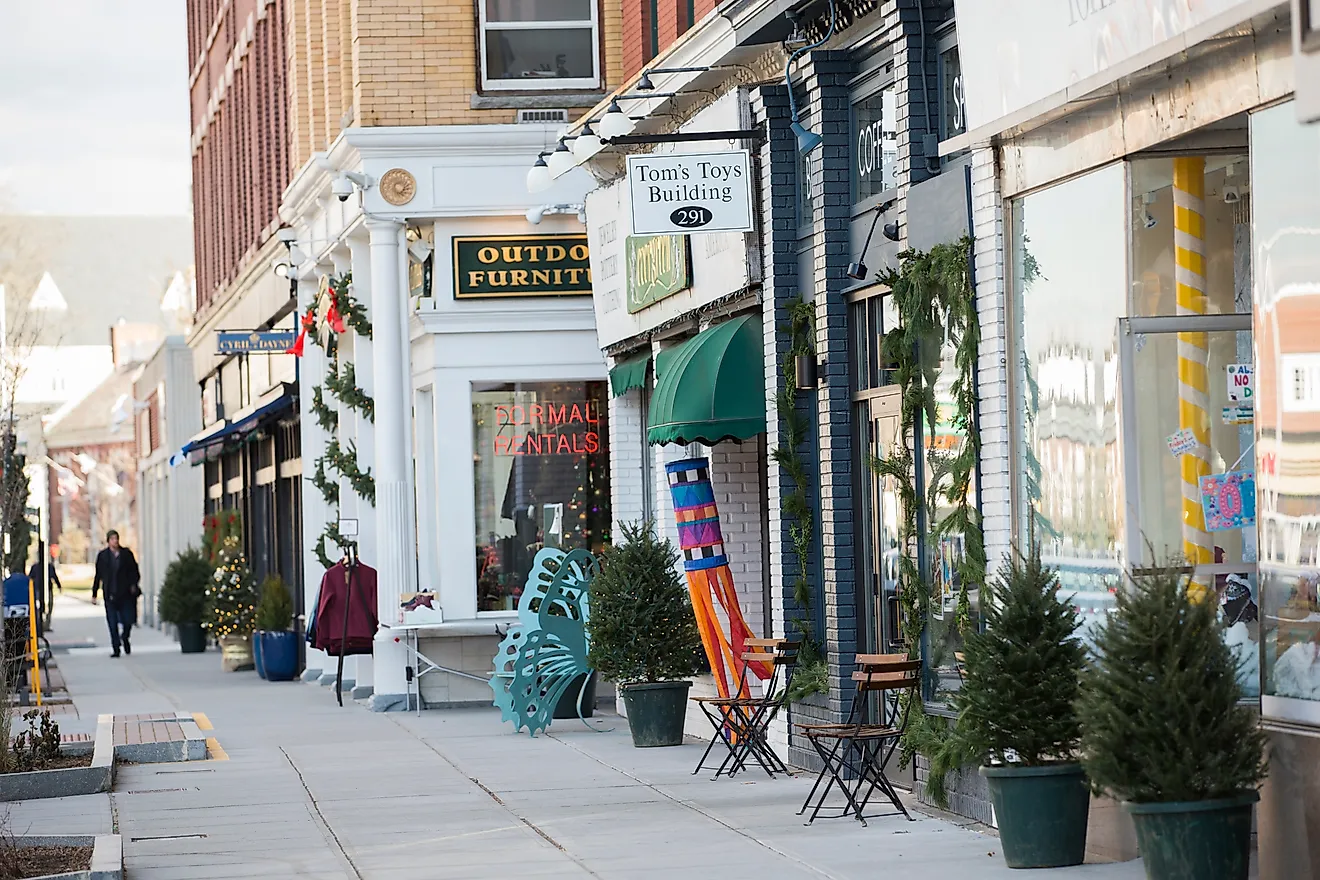
Water Street, the town's main thoroughfare, is home to a nice selection of art galleries, mom-and-pop shops, and restaurants specializing in local seafood. The Red Herring Pub at 211 Water Street is considered a must-visit, with its simple yet delicious menu and views over the water, located just steps from the wharf.
What pleases many history buffs is the fact that many of the town's original 19th-century buildings remain intact, contributing to its designation as a National Historic District. Examples of historic landmarks downtown include the Sheriff Andrews House and the Ross Memorial Museum.
Nature is central to the experience in St. Andrews too. Ministers Island, for example, is accessible only at low tide and offers a glimpse into the summer estate of railroad tycoon Sir William Van Horne. Moreover, the Kingsbrae Garden, a 27-acre horticultural showcase, features themed gardens, walking trails, and a resident alpaca herd.
For those interested in marine life, whale-watching excursions often leave the harbor, providing you with a way to see local wildlife like humpbacks and minke whales.
Mahone Bay, Nova Scotia

Mahone Bay's allure rests in its scenic harbor, well-developed arts community, and rich maritime history dating back to the 1750s. Its waterfront is home to a collection of colorful heritage buildings, including the famous three churches that have become a symbol of the town: the St John's Evangelical Lutheran, Trinity United, and St James' Anglican.
The town also hosts the Mahone Bay Scarecrow Festival and the Wooden Boat Festival, celebrating its long connection to the shipbuilding industry.
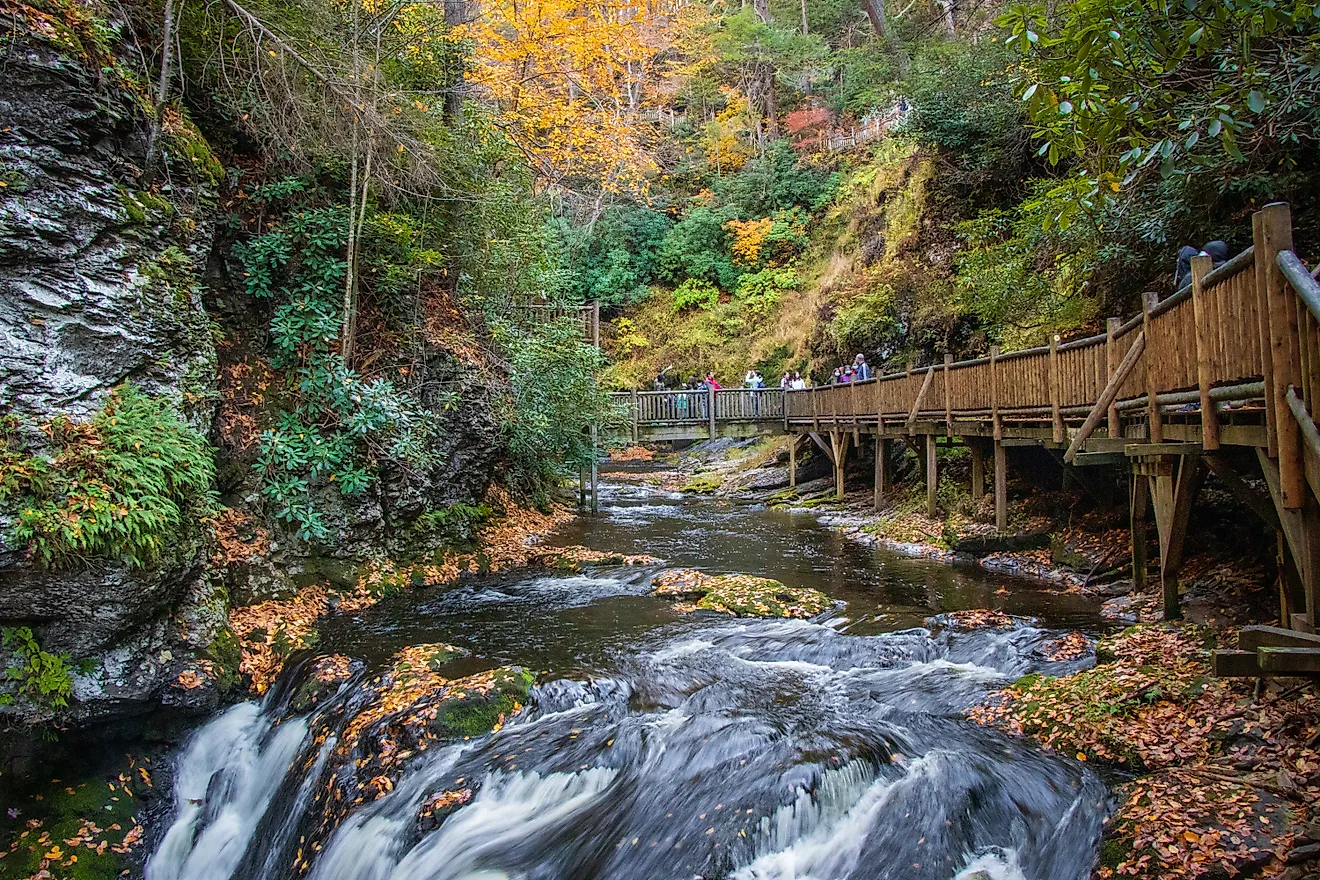
On the other hand, outdoor activities make Mahone Bay an ideal destination for those looking to experience Nova Scotia's natural beauty. Kayaking and sailing are popular along the sheltered waters, while nearby trails provide routes for walking and cycling with views of the coastline.
Just a short drive from Lunenburg and Chester, Mahone Bay is well-positioned for exploring Nova Scotia's South Shore on a trip that stops at multiple towns we highly recommend.
Souris, Prince Edward Island

Souris is a small but very worthwhile destination that serves as both a gateway to the Îles de la Madeleine and a fun spot in its own right. As with many other parts of the island, it is known for its sandy beaches, red cliffs, and active fishing wharf, offering you a classic Prince Edward Island experience.
Start your journey here at the Souris East Lighthouse. Standing since 1880 on Knight Point above the harbor, this 14.3-meter wooden tower offers panoramic views of the Gulf of St. Lawrence and an exhibit on the region's history.
Experience more of PEI's underrated natural beauty at Sea Glass Beach. Just a short walk from the town harbor, this locale draws visitors searching for colorful fragments smoothed by the ocean as well as those simply looking for a nice sandy patch to kick back on. Furthermore, Basin Head Provincial Park, a short drive away, is home to the "singing sands," where fine quartz grains produce a distinct sound underfoot.
The town's seafood industry remains central to daily life for residents and visitors alike, with local restaurants and markets featuring freshly caught lobster, mussels, and oysters. Festivals in Souris, including the annual Mermaids Tears Sea Glass Festival, further highlight the town's strong ties to the sea.
Shelburne, Nova Scotia

Shelburne is a historic waterfront town that was once a vital shipbuilding hub and a Loyalist stronghold in Canada. Founded in 1783 by British Loyalists fleeing the American Revolution, it quickly became one of the largest settlements in North America, with a peak population of around 10,000 by 1784.
Today, Shelburne's historic district preserves its storied past through a number of original 18th-century buildings, including the Shelburne County Museum and the Dory Shop Museum, where traditional wooden boats are still crafted by hand. Another noteworthy spot is Shelburne Harbour, one of the deepest natural harbors in the world and one that has supported fishing and shipbuilding industries for centuries, part of what made the British Empire the seafaring power that it was.
Shelburne's scenery has also become a filming location for period dramas, like the 1995 film The Scarlet Letter and a Moby Dick mini-series, with its well-preserved architecture standing in for a variety of historical settings.
Make sure to also pay a visit to Sandy Point Lighthouse or take a short trip to The Islands Provincial Park for oceanside trails and birdwatching.
Victoria-by-the-Sea, Prince Edward Island

Founded in the early 19th century, this once-busy fishing and trading port has transformed into a destination known for its wealth of historic landmarks, artisan scene, and generally relaxed pace, perfect for those looking for a break from city life.
The village's streets lead to a working waterfront, where you can watch fishing boats come and go or stop by the Victoria Seaport Museum to learn about the area's past, which has endured since the early 1800s. The museum is housed in the 1879 Leard's Front Range Light, a wooden range tower that opened to the public as a museum in 1990.
The town is also home to the Victoria Playhouse, one of Prince Edward Island's longest-running little theatres, which hosts performances throughout the summer. If you want to further explore the local art scene, Victoria-by-the-Sea is also home to several galleries and studios, like Red Sand Jewelry and Fine Art, showcasing island-made jewelry, paintings, and other crafts.
For some nice sights in the great outdoors, Victoria Provincial Park sits just south of town, featuring an array of beaches and other seascapes for you to walk around in and enjoy a sunset over the water if you arrive at the right time.
Caraquet, New Brunswick

Many argue that Caraquet is the heart of Acadian culture in New Brunswick. The site was first settled around 1731 by Breton trader Gabriel Giraud dit Saint-Jean, who married a Mi'kmaq woman and established a small community at the mouth of Isabelle Creek in what is now Lower Caraquet. After the Expulsion of the Acadians from Nova Scotia and southern New Brunswick beginning in 1755, Alexis Landry led a group of Acadian refugees to resettle nearby at Sainte-Anne-du-Bocage in 1757, and the Royal Proclamation officially granted land to 34 families of Acadian, Norman, and Mi'kmaq origins in 1774. Today the town remains a center of Francophone heritage, with French widely spoken and celebrated through local music, festivals, and cuisine. The Village Historique Acadien, just outside town, recreates traditional Acadian life from 1770 to 1949 with costumed interpreters and preserved period buildings.
Each August, the town hosts the Festival Acadien, one of the largest Acadian celebrations in Canada, culminating in the Tintamarre on August 15 (Acadian National Day), a lively parade where participants make as much noise as possible in a show of cultural pride.
Besides its history and culture, Chaleur Bay sits nearby and provides a prime location for sailing, fishing, and beachcombing. As with most other towns on this list, seafood is central to local dining here too, with freshly caught lobster, crab, mussels, and other Atlantic catch available at a number of restaurants and markets. Spots like Restaurant du Quai and Origines Cuisine Maritime allow you to taste the Maritimes' connection to French Canadian culture.
Check Out These Friendly Maritime Communities
The Maritimes offer a distinct kind of Canadian travel defined by historic downtown quarters, working coastal harbors, and the layered Indigenous, Acadian, and Loyalist histories preserved at the museum and festival level. The region's draw is the scale of its communities and the slower coastal pace they sustain. Any of the seven towns above is well worth a stop on a trip through the region, whether driving Nova Scotia's scenic southern coast, exploring New Brunswick's Acadian Peninsula, or following Prince Edward Island's eastern coastal drive.