7 Delaware Towns Where Time Stands Still
You do not have to be a history buff to appreciate the timeless appeal of historic streetscapes found throughout Delaware. Unexpected attractions like a cannonball lodged in a house foundation in Lewes, hand-painted boat sculptures in Milford, or a Revolutionary War spy game in New Castle pull you into local history in unexpected ways. Here are seven Delaware towns where time stands still, with discoveries worth the trip for road trippers, weekend getaway seekers, and general vacationers.
Lewes

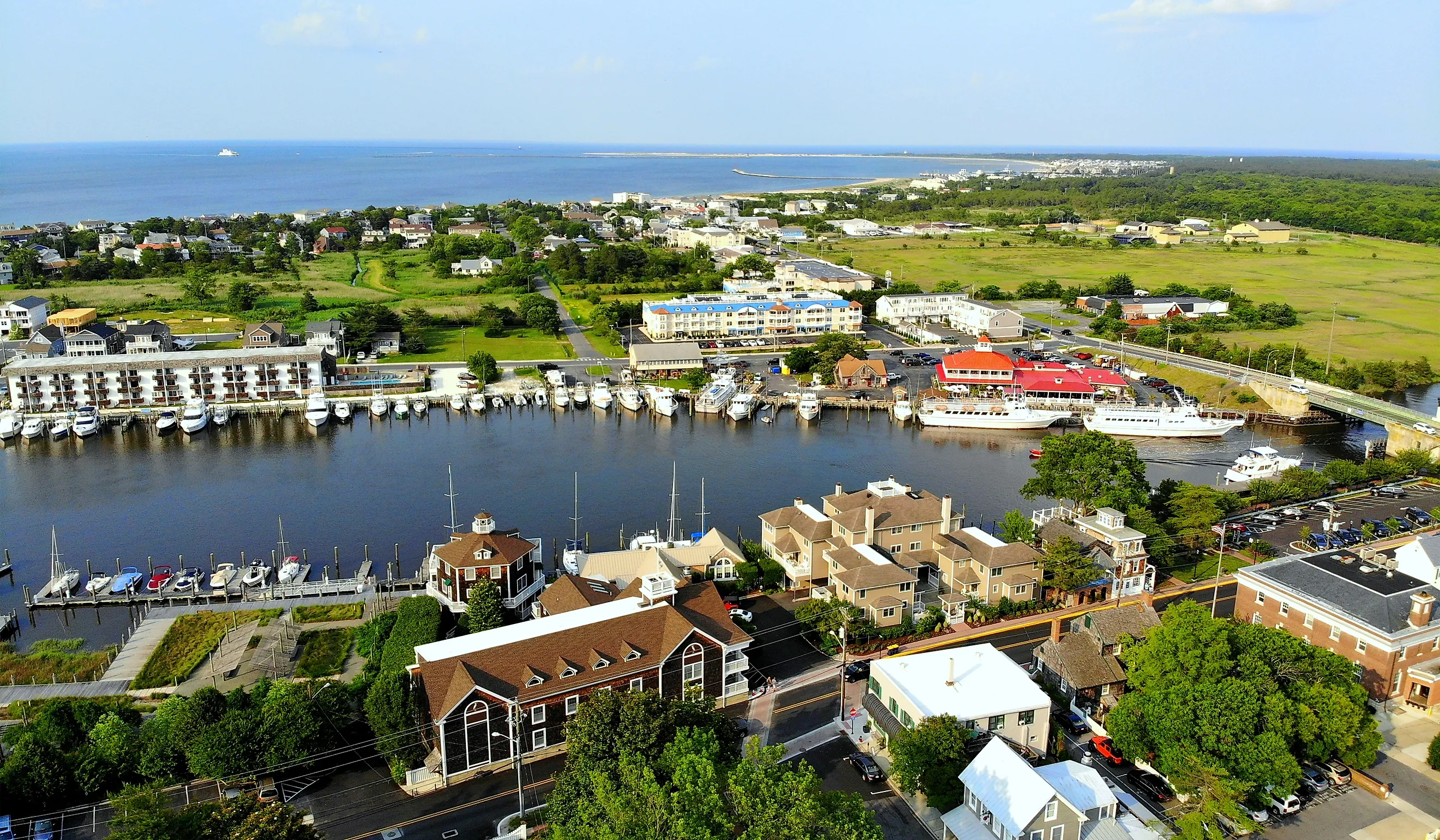
Lewes' rocky start as an ill-fated Dutch whaling station in the early 1630s kicked off a hectic history with infamous pirate ribaldry in the late 1600s and an attack by British warships in the War of 1812. A position at the confluence of the Delaware Bay and the Atlantic Ocean eventually established Lewes as a seafaring town where the sight of fishing boats heading out for charter tours and the call of seagulls circling over the harbor carry on the maritime tradition. Known as the "First Town in the First State," Lewes' waterfront blooms with cherry trees and tulips in the spring, and tall ships and sailboats line the canal in the summer. Front Street meets the canal at a little historical corner where the cannons that defended the town in 1813 sit in a green overlooking the water across from a British cannonball lodged in the foundation of Cannonball House.
The Zwaanendael Museum's baroque-style red-brick façade is modeled after a Dutch town hall, commemorating Lewes' Dutch settlers with exhibits that cover the town's social, maritime, and military history. Laze on the beaches at Cape Henlopen State Park, hike the maritime forests, or bike along the shoreline and settle in at The Wheelhouse for rum cocktails and dinner on the canal.
New Castle

In a colonial town that raised the flags of the Netherlands, Sweden, and Great Britain in quick succession, the riverfront community of New Castle is still filled with intrigue. Now a National Landmark Historic Area, would-be larpers can step into the role of a Revolutionary War spy through New Castle's Liberty & Intelligence historical gaming adventure. Have lunch at Jessop's Tavern, set in a building dating to 1674, for authentic dishes and ale served in old-timey mugs, where the fireplace, wide-plank wood floors, and period-costumed servers make you feel like you have stepped into a historic movie scene.
The heritage homes and buildings are forever preserved as the world changes around them, including the town's earliest remaining Georgian residence, Amstel House. Built around 1738, the architecture speaks to the town's prosperity and influential figures who lived there, including Governor Nicholas Van Dyke, who hosted Washington at his daughter's wedding. Tour the 14,000-square-foot Read House, a grand Federal-style mansion known for its impeccable examples of "punch and gouge" interior woodwork, and check current notices before planning time in the gardens.
Smyrna

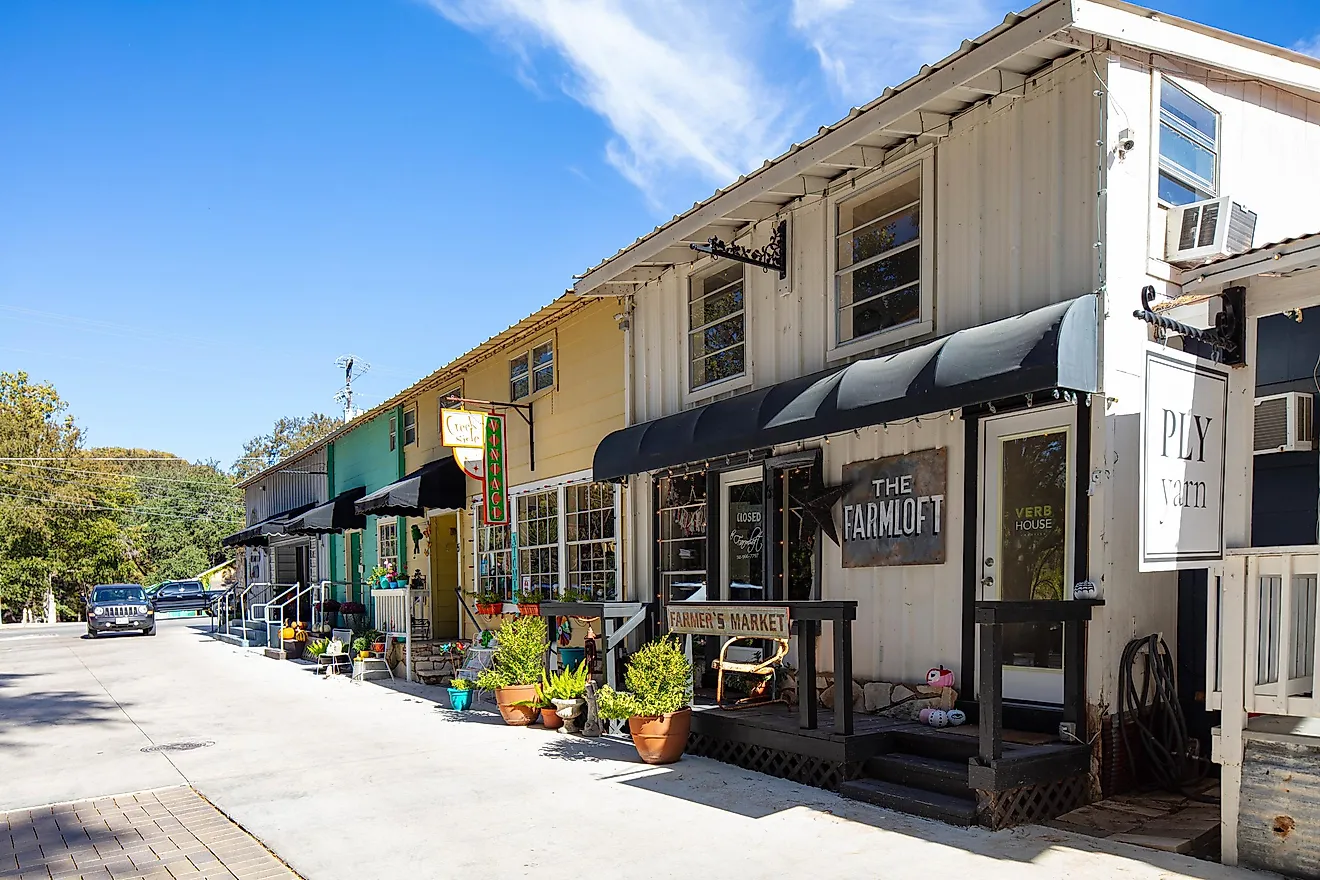
Set on the southern bank of Duck Creek, this former hub for merchant vessels originally spread out no more than a quarter of a mile from its crossroads. Today, Smyrna spans about 6.24 square miles of land, where stops like the Smyrna Opera House and Old Town Hall building and the Smyrna Museum Complex take you back to the town's early glory days. Cheerful clapboard and brick buildings line the main street, lit by period streetlamps in the evening. The 1870 opera house tower stands tall above the main street as ticket holders arrive to take in live music shows, art exhibits, and events. Tours at the Smyrna Museum Complex include a 1790s Georgian brick home and one of the last original examples of early Swedish Delaware plank dwellings, dating back to the late 1700s.
Buildings like the late-1940s Old Smyrna Theater have reinvented themselves to cater to the changing needs of the town. Now home to Painted Stave Distilling, the former movie house honors its roots with preserved theater details, while the cocktail garden is a good spot to try creative drinks made with artisanal spirits alongside tacos from the on-site truck. Tour the circa 1770s Belmont Hall event center across from Lake Como, which once served as a meeting place during the American Revolution.
Milford

The riverside town of Milford's mile-long scenic path runs along the Mispillion right into the heart of downtown, where a collection of sporadically displayed hand-painted boat sculptures adds a touch of whimsy. Despite a slow start back in the 1680s, Milford's position on the Mispillion River and rich white oak forests helped drive the town's economy until diminishing wood supplies caused a downturn in the 1920s. Hence, the boats. Whimsy also played a role in the town's modern history when it petitioned Delaware officials to make the ladybug the state's bug in the 1970s. Since then, the red and black beetle has been a cheerful theme at town events, including the annual Bug & Bud Festival, which celebrates nature, ladybugs, Arbor Day, and Milford's Tree City USA designation.
A browsable gift shop at the Mispillion Art League's headquarters showcases different media and works for sale by local artists, and after its planned May 2026 reopening, you can pop into Gallery 37 to see "what's hanging" on the walls of its refocused fine-art space. A box of historical homes includes B&Bs like the Causey Mansion, built in 1763. Settle into period rooms, meander the park-like gardens, enjoy a bottle of wine on the terrace, and wake to a sumptuous breakfast in the morning.
Arden

Borne out of the desire to create an Eden of sorts, Arden was conceived by sculptor Frank Stephens and architect Will Price to establish a single-tax community maintained by rent from leased dwellings. The historic 1900 town combines several fringe ideals, including the economic concepts of Henry George and the self-sufficient Garden City planning movement of Ebenezer Howard, resulting in an artist colony. The original homes are a testament to the Arts and Crafts aesthetic of William Morris and can be viewed on a town tour, including Friendly Gables, The Lodge, Rest Cottage, Green Gate, The Second Homestead, and The Fels House. Albeit a little unconventional, the town's single tax concept was embraced by neighboring towns, Ardentown and Ardencroft, forming "The Ardens."
Today, "Gilds" carry on the art colony's traditions, including producing a Shakespearean play every summer in the open-air Frank Stephens Memorial Theater. The productions are set in the woods, immersing the audience in the characters' world. The woodlands of Arden are a peaceful retreat, and the Arden Craft Shop Museum takes you back to the town's founding and the unique community concept that has lasted for over 125 years. Dining in Arden is a community affair, with local cooks coming together to produce themed meals served at historic Gild Hall. Guests are welcome to book reservations to partake in the casual meals, where everyone feels like a neighbor.
Odessa

The tree-lined Colonial streetscape of Odessa creates a striking scene on the banks of the Appoquinimink River, where contemporary vehicles and fashions give away the town's true modern identity. Odessa was first settled by the Dutch in the early 1660s, who soon found themselves overtaken by the English. Despite its success as a waterway for grain boats, the arrival of the nationwide railroad network in 1855 put a kibosh on the grain boat era. The Historic Odessa Foundation's guided tours lead visitors through the town's main historic properties, outbuildings, gardens, and grounds, including period-furnished interiors at the Corbit-Sharp House. Less extravagant living for tannery employees at the Pump House shows how the other half lived, complete with a basement jailhouse for wayward townies.
December is a wonderful time to visit the town when historic private homes and public buildings deck their halls with festive décor and invite guests to experience holiday cheer with a Colonial twist. Dine at Cantwell's Tavern, where authentic tavern fare in front of a roaring fire in the cozy 1822 dining room takes the chill off after your tour.
Laurel

When Laurel was incorporated in 1883, it was considered one of the wealthiest towns in Delaware, with a veritable old-time open-air mall of shops and merchants catering to its affluent residents. Devastated by fire in 1899, that main street with its high-end boutiques no longer exists. Instead, the streets are scattered with a remarkable concentration of historic buildings. Flamboyant Queen Anne architecture takes you back to the town's heyday, and one of the last surviving, unchanged wooden constructions from the 18th century still stands by Chipman's Pond. Built in 1772, the Old Christ Church is typical of meeting places at the center of Colonial American communities, and guided tours are offered on a scheduled basis for visitors who want to see the intricate barrel-vaulted ceiling and pre-revolutionary wood box pews.
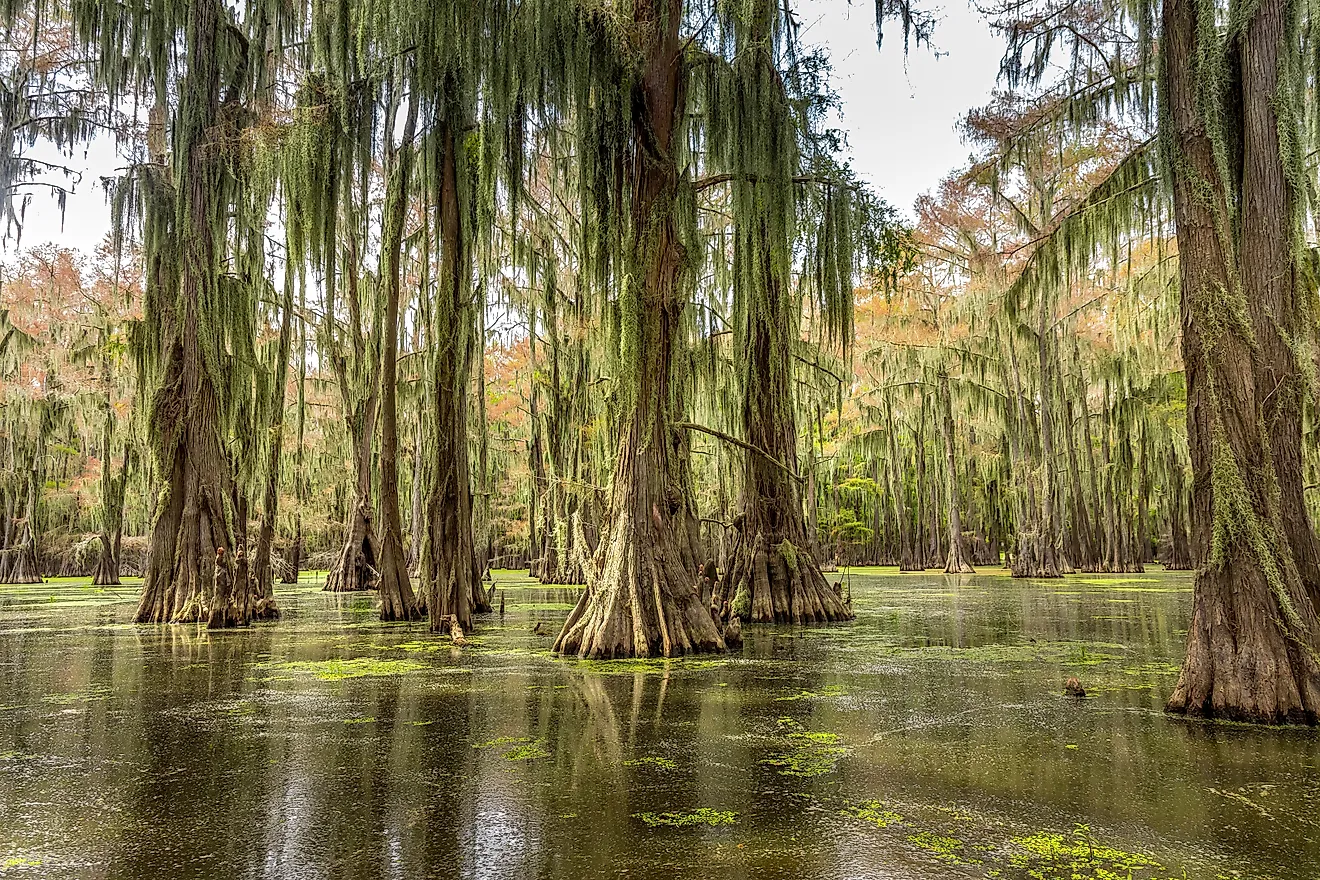
Many of the town's historic buildings overlook ponds, including Laurel's oldest home, Rosemont. Built around 1769, the front porch with its two-story pillars on this white Georgian-style charmer overlooks Records' Pond, a view shared with the nearby Rural Gothic Revival cottage at the Hitchens Homestead. The Laurel Historical Society continues to restore the Hitchens Homestead, which is slated to become a museum of Laurel's agricultural heritage. It is open with Rosemont and the Laurel Heritage Museum on first Sundays from May through November, or by appointment. Trap Pond State Park is home to America's northernmost naturally occurring stand of bald cypress, where you can follow the trails or paddle over nine miles of water trails.
Get out there to explore the artsy and quirky atmosphere in Arden and Milford, the historical sights in Lewes and Odessa, the intriguing and adventurous vibes of New Castle and Laurel, or the revitalized spaces in Smyrna. No matter what your preference, the seven towns in Delaware where time stands still deliver new experiences worth exploring.