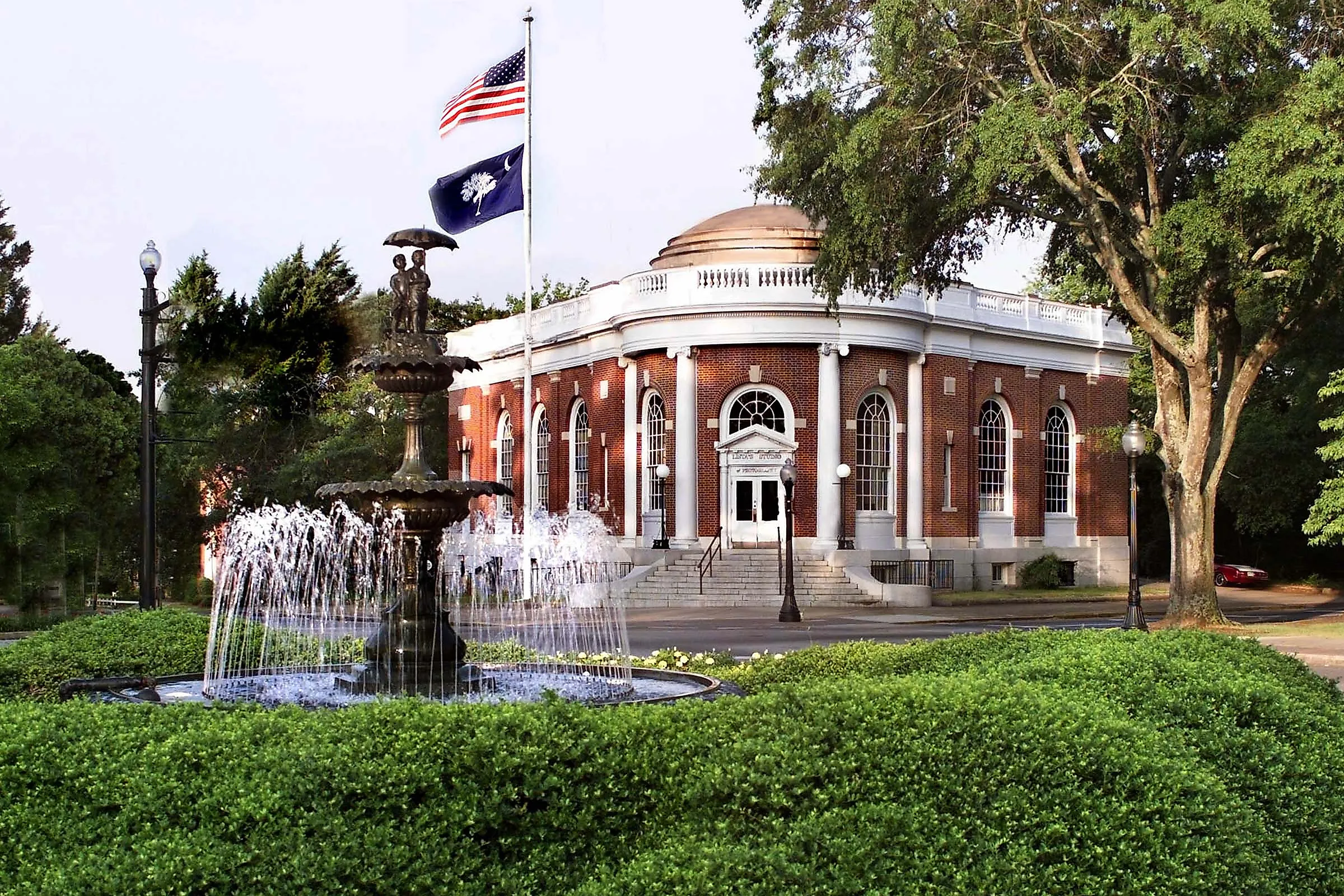
7 Best Places To Call Home In South Carolina In 2026
In South Carolina's largest and fastest-growing markets, home prices keep climbing as construction lags behind population growth. Smaller cities across the state hold their prices below the statewide median while still covering the essentials of a safe, healthy daily life. First-time buyers and anyone hunting for a quieter place to retire will find a workable balance of affordability and everyday convenience in these communities. Each one is small enough to keep a real sense of community, and each has posted recent median sale prices under the South Carolina figure of roughly $350,000 as of May 2026. Prices shift year to year, but the location and character of these places will not, which is what makes them worth a look for small-town living in 2026.
Aiken

Aiken is the most expensive pick here, with a median sale price only modestly below the statewide figure. What buys the higher price is the amount of personality and infrastructure that comes with it. Aiken sits about 20 miles northeast of Augusta, Georgia, so residents can reach employers and medical services across the state line while still living in a smaller community.
Aiken Regional Medical Centers and the University of South Carolina Aiken cover the practical side of town. Along Laurens Street, independent restaurants, coffee shops, and boutiques fill a walkable historic district and set the tone for daily life. Most of the national retailers and larger grocery stores line Whiskey Road instead.
Aiken's equestrian traditions lend it a character that newer suburbs rarely match. Residents walk beneath the longleaf pines in Hitchcock Woods, wander Hopelands Gardens, shop the Aiken Farmers Market, or trace the town's racing history at the South Carolina Thoroughbred Racing Hall of Fame.
Anderson

Lake Hartwell shapes daily life in Anderson. Residents boat, fish, and spend weekends along the enormous reservoir, and Greenville and Clemson stay close enough for work, college events, and specialized services. Interstate 85 runs a short drive north of town, though most errands within Anderson still call for a car.
AnMed handles most local healthcare, and Anderson University brings athletic events, concerts, and educational programs into the mix. Clemson Boulevard carries much of the city's everyday commerce, while downtown Main Street offers a more relaxed run of restaurants and locally owned businesses.
Recreation extends past the lake. Downtown, Carolina Wren Park fills with concerts and seasonal gatherings, and the Anderson County Museum lays out the area's history. Between the park, the museum, Lake Hartwell, and the Main Street restaurants, Anderson has a deeper leisure side than its suburban shopping corridors first suggest.
Camden

Camden suits someone who wants a genuinely small city without cutting ties to Columbia. The state capital sits close enough for the occasional commute, specialty healthcare, and major shopping, yet Camden keeps its own downtown and a history that reaches back to the colonial era.
MUSC Health Kershaw Medical Center covers many local healthcare needs, and along Broad Street restaurants and independent businesses cluster in the city center. The local job market runs smaller than Columbia's, so buyers should test a prospective commute rather than assume the distance will feel manageable every day.
Camden's historic sites amount to more than plaques and old storefronts. At Historic Camden, restored structures and exhibits trace the Revolutionary War, and the Camden Battlefield and Longleaf Pine Preserve interprets one of the conflict's major Southern campaigns. Boaters and anglers head to nearby Lake Wateree, and the annual Carolina Cup steeplechase carries on the town's equestrian tradition each spring.
Florence

Florence ranks among the most practical choices on this list. As the healthcare, education, and commercial center for northeastern South Carolina, it puts services within reach that residents elsewhere in the state often have to drive to a larger city to find.
McLeod Regional Medical Center and MUSC Health Florence Medical Center between them handle extensive medical care. Francis Marion University and Florence-Darlington Technical College round out higher education and workforce training. Interstate 20 meets Interstate 95 west of town, which keeps regional travel straightforward, even if the commercial sprawl around those interchanges leaves parts of the city spread out and car-oriented.
Downtown pulls the experience tighter, with restored buildings, restaurants, breweries, and public gathering spaces. The Florence County Museum lays out regional art and history, the Francis Marion University Performing Arts Center runs concerts and stage productions, and just outside town, Lynches River County Park draws hikers and paddlers to its trails, water, and nature programs.
Greenwood

Greenwood strikes a compromise between small-town scale and regional-city services. It is less convenient for interstate travel than Anderson or Spartanburg, but in exchange, buyers get a comparatively affordable housing market and quick access to one of western South Carolina's major recreational lakes.
For a city its size, Greenwood punches above its weight in healthcare thanks to Self Regional Healthcare. Lander University adds college athletics, performances, and public programs, and Uptown Greenwood gives the community a recognizable center rather than a scatter of disconnected shopping plazas. Larger retailers and daily services concentrate along Bypass 72 and Montague Avenue.
Lake Greenwood sits a short drive from downtown, where residents boat, fish, picnic, and spend time on the water. Closer in, they can catch Uptown festivals, walk through the Greenwood Museum, or stop by the Railroad Historical Center.
Hartsville

Hartsville is the smallest city on the list, yet it holds institutions you would sooner expect in a much larger community. Coker University, Carolina Pines Regional Medical Center, and the South Carolina Governor's School for Science and Mathematics pack an unusual concentration of educational and medical resources into one small city.
That size cuts both ways. Retail and jobs run thinner than in Florence or Spartanburg, and some residents will drive elsewhere for specialized services. Within Hartsville, though, downtown restaurants, parks, schools, and cultural venues all sit close together.
At Kalmia Gardens, wooded trails open onto views over Black Creek, and the Center Theater screens films and stages live performances in a historic downtown building. Byerly Park holds athletic facilities and walking areas, and Burry Park hosts outdoor events. Together, they give Hartsville enough going on to shake the isolated feel while keeping its small-city pace.
Spartanburg

Spartanburg is the most urban option among these picks, and also among the most affordable. Its manufacturing, healthcare, and education sectors give it a broader employment base than most smaller South Carolina communities.
Spartanburg Regional Healthcare System ranks among the city's major employers. Wofford College, Converse University, and the University of South Carolina Upstate add performances, athletics, and educational programs. Downtown has grown into a more convincing residential and cultural center, though housing stock and neighborhood character vary enough that buyers should look at individual areas carefully.
Morgan Square stays the focal point for festivals and community events. At the Chapman Cultural Center, visual art and performance organizations share one campus, and Hatcher Garden and Woodland Preserve keeps a quieter network of paths nearby. During the season, the Hub City Spartanburgers play ball at Fifth Third Park, one more regular downtown draw.
Finding the Right Place to Call Home
The right choice comes down to which trade-off you can live with most easily. Aiken has the most polished historic setting but sits closest to the statewide price threshold. Anderson and Greenwood put you nearest the water, while Camden and Hartsville keep things smallest in scale. Florence leads on healthcare and highway access, and Spartanburg has the broadest employment and cultural base of the seven.
Before making an offer, visit prospective neighborhoods at different times of day. Test the work commute, compare school attendance zones, price out flood and homeowners insurance, and measure how far routine medical appointments and grocery runs really are. Those practical details reveal far more about day-to-day life than a citywide median price ever will.