12 Prettiest Downtown Strips In Wisconsin
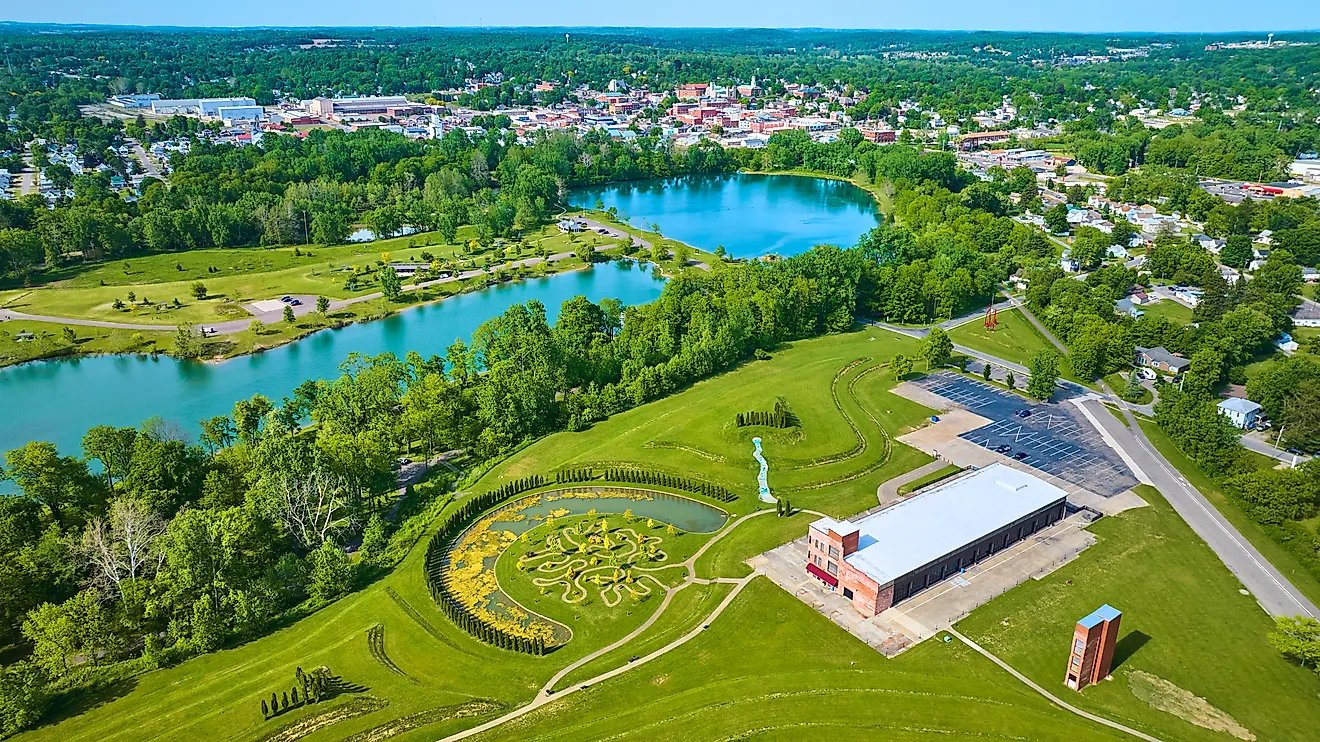
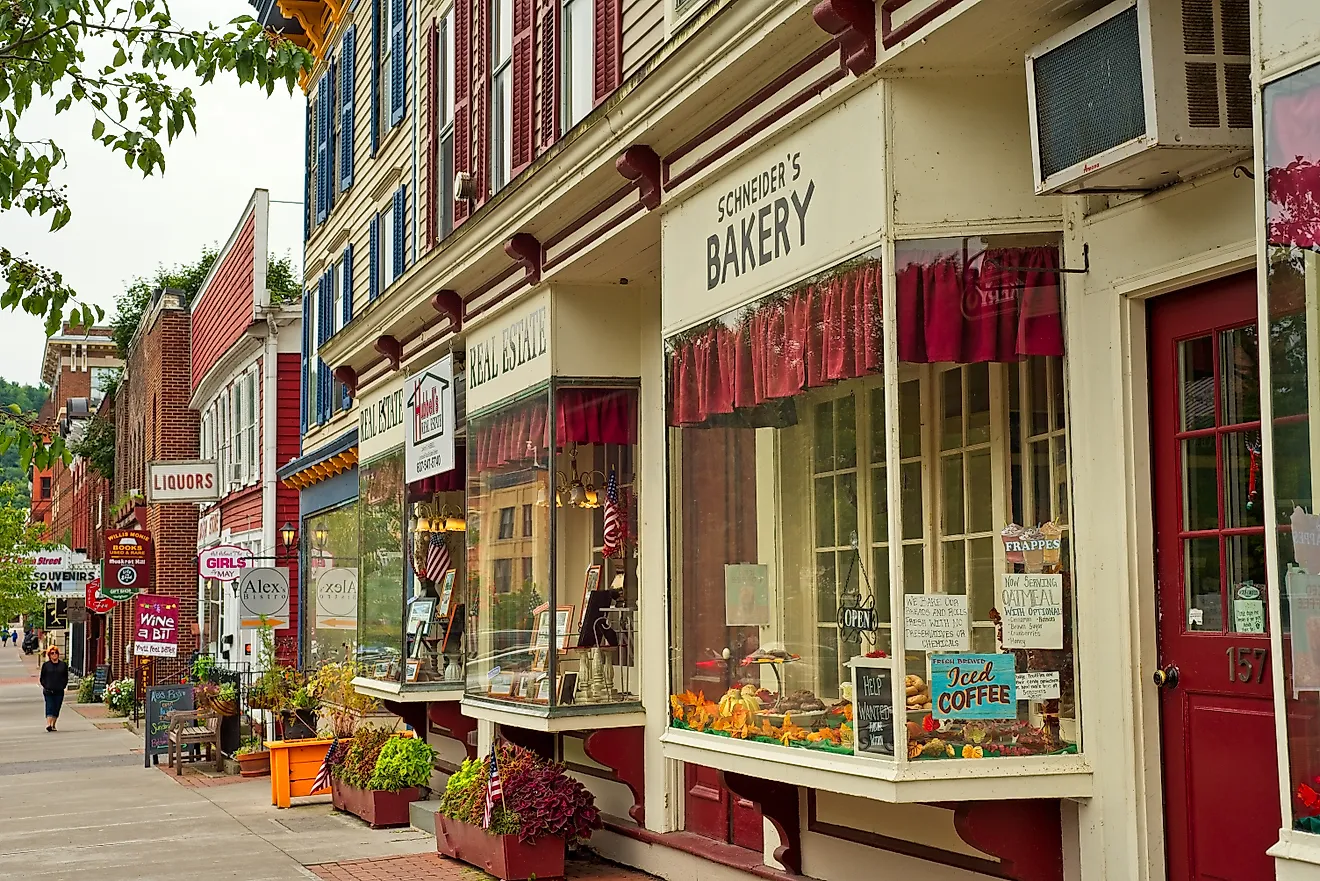
Wisconsin's lead-mining, logging, and brewing booms left behind limestone and brick storefronts that still hold up twelve downtown strips around the state. Cedarburg's Washington Avenue runs blocks of restored 19th-century buildings with two woolen mills at its north end. Mineral Point's Commerce Street still reads like Cornish miners just put down their tools. Stevens Point's Mathias Mitchell Public Square has been a farmers' market since 1847. The twelve downtowns ahead each work because real people still live and shop there.
Cedarburg

The Washington Avenue Historic District covers 28 acres and 80 contributing buildings, listed on the National Register since 1986 and called out by Architectural Digest as one of America's most beautiful main streets. At the north end of the strip, Cedar Creek Settlement occupies the restored 1864 Hilgen and Wittenberg Woolen Mill complex, now packed with around 20 independent shops, galleries, restaurants, and Cedar Creek Winery. The Cedarburg Art Museum sits a short walk south in the 1898 Wittenberg-Jochem Mansion, built for the woolen mill owner's daughter. The original oak woodwork, hand-painted foyer ceilings, and stained-glass staircase window are part of the show alongside the rotating exhibitions of Wisconsin artists.
The Rivoli Theatre opened on Washington Avenue in 1936 and still runs as a restored single-screen cinema showing first-run films. The Cedarburg Cultural Center wraps up the day with rotating gallery shows, live music, theater, and year-round art classes inside an 1860 cream-brick building.
New Glarus

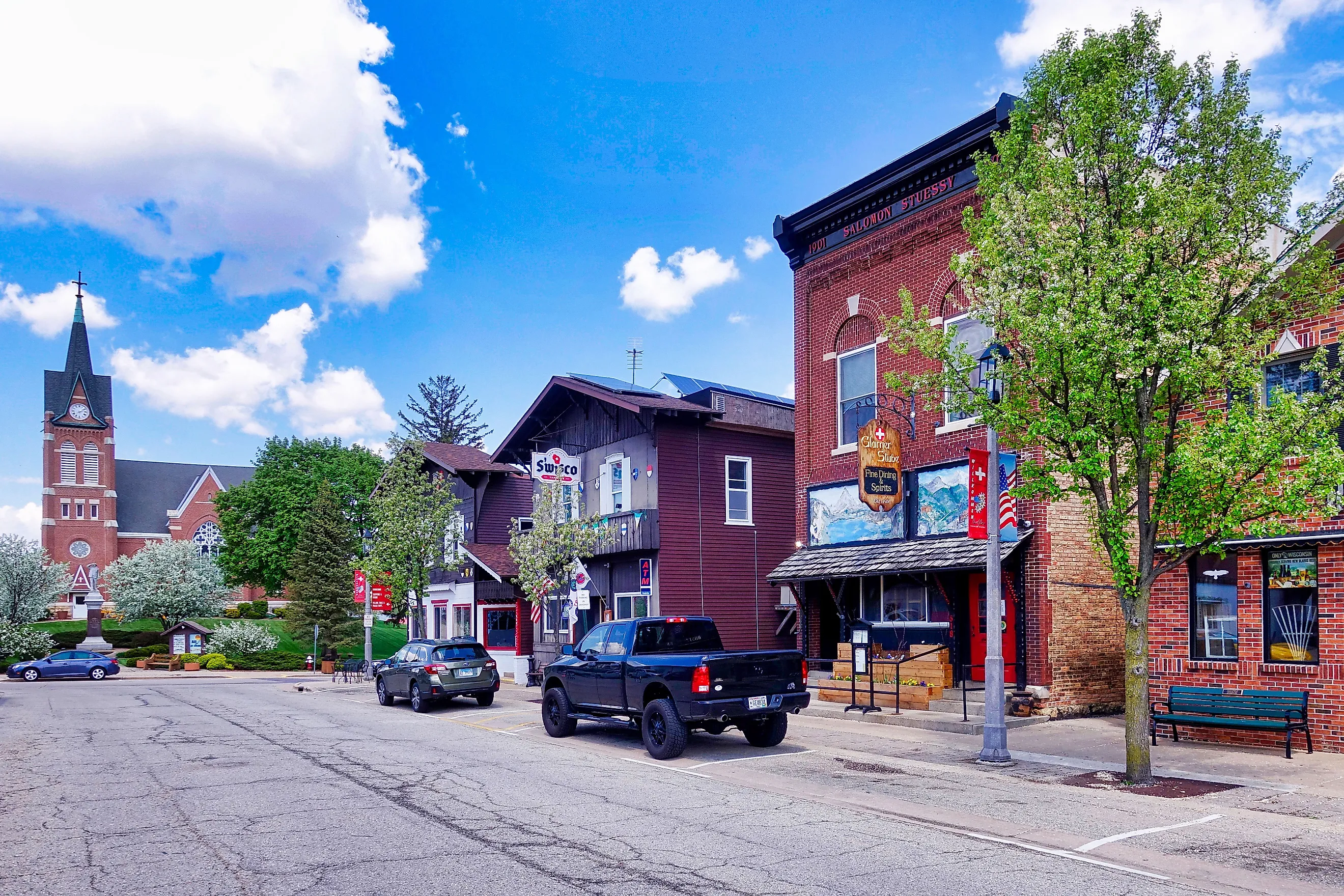
The window boxes, painted shutters, and alpine motifs on the buildings of New Glarus match what you would find in the actual canton of Glarus in Switzerland. The Swiss Historical Village on 7th Avenue is the most complete record of what the original 1845 settlement looked like, with 14 buildings including a log cabin from that founding year, a print shop, a cheese house, and a church schoolhouse. The Chalet of the Golden Fleece is a short walk away. Built in 1937 as a faithful replica of a Bernese alpine chalet, it was the home of Edwin Barlow, the man behind the annual Wilhelm Tell drama that turned New Glarus into "America's Little Switzerland." Today it functions as a museum displaying Barlow's artifacts: Etruscan earrings, a jeweled watch from King Louis XVI, Egyptian tomb relics, and Swiss folk art.
The New Glarus Brewing Company's Riverside Brewery (the original 1993 downtown facility) runs free self-guided tours of the production floor where copper kettles bought from a closing German brewery in 1997 are still in use. The Riverside is where Spotted Cow gets made, a farmhouse ale sold only in Wisconsin from the 12th-largest craft brewing company in the United States. New Glarus Bakery on 1st Street has been producing Stollen, Linzer tortes, and from-scratch apple pie since 1910.
Mineral Point

Mineral Point holds one of the Midwest's most intact 19th-century streetscapes, less than an hour from Madison. Pendarvis at 114 Shake Rag Street, a Wisconsin Historical Society site, runs guided tours of six stone and stone-and-log cottages built by Cornish lead miners in the 1840s. The site exists because Bob Neal and Edgar Hellum, life and business partners, started saving these cottages from demolition in 1935. The state took over the property in 1971. Trails behind the site lead up Merry Christmas Mine Hill, named after zinc deposits found there on Christmas Day in 1905. The Longbranch Gallery on Commerce Street fills a restored 1840s limestone building with work from over 60 local, regional, and national artists across rustic, folk, and fine art.
Further south on Commerce, the Brewery Hotel runs a taproom open to non-guests serving locally brewed beers alongside small plates in an 1800s European-style space. A short walk away, the Mineral Point Railroad Museum reopened in 2004 (the depot closed as a working station in 1984) with exhibits on the building itself and the Mineral Point Railroad Company.
Port Washington

Port Washington's downtown rolls down the hill toward Lake Michigan with blocks of Federal and Romanesque Revival commercial buildings from the 1850s through the 1880s, just up the road from Milwaukee. The 1860 Light Station at 311 North Johnson Street is one of the more unusual summer tours in the state. Its lantern room and tower were torn off in the 1930s and missing for decades until the Grand Duchy of Luxembourg funded and donated a replacement tower in 2002. The interior preserves the decor of the Lewis family, who kept the light from 1874 to 1934. The Harborwalk runs from the marina to Veterans Memorial Park along the lakeshore, with views of the 1935 Art Deco breakwater lighthouse and the marina that pulls in charter boats targeting Lake Michigan trout and salmon.
Dockside Deli on East Main Street is the local go-to for grilled cheese and lakefront patio seating with marina views. Down Washington Street, the Inventors Brewpub serves house brews in a space that puts the walk-to-water proximity to good use.
Sister Bay

One of Door County's busiest waterfront villages, Sister Bay has a downtown you can walk end to end in ten minutes. The best-known stop on Bay Shore Drive is Al Johnson's Swedish Restaurant, a family-run place since 1949 serving Swedish pancakes, meatballs, and lingonberry dishes in a log building with a sod roof and real goats grazing on it from spring through fall. On South Bay Shore Drive, the Frykman Studio Gallery is a working family studio selling laser-cut wooden puzzles, oil paintings, hand-carved wood, and stoneware pottery.
The Corner of the Past Museum is a short detour off the main strip. The seven-acre site, run by the Sister Bay Historical Society, holds 15 restored buildings covering village life from the 1850s through the 20th century. The 1919 barn, a sawmill, two log cabins, a granary, and a blacksmith shop are spread across the grounds. Pebble Beach is a short drive from there, with smooth limestone stones along the Green Bay shoreline and shallow clear water people linger over.
Baraboo

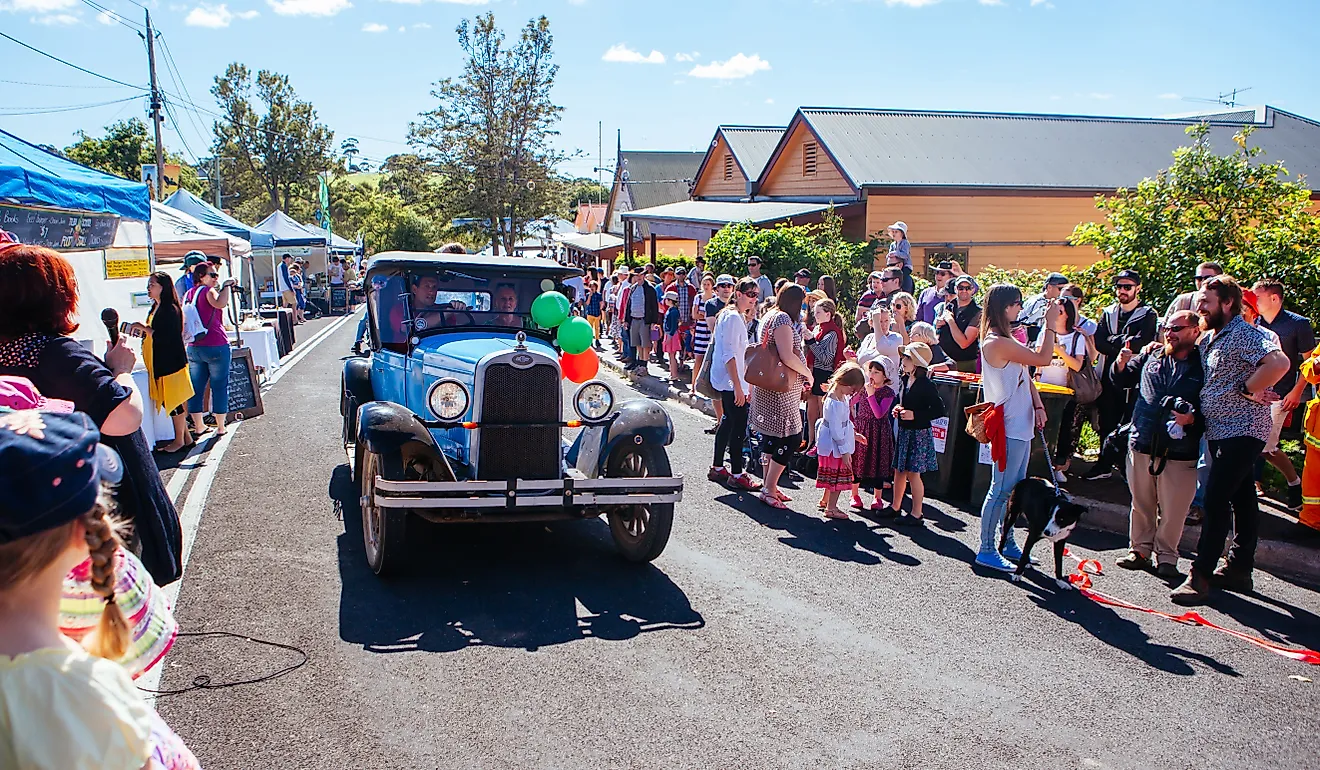
Baraboo is where the Ringling Brothers launched their first circus tour in 1884 and where they parked their winter quarters for decades after. The Baraboo Historic Square sits at the center of town, a compact courthouse square ringed by commercial buildings from the late 19th and early 20th centuries. The Al. Ringling Theatre on Fourth Avenue opened in 1915 as a lavish opera house commissioned by Al Ringling, modeled on European theater design with ornate plasterwork, balcony boxes, and a restored pipe organ. It still hosts concerts, touring productions, films, and community performances. A 15-minute walk away on Water Street, Circus World sits on the original Ringling Brothers winter quarters and holds the largest collection of antique circus parade wagons anywhere. Two live Big Top shows run daily from May through August with clowns, aerialists, and acrobats.
The Al. Ringling Brewery on Broadway Street operates out of the banquet hall of the 1906 Al. Ringling Mansion, serving house-brewed beers including the Ringling Original alongside food. Mansion tours run separately. Each June, the one-day Baraboo Big Top Parade brings historic circus wagons, marching bands, and floats through the downtown square.
Lake Geneva

Lake Geneva earned its "Newport of the West" nickname in the late 1800s, when wealthy Chicago families like the Wrigleys, Maytags, and Schwinns built summer estates along Geneva Lake's 21-mile shoreline. The downtown wraps around Wrigley Drive, where the Lake Geneva Cruise Line departs on several narrated tours of the lakeshore estates. The most unusual is the US Mailboat Tour, a summer-only two-and-a-half-hour cruise on the Walworth where mail carriers leap from the moving vessel to deliver to 75 lakeshore piers without the boat ever stopping. The tradition dates back to 1916.
The Geneva Lake Shore Path runs the full 21 miles around the lake past manicured estates, private gardens, and wooded shoreline. Most people walk a section. The full loop takes eight to ten hours. On North Edwards Boulevard, a short walk from the water, the Tristan Crist Magic Theatre runs year-round shows in a purpose-built 175-seat venue combining stage illusions, comedy, and close-up magic.
Hudson

Hudson manages to feel both like a working downtown and a destination at the same time. A two-block walk from 2nd Street lands you at Lakefront Park, where the 1936 lighted arch marks the entrance to the St. Croix riverfront. The park has a beach with a 1900s Arts and Crafts-style bathhouse, free concerts at the bandshell on summer evenings, and direct river access. Just up the hill on Third Street, the Octagon House Museum is a National Register property built in 1855 for Judge John Shaw Moffat. The eight-sided design was a structural experiment common to the 1850s. The interior holds period furnishings and rotating exhibits on 19th-century life in the St. Croix Valley.
Locust Street is where Hudson's arts scene gets its clearest downtown anchor. The Phipps Center for the Arts has been part of the city since the 1980s, pulling regional audiences for theater, concerts, dance, and gallery exhibitions. Its visual arts program rotates throughout the year, so the building works as both a performance venue and a gallery. A few blocks away on 2nd Street, Seasons Gallery represents more than 160 artists, with work ranging from jewelry and pottery to blown glass, paintings, and metalwork. Each month, a First Friday reception introduces the newest shows.
Ashland

Main Street in Ashland runs eight blocks listed on the National Register. The district's signature feature is more than a dozen large-scale outdoor murals painted on its brownstone and brick buildings. The Ashland Mural Walk traces local history through floor-to-ceiling images of Ojibwe leaders, pioneer founders, lighthouse keepers, and lumberjacks, all painted by local artists Kelly Meredith and Susan Prentice Martinsen starting in 1998. A six-minute walk away, the Soo Line 950 Locomotive is a free outdoor exhibit featuring the Soo Line's only Decapod (2-10-0) steam locomotive. The Baldwin Locomotive Company built it in July 1900, when it was the largest locomotive in the world.
The South Shore Brewery on West Main Street, sharing a historic building with the Deep Water Grille, opened in 1995 as northern Wisconsin's first microbrewery. Its Nut Brown Ale has won national craft beer awards, and the taproom is open most days. Two miles west on Lake Shore Drive, Maslowski Beach lets visitors fill a bottle from the artesian spring, stop at the Artesian Wall, walk the trail, or swim along the Chequamegon Bay shoreline.
Wausau

Wausau's downtown works because its cultural core and riverfront recreation sit close enough to feel connected. The 400 Block, a central plaza on Third Street, hosts concerts, Chalkfest in June, the Big Bull Falls Blues Festival in August, farmers markets, and winter ice skating. Facing the block, the Grand Theater is a restored 1927 theater built after the original Grand Opera House was razed, bringing Broadway touring productions, ballet, classical orchestras, and national comedy acts to central Wisconsin.
The Leigh Yawkey Woodson Art Museum on North Twelfth Street is internationally known for its annual Birds in Art exhibition, a juried show of contemporary wildlife art that has run every fall since 1976. A few blocks from the 400 Block, Wausau Whitewater is a third-of-a-mile stretch of the Wisconsin River engineered for competition-grade kayaking and canoeing. Its best-known feature is Big Drop, which has hosted world championship slalom events. On scheduled recreational release days throughout the summer, the course opens to public paddlers. Even from the bank, it is worth watching when water is running.
Bayfield

With a population under 600, Bayfield is Wisconsin's smallest incorporated city and one of its most visited lake towns. Rittenhouse Avenue is the main downtown strip, a short Victorian-era streetscape that slopes toward the waterfront. The Bayfield Maritime Museum is a seasonal, volunteer-run operation covering 150 years of commercial fishing, lighthouse history, and Lake Superior shipwrecks through artifacts, photographs, and hands-on exhibits including a cut-away eight-cylinder diesel engine. On Washington Avenue, the Apostle Islands National Lakeshore Visitor Center features maps, ranger programs, interpretive exhibits, and a historic Fresnel lighthouse lens explaining the 21 Apostle Islands offshore.
Honest Dog Books on 2nd Street carries new and used titles with especially strong sections on Lake Superior and Ojibwe history, plus theater programming, vinyl, and a small bar. The Bayfield Farmers Market runs June through October, bringing regional growers and food producers downtown with cheeses, baked goods, berries, and produce from farms across the Bayfield Peninsula.
Stevens Point

Stevens Point's Main Street Historic District is a genuinely walkable downtown where the river is never far from view. At the foot of Main Street, the Mathias Mitchell Public Square was donated to the town in 1847 and has hosted Wisconsin's longest-running farmers market ever since, filling the two-block plaza with sweet corn, maple syrup, cheese curds, baked goods, flowers, honey, smoked meats, and seasonal produce. Walk toward the river to Crosby Avenue, where the Riverfront Arts Center runs five annual exhibitions of local and regional artists along the water's edge, including a juried fine arts show and the well-loved annual PEEPS exhibit.
The Stevens Point Brewery on Water Street has been making beer at the same site since 1857, making it the fifth-oldest continuously operating brewery in the United States. The 30- to 45-minute walking tour covers the brew house, aging cellar, bottling facility, and warehouse before ending in the taproom. Samples of Point Beer, Ciderboys Hard Cider, and the brewery's gourmet sodas (the root beer has the strongest following) are included. The Central Wisconsin Children's Museum opened on Main Street in 1997 as a 1,200-square-foot storefront packed with hands-on exhibits covering logic, motor development, science, and creative play.
Wisconsin Downtowns Worth The Trip
The best small-town main streets in Wisconsin still work because real people walk them every day. Stevens Point has been running the same farmers market in the same square since 1847. Mineral Point's Commerce Street looks almost exactly as it did when Cornish miners built it. The businesses are independent, the buildings are original, and the streets carry daily foot traffic from people who actually live there. These twelve downtowns are worth making the trip for, and most will surprise you.