The 10 Can't-Miss Towns In Italy
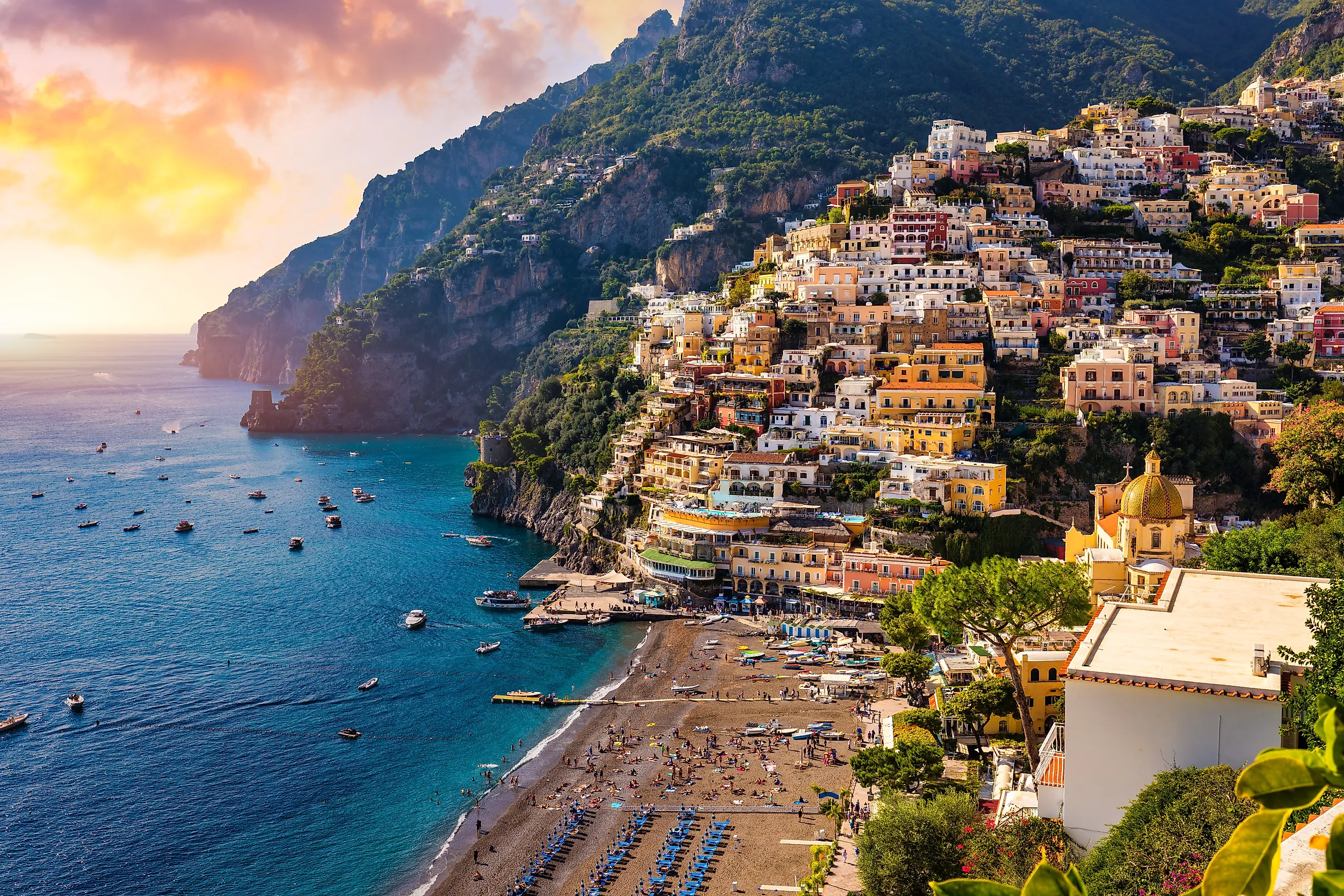
Italy's small towns serve as gateways to the past, where cathedral caves, medieval fortresses, and ancient town squares have been remarkably preserved for millennia. Pienza is one such gem. Nestled among the rolling hills of Tuscany, the town's layered history is reflected in its impressive architecture, including a 15th century castle. Positano is another captivating town where pastel-colored homes cascade down the cliffside towards the sparkling turquoise sea. Visitors can unwind on its stunning beaches or sip a glass of wine while taking in the views from a hillside vineyard. The lakeside town of Bellagio is also equally enchanting with its location along the shores of the world-famous Lake Como. Its many lush parks and gardens offer breathtaking views of the surrounding mountains. The list below explores these and other towns that are well worth visiting in Italy.
Pienza

Southern Tuscany’s rolling hills create Pienza’s landscape, which features historic monuments from different historical eras. The village lives up to the Renaissance standard with its architecture and artistic spaces. The Palazzo Piccolomini welcomes all who want to see the antique furnishings, libraries, and numerous unique historic relics within the palace walls. A garden blooms atop the roof, which overlooks the Val d'Orcia. The Palazzo Comunale is another monumental landmark, being a town hall commissioned by Pope Pius II. The structure shows the craftsmanship otherwise left in the mid-1400s, especially with the large loggia on the front exterior. Dating even further back is the hilltop medieval fortress, the Palazzo Massaini just steps away from town. Now, a peaceful retreat with vineyards and olive groves for house-made wine and oil, guests can still see the rich past in a far more luxurious and relaxing setting. By the time you leave Pienza, you will have toured Italian history as much as its hillside.
Orvieto

This medieval city is right in the heart of the Umbria region, otherwise known as “The Green Heart of Italy”. This green heart is speckled with cathedrals and ancient city walls that stand against the sky, high atop the hills. See the oldest part of the city in the medieval quarter, the part of the city that was first populated. The original wall, the Etruscan Wall, still remains, connecting two ancient fortress churches. Walking along the wall will lead travelers through romantic works of art and caves full of Renaissance ceramics. Italy is known to have magnificent cathedrals, but Orvieto Cathedral stands out among them. Constructed in 1290, the church is a fascinating architectural blend, mixing the iconic Gothic and Romanesque styles. The chapel also blends artistic trades, with sculptors, goldsmiths, and painters all leaving their impression on the space. Even the underground of Orvieto is captivating, where the remains of an old olive mill, Medieval throws, and dovecotes. Take a tour of these underground tunnels to experience the history and craftsmanship of ages past.
Positano

A cliffside on the Amalfi Coast decorates the southern edge of Italy with sunny pastel villas. This unique setup makes it easy to walk between shops and cafes in town and to the beach. The base of the stunning cliffside meets the sea, creating beaches right in walking distance from the town center, such as Marina Grande Beach and Fornillo Beach. Since it has such a uniquely stunning skyline, boat tours are an essential part of appreciating this town. Full days can be spent exploring the coastline on board Lucibello’s skippers, voyaging around the surrounding cliffs, islands, and beaches.
Along with its own identity as a cliffside coastal destination, Positano is also known for its own fashion known as “moda positano”. Boutiques that line the winding alleyways between villas are full of this style, featuring handkerchiefs, open bodices, vibrant patterns, and sandals. Luisa Positano is a great shop to visit to discover this unique style that is deeply rooted in the traditions of the Amalfi Coast.
San Gimignano

Some places are so remarkably preserved that to visit them is to intimately experience history. San Gimignano is one of those places, being a preserved medieval village and UNESCO World Heritage Site. Known as the “Medieval Manhattan” for its skyline of stone towers, the city has more than 10 ancient structures to explore, such as the Torre Grossa, the tallest tower in the city, offering visitors the best view from the top floor. While this tower is one of the best preserved structures in the city, dating back centuries, there are many more to explore. See an ancient gathering spot at the town square, now referred to as The Piazza della Cisterna, still bearing scars from its original creation. Grooves from ropes used in the thirteenth century to haul buckets of water for the cistern are still etched into the stone. Once a thriving medieval market, the square continues this tradition with a weekly open-air market. This town was once protected by Rocca di Montestaffoli, a fortress which still stands a short walk away from the city's towers. While the stone walls remain, they now house art exhibitions and concerts for the public each summer.
Alberobello

Alberobello seems to come straight from the pages of a fairytale. Homes here, called Trulli, are unique to the region and time period in which they were built. The structures are made from local limestone boulders and conical roofs made of limestone slabs. The Rione Monti has the highest concentration of these homes, with around 1,000 structures. Though this form of construction was used regionally in the mid-14th century, this town has the best preserved examples of this historic architecture, making walking through Alberobello unlike anywhere else in the world. While walking through these streets, you’ll undoubtedly wonder what the interiors looked like near the time that the homes were created. You can find out at Sovereign Trullo, the only two-story Trulli in town, which is fully furnished with furniture from the early 20th century. To understand the unique beauty of the town, see it from the viewpoint at Belvedere Santa Lucia, perched atop a hill to offer panoramic views. The platform is easily accessible via a staircase that connects the hilltop to the Monti district.
Bellagio

Bellagio is a perfect destination for nature lovers with terraces, gradens, and platforms to admire the mountain peaks that cradle the sparkling water of Lake Como around the town. Explore the gardens and interiors of Villa Serbelloni park with a two-hour guided tour, where a tour guide (speaking Italian and English) shares the story of the park and villa. Another tour guides guests through a beautiful garden known as The Gardens of Villa Melzi d’Eril, which stitches the mountains and lakes together with sculptures and colorful flowers.
You can also explore independently through the numerous trails, each showing the diverse beauty of the Lake Como region. A trekking trail through the nearby hamlet of Guggiate winds through farmland, mills, and overlooks of the orchards of Cagnanica. Another hike starts right in town at the ferry pier. After passing the town's historic churches and homes, you’ll get views of the Tremezzo mountains, Mount Bregagno, and the summit of Grigna Settentrionale.
Polignano a Mare

Originally a Greek settlement, Polignano A Mare still bears the unique marks of a Mediterranean village, such as abundant seafood and white houses along the cliffside. At the base of the cliff is the town's most popular beach, Lama Monachile. The Adriatic laps the shore beneath the rocky alcove of the town, creating a true sand-and-stone sanctuary. There are other more hidden places among these cliffs that can only be reached by boat. Rent Me Charter offers a tour of the limestone cliffs and the caves and hidden coves burrowed within them. Being against the sea and influenced by the Greeks means the Mediterranean seafood here is on another level both culinarily and atmospherically. Grotta Palazzese holds national acclaim, with a candle-lit terrace inside a natural cave.
Castellina in Chianti

Plenty of travellers come to Italy to indulge; some desire food, others are drawn to wine. Only about 20 miles south of Florence, this hilltop village practically revolves around its many wineries and rolling vineyards. This is mostly due to its microclimate caused by high elevation and forests creating fresh air, and the yellow sandstone giving anything that grows its unique taste.
Castello di Fonterutoli is a renowned weekend getaway for wine enthusiasts. The resort includes dinners, tours, and tastings and a stay in their chic suites. Explore and experience centuries-old vineyards at Buondonno. While not a resort, this winery is extremely immersive in local culture, offering local cheese, honey, and olive oil paired with their wine. The more petite Tregole winery sits atop one of the highest hills in town, at about 600 meters, making for some stunning views from the intimate vineyard. The views can be appreciated from the terrace that accompanies each room, or from the property’s large pool.
Matera

This city of ancient stone is one of the oldest continuously inhabited cities in the world. Matera is a perfect example of how humans originally adapted to their environment, utilizing their natural surroundings, which in this town just happen to be stunning. The Rupestrian Churches are a great example of this, where churches and monasteries are built inside naturally formed caves. The entirety of the Sassi region is a result of clever construction in natural terrain, with homes and other dwellings also being built within cave systems. You can explore these historic stone structures (there are over 1,000 to see) on foot in narrow winding pathways/ There are several viewpoints in the city, where you can see the caves, terraces, and towers, noticing how they seamlessly merge with the earth.
Varenna

Varenna makes for a quieter romantic lakeside getaway. A romantic itinerary practically makes itself here, where everything seems more sensual and serene. Have a bowl of pasta or a cup of coffee (or both!) at Caffè Bistrot, where Lake Como laps the shore only steps away from the romantic outdoor dining area. Experience living and manufactured art at the Villa Monastero. The splendid villa and garden, full of colorful fauna, stretch all the way to the water. Scattered with marble statues and rare botanical species, walking through the garden here is similar to walking through gardens of the globe, with citrus trees and flowers from Africa, the Americas, and beyond. Passeggiata degli Innamorati, otherwise known as “Lovers Walk”, is a pathway that winds along the outer edge of town. The footpath is partially encompassed by greenery, while the lake and mountain ridge view remains unobstructed.
Italy’s variety in culture and landscape makes it the perfect destination for so many types of tourism. Those looking for a delicious warm plate of food will find their bliss as easily as those looking to explore ancient dwellings that remain carved within cliffsides. If you’re going to Italy this year, don’t overlook these places, where beaches merge with endless opportunities for learning history and discovering something new within a glass of wine or a repurposed fortress.