The 11 Can't-Miss Towns In Spain
Spain is a vibrant, rich mosaic of cultures, where thousands of years of Moorish architecture and European influences collide. In the medieval town of Albarracin, visit a Moorish era watchtower, a grand 16th-century cathedral and a museum of Flemish tapestries. Ronda, with its dramatic topography, appears almost surreal. It features a 400 foot gorge dividing the town and terraced gardens cascading along the gorge's rocky cliffs. Altea is equally captivating, with its whitewashed old town, cobblestone streets, and gorgeous beaches. To discover the true magic of Spain, visit the 11 enchanting small towns listed below.
Albarracin

In the Aragón region of eastern Spain, Albarracín is one of those medieval villages that look like movie sets, with pink stone facades, carved wooden balconies, and a maze of cobblestone streets. The Torre del Andador, a historic 10th-century watchtower built during the Moorish era, rewards visitors who hike it with a bird's-eye view down into the Guadalaviar River gorge, framing the town below. Nearby is the 16th-century Cathedral of El Salvador, a Gothic cathedral considered the heart of Albarracin, which houses a magnificent 16th-century altarpiece dedicated to the Transfiguration of the Savior and is connected to the Diocesan Museum, which displays a collection of Flemish tapestries. Just a short drive outside the medieval walls is the Pinares de Rodeno Protected Landscape, filled with crimson sandstone formations in a dense pine forest, and rock overhangs showcasing Levantine rock art dating back to 6000 BC.
Ronda

Ronda earns its reputation as one of Andalusia's most arresting destinations through its obvious dramatic topography. The city is split into two by the El Tajo gorge, a massive 400-foot-deep canyon carved by a river, creating a separation from the town for centuries until the Puente Nuevo bridge was finally built in 1793, connecting them. The bridge might be the defining image, but the Jardines de Cuenca are gorgeous terraced gardens clinging to the gorge's cliffside, with a winding staircase known as the Mina and incredible terraces offering scenic views. Situated in the city's center is The Plaza de Toros, one of the oldest and historically significant bullrings in Spain, completed in 1785. In addition to bullfighting, the Museo Taurino de Ronda dispays traditional matador regalia and antique weapons. Located in the San Miguel quarter where the locals go to relax, are the Arab Baths which date back to the 10th century featuring vaulted ceilings, elegant arches, and a variety of cold, warm, and hot rooms modeled after ancient Roman baths.
Cadaqués

Located along the rugged coastline of Costa Brava is the stunning town of Cadaqués, a place that earns its reputation for the single winding mountain road, the only way in or out by land. The Cap de Creus peninsula, the spot where the Pyrenees mountains plunge directly into the Mediterranean Sea, is what kept developers away and drew the surrealist artist Salvador Dalí. Dalí's Casa, now the Museo Salvador Dalí (Salvador Dalí House-Museum), is located in the neighboring cove of Portlligat, where his compound was expanded into fishing huts, eccentric garden installations, and studio spaces that tours now reveal more about how his mind operated. Situated at the highest point of town and still open to visitors for weekend mass services, the iconic 16th-century Església de Santa Maria church features a signature whitewashed exterior, a unique bell tower, and panoramic views of the Mediterranean. In the old downtown center is Es Call, a street paved with stones laid vertically in beautiful herringbone or spike-like patterns, designed to channel rainwater down the alleys while providing traction so donkeys and locals wouldn't slip on the steep slopes.
Aínsa

The town of Aínsa is a stunning medieval gem situated in the Spanish Pyrenees of Aragon, where the Cinca and Ara rivers meet. Plaza Mayor is the heart of the medieval town quarters, lined with ancient stone facades, and the 11th-century Romanesque Church of Santa María. The town hall overlooks the square and opens directly onto the historic Castillo de Aínsa, which today features museums, scenic views, and the annual Festival Internacional Castillo de Aínsa. For authentic food, be sure to try the Restaurante Bodegón de Mallacán, a local tavern known for its roasted meats and traditional dishes. Ainsa is also a gateway to spectacular parks, such as the Ordesa y Monte Perdido National Park, with walking and hiking trails suitable for everyone, no matter your experience.
Santillana del Mar

On Spain's northern Cantabrian coast, sits Santillana del Mar, called the town of three lies, because it is neither saintly, flat, nor coastal. The use of cars is restricted in the historic center of this medieval village, maintaining pedestrian-only status and allowing only locals or guests staying at specific hotels to enter by automobile. It's lined with grand stone palaces, noble manor houses with balconies, and towers built mostly between the 14th and 15th centuries by wealthy nobles and merchants returning from America. The Colegiata de Santa Juliana is a 12th-century Romanesque church and one of the most prestigious religious monuments in northern Spain, also protected by UNESCO World Heritage. Facing each other in the heart of the plaza are the Torre de Don Borja, which operates as a cultural center hosting events, and the 14th-century Torre del Merino, a Gothic tower that once served as the residence of the Merino, the king's representative.
Cudillero

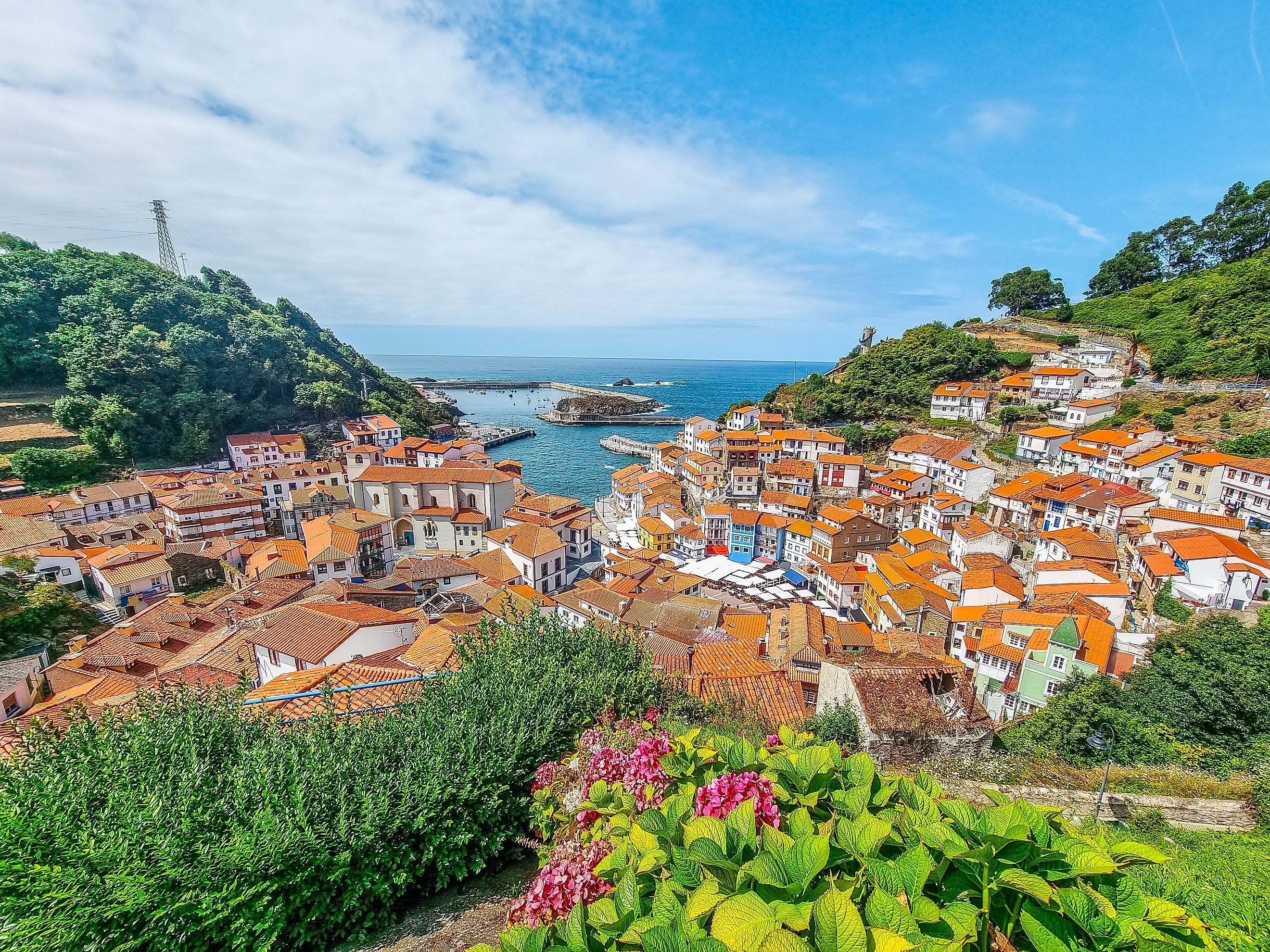
Perched on the Atlantic-facing coast of Asturias, Cudillero features a striking cluster of candy-colored homes stacked in tiers down a steep ravine, that spill into a working fishing harbor. Plaza de la Marina is the lively, main square of Cudillero and sits at the center of the natural, amphitheater-like bay surrounded by all the homes. Famous spots like Casa Julio, a popular tapas bar serving fresh seafood, and traditional cider bars are located in the center. The 13th-century Chapel of Humilladero is the oldest surviving structure in the village, and visitors can admire the exterior stonework and interior altars when open. About six miles west is Cabo Vidio's lighthouse, sitting atop an 80-meter (262-foot) drop, offering spectacular panoramic views of the ocean and the Asturian coastline. Additionally, about 10 minutes west is Playa del Silencio, a rock-framed, undeveloped cove with cold water that is genuinely refreshing and quiet enough to enjoy.
Altea

Celebrated as the Santorini of Spain, Altea is celebrated for its whitewashed old town, cobblestone alleys, and the striking, brilliant blue-and-white tiled domes of the Parroquia Nuestra Señora del Consuelo, the iconic landmark church. Casco Antiguo, the old town, is perched on a steep hill, with a Moorish labyrinth of narrow, winding cobblestone streets leading through the Plaza de la Iglesia, a bustling church square filled with cafes and shops. It’s also an artistic and bohemian hub protected from high-rise development, packed with independent galleries to peruse and pottery workshops you can join. Also located downtown is the Torre de la Bellaguarda, a 16th-century watchtower originally built to spot incoming pirates. Adjacent to the square is the Playa de la Roda, definitely worth a visit, with its crystal-blue pebble water where you can swim, kayak, windsurf, or enjoy seaside dining.
Trujillo

Trujillo is located in Spain's largely overlooked Extremadura region, a town where the conquistadors built their fortunes and returned to with Renaissance palaces lining the Plaza Mayor, representing wealth from the Americas. The Palacio de la Conquista, completed in 1562, displays the coats of arms of Francisco Pizarro and Incan royalty on the same corner balcony, dictating a history that no other square in Spain can replicate. A bronze equestrian statue of Pizarro, the famous Spanish conquistador and explorer born in Trujillo, stands in the plaza below, serving as a historical civic monument. The Casa-Museo de Pizarro, his former residence located in the upper old town, is now a museum that offers visitors a peek into his life. Additionally, the 13th-century Iglesia de Santa María la Mayor houses the remains of notable medieval and Renaissance figures, including the legendary 16th-century warrior Diego García de Parede. When visiting, you can climb the Romanesque Torre Julia and the Torre Nueva bell towers for expansive panoramic views of the town and the surrounding countryside.
Combarro

Set on the Ría de Pontevedra in Galicia, the town of Combarro presents a quiet yet extraordinary waterfront in northern Spain, blending maritime heritage and traditional architecture. Rows of hórreos, elevated stone-and-wood granaries, sit on the seafront and were used to store grains above the reach of rodents and the damage caused by coastal moisture. A symbol of Galicia dating back to the 15th Century, visitors are encouraged to keep an eye out for the unique buildings as they walk the Camino de Santiago. The main historic cobblestone street, Rúa do Mar, winds through 18th-century sea houses, featuring stone ground floors and wooden balconies, and noble residences that were typically larger and built of high-quality stone, with carved coats of arms in the walls. About 1.5 miles from Combarro, the Benedictine Monastery of Poio features distinct cloisters, a historic library, and sweeping views of the surrounding coastline.
Vejer de la Frontera

The stunning Andalusian hilltop town of Vejer de la Frontera in the Cádiz countryside is celebrated as one of the most authentic Spanish pueblos blancos (white villages). The whitewashed labyrinth of the old town was designed by Moorish planners whose primary considerations were defense and confusion, resulting in narrow lanes, sudden dead ends, and passages that require decisions at every turn. One of the four preserved medieval gateways into the village is the Puerta de la Segur, and during the summer, the area around it transforms into a lively venue for evening musical events, concerts, and shows. Castillo de Vejer, a 10th-century medieval fortress layered with Moorish and Christian history, sits at the highest point, offering free entry to visitors, while nearby is the Parroquia del Divino Salvador, a working Catholic church with striking architecture that fuses Gothic and Mudéjar styles.
Consuegra

In the heart of the La Mancha plains, two hours south of Madrid, lies Consuegra, which is famous for its collection of windmills and the captivating medieval castle located on the Cerro Calderico ridge. Built between the 16th and 19th centuries, these 12 beautifully preserved windmills inspired Miguel de Cervantes’ renowned novel, Don Quixote, in which the knight famously mistakes them for giants. Within the town, the Museo Arqueológico Municipal is housed in the Los Corredores building and features archaeological artifacts that span from the Neolithic period to Roman and Carpetanian history. The landscape surrounding the village is dotted with vast olive groves, and visitors can plan trips to tour both the windmills and olive groves, including tastings at local family farms. Additionally, the countryside is known for producing Manchego cheese, the region's most famous agricultural export.
Don't Miss These Towns
Ultimately, Spain is a magnificent tapestry of experiences, where the magnetic energy of its most vibrant cities weaves into the quiet heart of the most historic small towns, each worth a visit. Whether you are drinking and enjoying the dramatic cliffside views of Ronda or stepping back in time as you walk the cobblestone streets of Santillana del Mar, these hidden gems offer an authentic way to experience deep heritage and a warm spirit.