8 Stress-Free Nevada Towns For A Weekend Retreat
A weekend in Nevada can mean digging for garnets after a fresh snow, riding behind a century-old steam locomotive, or watching ore boats of history pass at a restored railroad depot. The state's small towns trade the noise of the Strip for mine tours, hot springs, and dark skies thick with stars. Each of the places below sits within a few hours of a major Nevada city, yet keeps a pace slow enough that two days feel like a real break. What they share is a working past that still shapes daily life, from silver-boom hotels to farming settlements older than statehood itself.
Ely

Garnet Hill sits a few miles west of Ely, and the best time to hunt its dark-red stones is right after a snowfall or rainstorm, when runoff loosens them from the rhyolite and they turn up loose on the surface. The town itself is a remote mountain stop on the eastern end of U.S. Route 50, the stretch Nevada markets as the Loneliest Road in America. From a base like the Prospector Hotel and Casino, it is about a 90-minute drive to Wheeler Peak in Great Basin National Park, which rises to 13,065 feet and ranks as the second-highest summit in the state behind Boundary Peak.
The White Pine Public Museum gathers the area's history under one roof. Among its holdings are a bell from Hamilton, a nearby mining town that is now a ghost town, the bones of a short-faced bear, and a large collection of regional minerals.
Genoa

Mule deer wander the streets of Genoa, grazing in open lots and crossing in front of cars, a regular sight in a town pressed against the eastern foot of the Sierra Nevada less than 30 minutes from Lake Tahoe. The valley views open up from nearly every street. After a day on the Sierra Nevada slopes, David Walley's Resort offers a soak in its hot springs, and the adjoining 1862 Restaurant and Saloon serves ribs, beer, and wine in a building whose name marks its founding year.
Hikers can pick up the Sierra Canyon Trail or walk the River Fork Ranch Preserve, while the Genoa Lakes Golf Club draws golfers to its two courses along the valley floor.
Tonopah

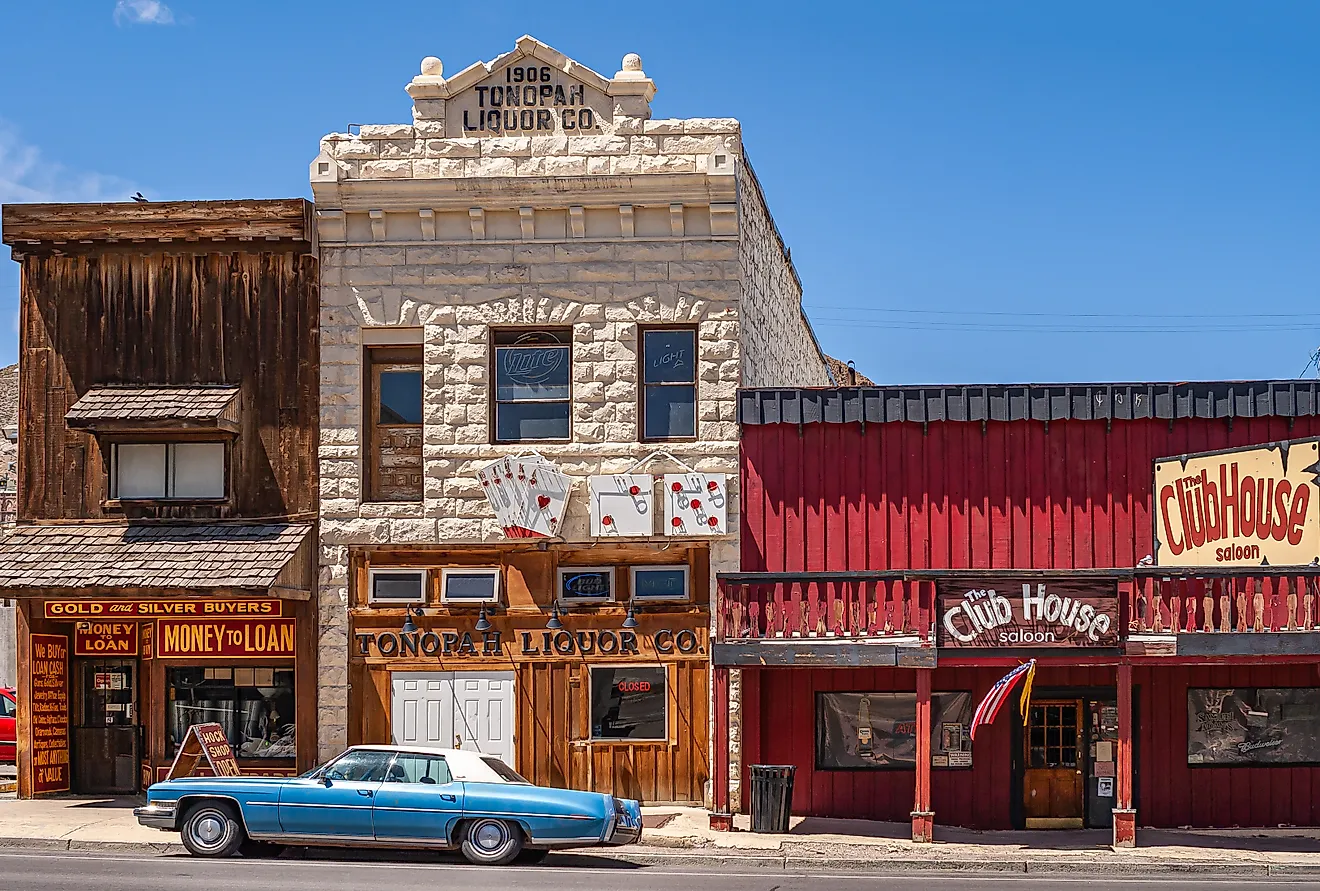
The Royston Turquoise Mine lets visitors dig their own stones and keep whatever they pull from the ground, with tours running from half-day to full-day. Mining is the thread that ties Tonopah together, and the day moves easily from the dig site to the Tonopah Brewing Company, where the taps pour more than two dozen craft beers and sodas. After dark, the town leans on one of its best assets: Tonopah sits under some of the darkest skies in the country, and the Tonopah Stargazing Park is built around them.
For the history, the Central Nevada Museum lays out the region's path through mining and its Indigenous past with artifacts, photographs, and building replicas. Lodging can be part of the history too. The 1905 Mizpah Hotel on Main Street was once the tallest building in Nevada, a title it shared with the neighboring Belvada until 1927, and guests still trade stories about the resident ghost known as the Lady in Red.
Lovelock

Couples come to Lovelock to add a padlock to the "endless chain" at Lover's Lock Plaza, a local tradition modeled on love-lock sites elsewhere in the world and the reason the town's name has stuck as a draw. A few steps into the town's history is the restored Lovelock Depot, a Southern Pacific Railroad station that dates to the late 1800s.
Nearby Lovelock Cave holds a deeper story. The site produced the oldest known duck decoys in the world, woven from tule reeds by the Northern Paiute roughly 2,000 years ago, and it remains one of Nevada's most important archaeological finds. The Rye Patch State Recreation Area, a 2,400-acre park wrapped around a reservoir that covers about 11,000 surface acres when full, opens up water skiing, fishing, boating, swimming, and camping. Chain options such as SureStay by Best Western and the Royal Inn sit in the center of town.
Panaca

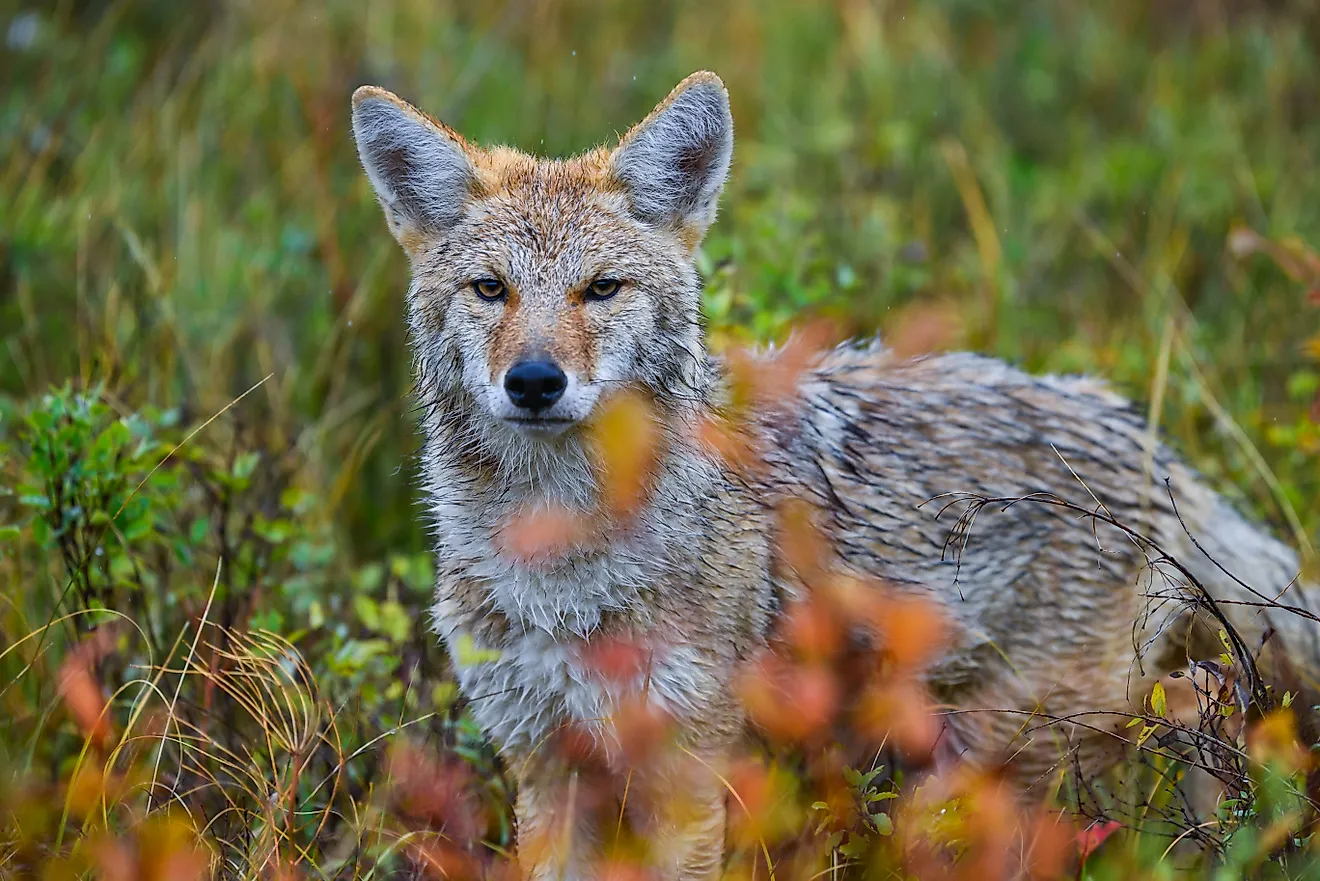
Founded in 1864 by Mormon settlers, Panaca is the oldest surviving town in eastern Nevada, and its pioneer-era buildings still line a grid of wide, tree-shaded streets. The reason most travelers turn off the highway, though, lies less than three miles away at Cathedral Gorge State Park. The park, which covers nearly 1,800 acres, is a maze of clay spires, hoodoos, and narrow slot canyons cut by erosion over millions of years, and a walk through the tightest of the canyons is the kind of thing that fills a camera fast. Coyotes, kit foxes, jackrabbits, kangaroo rats, and mule deer all turn up in the park, so it pays to watch the ground and the brush. Back in town, the Pine Tree Inn offers a quiet night before the drive out.
Eureka

Eureka calls itself "The Friendliest Town on the Loneliest Road," and much of its late-1800s townscape is still standing. The Sentinel Museum occupies the former offices of a newspaper that ran from 1879 to 1960, and its old printing presses are on display; a short walk away, the restored Eureka Opera House, dating to 1880, still hosts performances. The Jackson House Hotel keeps period rooms for overnight guests, and the Eureka General Store carries on a retail tradition more than a century deep.
At its 1870s peak, Eureka was one of Nevada's most important mining centers, its smelters busy enough to earn it the nickname "Pittsburgh of the West." Travelers passing through can restock at Raine's Market and stop for a casual meal at the Urban Cowboy Bar and Grill, known locally for its pizza.
Virginia City

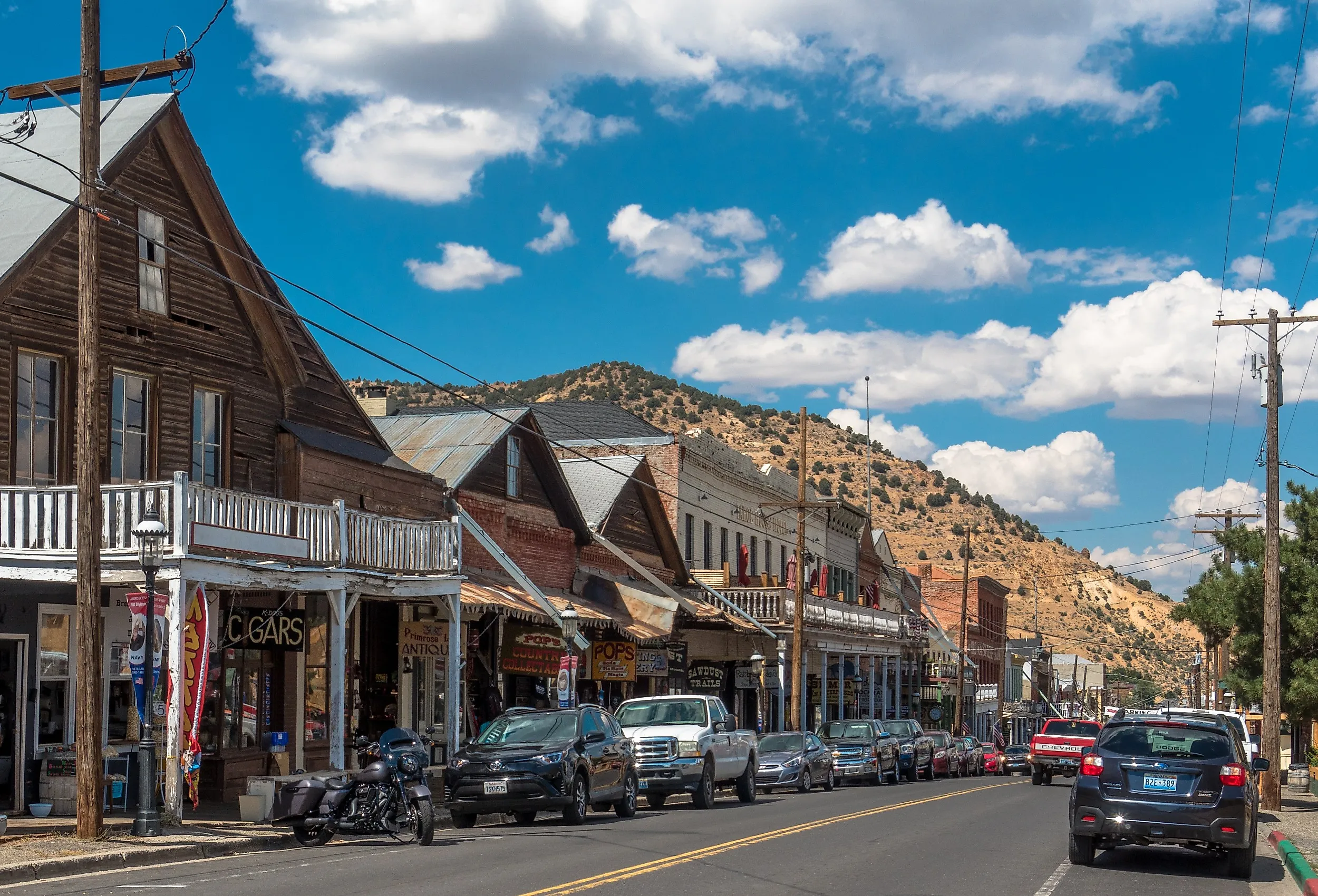
The Virginia and Truckee Railroad still runs out of Virginia City, and a ride behind a steam locomotive more than a century old lasts about 35 minutes through the surrounding high desert. The town sits roughly 40 minutes from Reno and a short drive from Carson City, close enough for a day trip but far enough to feel like a step back into the Comstock era of saloons and wooden boardwalks.
Antique hunters work the stalls of the Virginia City Mall, and the hat maker at the Pioneer Emporium turns out custom pieces. The town also trades heavily on its hauntings: the Bats in the Belfry ghost tour runs after dark, and travelers can book a room at the Silver Queen Hotel or the Miner's Cabin behind the Gold Hill Hotel, which dates to 1861 and bills itself as Nevada's oldest operating hotel.
Boulder City

About 20 miles from Las Vegas in the Mojave Desert, Boulder City exists because of the dam next door. The Hoover Dam, completed in 1936, rises 726 feet above the Colorado River and draws millions of visitors a year. A dam tour fills the morning; the afternoon belongs to Lake Mead, the largest reservoir in the United States by water capacity, where boating, fishing, and swimming are the main draws.
In town, the Silver State Lampworking Glass Studio lets visitors try their hand at glasswork, while the Techatticup Mine in nearby Eldorado Canyon offers guided tours of tunnels worked since the 1860s. For lodging with a direct link to the dam, the Boulder Dam Hotel was built in 1933 to house the officials and visitors who came during construction, and it stands just steps from the main downtown blocks.
Planning A Nevada Weekend
The appeal of these towns is how differently they spend a weekend. Boulder City pairs an engineering landmark with open water, while Eureka and Virginia City turn their mining-boom architecture into walkable history. Tonopah and Ely trade on dark skies and rockhounding, and Panaca and Lovelock anchor on far older stories, from a 19th-century farming colony to duck decoys made two millennia ago. Pick by the kind of two days you want, and any one of them sits within a manageable drive of a Nevada city.