11 Of The Most Adorable Small Towns In Georgia
Adorable gets thrown at any town with a coffee shop and a courthouse, but Georgia's small towns earn it. Each is small enough to see in an afternoon yet holds onto something genuinely its own: a lighthouse you can still climb, a live oak older than the country, a gold-rush courthouse on the square, a depot where a scenic train still pulls out. What makes them adorable is that they stay lived-in and unhurried, where a fish fry or a Saturday on a brick-paved street is still the center of the week. Here are eleven of the best.
Tybee Island

The black-and-white tower at the north end of the island is the oldest and tallest lighthouse in Georgia, and it is the reason anyone built here at all. When James Oglethorpe's colonists needed ships to reach Savannah safely, they raised a 90-foot day-mark on Tybee in 1736, the tallest structure of its kind in America at the time. Storms and war took down the versions that followed. The 1773 tower forms the base of the one that stands now, which Confederate troops burned in 1861 and the U.S. Lighthouse Establishment rebuilt and relit in 1867. Visitors climb the 178 steps and tour the keeper's cottage at the base.
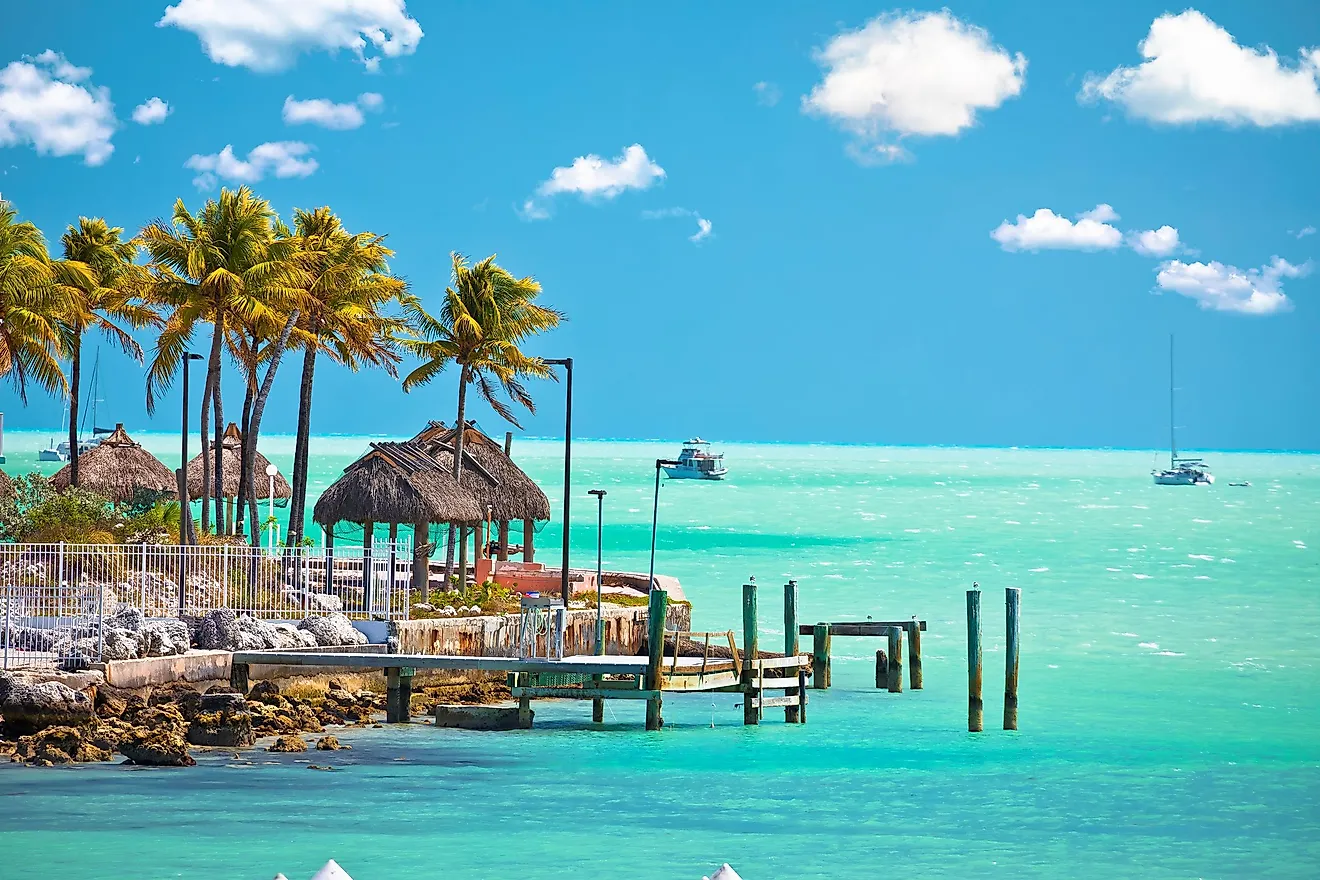
Palm trees run along the streets, and five miles of sand line the eastern edge of the island facing the Atlantic Ocean. The Tybee Beach Pier and Pavilion sits over the water for fishing, dances, and warm-weather events like the Labor Day Beach Bash. An earlier pier went up in 1891; the current one dates to 1996, built after a fire destroyed its predecessor.
Next to the lighthouse, vendors at the Tybee Island Farmers and Artisans Market lay out homemade breads and pies, farm eggs, meats, and local produce, alongside jewelry, leather and woodwork, and skincare goods from area makers. Downtown keeps a smaller scale. Surf shops along Tybrisa Street stock sunglasses, sand toys, and beach gear, and Waves Surf Shop and Aloha Gifts add souvenirs and trinkets. At the end of the commercial strip, Park of 7 Flags holds Nickie's Fountain, a memorial to a longtime resident, with a shaded bench beside the water.
Saint Simons Island

Live oaks arch over the streets of Saint Simons Island, a barrier island south of Tybee along the coast. The small shops and restaurants sit along Mallery Street, including apparel stores like Go Fish Clothing and Jewelry and a pair of bait-and-tackle shops, though only St. Simons Bait and Tackle also sells lures, hooks, and bait.
Mallery Street ends at Neptune Park, which looks out over the Saint Simons Sound toward Jekyll Island. The St. Simons Island Pier reaches from the park across the water for fishing, and Walley the Whale, a statue of a mother right whale and her calf, stands at the waterfront. The park also holds the Neptune Fun Zone, with 18-hole miniature golf, a playground, and a lifeguarded water park.
The St. Simons Island Lighthouse sits beside the park. Crews finished it in 1872 to replace an earlier tower that Confederate forces destroyed during the Civil War. The 104-foot tower rises in Savannah gray brick, tapering from 21 feet in diameter at the base to 10 feet near the top, and its keeper's dwelling now holds a coastal-history museum open to visitors.
The St. Simons Trolley covers the rest. The rubber-wheeled buses are dressed up to look like old trolleys, and the route runs past 36 points of interest, among them Fort Frederica, Bloody Marsh, and the lighthouse.
St. Marys

Pastel historic buildings line the downtown of St. Marys, just north of the Florida border, where the town center meets its namesake river and tidal estuary. The National Register district holds Folk-Victorian and Italianate storefronts, now home to shops and restaurants like the Market on the Square, a general store with chocolate pecans, pralines, snacks, cold drinks, and souvenirs.
The town is the mainland gateway to Cumberland Island National Seashore, the largest of Georgia's barrier islands, reachable only by boat. The ferry runs about 45 minutes each way, and the island stays undeveloped, with wild beaches, biking, and camping by reservation.
On the mainland, Howard Gilman Waterfront Park has paths along the water past a gazebo and a three-tiered fountain, plus an amphitheater stage used for the Music in the Park series and other concerts. A fishing pier and a boat ramp reach the river from the park.
A few blocks inland on Osborne Street, next to the St. Marys Welcome Center, sits the Toonerville Trolley. The handcrafted railcar carried passengers between St. Marys and Kingsland in the late 1920s, riding a Model T Ford truck chassis fitted with rail wheels. In 1935, cartoonist Roy Crane rode it into town and sketched local scenes and characters for his nationally syndicated strip, Wash Tubbs and Easy, the source of the line "See you in the funny papers."
Thomasville

Broad Street and Jackson Street are still paved in the brick that crews laid in 1907. The Times-Enterprise counted 899,392 bricks put down by the Georgia Engineering Company, and the two streets are now a protected part of the downtown streetscape.
The historic downtown holds antique shops like ForeverRetro, stocked with mid-century modern furniture, and Vintage Treasures II, with furniture and home decor. Once a year the Thomasville Antiques Show brings in a curated run of antiques, fine art, and some contemporary design.
Specialty shops fill out Broad Street. Imagination Emporium runs two floors of locally made toys and national brands like Magna-Tiles, and a block down, the Bookshelf carries first-run fiction, nonfiction, and children's titles, with puzzle nights, story times, and author signings on its calendar.
A few blocks from the center stands the Big Oak, one of the largest Southern live oaks east of the Mississippi. Its trunk measures about 26 feet around, its limbs span some 165 feet, and it dates to roughly 1680, old enough to have stood through the Revolution.
Americus

More than 400 buildings make up the historic district in Americus, and the Windsor Hotel is the one people photograph. Built in 1892 to draw Northern visitors south for the winter, the five-story Victorian holds an ornate turret and a three-story atrium lobby.
Small shops and restaurants run along Jackson Street below the hotel, including several apparel stores. Lily's Southern Boutique dresses men, women, children, and babies; Southfitters carries women's jewelry and accessories; and George's Menswear, Tailor and Tuxedo Central handles the formal end. At the edge of downtown, the 13th Colony Distillery pours tours and tastings of its bourbon and bills itself as Georgia's oldest operating distillery since Prohibition.
Two blocks down, the Rylander Theatre opened in 1921 as a vaudeville house. A 1999 restoration brought it back for audiences of 600 across three levels, and the original Art Deco interior survives along with a 1928 Möller theatre pipe organ. The schedule includes live performances, organ concerts, and gospel festivals.
Georgia Southwestern State University sits on the south side of town and opens its concerts and athletic events to the public. The Hurricanes compete in NCAA Division II, mostly in the Peach Belt Conference, fielding teams across baseball, basketball, soccer, softball, cross country, and more.
Madison

Heritage Hall, a Greek Revival home from 1811, is one of the best-preserved examples of antebellum architecture in the state, and the Morgan County Historical Society runs it. The society also opens the nearby Rogers House, built in 1810 as an example of the Piedmont Plain style, and the Rose Cottage beside it.
Once a year, the Tour of Homes and Gardens opens other historic houses to a self-guided spring walk. The Madison Morgan Cultural Center organizes it. Housed in an 1895 Romanesque Revival school building, the nonprofit center runs classes in dance, art, and yoga, along with open-mic nights and other programming through the year.
The Morgan County African-American Museum occupies the Horace Moore House, built around 1895. Founded in 1993, the museum documents the county's African American history through a collection of cultural artifacts, with tours during the week and on select Saturdays.
Blairsville

The Old Courthouse Museum stands at the center of Blairsville, and the Union County Historical Society is the reason it is still there. Built in 1899 and slated for demolition in the 1970s, the courthouse was saved by the society and now sits on the National Register of Historic Places.
Shops and restaurants ring the old courthouse. Michaelee's Italian Life Caffe cooks a modern menu drawn from several regions of Italy, the Farmer's Daughter stocks local pantry goods, gifts, and home decor, and next door, Book Bound Bookstore carries local authors and new releases.
At the edge of town, Meeks Park has tennis courts, a swimming pool, disc golf, and more than four miles of walking trails through woodland and along the creeks. For longer hikes, access points near Blairsville reach the Benton MacKaye Trail, a nearly 300-mile route through the southern Appalachians with about 82 miles in Georgia. The trail runs on into Tennessee, North Carolina, and Great Smoky Mountains National Park.
Dahlonega

The Dahlonega Gold Museum sits at the center of the town's red-brick square, inside the 1836 Lumpkin County Courthouse, the oldest surviving courthouse in Georgia. Its film and exhibits tell the story of the gold rush that began here in 1828, two decades before California, and the families who chased it. The courthouse bricks were made from local clay carrying traces of that same gold.
Small shops fill the surrounding streets. Crown and Bear trades in all things British, and across the square, Cranberry Corners keeps gifts, local pantry goods and candy, and a Christmas shop open year-round.
The square also holds antique shops for the treasure hunters. Gateway Antiques and Antiques and Collectibles both carry a jumble of home decor, dishes, art objects, books, tools, and glassware, along with plenty of items whose purpose is anyone's guess.
At the edge of town, Lake Zwerner and the Yahoola Creek Reservoir open up the outdoors. A 3.3-mile trail loops the reservoir, and a boat ramp gives small craft and anglers access to the water.
Blue Ridge

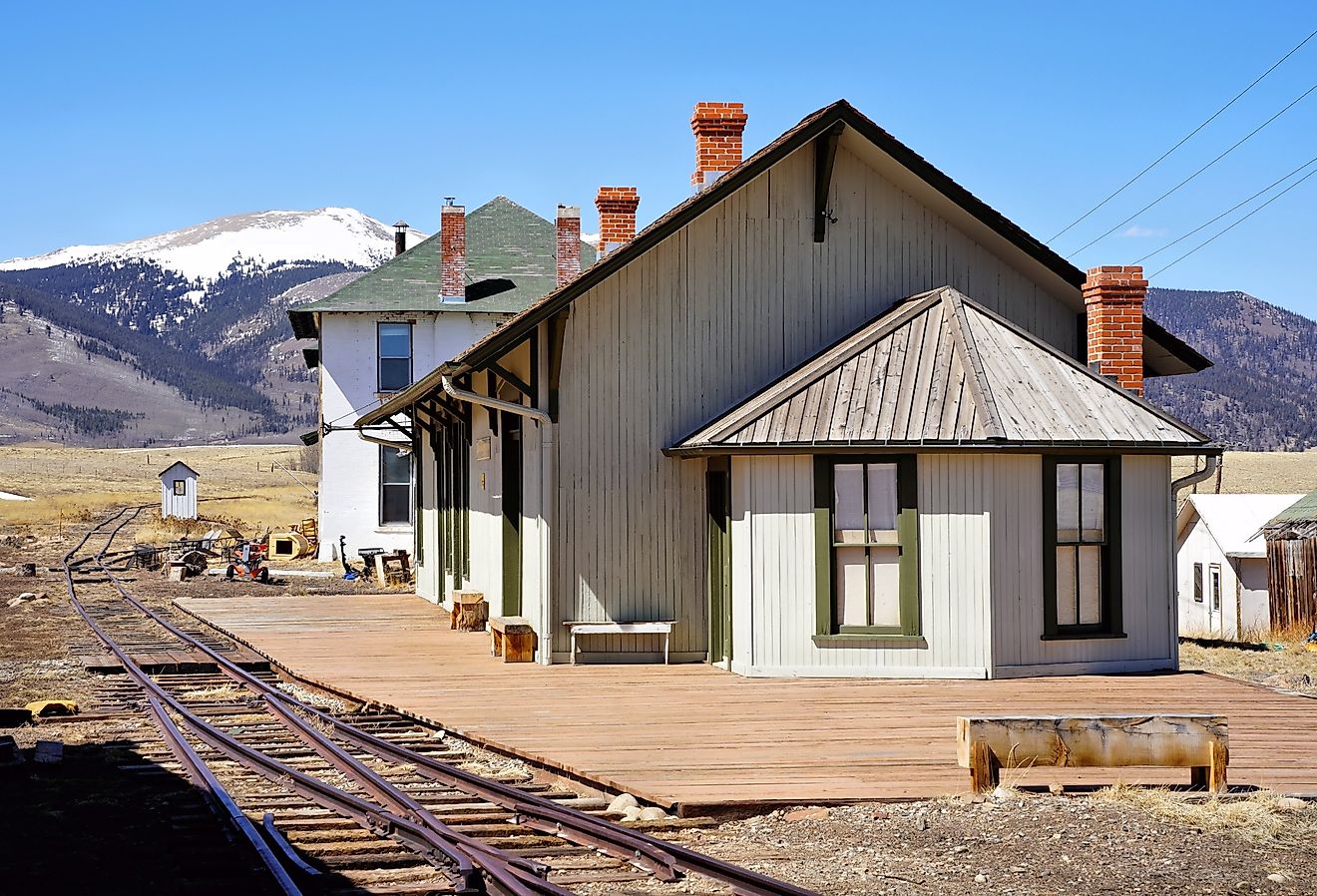
The Blue Ridge Depot, built in 1905 by the Louisville and Nashville Railroad, sits at the heart of a town in the foothills of the mountain range that shares its name. Small shops stand along Main Street: Sunrise on the Blue Ridge for local pantry goods, pottery, and artwork; Blue Ridge Mountain Mall for handmade items and antiques; and Blue Ridge Adventure Wear for outdoor gear headed into the hills.
The Blue Ridge Scenic Railway leaves from the depot on two- and four-hour runs into the mountains. Tracks first reached Blue Ridge from Marietta in 1886, and a century later the scenic railway began carrying passengers to keep that railroad history alive. The line also runs railbike tours, 90-minute trips on four-wheeled aluminum bikes that pedal along the rails.
At the edge of town, the Swan Drive-In has shown double features rain or shine since 1955. The concession stand keeps a full diner menu, with offerings tied to the night's films alongside the regulars: burgers, fries, funnel cakes, and old-fashioned candy.
Blue Ridge also keeps live theater going through the Blue Ridge Community Theater. The volunteer company stages at least six main-stage productions a year, plus black-box shows and programs for local children.
Calhoun

The Gordon County courthouse stands at the center of Calhoun, and a growing run of small shops and businesses has filled in around it. Across the street, the Gem Theatre dates to 1939, with a schedule that mixes live programming and screenings of classic films.
A block from the courthouse, the Harris Arts Center is a hub for local arts, with concerts, theater, and education programs on its calendar. It also houses the Roland Hayes Museum, devoted to the internationally acclaimed vocalist. The son of formerly enslaved parents, Hayes carried his career around the world, and the museum's collection includes personal items such as his travel trunk and the piano that toured with him.
Antiquing in Calhoun can fill a full day. Vintage and upcycled shops sit scattered through town: Retro Emporium Antiques and Uniques for vintage toys, glassware, and decor, and Pintage Antique Market for furniture, vintage fabrics, lighting, and home decor from a range of vendors.
On the outskirts, the Rock Garden holds 50 hand-sculpted miniatures that volunteers from the Calhoun Seventh-day Adventist Church built out of small stones, broken glass, recycled tile, and seashells. The tiny churches, houses, castles, and cathedrals copy real monuments, among them the Colosseum, and the garden is open to visitors during posted hours.
Rome

The Between the Rivers historic district fills the narrow streets between the Oostanaula and Etowah rivers with Victorian homes and commercial blocks. The antique shops, boutiques, and restaurants sit along Broad Street. La Scala Mediterranean Bistro runs caviar service alongside pasta and entrees of smoked duck, grouper, and lobster, and down the street, John Henry's Grill keeps a more casual Southern menu with shrimp and grits, fried okra, a redfish sandwich, and a bologna BLT with pimento cheese.
Like its Italian namesake, the town spreads across seven hills, and that terrain shapes its trail network. Jackson Hill overlooks downtown, with seven trails wrapping the slope, open to mountain bikers, and exhibits on Civil War fortifications and machinery are set through the park.
The Downtown Riverfront Trail is a multi-use path along the water, connected to the wider walking network. Its routes follow both banks of the Oostanaula and continue into Heritage Park along the Coosa. Altogether the system covers 16 miles across 15 trailheads.
One Landmark Holds Each Town Together
What runs through these places is not scenery so much as a single object the people in each town chose to keep. Tybee has its lighthouse, Dahlonega its gold-rush courthouse, Blue Ridge its depot, Blairsville the courthouse a historical society pulled back from the wrecking ball, Thomasville a tree older than the country. Residents built the shops, festivals, and daily habits around each of these. The lighthouse still marks the mouth of the Savannah River, the scenic train still climbs into the mountains, and people still fill the courthouse squares on a Saturday, the clearest sign that these towns and the landmarks they saved still depend on each other.