11 Best Places To Live In The Maritimes In 2026
Atlantic Canada has become a serious option for buyers priced out of Ontario and British Columbia, and the towns on this list explain why better than any statistic. Spread across Prince Edward Island, New Brunswick, and Nova Scotia, these eleven places offer detached homes, walkable cores, and functioning civic life at prices that would barely cover a deposit in Toronto. But low cost alone is not the standard here. Each town earns its place through what it provides on an ordinary week: a real farmers' market, a trail worth using, an employer or institution that anchors the population, and a café where the regulars outnumber the tourists. The list runs from Charlottetown, where Confederation was argued into existence, to Saint Andrews, where Loyalist streets and a working harbour still shape daily life.
Charlottetown, Prince Edward Island

Charlottetown carries more civic history than its size suggests, and that history is not decorative. Homes generally sit around $430,000, lower than many comparable Halifax options. Province House remains the main national landmark, tied to the 1864 Charlottetown Conference, but it remains under conservation work as of mid-2026, with reopening expected in fall 2026. For outdoor time, Victoria Park is the practical route: harbour views, boardwalk sections, ball fields, and space that residents actually use rather than photograph once and leave. The Charlottetown Farmers' Market, temporarily operating at 614 North River Road, gives a clear read on the capital's scale: produce, prepared food, coffee, and familiar vendors without much performance. Downtown, Confederation Centre of the Arts keeps theatre, exhibitions, and public programming close together.
Fredericton, New Brunswick
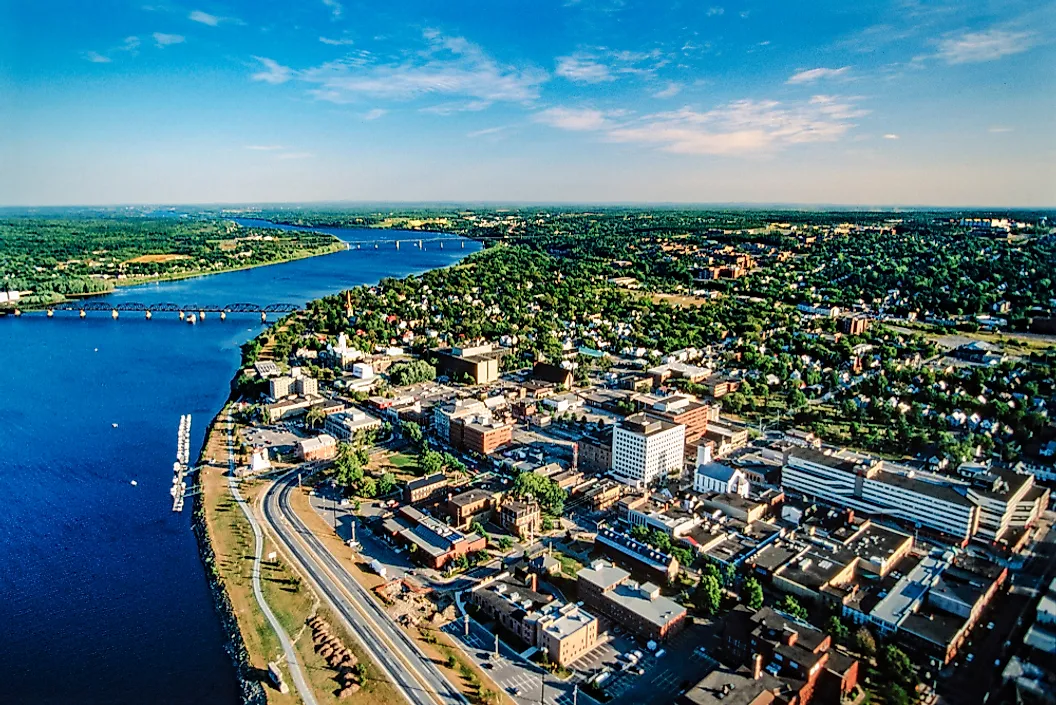
Fredericton's home values sit around $385,000, supported by steady employment from provincial government, the University of New Brunswick, St. Thomas University, and technology firms. The city is strongest where it is most direct, particularly along the river and through the centre. The Fredericton Boyce Farmers Market is worth reaching early for samosas, apples, baked goods, and drinks from Whitney Coffee Company. Odell Park gives the city a large old-growth forest park, with winter skiing routes and summer trails close to the core. Christ Church Cathedral makes the Loyalist and Anglican record visible without much explanation needed. At the Beaverbrook Art Gallery, major works by Salvador Dalí, Cornelius Krieghoff, and Atlantic Canadian artists give Fredericton a cultural institution larger than its population might imply. Graystone Brewing's beer garden earns its traffic, especially after time on the riverfront trail.
Wolfville, Nova Scotia

In Wolfville, Acadia University sets much of the town's tone. The campus brings lectures, exhibitions, students, visiting families, and a level of activity that small towns usually lack. Housing is not cheap by rural Nova Scotia measures; typical resale pricing is around $525,000. The Acadia University Art Gallery gives Wolfville a serious exhibition venue. T.A.N. Coffee and the Wolfville Farmers' Market at the DeWolfe Building are regular stops rather than novelties, and the central strip handles much of the ordinary movement through town. The Harvest Moon Trailway is the main walking and cycling line through the municipality. A short drive away, Grand-Pré adds Acadian history and open marshland to the local circuit. For dinner, The Church Brewing Co. is a practical choice that does not require much deliberation.
Lunenburg, Nova Scotia

Lunenburg is still a working harbour town, despite the attention its painted houses receive. Current sale indications put typical residential property near $550,000, with heritage homes and water views pushing higher. Masts, gulls, boatyard noise, and steep lanes all belong to the same place, and the town does not pretend otherwise. The Fisheries Museum of the Atlantic gives proper waterfront context, from schooners to cod-trade history. St. John's Anglican Church is worth seeing for its restored Gothic Revival interior and its long record in town. For a weekly routine, the Lunenburg Farmers' Market remains a Thursday fixture, shifting seasonally between the Lunenburg Arena and the Lunenburg Community Centre. Blue Rocks, a few minutes away, is the best nearby option for sea kayaking and granite-coast walks. Ironworks Distillery makes good use of the old marine blacksmith shop, and Beach Pea Kitchen and Bar is a sound dinner reservation.
Mahone Bay, Nova Scotia

On Mahone Bay's harbourfront, St. James' Anglican, St. John's Lutheran, and Trinity United form the three-church view that defines the town for many visitors. Homes are near $540,000 by current resale figures. The town functions best at a modest pace, and the infrastructure supports it: The Barn Coffee and Social House, South Shore Public Libraries' bookmobile stop at the Three Churches parking lot, and community programming at the Mahone Bay Centre cover much of the local circuit. The Dynamite Trail gives residents a useful walking and cycling route on the old rail line. For history, the Mahone Bay Museum covers shipbuilding, privateering, and family records without reducing the place to a postcard. Amos Pewter remains a serious workshop, with casting demonstrations and handmade pieces produced on site. Jo-Ann's is the practical choice for bread, lunch, and prepared food before errands in the village core.
Antigonish, Nova Scotia

Antigonish has more structure than many towns its size because it serves eastern Nova Scotia's academic, health care, and service economy. Residential sales sit near $385,000, which keeps the town accessible for many buyers who want walkability rather than acreage. St. Francis Xavier University keeps the calendar active through lectures, varsity games, and the Coady Institute's international programs. Keppoch Mountain draws residents onto signed hiking and mountain-biking trails before work and on weekends. The Antigonish Heritage Museum gives Acadian, Mi'kmaw, and Scottish history a firm address in the former railway station, a building that earns its purpose. Downtown, The Townhouse is a reliable option for regional beer and serious pub cooking. The Antigonish Farmers' Market at 20 Exhibition Lane remains the Saturday source for bread, produce, drinks, and conversation.
Truro, Nova Scotia

Truro's main advantage is location, and it compounds. Current pricing puts typical homes around $350,000, below many Halifax-area options. Halifax is within reach for work trips, the Cobequid hills are close enough for a hard walk after supper, and the core is compact enough for errands without turning every outing into a drive. Victoria Park is Truro's strongest outdoor asset, with Jacob's Ladder, the Waddell Falls trail, and steep ravines inside municipal limits. On Saturdays, the Truro Farmers' Market on Young Street gives the town a reliable food stop. NovelTea Coffeehouse & Bakery gives downtown a useful place to pause between those errands, while NovelTea Bookstore & Gifts operates separately nearby. The Colchester Historeum maintains a firm historical record, including Mi'kmaq, Acadian, African Nova Scotian, and Planter heritage. Marigold Cultural Centre brings theatre, concerts, and film nights into the core.
Rothesay, New Brunswick

Along the Kennebecasis River, Rothesay has quiet streets, old maples, and well-kept houses. It works for people who want Saint John within reach without giving up a smaller-town routine. Typical resale pricing is near $525,000, high for New Brunswick but still below many larger Atlantic centres. Rothesay Common is the civic green, with outdoor skating in winter and concerts in summer. Renforth Wharf gives direct river access for paddling, sailing, and watching activity on the Kennebecasis River. The Wells Recreation Park loop and Java Moose on Clark Road cover many mornings without requiring much decision-making. Rothesay Railway Station preserves rail-era architecture in a compact building. Shadow Lawn Inn adds a polished dining room and a restored 1870 estate to the area. The appeal is plain: good schools, maintained civic space, and careful stewardship over a long period.
Sackville, New Brunswick

Sackville is best understood through Mount Allison University, and the campus gives the municipality unusual cultural weight for its size. Residential sales are near $300,000, making it one of the more attainable choices on this list. Owens Art Gallery, founded in 1895, is Canada's oldest university art gallery and keeps a serious exhibition schedule year-round. Sackville Waterfowl Park offers a boardwalk route through marsh, ponds, and bird habitat without leaving town. The Cackling Goose is a central place for lunch and midweek conversation. Boultenhouse Heritage Centre preserves Sackville's shipbuilding and Tantramar record across historic buildings that include a shipwright's mansion and the Octagonal House. The result is compact and practical: marshland at the edge, enough institutions to support a stable population, and pricing that does not require significant compromise to enter.
Summerside, Prince Edward Island

Summerside offers a working waterfront, modest traffic, and sufficient year-round services to avoid the thin feeling that can set into smaller coastal towns in winter. Typical resale values are near $350,000. The Baywalk Boardwalk gives walkers a flat waterfront route in every season, and Water Street handles much of the town's routine business. Samuel's Coffee House and the Summerside Farmers' Market make a useful morning circuit for bread, fish, produce, and coffee before the rest of the day begins. The College of Piping brings concerts, classes, and Highland dance into the civic calendar. Wyatt Historic House Museum gives a direct look at Summerside's late Victorian prosperity, including the period when silver fox ranching shaped area fortunes. Spinnakers' Landing is the summer draw for food, small shops, and harbour views.
Saint Andrews, New Brunswick

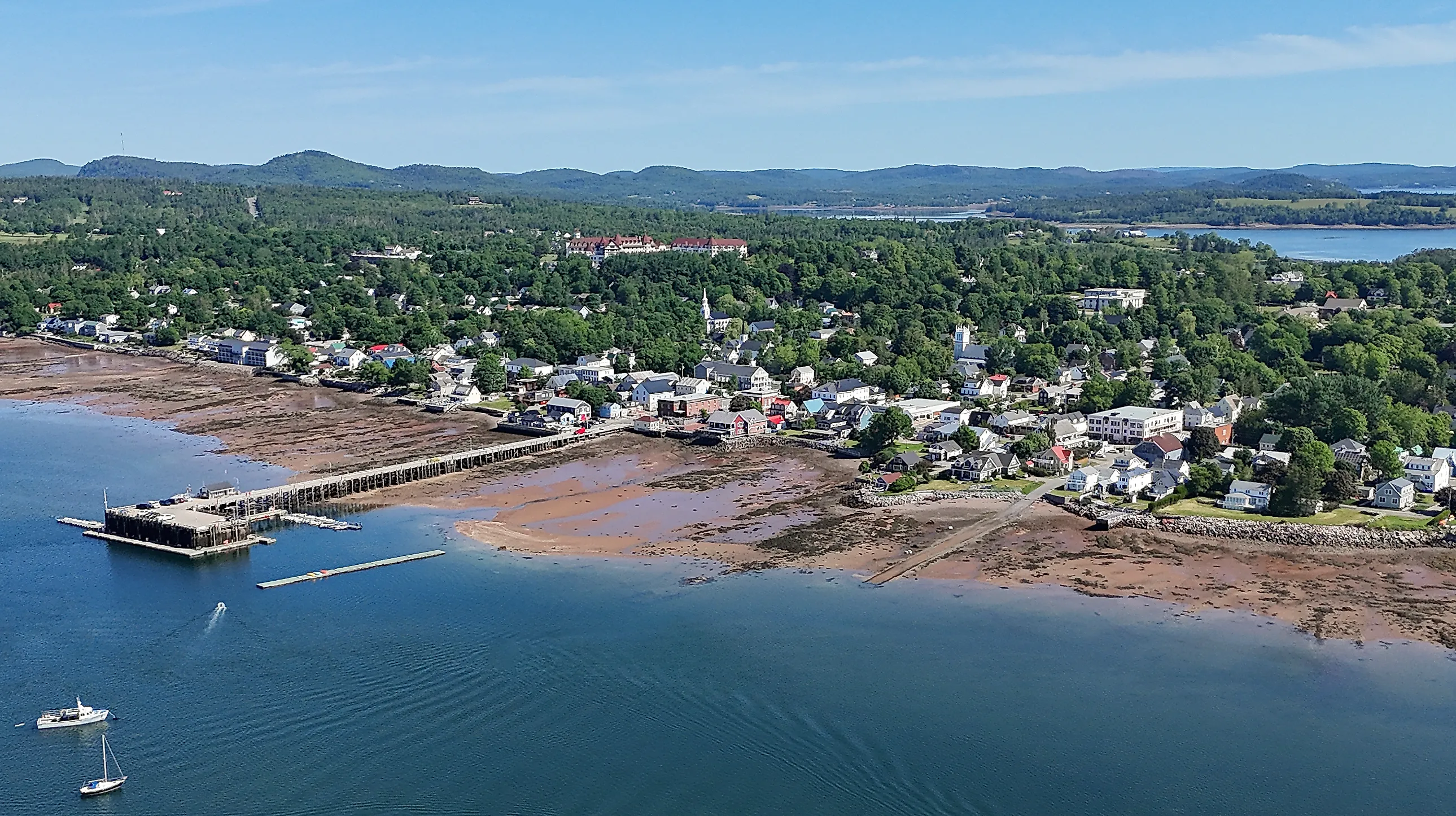
Saint Andrews has a compact waterfront, old Loyalist lanes, and a working-harbour edge that keeps it from feeling ornamental. Homes sit near $430,000, with renovated heritage houses and smaller inland properties making up much of the supply. Kingsbrae Garden is the chief landmark, with 27 acres of formal beds, sculpture, and wooded paths. The Ross Memorial Museum gives a precise look at early settler wealth inside an 1824 house. Ministers Island is reached by driving the ocean floor at low tide to visit Sir William Van Horne's estate, which is either a practical outing or a mild inconvenience depending on your timing. Honeybeans Coffee remains a regular halt, and the tide chart is not an abstract subject here. The Gables serves dependable seafood facing Passamaquoddy Bay.
Across these eleven towns, the consistent variable is not scenery or heritage designation but the relationship between what a place costs to enter and what it actually provides on an ordinary Tuesday. Sackville at $300,000 and Lunenburg at $550,000 are not interchangeable, and neither is the life built around each. The towns that hold up under serious consideration are the ones where the farmers' market, the trail, the café, and the employer form a workable circuit without requiring a long drive or a large income to sustain it.