10 Best Places To Live In Ontario In 2026
Burlington has topped Canada's best-places-to-live rankings more than once, and it is not because of the scenery. It is because roughly 187,000 people can get a family doctor, buy a house for less than Toronto money, and reach Lake Ontario on foot. That combination is rarer than it sounds. The ten places below each solve the same equation differently, whether that means a capital city with a skating rink for a commute, a tech town where horse-drawn buggies share the road, or a port on Lake Superior where the cost of living still makes sense. These are the best places to live in Ontario in 2026.
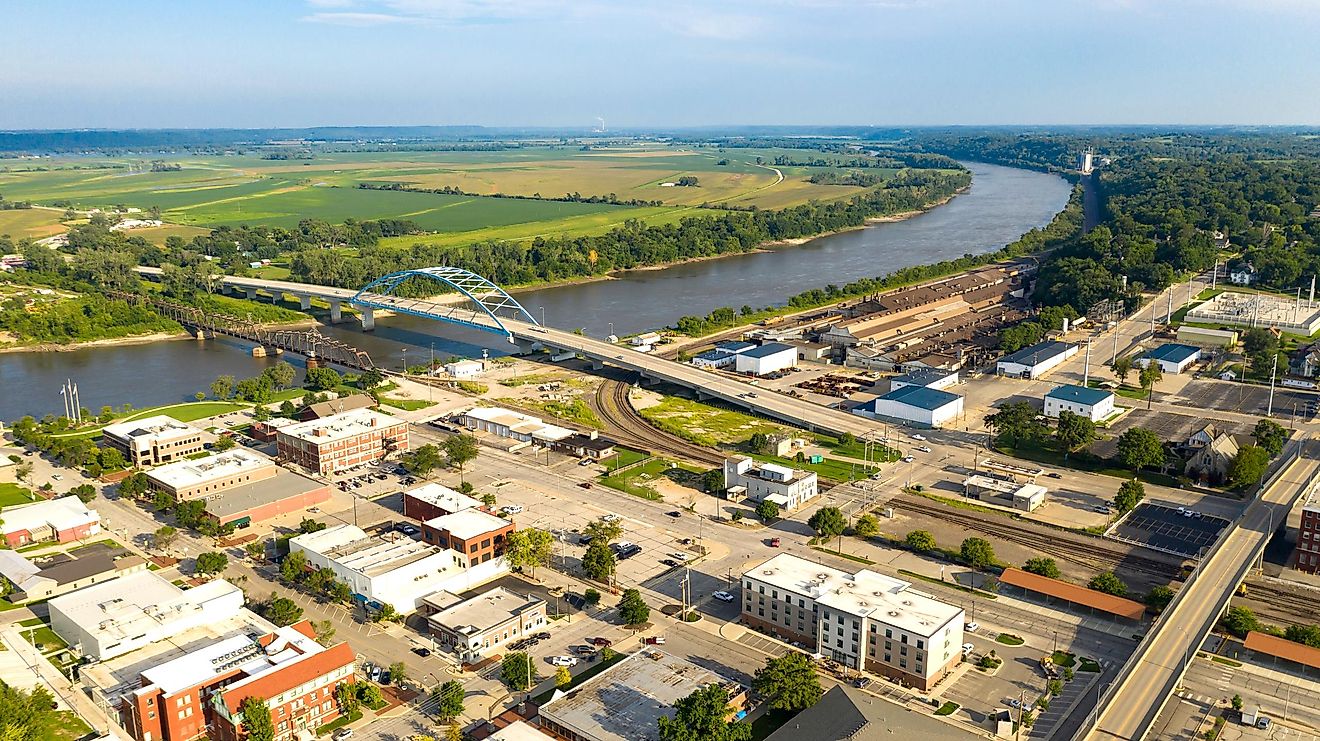
Burlington

Burlington keeps turning up at the top of livability rankings for mid-sized Canadian cities, and the reasons are unglamorous and practical. It is regularly among the safest municipalities in the country. Most residents have a regular healthcare provider, which is not something every Ontario town can claim. And housing, while no longer cheap, still undercuts Toronto an hour down the lake.
Advanced manufacturing and biomedical firms anchor the local job market for its roughly 187,000 residents. The neighbourhoods give you range: fixer-uppers in Aldershot, mature treelined streets in Shoreacres, walk-to-the-water homes in Elizabeth Gardens, and newer family subdivisions out along the rural edge. The waterfront and park system carry the rest, with biking, hiking, and paddling in summer giving way to cross-country skiing, skating, and tobogganing once the lake wind turns.
Ottawa

In a hard winter, Ottawa office workers commute to work on ice skates. The Rideau Canal Skateway freezes into the world's largest naturally frozen skating rink, running nearly eight kilometres through the middle of the city, though warm winters have shortened and occasionally cancelled the season in recent years. The same corridor works as bike and walking path the rest of the year.

Canada's capital is small as world capitals go, with a city population around one million, which is the appeal for anyone who wants urban life without Toronto's friction. Work comes from government, technology, and healthcare. Housing splits neatly by need: Kanata and Hunt Club for families, the Glebe for professionals and retirees who want a tree-lined street and a walkable block.

The museums are the country's best, full stop: the National Gallery of Canada, guarded by Louise Bourgeois's nine-metre bronze spider Maman, plus the Canada Science and Technology Museum and the Canadian Museum of Nature. The National Arts Centre handles the big performances and a healthy local theatre scene handles the rest.
Halton Hills

Halton Hills sits at the foot of the Niagara Escarpment about an hour northwest of Toronto, which has made it a steady draw for younger couples working in the GTA who want land under them. The town is not one place but several: two urban centres, Georgetown and Acton, plus a scatter of hamlets between them.

The escarpment brings conservation areas and trail access right to the doorstep, and the food and drink scene has grown up around the farms rather than in spite of them. Local breweries, cider houses, and wineries pour tastings, and the farm-to-table restaurants source from a few concessions over. Halton Hills makes the case that an Ontario town does not need a lakefront to be worth living in.
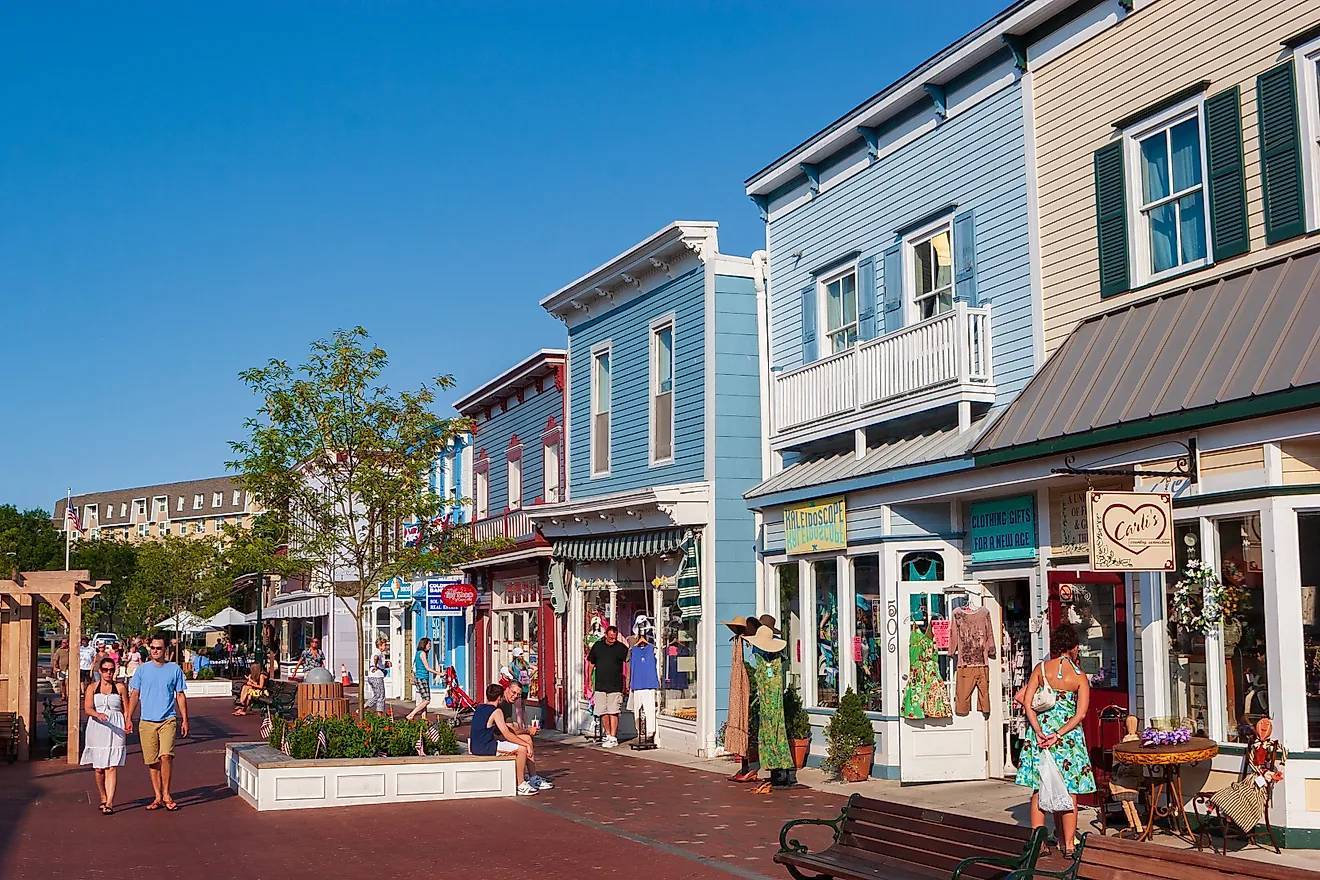
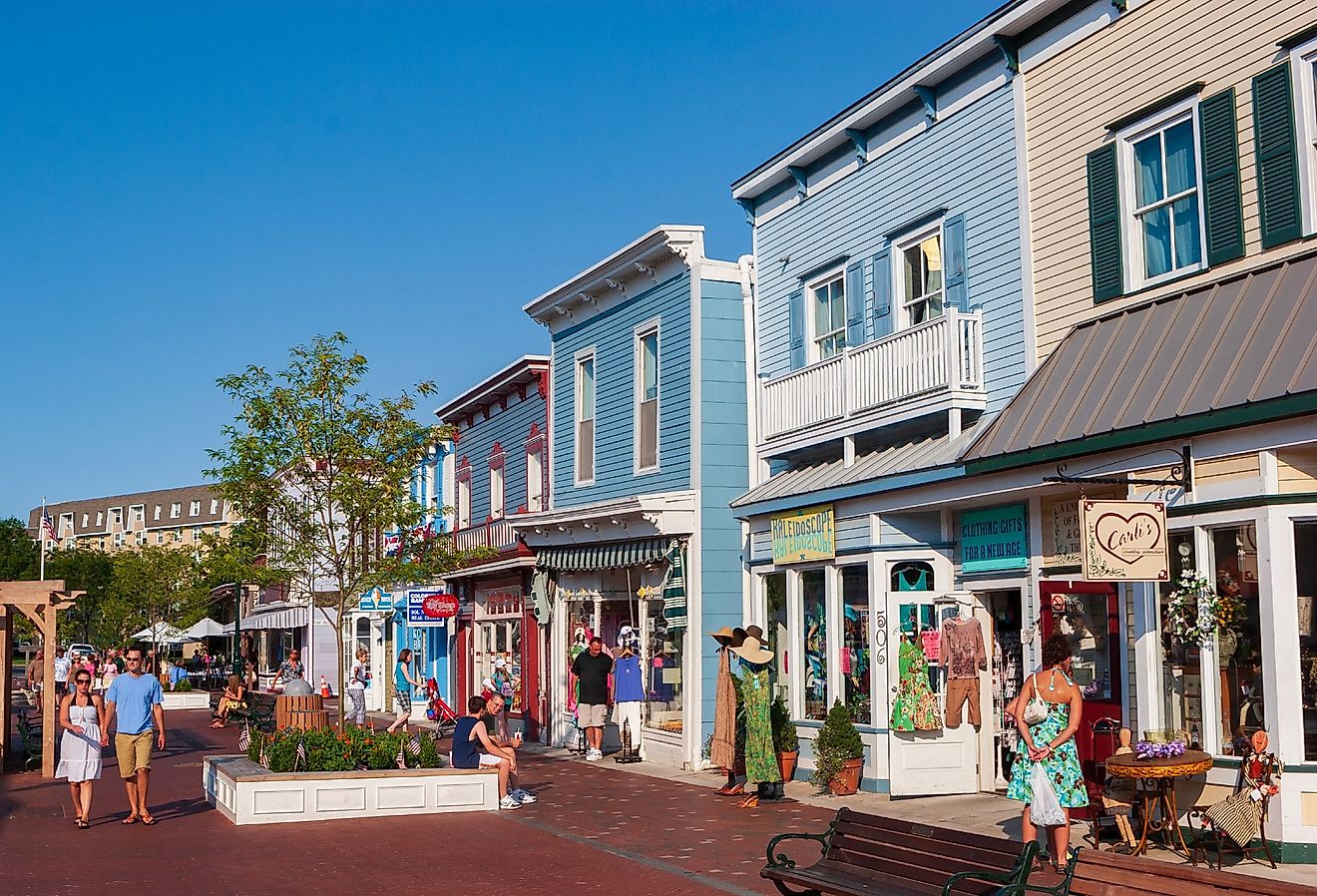
Collingwood

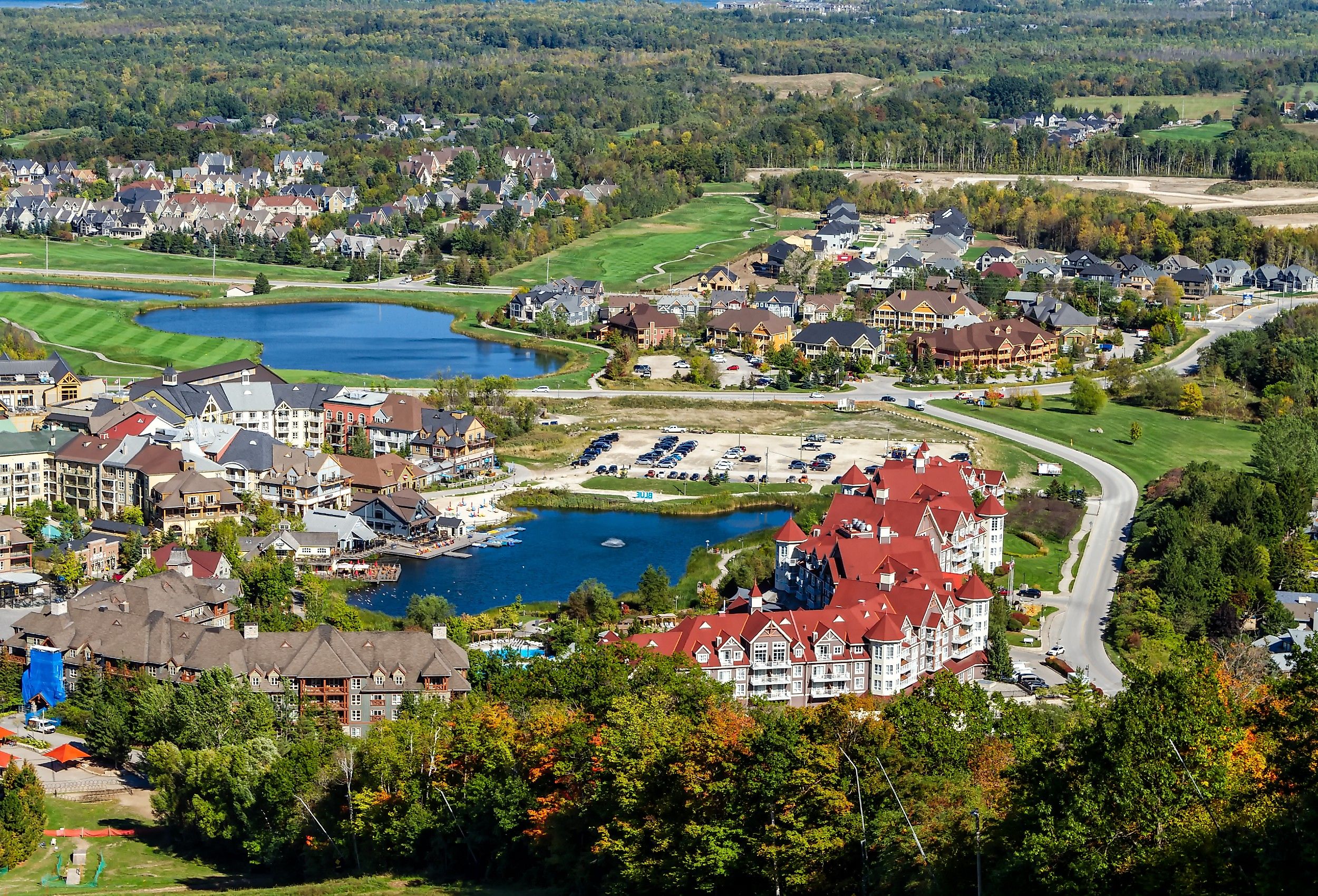
Collingwood grew by nearly 14 percent between the 2016 and 2021 censuses, one of the faster rates in the province, and the arrivals are increasingly remote tech workers rather than retirees. The town spent a century building ships on Georgian Bay, pivoted to tourism when the yards closed in 1986, and is now building something else again.

The year-round calendar is the draw: Georgian Bay beaches in summer, Blue Mountain skiing fifteen minutes away in winter. Because so many high earners keep second homes here, full-time residents get resort-town amenities without resort-town isolation. Downtown is walkable and historic, though the modern condos overlooking the water make a strong counterargument.

The province has committed funding toward redeveloping Collingwood General and Marine Hospital, which matters in a town adding people this quickly.
Waterloo

Horse-drawn buggies and quantum physicists share the same roads here. Waterloo Region holds the largest Old Order Mennonite community in Canada, and the city is also home to the Perimeter Institute for Theoretical Physics and the university that produced BlackBerry. That collision is the whole character of the place.
Two universities, Waterloo and Wilfrid Laurier, put a large international student body into a city of about 121,000 and keep education at the top of the employer list. The wider Kitchener-Waterloo-Cambridge technology corridor supplies the rest of the jobs. The ION light rail, which opened in 2019, connects the city's neighbourhoods and has reshaped where people are willing to live. On weekends, St. Jacobs Market just north of town runs as Canada's largest year-round farmers' market, with hundreds of vendors. Most residents have a family doctor.
Vaughan

In 2017 Vaughan became the first municipality outside Toronto to get a subway station, when the TTC's Line 1 extension reached the Vaughan Metropolitan Centre. That single piece of infrastructure explains much of the city's growth to over 320,000 people, most of them looking for Toronto access without Toronto prices.
Low commercial and industrial taxes have pulled employers north too, so a good share of residents work where they live rather than commuting. Housing runs the full spectrum, from the heritage homes and estates of Kleinburg to the multi-era subdivisions of Woodbridge, Thornhill, and Maple. The McMichael Canadian Art Collection in Kleinburg holds the country's definitive Group of Seven collection, with several of the painters buried on the grounds. Canada's Wonderland handles the other end of the entertainment spectrum.
Kingston

Kingston was the first capital of the Province of Canada, from 1841 to 1844, and the limestone buildings that went up in that brief window still define downtown. The city sits where Lake Ontario empties into the St. Lawrence, which made it a fortress town and later one of the best freshwater sailing harbours in the world. It hosted the sailing events for the 1976 Montreal Olympics.
With about 132,000 residents, Kingston runs on health care and education, with Queen's University at the centre of both. Most people have a family doctor, which follows naturally. The city consistently ranks among Ontario's most walkable and markets itself on the fifteen-minute-city idea, and the summer event calendar keeps the waterfront busy. Kingston Economic Development runs Starter Company Plus and similar programs for anyone arriving with a business plan.
Thunder Bay

Terry Fox's Marathon of Hope ended just outside Thunder Bay, and the monument marking the spot looks out over Lake Superior toward the Sleeping Giant, the mesa formation that dominates every view from the city. This is the entry on the list nobody expects, and the one where your money goes furthest.

About 108,000 people live here, and the port remains one of the largest grain-handling operations on the Great Lakes. Shipbuilding, pulp and paper, brewing, and manufacturing round out the industrial base. Despite the distance from anywhere, the city is the healthcare hub for all of Northwestern Ontario, with facilities that punch well above the population.

Kakabeka Falls, the second-highest waterfall in Ontario at about 40 metres, is a twenty-minute drive west and known locally as the Niagara of the North. What Thunder Bay lacks in big-city convenience it returns in job openings, affordable housing, and a pace nobody apologizes for.
Aurora

Aurora has more than 60 kilometres of trail linking its neighbourhoods, plus a recently completed wildlife area with viewing platforms and boardwalks, which is a serious amount of connective tissue for a town of roughly 62,000. The ongoing downtown revitalization is trying to add density without erasing the heritage buildings, a balance most York Region municipalities have already lost.
Aurora Village is the walkable core. Around it sit older homes on treelined streets, affordable condos, and a steady supply of new family subdivisions. The Aurora Cultural Centre programs exhibitions and classes year-round. The town is far enough north of Toronto to feel separate and close enough to commute, which is the whole proposition.
Peterborough

The Peterborough Lift Lock raises boats nearly 20 metres in a single step, making it the highest hydraulic lift lock in the world, and it has been doing it since 1904. It is a National Historic Site and still in working service on the Trent-Severn Waterway, which is a fair summary of the city itself: old infrastructure that never stopped earning its keep.

Sitting on the Otonabee River in the Kawartha region, Peterborough combines a lower cost of living with a cultural calendar most small cities cannot sustain. There is a local symphony, several galleries, and year-round programming at Showplace Performance Centre and Market Hall. The Canadian Canoe Museum, which opened a purpose-built waterfront home in 2024, holds the largest collection of canoes and kayaks in the world, fitting for a city that built them commercially for a century.
Food processing, automotive supply, electronics, aerospace, and biotechnology drive the economy, alongside Trent University and Fleming College. Over 100 designated heritage buildings, weekly farmers' markets, and a trail network threading the parks fill in the rest.
Finding Your Place in Ontario
These ten sort cleanly by what you are actually optimizing for. If it is commuting distance to Toronto, Vaughan, Aurora, and Halton Hills are the answers, in descending order of density. If it is cost of living, Thunder Bay and Peterborough win outright, at the price of distance. If it is access to a family doctor, a genuine concern in much of the province, Burlington, Waterloo, and Kingston are the safest bets. If it is water, everything except Halton Hills sits on a lake, river, or bay, and the Great Lakes shoreline alone runs longer than most countries' coastlines. The Niagara Escarpment covers the rest. Pick the constraint that matters most and the list narrows itself.