Where Muskrats Go When Ponds Freeze
When ice seals a lake for the winter, muskrats stay put. In marshes, ponds, and lakes across North America, these semi-aquatic rodents spend the cold months active beneath the frozen surface, swimming between shelters and feeding on the plants growing below. They have no large food stockpile to fall back on, yet they still need regular access to air. Their solution relies on insulated lodges, channels through the mud, and a small shelter built directly on top of the ice. But when the ice grows too thick, the very shelter that lets them breathe turns against them. Read on to find out how muskrats survive beneath the ice, and what it takes for them to make it to spring.
Muskrats Stay in Their Underwater Homes

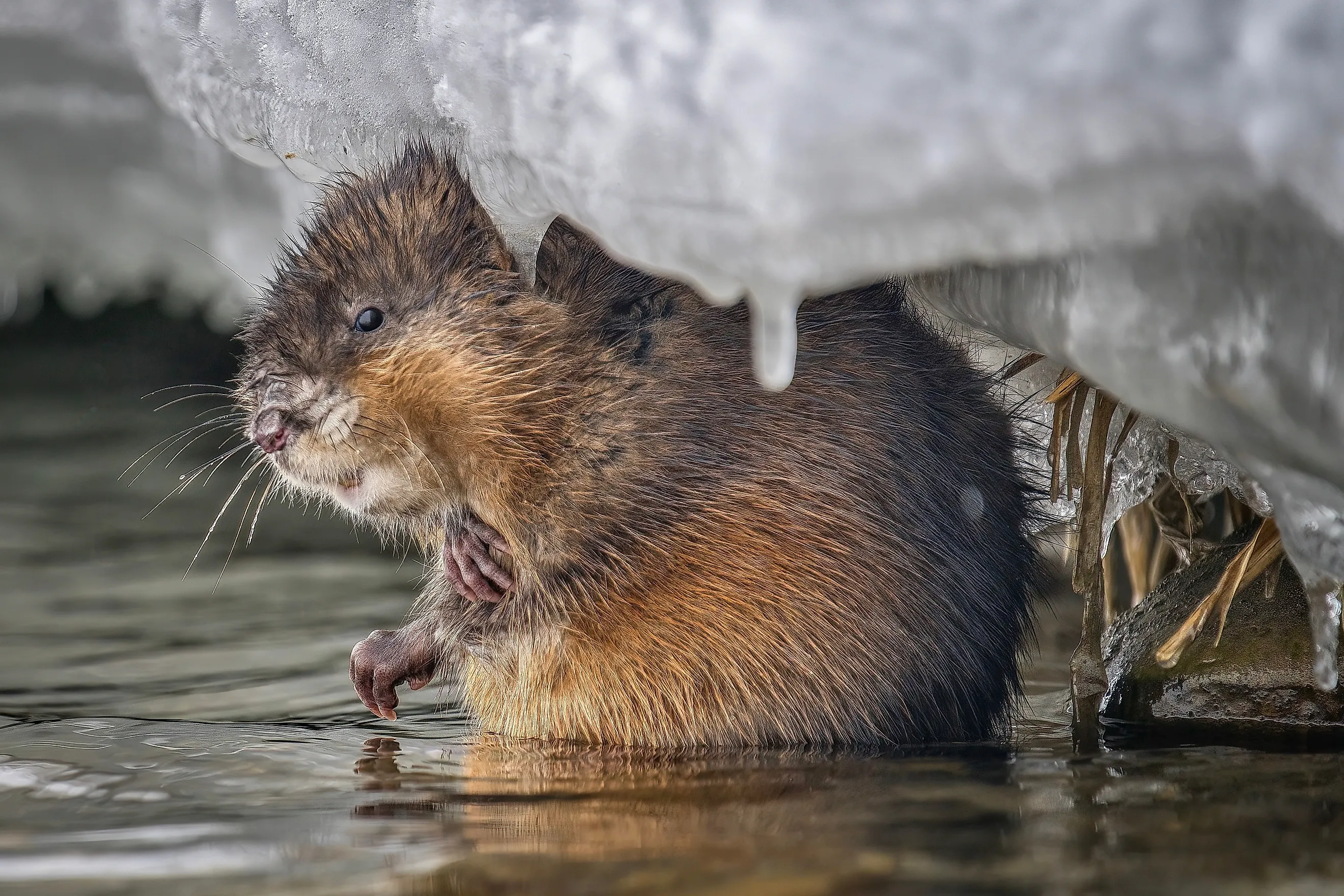
Muskrats generally remain in the same wetlands throughout winter rather than migrating south when temperatures fall. Their thick, water-resistant fur provides insulation, while their life in the water allows them to continue swimming and feeding beneath the ice. They typically shelter in lodges or burrows with underwater entrances, which protect them from cold air and many land-based predators.
A muskrat lodge resembles a miniature mound of vegetation rising above the water. The animals construct these structures using cattails, reeds, grasses, and mud, then hollow out interior chambers, and underwater entrances allow them to enter and leave without climbing onto exposed shorelines. Some muskrats live in burrows dug into streambanks or lake banks instead, which can provide similar protection where stable banks and sufficient water depth support underwater entrances.
Unusual Winter Shelters

One of the most interesting parts of a muskrat's winter routine is the construction of a structure called a push-up. These small shelters look like miniature versions of the animal's larger lodges. Muskrats create them by maintaining openings in thin ice and pulling vegetation, roots, and mud over them, forming a protected pocket above the waterline.
Muskrats use these shelters as resting places and breathing stations while making trips beneath the ice to find food, and they can also eat inside them. The Indiana Department of Natural Resources describes push-ups as feeding shelters formed from vegetation around openings in the ice, and the structures can be useful when the plants muskrats eat grow too far from the primary lodge. Rather than returning to its main shelter after every feeding trip, a muskrat can establish another sheltered stopping point closer to its food supply.
Finding Food in a Frozen Wetland

Muskrats do not survive winter by sleeping continuously or relying on a large food cache. Unlike beavers, they generally do not store substantial quantities of food for the colder months. Instead, they continue to gather fresh vegetation, including cattail roots, stems, and rhizomes, as well as other aquatic plants. The National Park Service identifies bulrushes and cattails among their preferred foods, and they occasionally eat small fish, snails, and other water-dwelling animals, too, although plants make up the bulk of their diet.
The Minnesota Department of Natural Resources explains that muskrats sometimes create channels in the mud beneath the ice, allowing them to travel between their shelters and feeding areas without repeatedly surfacing in freezing conditions. On bitterly cold days, a muskrat may remain inside its lodge and eat some of the vegetation incorporated into its walls. Lake Yankton and its surrounding wetlands illustrate why the right aquatic vegetation matters so much to winter survival, since muskrats depend on plant-rich wetland environments.
Cuddling To Stay Warm

Winter shelters also serve an important social purpose. Muskrats sometimes share their lodges with family members, especially when temperatures drop, and the Minnesota Department of Natural Resources reports that groups of muskrats huddle together inside their homes to conserve warmth. Their bodies also have several adaptations for spending extended periods in cold water. Dense underfur traps insulating air close to the skin, while protective outer guard hairs help repel water and reduce heat loss during swimming.
According to the National Park Service, muskrats can hold their breath for approximately 15 to 20 minutes, giving them enough time to travel underwater between feeding areas and shelters. This combination of insulation, shared shelter, and underwater mobility allows muskrats to remain active throughout the winter without leaving their habitat.
What Happens When The Ice Gets Too Thick?

Although muskrats are well adapted to winter, prolonged freezing conditions can make survival more difficult. As ice thickens, it restricts access to shallow feeding areas and can make underwater travel more challenging. Muskrats may move toward deeper water, where conditions are better for maintaining access to food and unfrozen water. The National Park Service explains that muskrats favor areas with water that is deep enough or moving quickly enough to prevent complete freezing. When a wetland freezes too deeply, animals may lose access to the underwater vegetation and sheltered areas they need.
Push-ups are particularly important during these periods, but they are not indestructible. Extremely cold weather can freeze their openings shut, preventing muskrats from using them to breathe, rest, or feed. The Alaska Department of Fish and Game notes that this can contribute to significant winter die-offs, especially when prolonged cold and limited food availability coincide.
Spring Brings Muskrats Back to Open Water
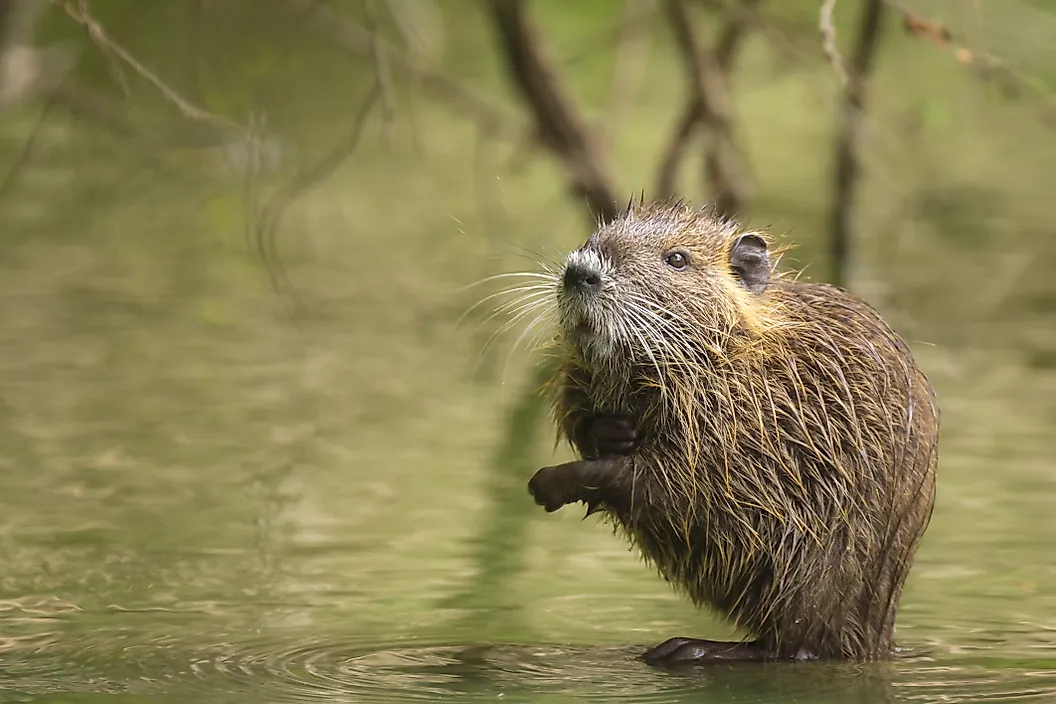
As temperatures rise and lake ice melts, muskrats gradually regain access to open water around their shelters. Their winter feeding routes and push-ups become less important as they can swim freely across the surface again, and they spend more time gathering plants and maintaining their lodges. At Lake Yankton, near the Missouri National Recreational River in South Dakota, vegetation and sheltered shoreline habitats provide good conditions for muskrats throughout the year.
The National Park Service notes that muskrats help control aquatic vegetation through their feeding habits while maintaining openings in wetland environments. A frozen lake might appear inactive during winter, but muskrats continue moving beneath its surface. Their lodges, underwater pathways, and ice-covered push-ups keep them connected to the habitat until spring returns. Rather than abandoning the lake, these rodents remain active beneath the ice.