7 Most Alligator Filled Places in Florida
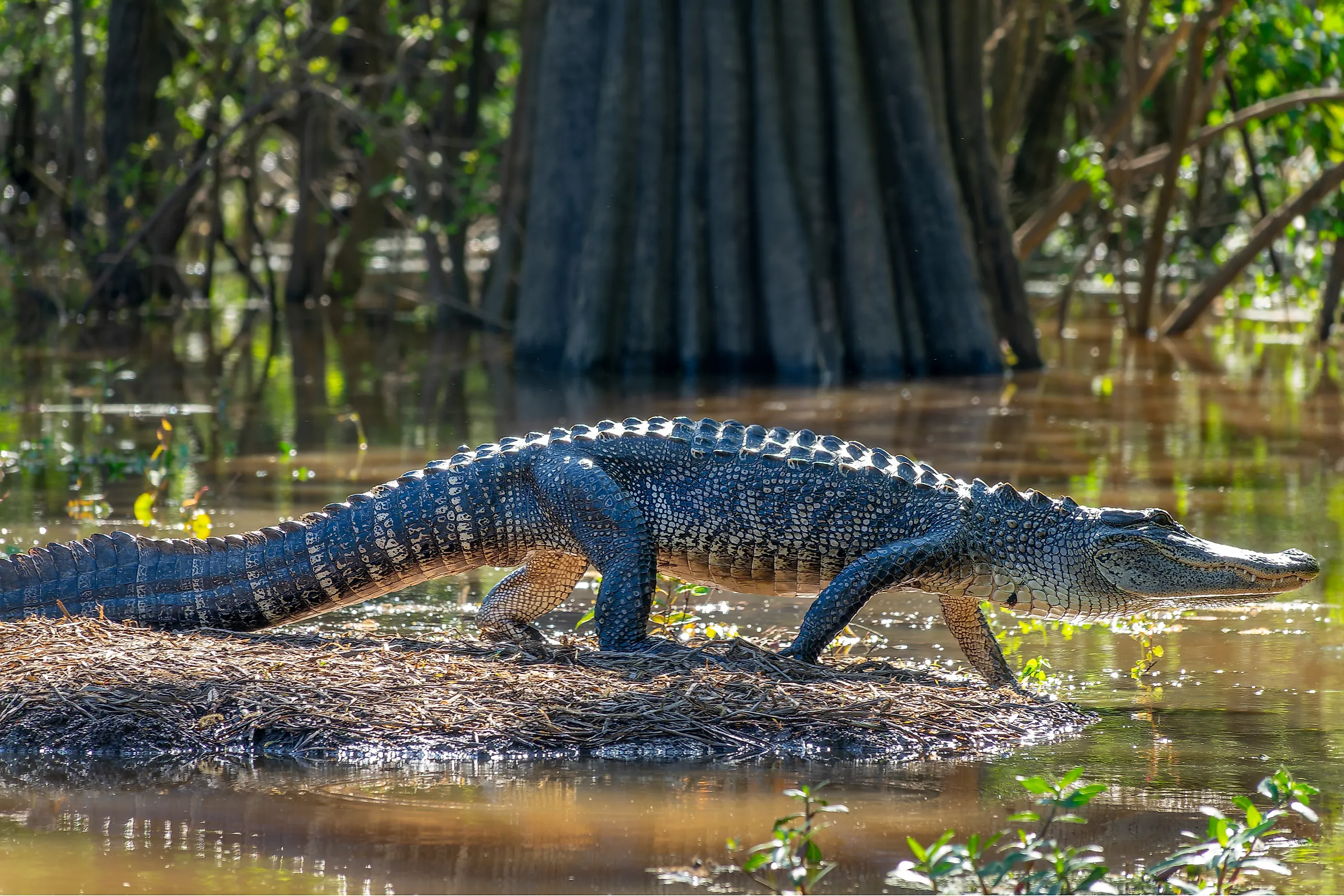
For many, encountering a single alligator in the wild is one too many. If you live in Florida, there is a good chance you have encountered alligators, particularly in central and south Florida, which has the largest concentration. However, you can find them in all 67 Florida counties. Unlike their cousins, the crocodiles, alligators prefer freshwater lakes, swamps, and slow-moving rivers. While Lake Okeechobee has the highest population of alligators, Lake Jesup in Seminole County has the highest density per acre.
A fundamental part of Florida’s ecosystem, there are approximately 1.3 million alligators throughout the state. They are also an important part of Florida's culture and tourism industry. Coexistence with humans is complicated. Despite their necessity to the ecosystem, alligators are under constant threat from human population growth. Greatly feared by humans, serious injuries from alligators are, in fact, quite rare. Most attacks result directly from risky human behavior, not from unprovoked aggression. Here are some of the lakes, rivers, and wetlands that boast the largest alligator populations in Florida, where you should exercise extra alertness.
Lake Okeechobee

The largest lake in Florida, Lake Okeechobee, is also home to the state's largest alligator population. These apex predators number in the tens of thousands, making the lake an important habitat. The 730-square-mile lake is shallow, densely vegetated, and has plenty of marshy areas. Alligators are found throughout the lake. The wetlands and low water levels are ideal for basking and mating spots. For those seeking alligator sightings, Lake Okeechobee is a good choice, particularly for seeing them in groups.
The alligators are particularly active during mating season and can be found basking in sunny, sandy spots. With the sheer number of alligators, the lake has become a major tourist destination. Wildlife officials caution visitors to stay at least 30 feet away, never feed them, and never go in the water or swim. Alligators play a crucial role in the Lake Okeechobee ecosystem as apex predators.
Lake Kissimmee

With an estimated population of around 16,000, Lake Kissimmee has a large alligator population. A popular lake for boating and other activities, encounters with alligators do happen, sometimes with tragic results. In May 2025, an 11-foot alligator killed a woman canoeing with her husband in Tiger Creek, a Lake Kissimmee tributary. When the canoe passed over the reptile, it thrashed, tipping the canoe; she fell into the water, where the alligator attacked her.
Officials remind visitors that the area is active with alligators, especially during the spring mating season. Even if you don’t go into the water, the lake remains dangerous. Visitors are advised to keep a safe distance, keep pets on leashes and away from the water's edge, and to only swim in designated areas. If you swim, dusk and dawn are the most dangerous times.
Lake Jesup

At about 14,500 alligators within Lake Jesup’s 16.7 square mile area, this lake, located near Orlando, has the highest concentration of alligators per acre in the state, and maybe the world. It is a very popular destination for tourists to see wild alligators, with airboat tours operating regularly. The town of Black Hammock, on the southern shores of the lake, is one of the best places to view the animals.
The high number of alligators is partially due to Lake Jesup being the spot for relocating nuisance alligators from other areas. As a shallow lake, averaging just 6 feet, it is connected to the St. Johns River system and is an ideal habitat. The alligators are most active at water temperatures around 90°F and are often seen basking in the sun on warmer winter days. Due to its high alligator population, officials recommend no swimming in Lake Jesup.
Orange Lake

Located in north central Florida, Orange Lake has one of the highest concentrations of alligators in the state. Within the lake’s 12,500 acres, up to 12,000 individuals reside. Orange Lake is popular for alligator hunting. Regulated by the Florida Fish and Wildlife Conservation Commission (FWC), hunting alligators runs from August through November, with permits issued by lottery. The lake is particularly a prime habitat for large males that grow over 10 feet. It is also a key location for observing hatchlings. Officials caution visitors to keep a distance and not to feed the hatchlings. Likewise, humans and pets should stay 30 feet away from the water’s edge.
St. Johns River and Lake Poinsett

The St. Johns River has the highest number of alligators of any Florida river. There are tens of thousands throughout the length of the river, but in particular at the points of connection to several lakes. One example is Lake Poinsett, with thousands of alligators concentrated at the mouth of the St. Johns River. For viewing opportunities, both the river and the lake are considered hotspots, with alligators frequently seen on the banks and shores, or in the water near shore. The marshland around the mouth of the river is, in particular, a prime nesting spot. Hatchlings and young alligators are common sights in the area. Because of the high alligator density in the area, the water is considered dangerous. Swimming is advised only in designated areas and during daylight hours. Other areas along the lake and river require keeping a healthy distance for humans and pets.
The Everglades

Florida’s Everglades is a 1.5 million-acre subtropical wetland ecosystem. Located in the southern part of the state, it flows from Lake Okeechobee to Florida Bay, and is often described as a river of grass because of its dense water vegetation. A UNESCO World Heritage Site, the Everglades is critical for its biodiversity, and in its entirety, it contains 200,000 alligators, around 15% of all the alligators in Florida.
The Everglades and Francis S. Taylor Wildlife Management Area (WMA) together are about 671,831 acres of protected marshlands and canals where alligators live and thrive. Alligators are observable year-round. However, the best times to see them are in the cooler months, when they can be found basking in the sunlight. From the I-75 highway, known as Alligator Alley, you can pull off to observation decks and boardwalks for safe viewing of alligators. Everglades Holiday Park has airboat tours and hiking trails.
Broadmoor Marsh

The TM Goodwin Waterfowl Management Area and its Broadmoor Marsh Unit are protected areas with a high concentration of alligators numbering in the thousands. The Broadmoor Marsh Unit is 2,400 acres located in the upper basin of the St. Johns River. Managed by the Florida Fish and Wildlife Conservation Commission (FWC), it is a wetland habitat focused on wintering waterfowl. Alligators are a critical component of the local ecosystem, with sightings of large alligators up to 12 feet in length not uncommon.
The Broadmoor Marsh Unit is popular for observing alligators in the marshes and basking along the levees. The area permits hunting, but it is heavily regulated hunting permitted. Alligators are tolerated predators in the area’s waterfowl habitat and are known to compete with human waterfowl hunters, often snatching downed birds. With its high alligator density, officials urge vigilance on the trails, especially with children and pets. Small dogs in particular resemble natural prey to alligators.
Ecosystem Engineers

Alligators are vital to the balance of their ecosystems through modifying habitats, creating new ones, and digging “gator holes” in wetlands and rivers. They move vegetation and dig into the mud to create permanent water-filled ponds. This creates habitats for other organisms, and the alligators’ activity moves nutrients around, making for healthier water. These ponds provide refuge for fish and other aquatic life during dry seasons. When you encounter alligators in large numbers, as scary as it might seem, it is also an indication of a healthy ecosystem where alligators are doing their part to maintain the balance.