Is It Legal To Keep What You Find On A Beach In Every State
You spot the perfect shell glinting in the wet sand, or maybe a hunk of driftwood, a shark tooth, or a wave-smoothed shard of sea glass, and you reach down to claim your prize. But is pocketing it actually legal? The annoying answer is a big, wishy-washy "it depends," and some of the most innocent-looking souvenirs on the beach can earn you a very real fine. Here is the beachcomber's guide to what you can, and absolutely cannot, take home.
The Short Answer

For the most part, grabbing a few empty shells, some sea glass, and a modest bit of driftwood off an ordinary public beach is perfectly fine, and nobody is going to come after you for it. But "it depends" is doing a lot of heavy lifting in that sentence, because the rules can change dramatically depending on three things: which state you are in, the specific beach you are standing on, and what exactly you are trying to smuggle home in your tote bag. Get all three wrong and you can go from happy tourist to fine recipient surprisingly fast.
Leave the Living Things Alone

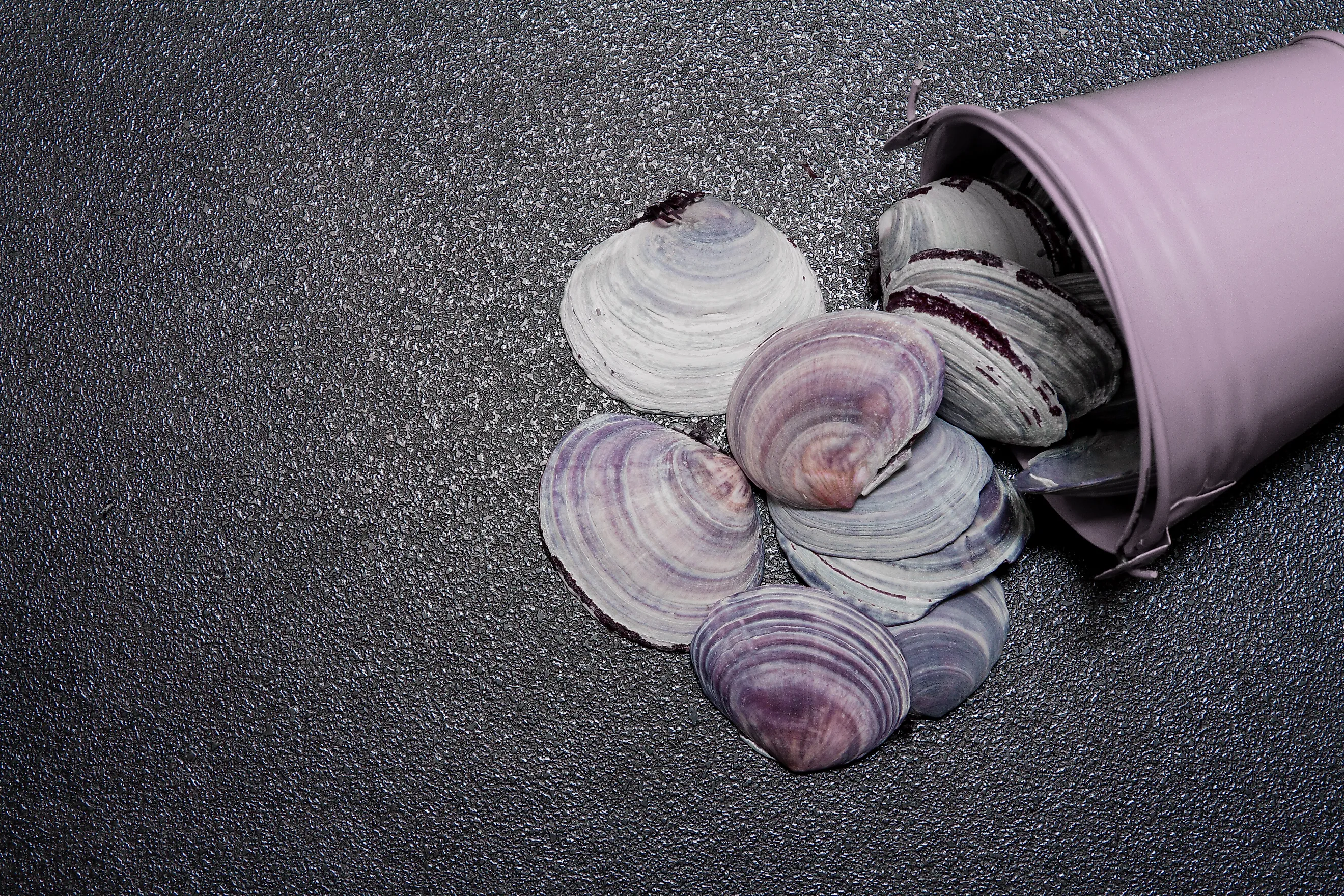
Here is the single most important rule in beachcombing: empty is good, alive is very, very bad. A shell with a little critter still living inside it, a plump sand dollar, a bright orange sea star pried out of a tide pool, these are living animals, and scooping them up is illegal or tightly restricted in most coastal states. That gorgeous starfish the kids just found? Put it back. A dried-out, long-dead one sitting above the high-tide line is usually fair game, but pocket a live one and you may have just committed a wildlife violation without even realizing it.
National Parks: Take Nothing

This is the one that trips up the most well-meaning tourists. On any national park, national seashore, or national monument, it is a federal offense to remove a single natural object, and yes, that means shells, rocks, sand, driftwood, and even sea glass. That "ordinary" Outer Banks beach might actually be Cape Hatteras National Seashore, where pocketing one lonely shell technically breaks federal law, and the rangers really do write citations. Inside a protected coast like Olympic National Park, the rule is dead simple: take only photos. The one famously generous exception is Texas's Padre Island National Seashore, which kindly lets you keep up to a whole gallon of seashells.
Hawaii Is the Strictest of All

No state guards its beaches quite as fiercely as Hawaii. Taking sand, rocks, or coral, whether living or long dead, is illegal statewide, and hauling off a commercial-sized quantity can theoretically cost you up to $100,000. Even that "harmless" smooth black lava pebble is off-limits. And beyond the fines, locals will point you to Pele's Curse, the legend that anyone who swipes volcanic rock from the islands is doomed to rotten luck until they mail it back, and park officials genuinely do receive packages of returned sand with sheepish little apology notes folded inside. Sea glass and empty shells, at least, are generally still fair game there.
The Finds That Are Illegal Everywhere

Finally, a handful of beach treasures are strictly off-limits no matter which state you are standing in, thanks to federal law. That pretty gull or pelican feather? Most native bird feathers are protected by the Migratory Bird Treaty Act, so it is, bizarrely, illegal to keep. A bleached whale bone or a seal skull would make a killer mantelpiece, but the Marine Mammal Protection Act says absolutely not. Anything from a sea turtle, shell, bone, or egg, is protected too. And if you strike it rich and find a gold doubloon washed up from a wreck, sorry: "finders keepers" does not apply to historic shipwrecks, which generally belong to the state. So before you pocket your prize, run the quick checklist: is it empty and not alive, on a regular public beach and not a park, not sand or rock in Hawaii, and not a feather, bone, or artifact? If you can say yes to all four, your beach treasure is almost certainly yours. If not, follow the oldest beach rule there is and take only pictures. And since laws vary right down to the individual beach, treat this as a friendly guide rather than legal advice, and check the local posted rules before you dig in.