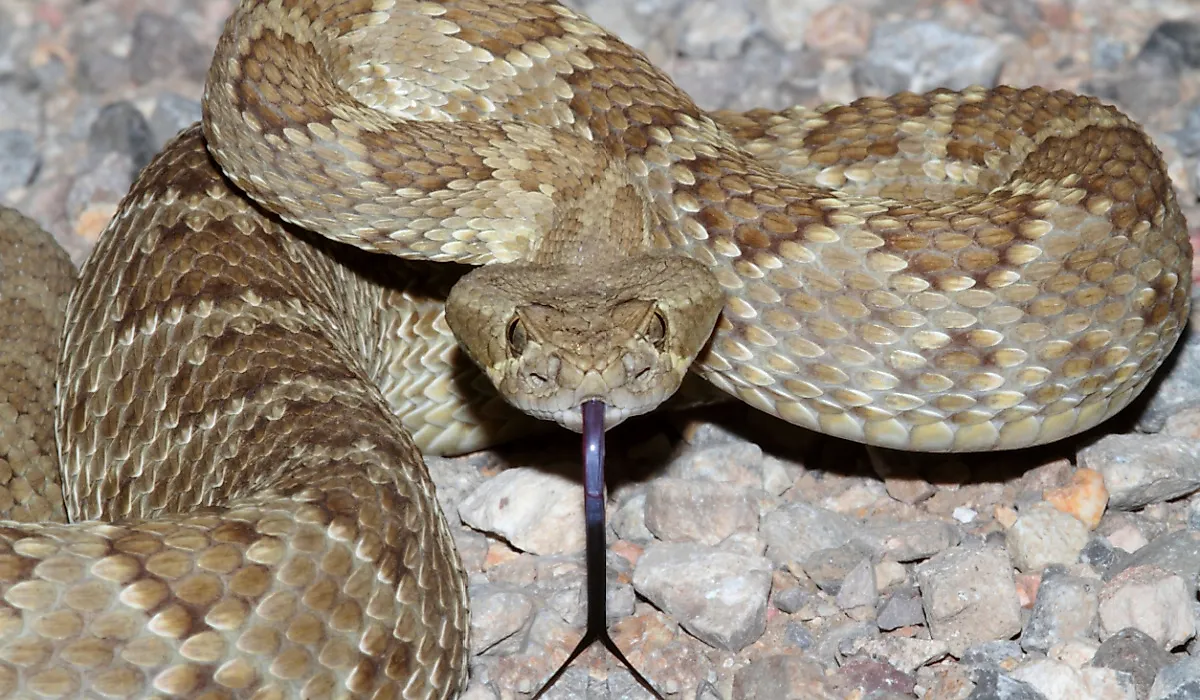
4 Rattlesnake Hotspots In Nevada
You often walk within reach of one of the strongest neurotoxic weapons in the world without realizing it. Nevada is shaped by dramatic shifts in elevation and climate, where arid desert basins rise quickly into rocky uplands and isolated mountain ranges. These conditions suit rattlesnakes because exposed stone holds warmth, broken ground provides shelter, and prey gathers in predictable places shaped by water and terrain.
Across much of the state, venomous species hide in landscapes people often move through without noticing them. Knowing where rattlesnakes thrive and how they use the land allows visitors to move responsibly and avoid dangerous encounters while exploring Nevada’s wild spaces.
Lake Mead National Recreation Area

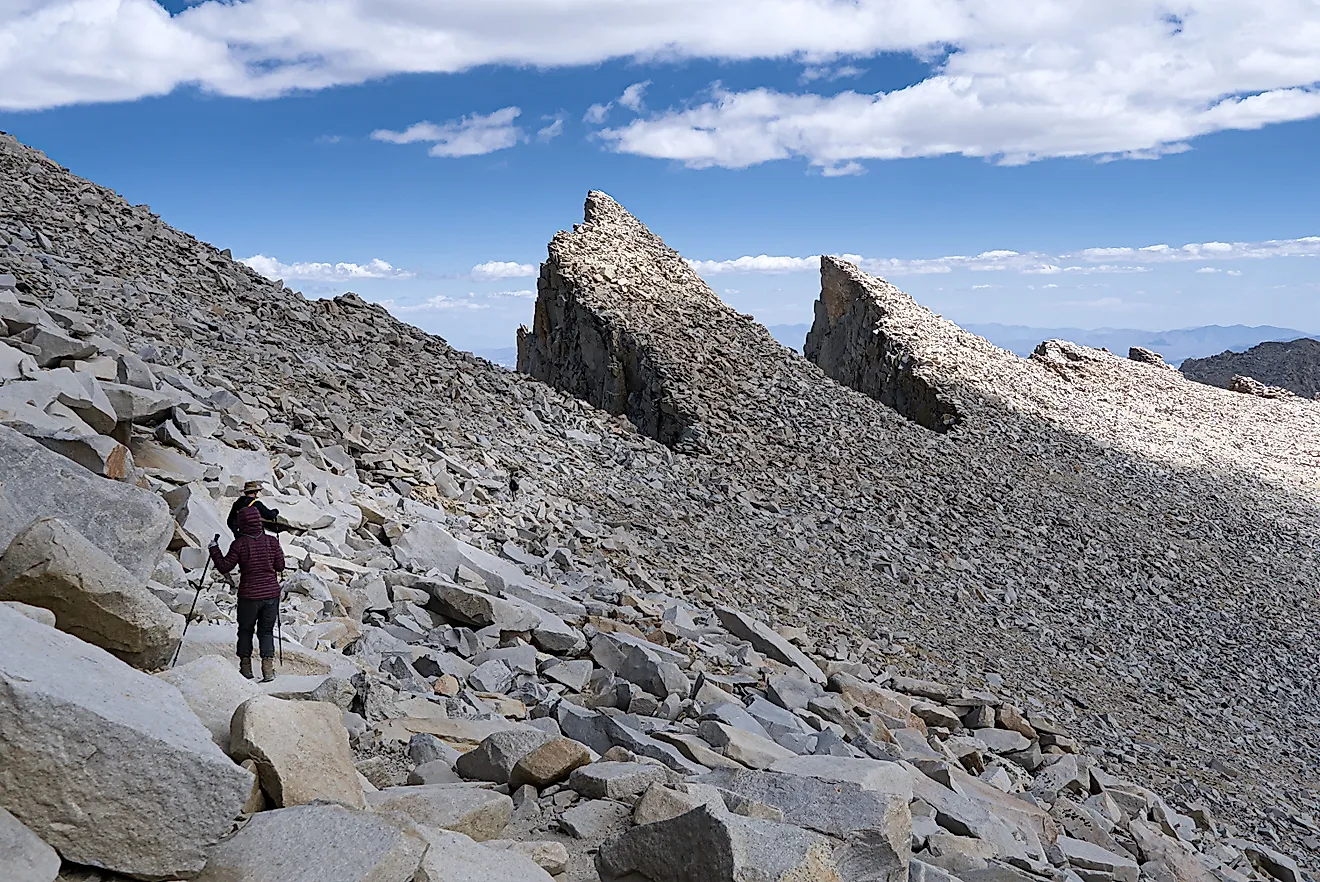
This area spans vast stretches of Mojave Desert terrain characterized by rocky hillsides, exposed canyon walls, loose talus slopes, and fluctuating shorelines. These conditions create dependable shelter and hunting grounds for rattlesnakes. Seasonal water availability supports rodent and lizard populations, which explains why snake activity remains consistent across much of the area from spring through early fall. Encounters are most likely along unpaved trails, shoreline rubble, and sun-exposed slopes that retain heat well into the evening.
Four venomous rattlesnake species are regularly documented in the area. The Mojave Green Rattlesnake displays pale green to earth-toned coloration with black-and-white tail bands and a diamond pattern along its back. It hunts by ambush and carries a highly potent venom with both neurotoxic and hemotoxic effects. The Mojave Desert sidewinder, also called the horned rattlesnake, moves across loose sand using its distinctive sideways motion and delivers venom that is milder than most other rattlesnakes. The speckled rattlesnake, sometimes known as Mitchell’s rattlesnake, bites infrequently but produces venom that can cause pain and swelling, with neurotoxic effects in some cases. A subspecies of that, the Southwestern Speckled Rattlesnake, also referred to as the pale or white rattler, can cause severe pain, discoloration, and swelling following a bite.
Red Rock Canyon National Conservation Area
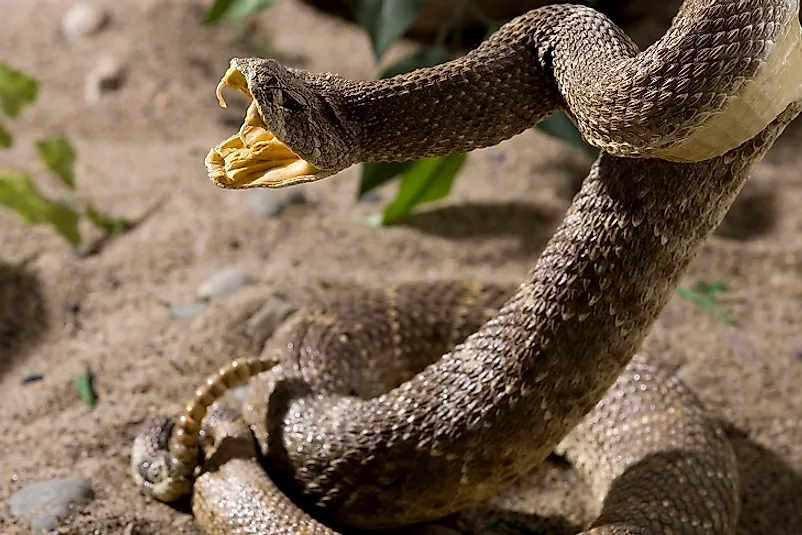
The species most frequently documented in the area is the Northern Mojave Rattlesnake, also known as the Mojave Green Rattlesnake (Crotalus scutulatus). Its coloration ranges from pale green to olive and brown, closely matching the canyon’s shrubs, gravel, and sandstone debris. This camouflage, combined with a preference for remaining motionless beneath vegetation or inside rock cracks, explains why the species often goes unnoticed even in areas where it is present. Standard guidance recommends maintaining a distance of at least 10 feet if the snake is seen and avoiding any attempt to interact with it.
Adult Mojave Green Rattlesnakes commonly reach lengths of three to four feet and are marked by diamond-shaped blotches along the back and bold black-and-white banding near the tail. The species relies on ambush hunting and primarily feeds on mice, ground squirrels, small birds, and reptiles during the warmer months, from spring through fall. Its venom is considered among the most potent of North American rattlesnakes, containing both neurotoxic and hemotoxic components that affect the nervous system and surrounding tissue. Natural predators include coyotes, roadrunners, kingsnakes, and large raptors. As temperatures drop in winter, Mojave greens retreat underground, often using communal dens in rocky terrain where they remain dormant until seasonal warming resumes.
Humboldt-Toiyabe National Forest

Covering millions of acres across Nevada and eastern California, Humboldt-Toiyabe National Forest stands as the largest forested area in Nevada and the largest US national forest outside Alaska. The landscape spans high desert basins, rocky foothills, open grasslands, and pinyon-juniper woodlands that warm earlier in the year than higher alpine zones. These lower elevations provide fractured rock, talus slopes, and seasonal drainages that support dense rodent populations. Human presence here extends back thousands of years, with the Shoshone, Paiute, and Washoe peoples historically using these lands for travel, hunting, and seasonal resources that still shape wildlife distribution today.
Rattlesnake activity in the forest is most prevalent on rocky slopes, south-facing hillsides, and lightly maintained trails, where heat retention and cover overlap. The most widespread species is the Western Diamondback Rattlesnake, a venomous pit viper known for its warning rattle and gray to brown coloration marked by dark diamond-shaped blotches. Adults often reach up to four feet in length and rely on ambush hunting to capture rodents, birds, and small reptiles, striking primarily when threatened. The Great Basin Rattlesnake, a subspecies of the Western Rattlesnake, dominates central and northern sections of the forest and thrives in high-desert and mountainous terrain. In southern areas, including the Spring Mountains near Las Vegas, the Panamint Rattlesnake appears more frequently, using variable coloration to blend into rocky, arid environments while helping regulate rodent populations and supporting the broader food web.
Black Rock Desert-High Rock Canyon Emigrant Trails National Conservation Area

Marked by one of Nevada’s most extreme landscapes, this conservation area is defined by the contrast between its expansive alkali playa and the rugged canyon systems that surround it. Towering rimrock, volcanic outcrops, and fractured canyon walls create shaded recesses and heat-retaining surfaces that support reptile activity despite the region’s harsh conditions. Seasonal runoff and isolated springs draw rodents into canyon bottoms and rocky margins, concentrating prey in areas where cover and thermal stability overlap and creating reliable hunting zones during warmer months.
The most frequently documented rattlesnake in the area is the Great Basin Rattlesnake, a subspecies of the Western rattlesnake adapted to high-desert and basin-and-range environments. Its gray, tan, and brown coloration blends closely with volcanic stone and gravel, allowing it to remain concealed along canyon rims and talus slopes. The broader Western Rattlesnake (Crotalus oreganus), which includes the Great Basin subspecies, is also commonly recorded through citizen science observations. Activity peaks from May through September, when these snakes ambush mice, ground squirrels, and small birds. During colder months, they retreat into deep rock fissures and communal dens along canyon walls, remaining inactive until seasonal temperatures rise.
On Rattlesnake Ground
Rattlesnakes favor Nevada’s terrain because it provides warmth, shelter, and reliable prey. At Lake Mead National Recreation Area, sun-exposed rock and shoreline debris support hunting and seasonal movement. That same dependence on heat and cover appears at Red Rock Canyon National Conservation Area, where fractured sandstone allows snakes to remain concealed near active trails. The pattern continues north in Humboldt-Toiyabe National Forest, where foothills and south-facing slopes warm early and sustain prey. In Black Rock Desert-High Rock Canyon Emigrant Trails National Conservation Area, volcanic canyons provide den sites and stable conditions in an isolated setting. Together, these areas show that rattlesnake presence is a reflection of the landform and temperatures across Nevada.