7 Snake-Filled Waters In Arizona
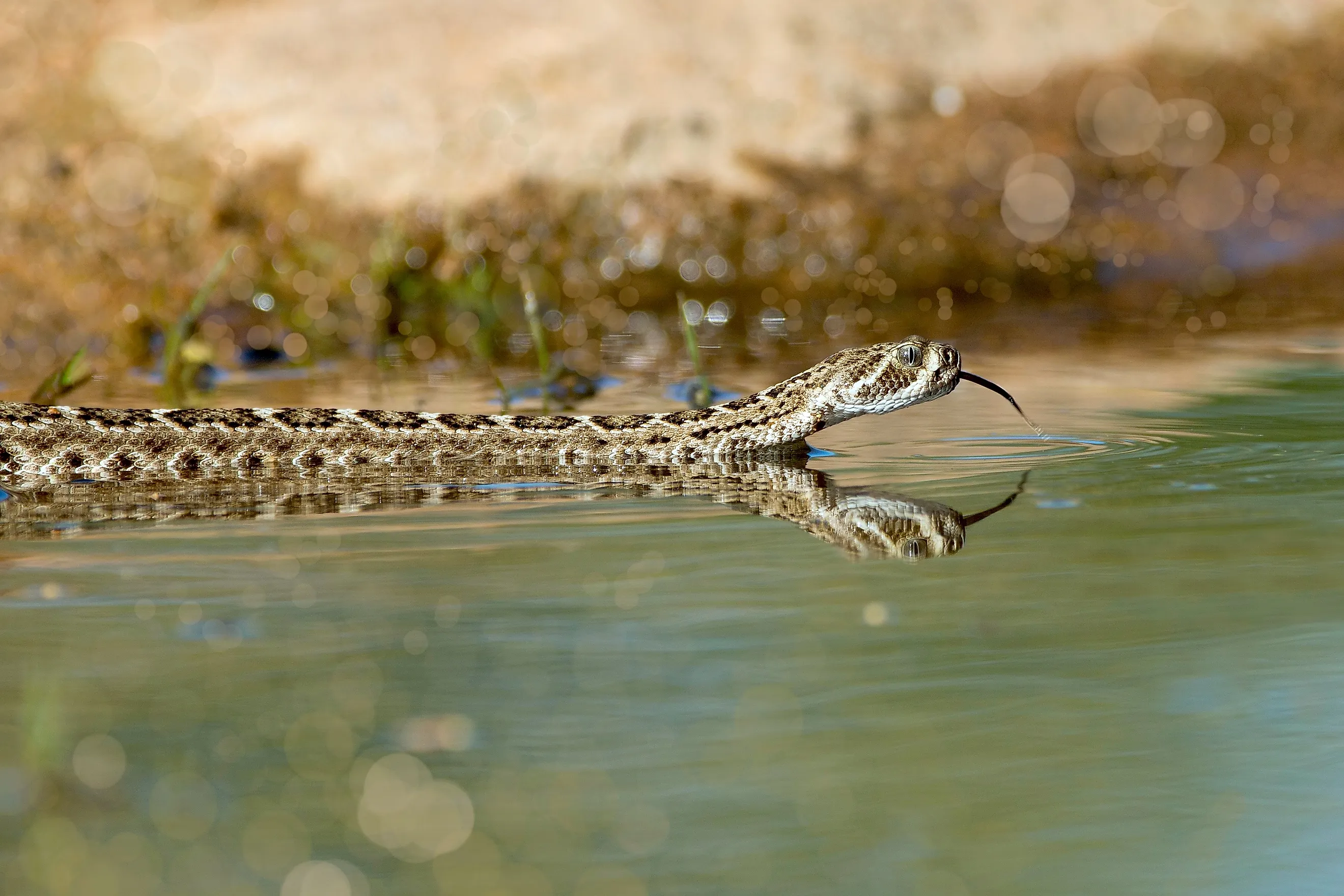
Home to 13 species of rattlesnakes alone, Arizona boasts one of the largest snake populations in the United States. Its warm desert climate and diverse topography provide ideal habitats for native and invasive snake species alike. Although they often remain terrestrial, many of these snakes are drawn to Arizona’s vast and breathtaking lake and river shores in search of prey and hydration. That being said, it’s also not uncommon to see them swimming at the surface of water for thermoregulation, travel, or in an effort to escape a predator. While we tend to associate the mighty rattlesnake with its iconic tail and coiled body, you may just spot one slithering past your kayak in these 7 snake-filled Arizona waters.
Lake Powell

Split between Utah and Arizona, Lake Powell is a Colorado River reservoir renowned for its awe-inspiring scenes. Formed by the Glen Canyon Dam, the colossal lake is bounded by 96 side canyons, numerous beaches, and countless harbors and coves. Keep in mind, amidst its recreation and splendor, wildlife relies on Lake Powell to survive, including countless species of snakes. Whether swimming, hiking, or setting sail from the Antelope Point Launch Ramp, make sure to watch out for these legless reptiles and keep your distance.

Most snake sightings happen on land, but as the second-largest man-made lake in the United States, Lake Powell’s size means anything can happen. Common sightings include kingsnakes, night snakes, gopher snakes, and a range of venomous rattlesnake species. While each is predominantly terrestrial, they may enter Powell during peak heat seasons to cool down, relocate, hunt, or escape predators.
Colorado River

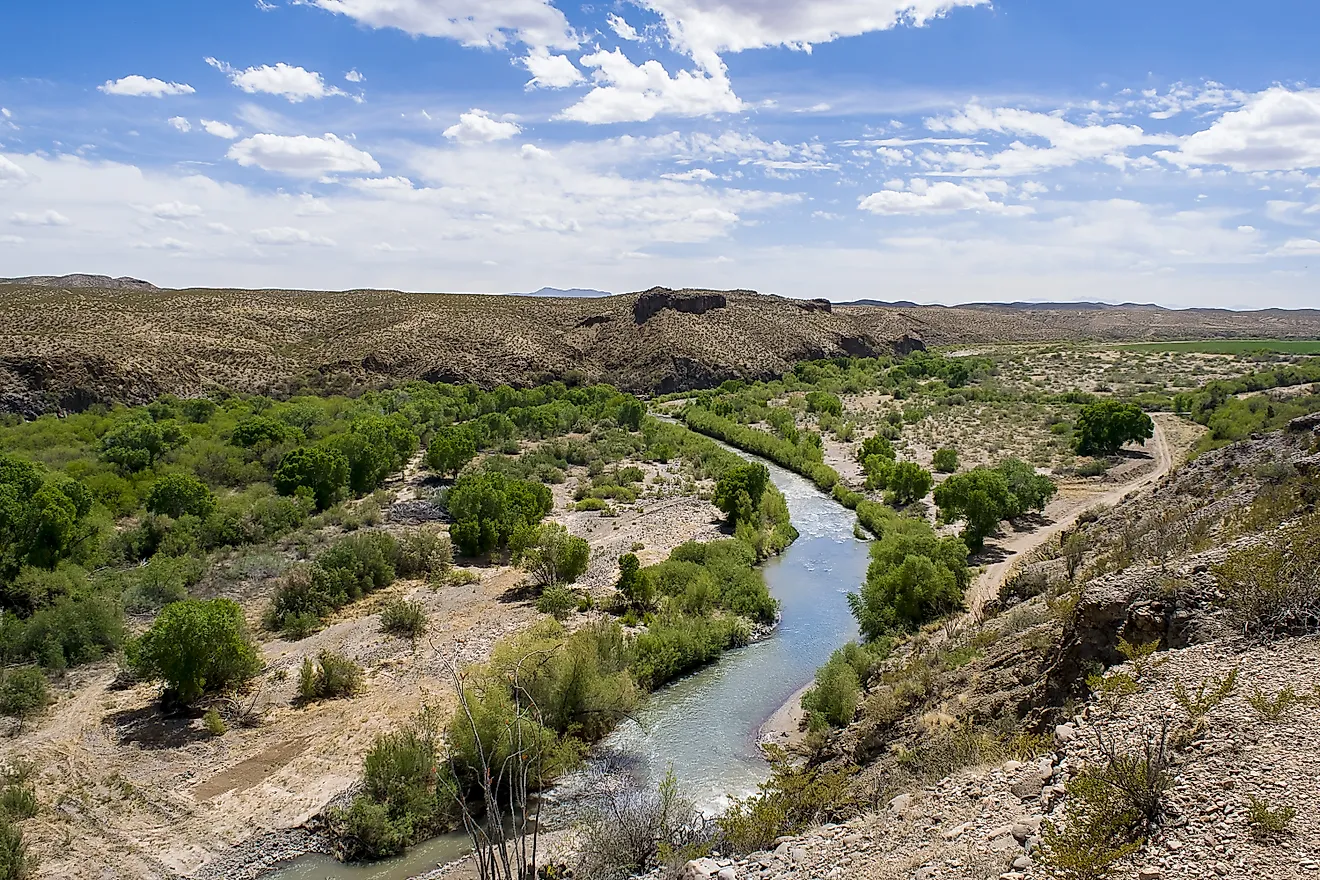
Lake Powell’s mighty beginning, the Colorado River, is another waterway filled with a range of snakes. The knife that carved Arizona’s Grand Canyon, the powerful river is abundant with 5 semi-aquatic species: the plains garter snake, northern water snake, great basin gopher snake, black-neck garter snake, and banded water snake. The Grand Canyon is also populated with a range of rattlesnakes that depend on the river for survival, such as the native Grand Canyon rattlesnake, which cannot be found anywhere else in the world.

For other rare sightings, the Colorado River is more recently home to a threatened species, discovered at the Havasu National Wildlife Refuge in 2015. That year, a northern Mexican garter snake was spotted on the lower Colorado River for the first time in a century, according to U.S. Fish and Wildlife. So, if you find yourself fishing, canoeing, or kayaking in the Havasu National Wildlife Refuge, keep your eyes peeled for this small, non-venomous, brown and gray rarity.
Lake Pleasant

About 1 hour north of Phoenix, Lake Pleasant is a watersport wonderland set in its namesake regional park. Located along the Agua Fria River, the massive man-made reservoir is a popular place to escape the city. Backed by a dramatic desert landscape, its 114-mile shoreline boasts nearly 20 miles of hiking trails and 165 campsites. Visitors can also make use of the Scorpion Bay Marina, which offers boat, kayak, and fishing gear rentals. But bear in mind, bass and catfish are not the only creatures swimming in Lake Pleasant’s waters.
In 2017, a Memorial Day weekend on Lake Pleasant went awry when an Arizona family encountered a rattlesnake slithering past their canoe. Others reported similar encounters, which makes sense, as the holiday overlaps with peak snake season. Spring vacationers have a higher chance of spotting snakes at Lake Pleasant National Park, as the warm weather draws them out from their holes. While it’s more common to spot rattlesnakes on land, these Memorial Day visitors prove you should still keep your eyes on the water.
Lake Mead

Lake Mead is another stunning man-made reservoir where recreation and reptile-spotting go hand in hand. Over forty-one reptile species have been recorded in the Lake Mead National Recreation Area, such as king snakes, gopher snakes, and 4 species of rattlesnakes. Due to the park’s desert terrain, warm climate, and ideal habitats, Lake Mead has one of the highest concentrations of snakes in the country.
Like Lake Pleasant’s snakes, Mead’s are not primarily aquatic. Nevertheless, many species are capable swimmers. While the majority are non-venomous, the park’s western diamondback rattlesnakes, southwestern speckled rattlesnakes, sidewinder rattlesnakes, and Mojave rattlesnakes have a venomous bite. One way or another, it’s essential to keep an eye out and keep your distance. Whether kayaking, fishing, scuba diving, or hiking sections of Lake Mead’s 550-mile shore, make sure to be aware of your surroundings.
Lake Mohave

Also located in the Lake Mead National Recreation Area, Lake Mohave is just as stunning and snake-filled as its neighbor. Surrounded by the Painted, Pyramid, Eldorado, and Black Canyons, Lake Mohave may be smaller than Mead, but its scenes are no less enchanting. Formed by damming the Colorado River, the reservoir is a historic feat. Today, it is a popular recreation hub, known for its year-round warm waters, hidden coves, and desert backdrops.

Lake Mohave’s warm waters and postcard scenes make it a popular boating, swimming, and fishing destination. With that said, it’s important to watch for wildlife. The region is widespread with western diamondback rattlesnakes and Mohave rattlesnakes, colloquially known as Mojave greens. Less common sightings include Arizona black rattlesnakes, sidewinder rattlesnakes, and black-tailed rattlesnakes, all of which are venomous.
Roosevelt Lake

Situated in Tonto National Forest, Roosevelt Lake is an angler’s paradise and the largest lake entirely inside Arizona. The reservoir was created as part of the Salt River Project, formed by damming the Salt River with the Theodore Roosevelt Dam. Stocked with crappie, sunfish, catfish, and bass, fishing on Roosevelt is a dream. After stopping by the Roosevelt Lake Marina for live bait, boat rentals, and gear, your lake adventure awaits.

Notably, the lake’s Sonoran Desert setting allows rattlesnakes to thrive here. In 2019, Arizona resident Mark Dalton realized this firsthand. Out on Lake Roosevelt fishing, the Arizonan turned to discover a wet western diamondback rattlesnake aboard his boat. While he was able to safely remove the venomous snake, his story is a cautionary tale to keep an eye out for slithering stowaways.
Mittry Lake

Snake sightings are even more common on Mittry Lake, a reservoir formed by the Colorado River and Laguna Dam. Located in the southwest corner of Arizona, Mittry Lake is enclosed in the Mittry Lake Wildlife Area. The area is known for its diverse wildlife, including desert bighorn sheep, bobcats, mule deer, and countless types of heron. Much like Roosevelt, Mittry Lake is also a hotspot for Arizona anglers, whether shore fishing or using its 3-lane boat ramp.

In contrast to Roosevelt, Mittry’s waters are teeming with southern banded water snakes. Although the species is not venomous, Arizona Game & Fish is concerned about their presence as they are incredibly invasive. Originating from Florida swamps, these snakes are drawn to Mittry’s similar features, such as its cattails and still water. In 2016, an Arizona Game and Fish wildlife manager collected 20 southern banded water snake samples, estimating thousands more lived in Mittry’s waters. Unfortunately, the invasive snake puts the native lake ecosystem at risk, including competing species like the giant garter snake.
Embrace Adventure At Arizona's Snake-Filled Waters
Arizona’s surreal landscapes keep visitors on their toes, and these 7 snake-filled waters are no exception. These waterways may be beloved for their beautiful scenes, but they also offer the chance to unplug and embrace Arizona’s rugged side. Whether kayaking the Colorado River or swimming to Lake Mohave’s hidden coves, spine-tingling thrills are inescapable. Coupled with the chance to spot a snake gliding past your canoe, these Arizona waters will give you goosebumps in the best way.