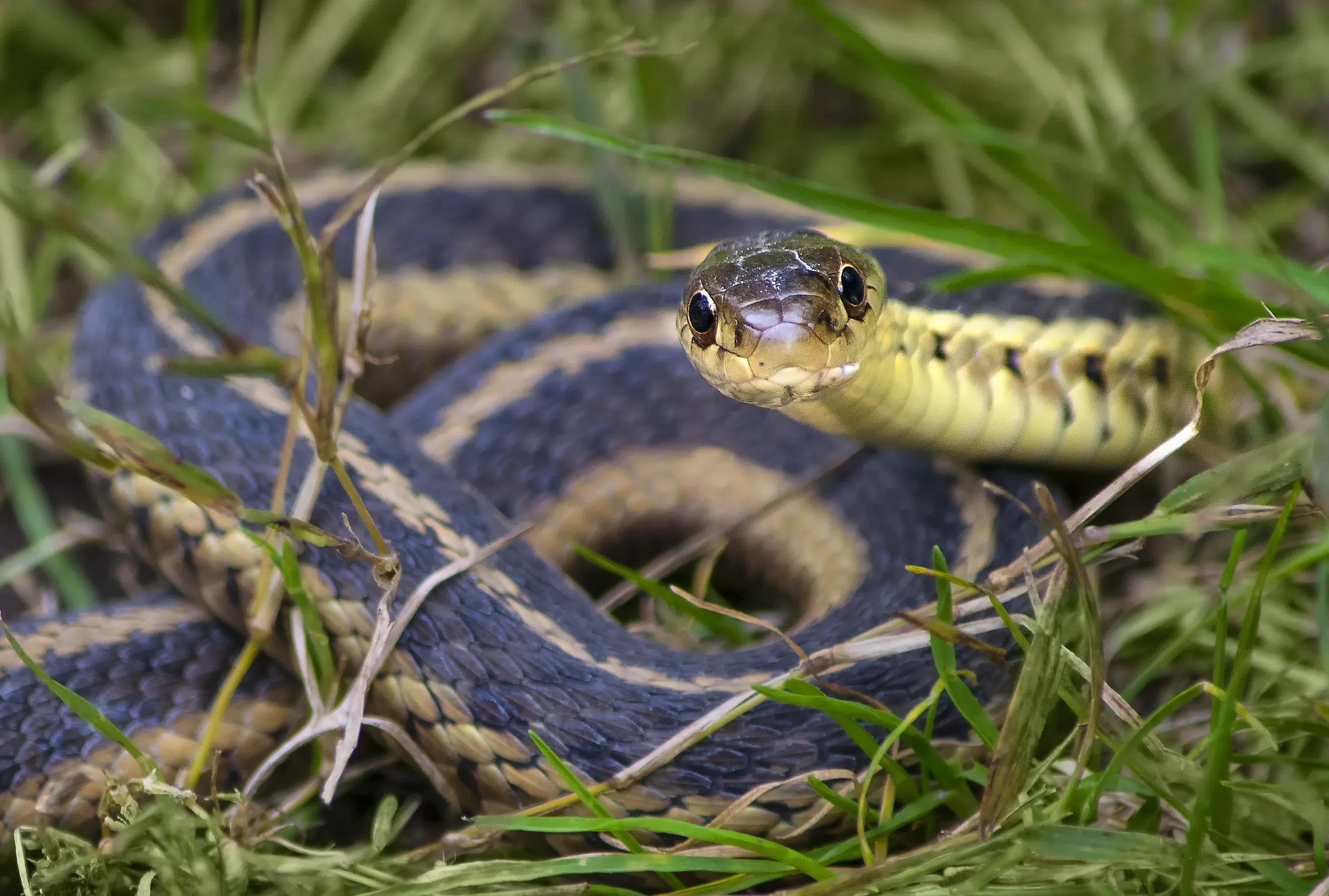
6 Snake-Filled Waters In Oregon
Oregon attracts travelers with dramatic coastlines, volcanic peaks, and rivers that carve canyons through ancient forests. Along many of those waters, reptiles play a visible role in the food web, and visitors who explore riverbanks, marshes, and lakeshores often encounter regular seasonal snake activity in suitable riparian habitats. Oregon’s major river corridors and alpine lakes play host to snake species whose activity is influenced by seasonal patterns. These snakes frequent marsh edges, rocky shoals, and similar habitats.
For those interested in natural history, the state is a living classroom where garter snakes, rubber boas, and occasional rattlesnakes each have a role. The locations below span western valleys, coastal estuaries, and interior river canyons. Oregon therefore suits travelers focused on hiking, boating, birdwatching, or fishing, and it signals where to be most observant during warmer months.
The snake-rich Columbia River

The Columbia River runs along much of Oregon’s northern border and supports a patchwork of habitats that favor multiple snake species. Riparian terraces, marshes, and willow-lined sloughs provide cover and prey such as frogs, fish, and amphibian larvae, which sustaim common garter snakes. Observers report common garter snakes and several related types in lowland pockets and islands where wet meadows meet calmer backwaters. Occasional sightings also include other species such as rubber boas and mountain kingsnakes on adjacent slopes.

The length and ecological diversity of the river mean that snake communities shift as the river passes through forested gorge, agricultural valley, and tidal estuary. Encounters are more frequent where shallow side channels and marshes concentrate food and shelter. Recreational users who explore beaches, river islands, and trailheads in the Columbia River Gorge are most likely to notice snakes basking on warm rocks or slipping into emergent vegetation.
Crater Lake and its serpentine shores
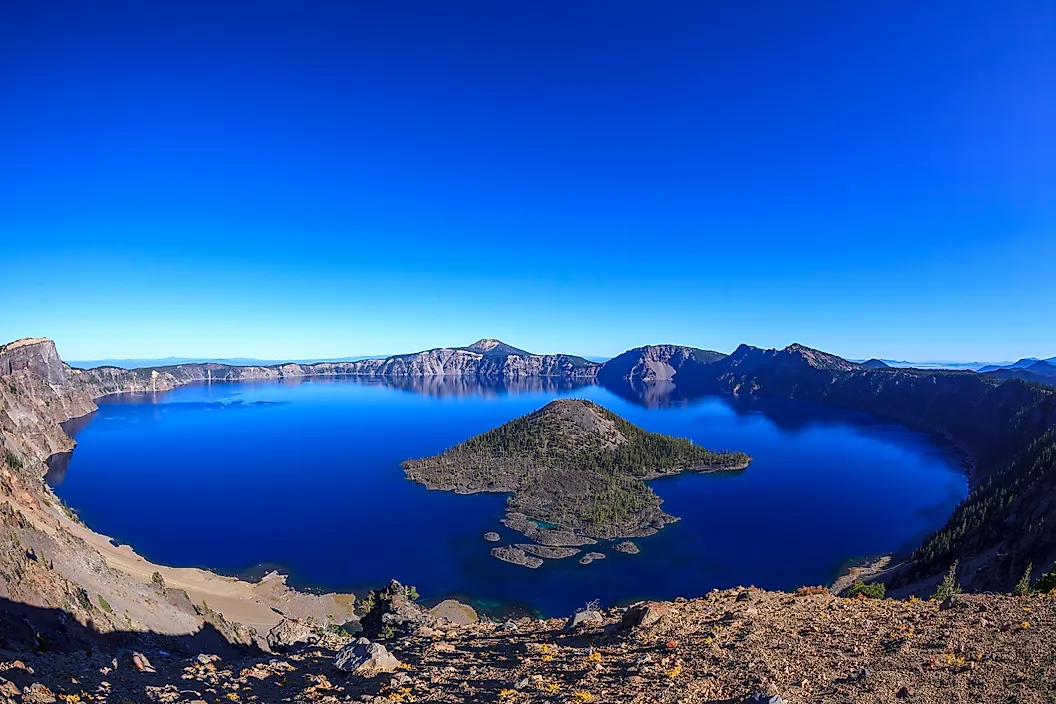
The Crater Lake basin occupies a high-elevation niche within the Cascade Range where cold, clear water meets rocky shoreline and subalpine forest. Despite elevation, the lake and its volcanic rim host several garter snake populations along lower, sheltered coves and on offshore islands where amphibian prey and sun-warmed rocks are available. The park’s mosaic of talus, meadows, and wet seeps creates microhabitats favored by small, garter snakes using nearby wetlands and seeps.

Park rangers and researchers have long noted periodic sightings of garter snakes and some western terrestrial garter snakes on trails near shoreline outflows and around small wetlands that remain ice-free earlier in the season. Visitors who hike rim trails or boat the lake in summer may spot a sleek garter slipping under driftwood or sunning between boulders. Because Crater Lake is a nationally protected site, observation and reporting help managers monitor populations as climate and visitor patterns change.
Rogue River Valley and floodplain habitats

The Rogue River traverses diverse terrain from high Cascades origins to lowland estuary, and its floodplain, oxbow wetlands, and river terraces sustain a rich herpetofauna. Garter snakes are especially common on floodplain meadows and along slow side channels where amphibian abundance is high. More secretive species, such as the rubber boa and California mountain kingsnake, appear in adjoining riparian woodlands and rock outcrops.

The Southern Oregon Land Conservancy, conducting field surveys within the Rogue River Preserve, has recorded multiple snake species on terraces and in floodplain forest. This record shows how river dynamics create suitable refuges for reptiles. The river’s mix of warm, sunny bars and shaded backwaters supports seasonal basking and foraging behavior. Snakes often concentrate where prey is abundant after spring runoff.
Deschutes River and rattlesnake country

The Deschutes River flows through central Oregon’s warmer, drier landscapes, where snake assemblages include not only garter snakes but also the northern Pacific rattlesnake in suitable rocky, sun-exposed habitats. The river’s canyon sections, riparian benches, and adjacent shrub-steppe provide denning and hunting areas favored by rattlesnakes. Calmer side channels and irrigated patches support aquatic garters.

Public safety notices and land trust advisories emphasize awareness rather than alarm, because most snakes avoid confrontation and bites occur when animals or people are surprised at close range. Hikers and river users in the Deschutes corridor commonly wear sturdy boots and remain on maintained trails to reduce the chance of an accidental encounter. This approach is recommended when traveling through lower-elevation riparian canyons.
Umpqua River basin and coastal valleys

The Umpqua River meanders through coastal valleys and old-growth timber stands, and its floodplain wetlands, estuarine marshes, and slow-flowing tributaries create ideal conditions for aquatic and terrestrial snakes. Multiple types of garter snakes are abundant in the Umpqua Valley, where wet meadows meet riparian fringes. Larger constrictors, such as the California mountain kingsnake, appear in drier, brushy slopes within the basin.

State wildlife resources, including the Living with Wildlife series and extension publications, note that some species occur mainly in the Rogue and Umpqua River valleys and in the Klamath Basin. These patterns reflect long-standing population distributions tied to local habitat features and prey availability. Photographers and wildlife watchers who explore estuary trails, tidal sloughs, and lowland preserves along the Umpqua often document snakes at the water’s edge.
Waldo Lake and its shoreline life

Waldo Lake sits high in the Cascades and supports a localized but notable snake community that exploits the lake’s clear water, shoreline meadows, and scattered wetlands. Aquatic garter snakes frequent shallow bays and the edges of beaver ponds, where amphibian prey and abundant invertebrates concentrate. Small, secretive species such as the rubber boa appear under logs and among rocky talus in the surrounding forest.

The lake’s water clarity and cool temperatures restrict species to microhabitats where sun-warmed rocks and emergent vegetation provide thermal opportunities for basking and foraging. Snakes tend to concentrate at sheltered coves and inflowing streams that remain ice-free earlier in the season. Naturalists and park staff have recorded most observations during late spring and summer, when reproductive activity increases.
Respectful Recreation Along Oregon’s Rivers and Lakes
Oregon’s rivers and lakes supply much of the state’s outdoor allure, and the snakes that inhabit their edges are an essential component of healthy ecosystems. Recreational visitors who learn to recognize common local species, who give wildlife space, and who follow simple precautions such as wearing protective footwear and watching where they place their hands and feet will reduce risk while enhancing appreciation for native reptiles.
Conservation efforts by state and federal wildlife agencies, and by local land trusts, have helped protect riparian corridors where snakes and their prey persist. Reporting unusual observations to managers contributes to long-term monitoring. For travelers drawn to birdwatching, fishing, or river paddling, the prospect of encountering snakes should be part of the natural experience rather than a reason to avoid these waters.