6 Snake-Filled Waters In Illinois
The state of Illinois has a reputation for having a cold climate. Although not quite as cold as Midwestern states further north like Michigan or Minnesota, temperatures can get quite chilly, especially in the Windy City of Chicago. Despite this, Illinois has a large population of snakes, both venomous and nonvenomous.
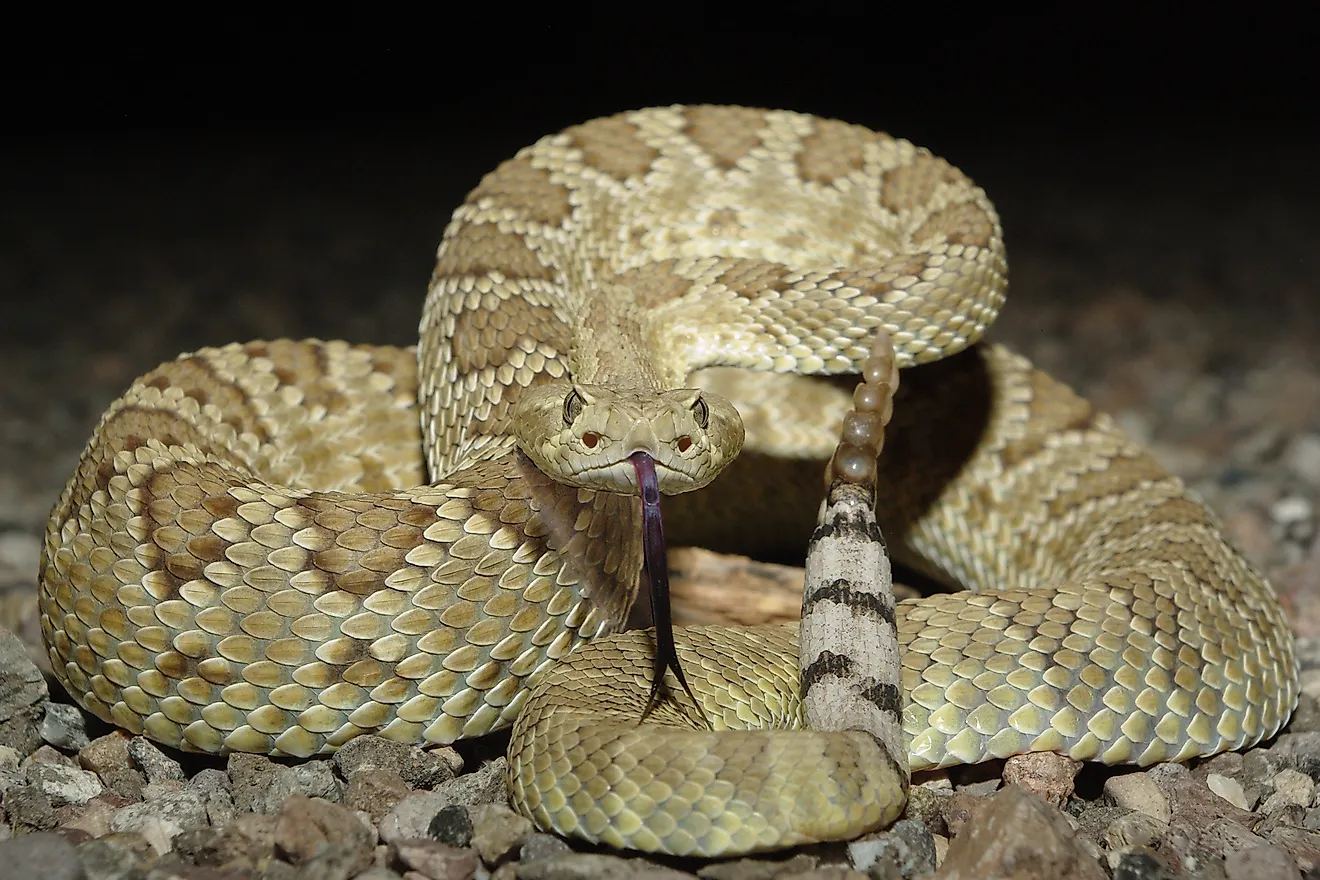
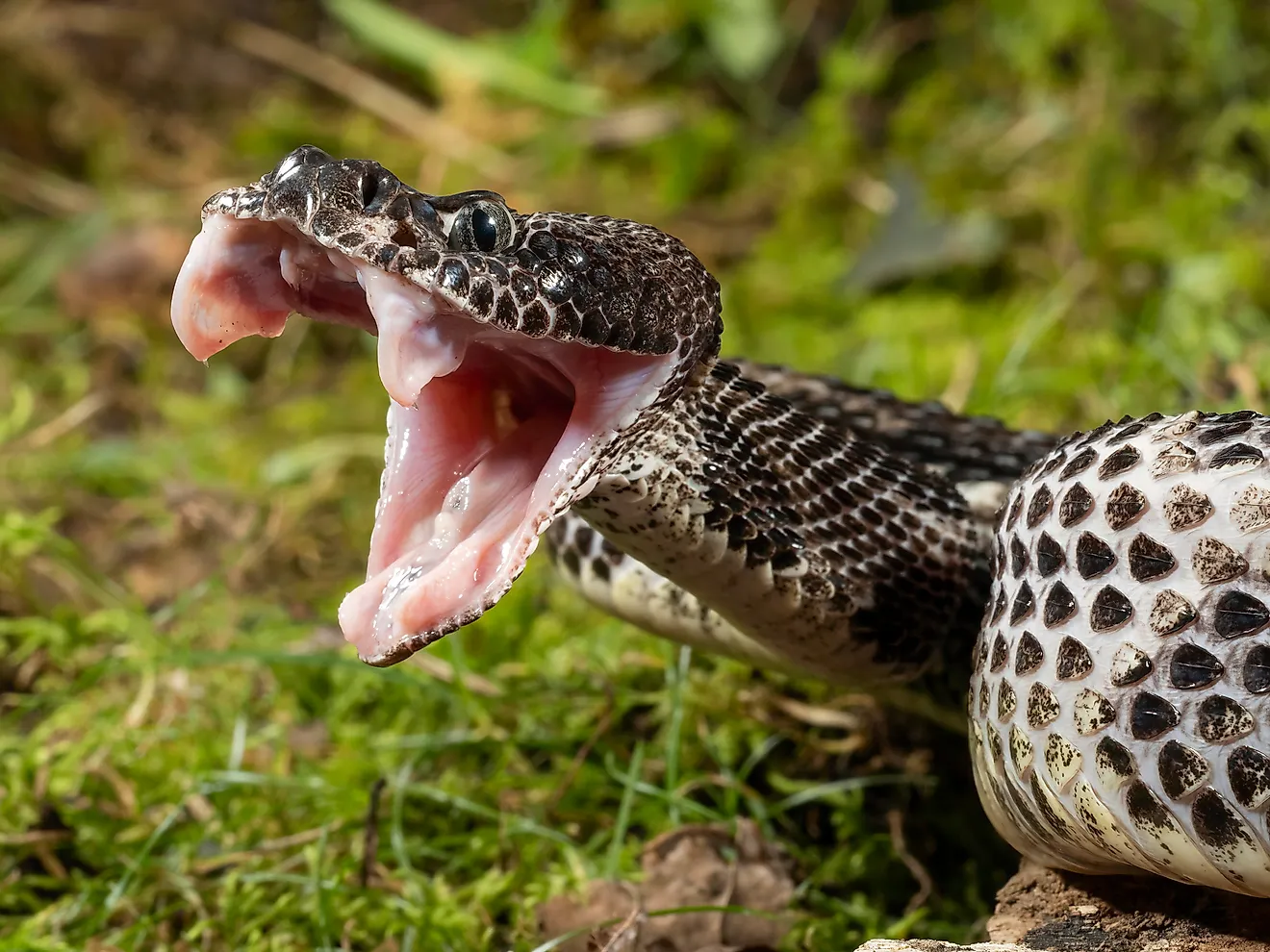
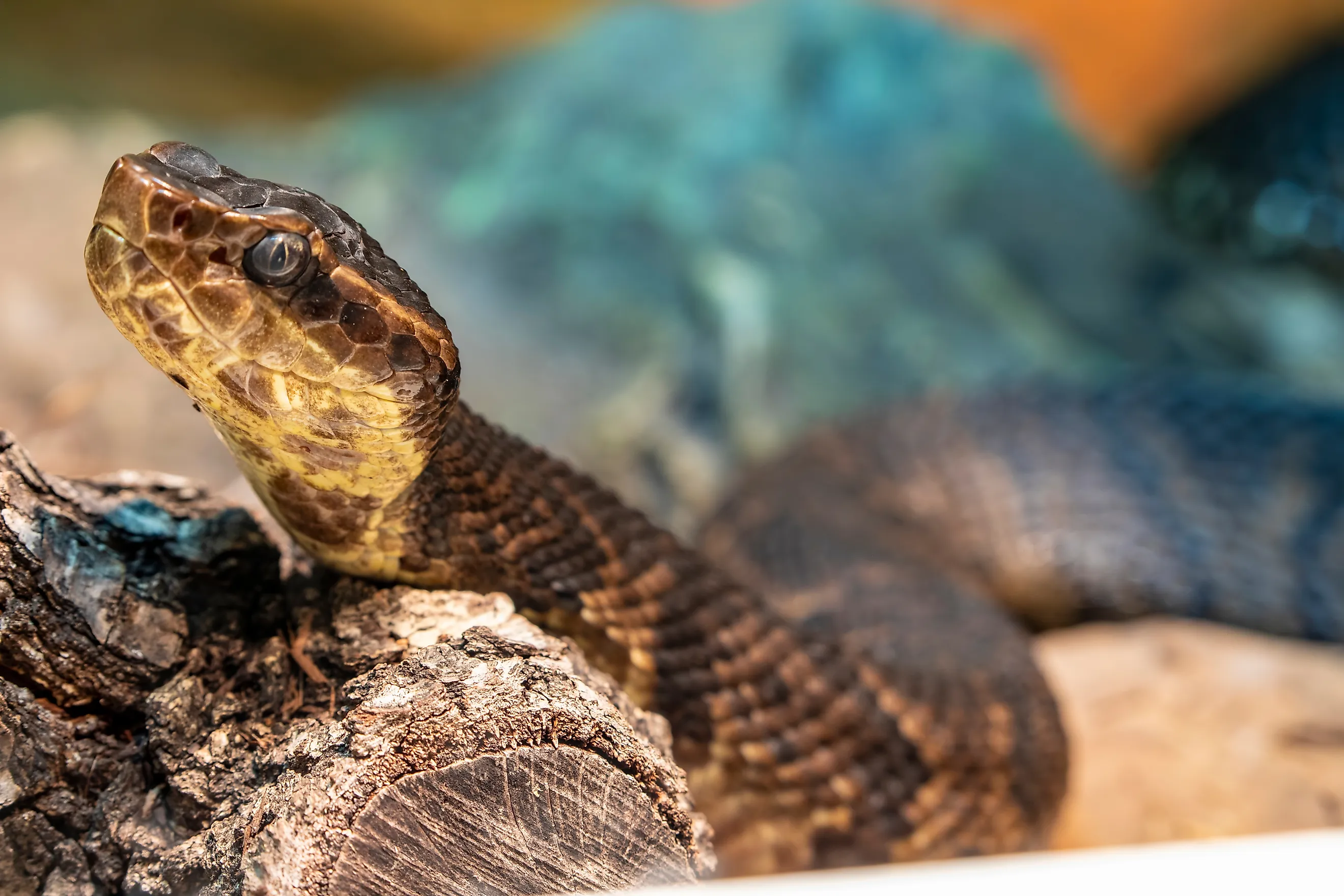
Illinois has four main venomous snake species: the Copperhead, Cottonmouth, Timber Rattlesnake, and Massasauga Rattlesnake. When it comes to nonvenomous snakes, there is a wide variety of watersnakes, garter snakes, fox snakes, and other species. Many of these snakes prefer to live in the marshes or shores of lakes, rivers, and other bodies of water.
When visiting a lake or river in Illinois, whether that's to fish, hike, go out on a boat, or do some other activity, it's important to be aware of these creatures, especially the venomous ones. While snake bites are rare and deaths from them even more so, you don't want to be a statistic. Here are six snake-filled waters in Illinois to be aware of, which you can read about below.
Mississippi River

Running down the western border of Illinois is the mighty Mississippi River. As one of the longest rivers in the United States, stretching about 2,340 miles, it has served as a major travel lane for humans, goods, and creatures. These include, of course, snakes. Along the river and forested areas around the river, one can find a variety of snakes, both nonvenomous and venomous.
One of the most common is the Northern Watersnake. This nonvenomous reptile can be seen either right on the shoreline or in the underbrush. Believe it or not, most snakes are strong swimmers and can easily traverse the strong currents of the Mississippi River.
One forest along the Mississippi that has quite a large snake population is the Shawnee National Forest. During the fall, venomous snakes such as the timber rattlesnake, cottonmouth, and copperhead migrate out of the LaRue swamps to rest in the limestone cliffs and bluffs in the forest above the river. Despite their venom, these snakes mainly eat fish, frogs, and mice and only bite humans if they feel threatened. In addition, snake bites kill only around five people per year in the United States. This is far less than in other places of the world, such as India, which is estimated to see on the order of tens of thousands of snakebite deaths each year, around 58,000 annually. That being said, it's important to show caution around any snake, regardless of whether it's venomous or not.
Lake Michigan

Lake Michigan is the third largest of the Great Lakes, after Lake Superior and Lake Huron. Also, while much of the other Great Lakes are located within Canada, Lake Michigan is completely contained within the borders of the United States. It also has a shoreline by many Illinois towns and cities, including the metropolis of Chicago. Folks from all around Illinois take long day trips just to spend some time at the beach of Lake Michigan. However, they should keep an eye out for the many different species of snakes that live in Lake Michigan.
The vast majority of snakes you will find here are nonvenomous, such as the Common Garter Snake, Fox Snake, Smooth Green Snake, Eastern Hognose Snake, and Brown Snake. The only venomous snake native to this region is the Eastern Massasauga Rattlesnake, a rare and secretive species in Illinois that is seldom encountered by the public.
This creature is called a swamp rattler due to living in swampy areas. They measure between 18 and 30 inches and have dark blotches on their backs. It tends to be active during the day, but it will opt to venture out at night during hot summer days. These snakes are quite shy and tend to hide in their habitats. It is also considered endangered by the US Fish and Wildlife Service.
Clinton Lake

This reservoir was opened in 1978 in DeWitt County to act as a cooling source for the Clinton Nuclear Generating Station. Today, it is part of the larger Clinton Lake State Recreation Area. There are a number of fun activities one can do at the lake, such as taking a boat out at one of six boat launches or a canoe at the canoe launch, going swimming at the beach, or going fishing for catfish. Clinton Lake also allows hunting for rabbit, pheasant, squirrel, dove, waterfowl, and deer. However, outdoorsy folks need to be careful while exploring the hiking trails or hunting grounds of Clinton Lake, as snakes also call this lake home.
One such snake is the Eastern Milk Snake. This nonvenomous creature might be confused for a venomous coral snake at first glance due to its pattern of red, black, and white stripes. However, coral snakes are easier to tell apart because of their red and yellow pattern. The Eastern Milk Snake tends to hunt and feed at night on mice, birds, and slugs.
Illinois locales have reported seeing the Eastern Foxsnake swimming in the waters of Clinton Lake. Commonly measuring between 3 and 6 feet long, they have a light brown body with dark brown spots. They are called fox snakes because they give off a strange odor when under threat that is similar to how a fox smells naturally.
Rend Lake

The United States Army Corps of Engineers created this reservoir in Southern Illinois. They dammed the Big Muddy River and created this vast lake that has a 162-mile shoreline. It is a highly popular destination due to its camping facilities, fishing, boating, and hiking trails. Fishers come here to catch largemouth bass, crappie, carp, and various species of catfish. There's a 19-mile paved trail on the shore for hikers and those who want to view the birds that frequent the lake, including Bald Eagles!
Locals have reported seeing several different types of snakes at Rend Lake, both venomous and nonvenomous. One is the eastern ribbon snake, a 16 to 35-inch creature named for its bright yellow stripes. It's common in moist environments like lakes.
One venomous snake that some have seen is the copperhead. This is a pit viper that has dark brown markings on a light reddish brown body. While some vipers may flee when humans come into contact with it, the copperhead will instead freeze in place in an attempt to blend in the environment with its camouflage. As a result, some hapless humans may find themselves getting bitten by accidentally stepping on one of these snakes. Best to watch where you step in Rend Lake!
Illinois River

This tributary of the Mississippi River runs through Central Illinois down to the border with Missouri. It passes through one of the largest cities in Illinois: Peoria. The river used to host a lucrative mussel industry, but overfishing led to the demise of this industry. Other creatures, however, still call the Illinois River home, from mammals like the White-tailed deer to bass fish and snakes.
There are many types of nonvenomous snakes along the Illinois River, ranging from the green watersnake to the plain-bellied watersnake and the queensnake. This last one in particular is the most common snake by the Illinois River and is most identifiable by its bright yellow belly with four inky blank lines running along it. These snakes like to hang out in quick currents where they can hunt for frogs and fish.
Carlyle Lake

At 25,000 acres, Carlyle Lake is the largest manmade lake in Illinois. It was created to help control the flooding of the Kaskaskia River. Although approved in 1938, World War II put a stop to the project, and work wouldn't begin until 1958. After 9 years, the project was completed thanks to the Carlyle Lake Dam. Locals frequent one of the four beaches by the lake, such as Keyesport Beach, which has a boat ramp, playground, and a picnic area. Another popular beach is Dam West Beach, which is located by the Carlyle Dam itself.
Residents have reported snakes swimming in the lake or, at times, even coming up for a ride on their boats. The most common snake is the Plain-bellied Water Snake. It varies in color, but is most commonly dark on the front and beige on its belly. They are called plain-bellied because they have no markings on their bellies. This snake is harmless and nonvenomous.
There have also been reports of Eastern Massasauga Rattlesnakes close to the lake, and because this species is federally listed as threatened, conservation agencies have worked around Carlyle Lake to expand and restore its habitat, including relocating an access road and converting the old roadbed back to grassland. Residents don't have much to worry about, as only one person has been bitten by a rattlesnake in the lake's history, and this individual decided to pick up an unfortunate rattlesnake and got bitten in return.
Be respectful
The most important element to consider when encountering a snake is to be respectful. When you are visiting these waters, remember that you are just a visitor, while this is the snake's home. They don't want to hurt you any more than you want to hurt them. In Illinois, it is illegal to harm or kill a snake, and it's a bad idea to try to hurt or harass a snake, as they are much more likely to bite if threatened.
As long as you are respectful, watch where you step, and keep a close eye on your surroundings, you'll be unlikely to encounter any trouble with snakes in these Illinois waters.