5 Snake-Filled Waters In Colorado
We all love Colorado’s snow-capped slopes, but when it melts away, the state’s 29 snake species, including 3 venomous ones, come out to play. Accordingly, whether they excite you or send shivers down your spine, it’s important to know which Colorado waters are teeming with life other than fish. Colorado’s racing rivers and sweeping lakes may be epic recreation hubs, but at the end of the day, they’re also natural habitats. By staying alert and respecting a snake’s space, you’re doing your part to preserve nature while staying safe in the process. That being said, these are some of the most snake-filled waters in Colorado, so if you encounter their limbless reptiles, remember: they’re more scared of you than you are of them.
Colorado River

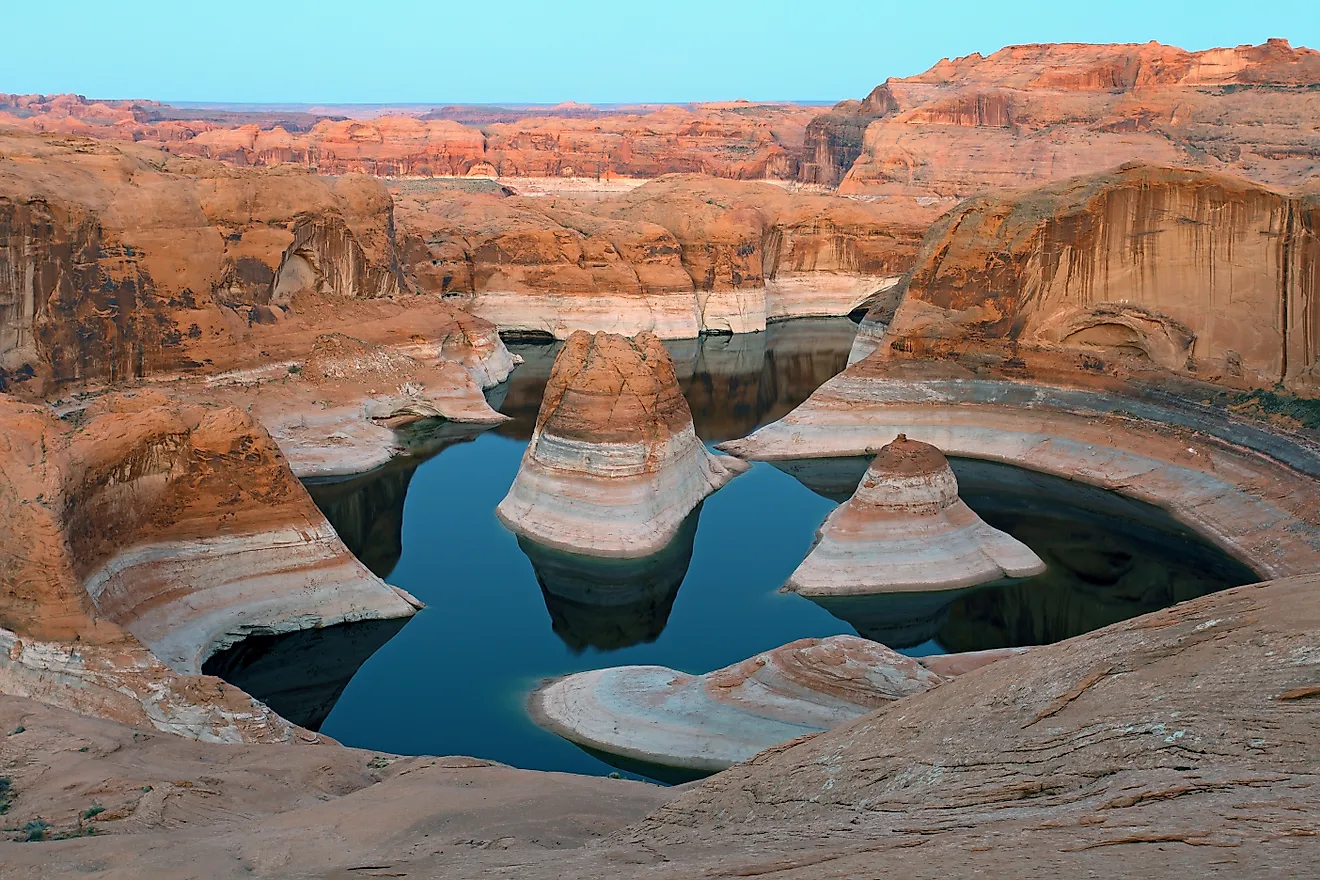
Winding through 7 US states and parts of Mexico, the 1,450-mile Colorado River is one of North America’s mightiest waterways. Originating in Rocky Mountain National Park, the river is teeming with a spectrum of wildlife, including various species of snake. In its Colorado portion, the waterway is a prominent hunting ground and a significant source of hydration for species such as bullsnakes, gopher snakes, and common garter snakes.

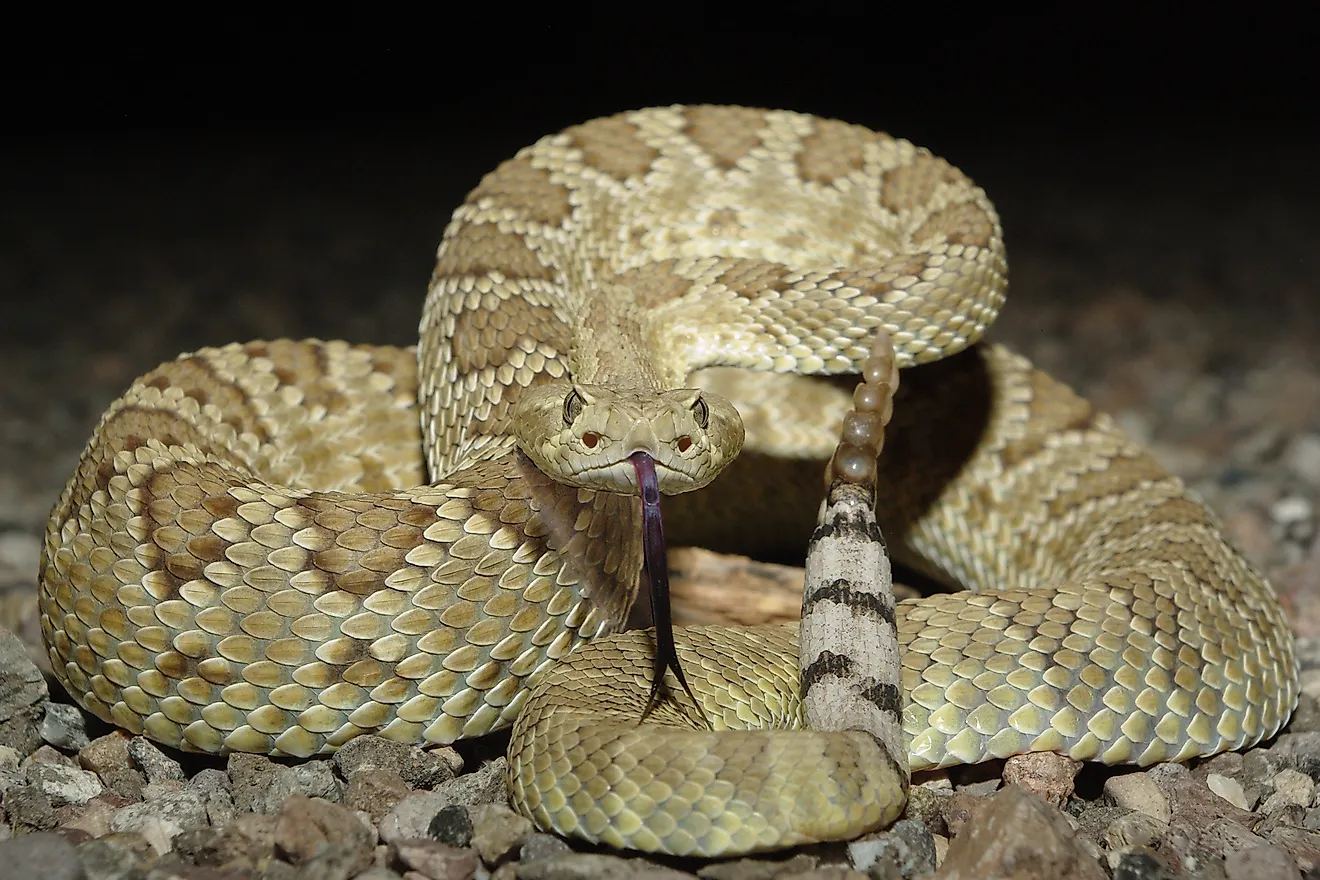
Certain species of rattlesnake are also drawn to Colorado River basins, such as the midget faded rattlesnake. While small compared to other rattlesnake species, their venom is more potent, making it especially important to keep your distance. Notably, the majority of snakes drawn to the Colorado River are primarily terrestrial. However, many are adept swimmers, including the midget faded rattlesnake. While it’s most common to spot snakes around the river’s edge, hikers and paddlers may occasionally see some escaping danger or pursuing prey in shallow banks.
Lake Pueblo

Sharing its name with the state park it resides in, Lake Pueblo is a recreation haven. Framed by Pikes Peak to the north and the Wet and Greenhorn ranges to the southwest, the reservoir boasts 4,600 surface acres of water. Around 1.8 million people visit Lake Pueblo State Park every year to sail, waterski, swim, and hike its 60-mile shoreline. Many also come to cast a line, but fish are not the only wildlife you can see in its waters.

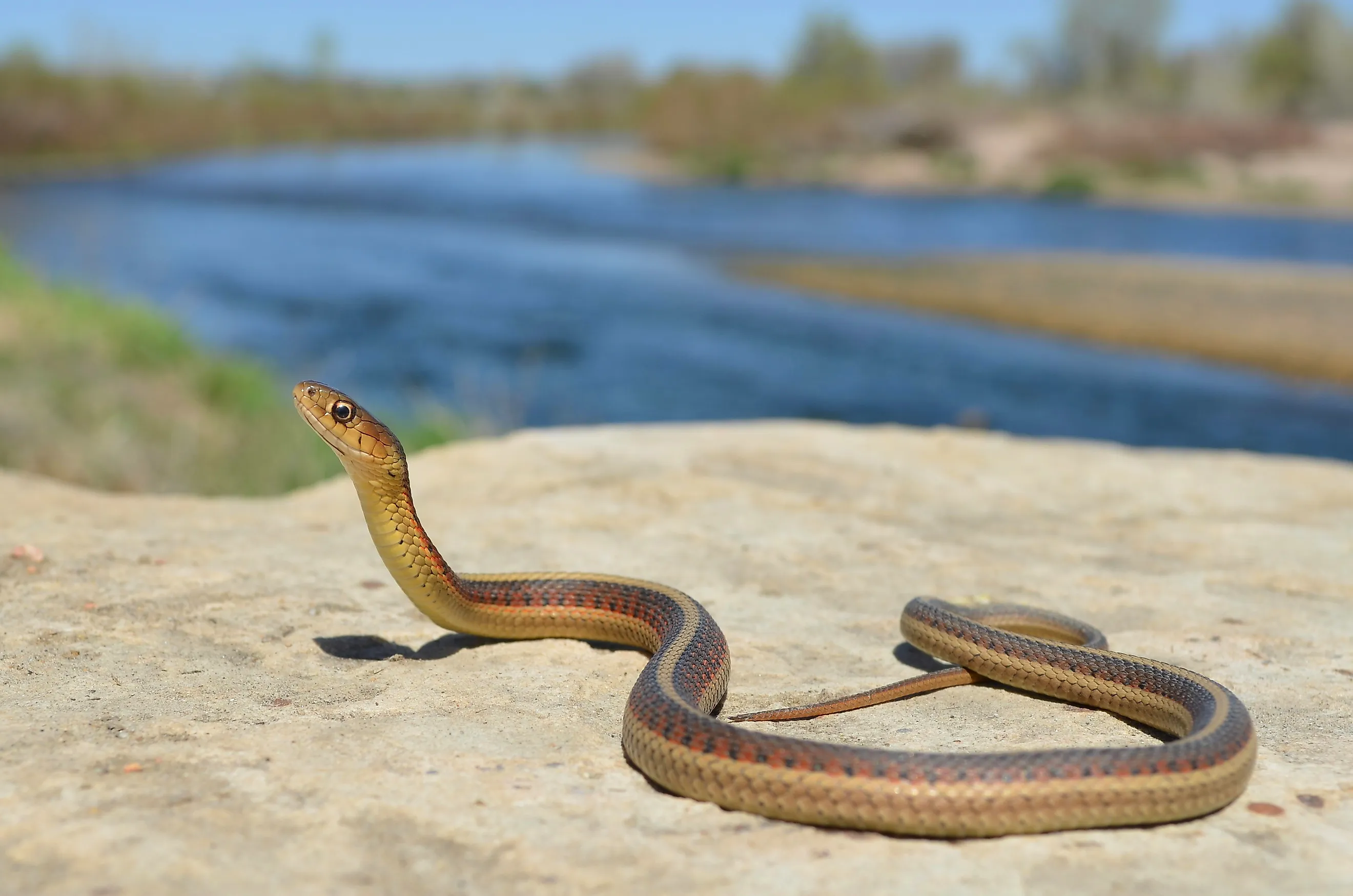
The park’s high desert terrain and limestone buttes make it a hot habitat for various snake species. Most people are familiar with the area’s coachwhips, which locals call “Red Racers” due to their pinkish hues and speed. However, these vibrant beauties prefer land. Instead, you are more likely to spot Lake Pueblo’s other reptilian residents in its waters, such as gopher snakes, black-necked garter snakes, and western terrestrial garter snakes. Although they are primarily land-based, each is a capable swimmer, especially when hunting aquatic prey.
Boyd Lake

Boyd Lake is another recreation wonderland located in its namesake state park. The northern Colorado reservoir spans 1,700 acres, skirting the westernmost edge of the Great Plains. Surrounded by the foothills of Longs Peak and the mountainous Continental Divide, Boyd is a popular place to camp, swim, do paddlesports, and picnic along the water’s edge. Like Lake Pueblo, most of its snake residents are predominantly terrestrial, but you can still occasionally see one swimming past your canoe. More commonly, you may see its semi-aquatic species, such as the northern watersnake.

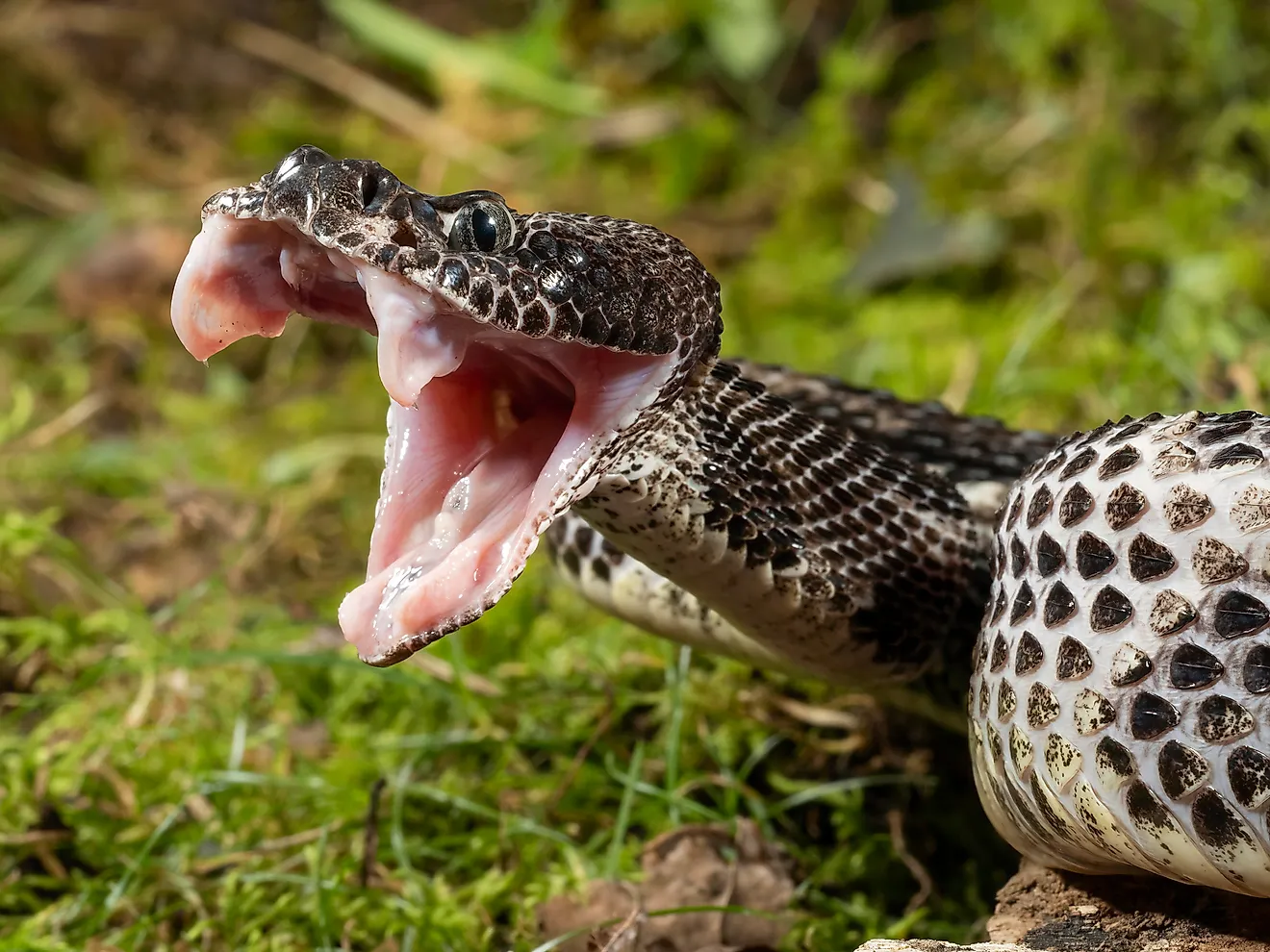
Common garter snakes are one of the park’s more frequent slithering occupants, known for their attraction to the reservoir. They are excellent swimmers, and their diet includes small fish, so they are not afraid of water. Although they are non-venomous, they release an unpleasant musk as a defense mechanism, so keep this in mind as well. As for venomous inhabitants to keep an eye out for, Boyd Lake visitors have spotted western rattlesnakes and prairie rattlesnakes in the past, both of which are capable swimmers.
Arkansas River

Beginning high in the Rocky Mountains, the Arkansas River flows through Colorado for approximately 360 miles. A massive tributary of the Mississippi, the waterway hosts a range of snake species, most preferring its calmer waters in the eastern edge of the state. However, even its roughest whitewater attracts smaller numbers, making the Arkansas River one of Colorado’s most snake-filled bodies of water.

Unlike some of Colorado’s other lakes and rivers, the Arkansas River is home to a wide range of semi-aquatic snakes. Although these species can often be spotted on land hunting and basking, they thrive in and around water-based habitats. Common species include the diamondback water snake, green water snake, and broad-banded water snake, to name a few. As for terrestrial species that can also swim, other sightings include western terrestrial garter snakes and western yellow-bellied racers.
Electra Lake

Thirty-three miles north of Durango in southwestern Colorado, Electra Lake is a reservoir owned and operated by Xcel Energy. Surrounded by the beautiful San Juan National Forest, the lake is a serene nature escape, open seasonally beginning the Saturday before Labor Day. At capacity, it spans 1,100 acres, with plenty of ways to enjoy its waters. Boating, fishing, picnicking, and paddling are popular pastimes, making it important to watch out for the snakes living in and around the lake.

Although blackneck garter snakes are not generally common in Colorado, they are frequent dwellers of Electra Lake. The semi-aquatic reptile consumes a variety of other aquatic and semi-aquatic species, such as small fish, tadpoles, and frogs, making Electra Lake an ideal environment. While blacknecks are generally shy and harmless, it’s still a good idea to stay aware of your surroundings, whether strolling Electra’s shoreline or swimming its waters.
Admire These Colorado Snakes From Afar
Although the majority of Colorado’s snakes are harmless to humans, it’s still crucial to admire them from a distance. While these lakes and rivers are scenic, serene, and centered in visitor-packed parks, they are still natural environments. Ultimately, we are inviting ourselves into these snakes’ homes, so the least we can do is stay alert and respect their space. Whether rafting the Colorado River, swimming in Boyd Lake, or casting a fishing line in Electra, these snake-filled Colorado waters remind us to slow down and appreciate our surroundings while respecting nature in the process.