5 Most Snake-Filled Waters In South Carolina
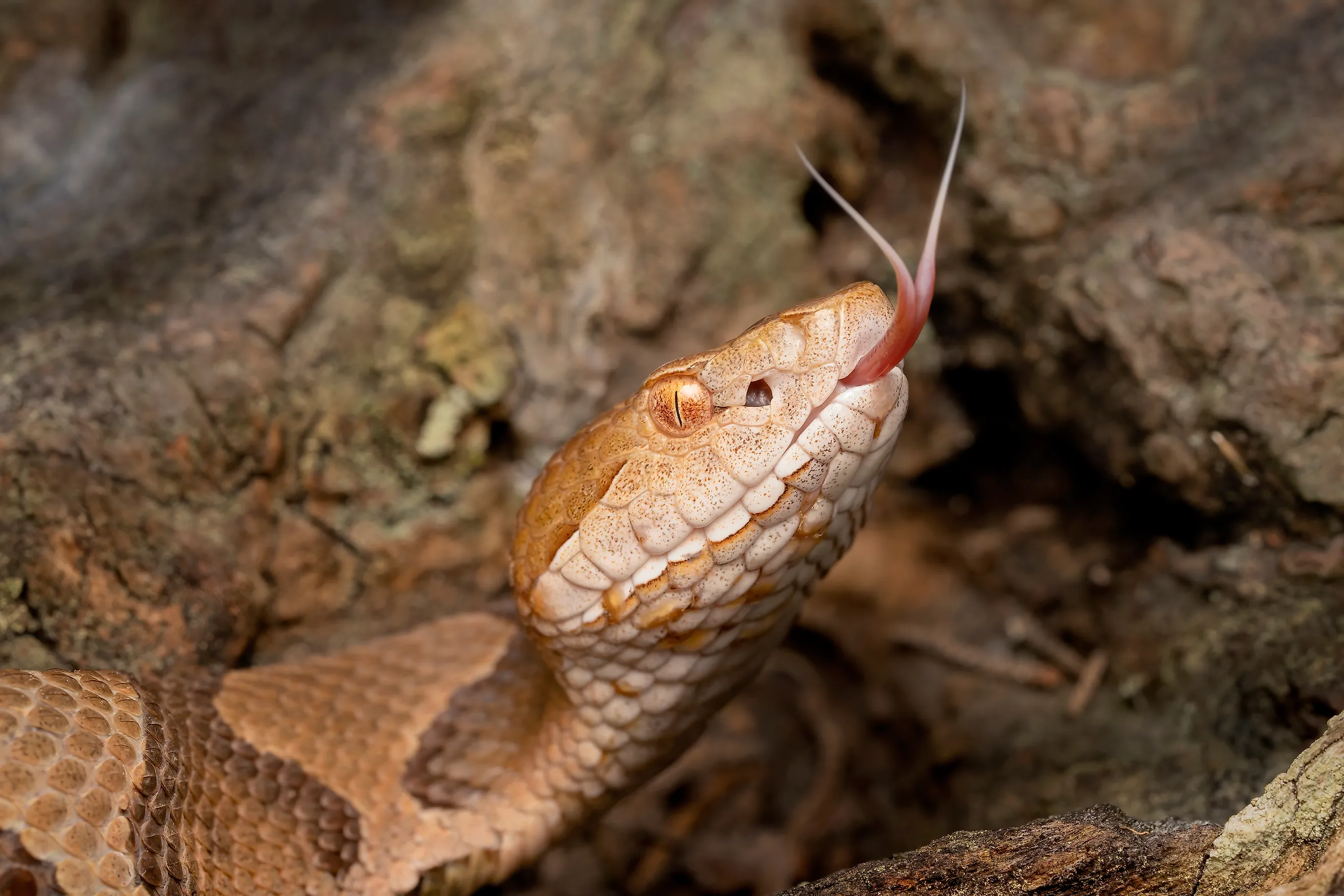
Sneaky, slithering snakes: love them or hate them, they exist in most bodies of water. In South Carolina, most of the 38 native species are harmless and non-venomous, but a few amphibious species — like copperheads, cottonmouths, and rattlesnakes — can cause significant damage or death if they’re handled or disturbed by humans. Snakes are drawn to the waters of South Carolina because they’re cold-blooded and thrive in the warm lakes and rivers of the state.
Although snakes may look threatening, they’re mostly beneficial to their habitats. They are prey for birds, but also obviously predators. Mice, rats, and other rodents should beware around them, as a rat snake eats an average of 75 rats per year. While they feast on pests, snakes also help reduce the spread of diseases to humans. Use caution when swimming in or sunbathing around any of the following most snake-filled waters in South Carolina, but remember that most snakes are harmless unless they’re disturbed by a human.
Lake Wylie

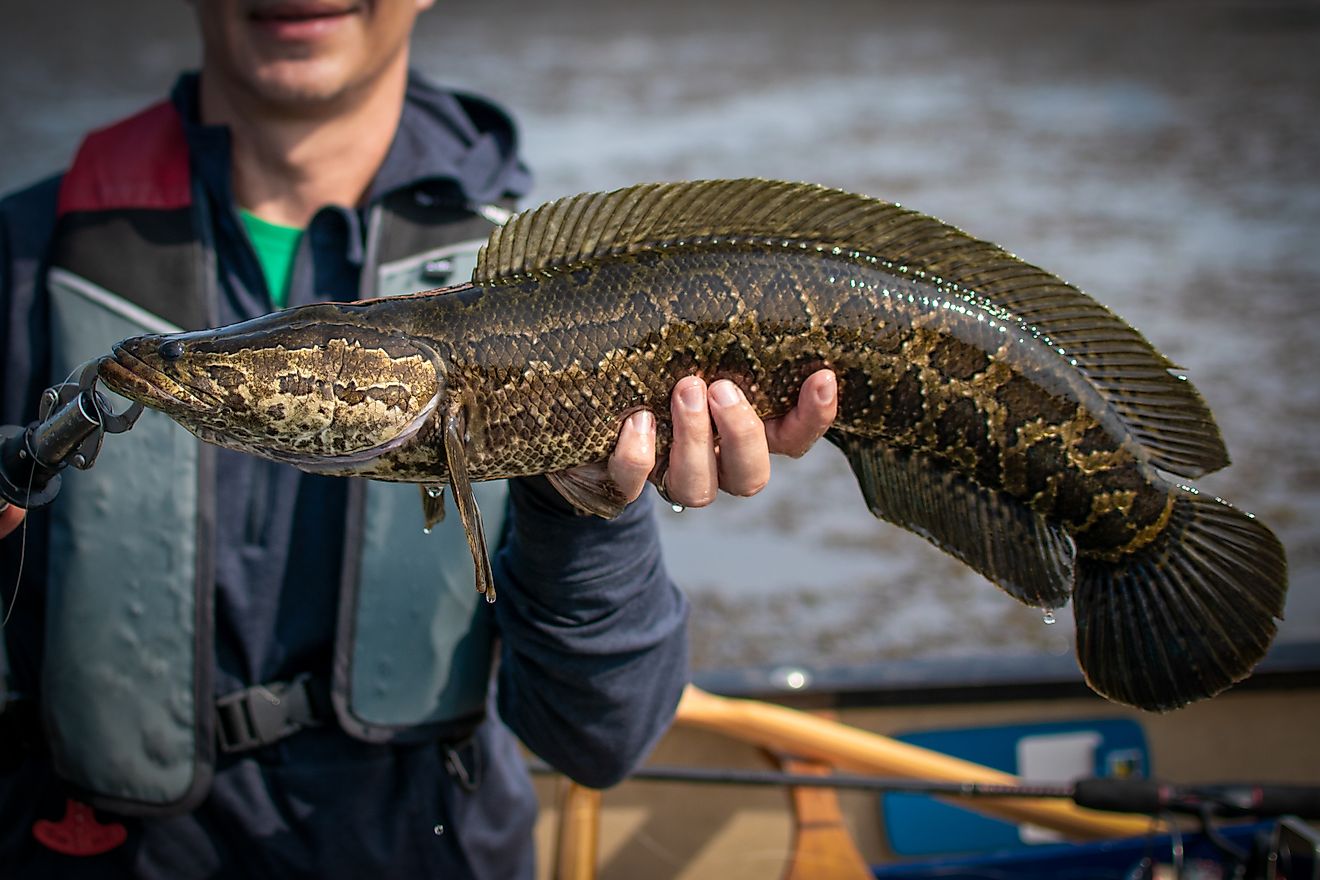
Lake Wylie is a man-made lake that runs along the border of South Carolina and North Carolina with 325 miles of shoreline. The snakes in Lake Wylie are, for the most part, non-venomous, such as the Northern water snake, which is aggressive only in defense and can look like a copperhead. Garter snakes are also plentiful in the lake, but are mostly active only during daylight hours. The lake is also an optimal food source for the snakes that inhabit it, thanks to its numerous fish and frogs.

Some land snakes choose Lake Wylie because its shoreline is warm, with plenty of rocks, brush, logs, and coves to hide in and under. Some of those snakes include the nonvenomous brown snake and corn snake, but the venomous copperhead does like the shoreline. The dry land is plentiful in rats, birds, and bird eggs, which are particularly delicious to these particular snakes.
Lake Murray

The 48,000-acre Lake Murray reservoir in the Columbia area is known for its largemouth and striped bass, but it’s also known for its high snake population. Since it’s in the Midlands, Lake Murray stays warmer longer than bodies of water in other regions of South Carolina, which encourages snakes to breed.

Like Lake Wylie, Lake Murray hosts a variety of snake species that feed on rats, fish, lizards, and their eggs. The lake is also home to numerous islands, which offer undisturbed nesting sites, fewer predators, and a smorgasbord of birds and their eggs. The snakes that live here are mostly nonvenomous, like the Northern water snake, brown water snake, Eastern rat snake, and Eastern garter snake. But watch out for copperheads, as they do exist in the lake.
Lake Marion

South Carolina’s largest lake spans across five counties and has 110,600 acres - and lots of snakes. Luckily, the majority of its slinky serpents are nonvenomous. The lake itself holds the state record for Largemouth Bass. Building the lake involved flooding forests on the original land, leaving behind the wildlife that inhabited those areas. It also created numerous snake-friendly swamps.

Because the lake is so large and has many shallow areas, swamps, and standing cypress trees, it has greater snake diversity than other lakes in the state. Northern water snakes hang out around cypress plants and shorelines, while brown water snakes prefer swamps and backwater areas. Both are nonvenomous and very common in the area. The venomous snakes to avoid include copperheads, cottonmouths, and timber rattlesnakes.
Lake Hartwell

With nearly 1,000 miles of shoreline and 56,000 acres of water, Lake Hartwell is a well-known, man-made recreational lake on the border of Georgia and South Carolina. It is also teeming with snakes, with as many as 28 species swimming in or slinking along the lake’s shore.

Most snakes are not venomous, such as brown and Northern water snakes (the most abundant snake species found in the lake), king snakes, North American racers, garter snakes, and black rat snakes. Northern water snakes are often confused with the venomous water moccasins. The US Army Corps of Engineers has positively identified at least three dangerous venomous snakes, but the water moccasin is not one of them. However, there are pit vipers such as copperheads, timber rattlesnakes, and pygmy rattlesnakes.
Savannah River

Like Lake Hartwell, the Savannah River is on the border of Georgia and South Carolina, flowing for 300 miles. All that water and shoreline make a comfy habitat for snakes of all sorts. Unfortunately, that means that it’s also home to the venomous copperheads and cottonmouths, who flourish in oxbows and wetlands. Copperheads are responsible for the most annual venomous snake bites in the Southeast, and they are the reptile most likely to bite a human if provoked. The upside of being targeted by one is that the fatality rate for a copperhead bite is .01 percent, or about five of every 7-8,000 bites.

But nonvenomous snakes are plentiful in the Savannah River, too, and helpful for curbing pest populations. Garter snakes, green snakes, and water snakes pose little harm to humans, even if they are abundant in the river. Still, it’s best to avoid their habitats if possible.
Snakes are typically most active from March to October, and the bottom line of avoiding snakes and potentially snake bites is to always be cautious near the water's edge, but especially in late summer. Avoid approaching snakes, even if they seem harmless, and, as strange as it may seem, avoid wearing sandals or open-toed shoes in known snake-infested areas, as some snakes may see toes as threatening. Using common sense is the best defense against snakes in South Carolina waters.