5 Most Snake-Filled Bodies Of Water In Washington
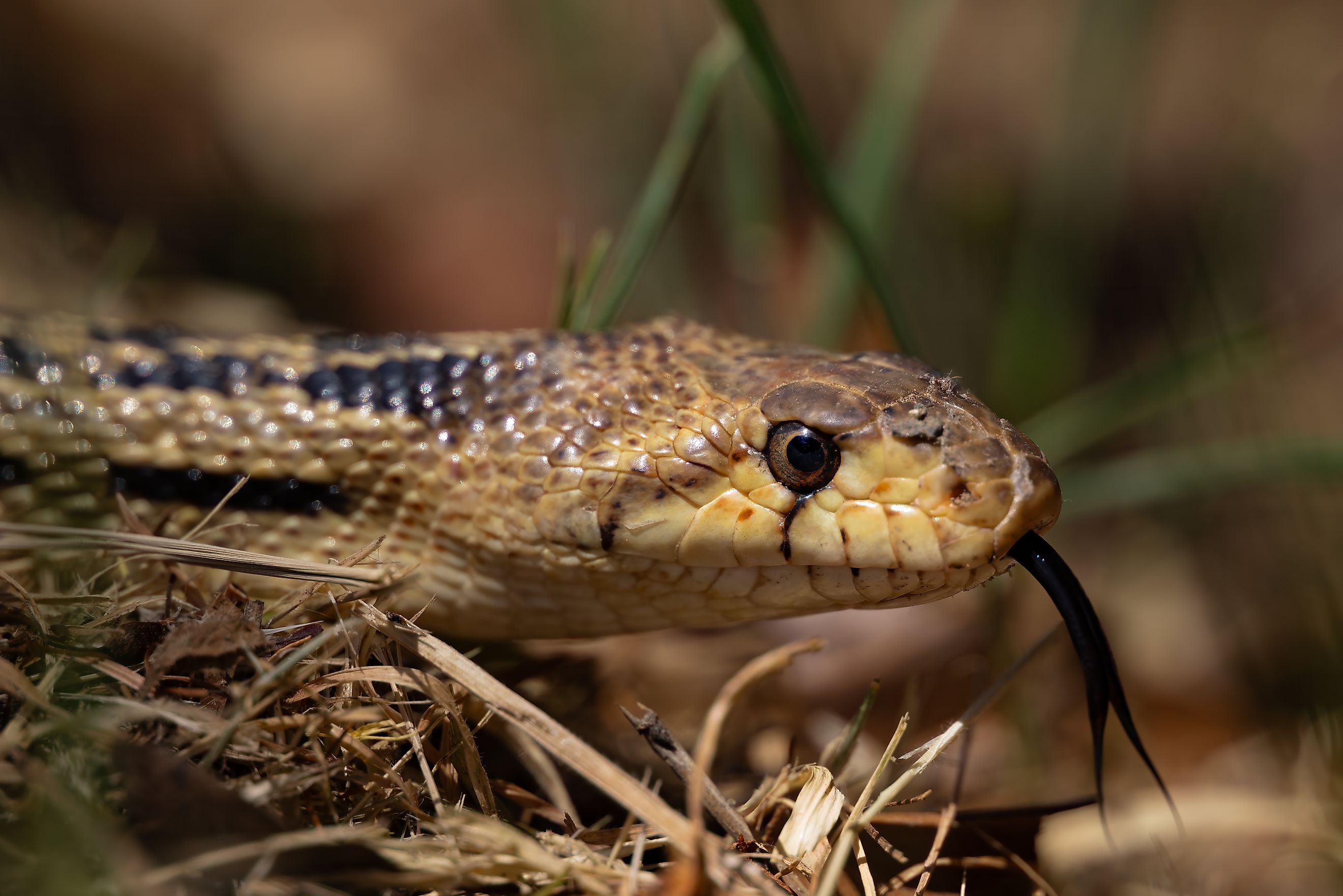
Swimmers at Moses Lake share the shoreline with gopher snakes basking on the sun-baked rocks. Garter snakes hunt fish in the shallows of Lake Wenatchee and slip between the reeds. Along the Snake River the northern Pacific rattlesnake is Washington's only venomous native species. Hikers on the Chelan Lakeshore Trail spot rattlesnakes sunning on warm afternoons. Ring-necked snakes shelter under the basalt ledges of the Klickitat River canyon. About a dozen native snake species live in Washington, and only the western rattlesnake carries a venomous bite.
Snake River

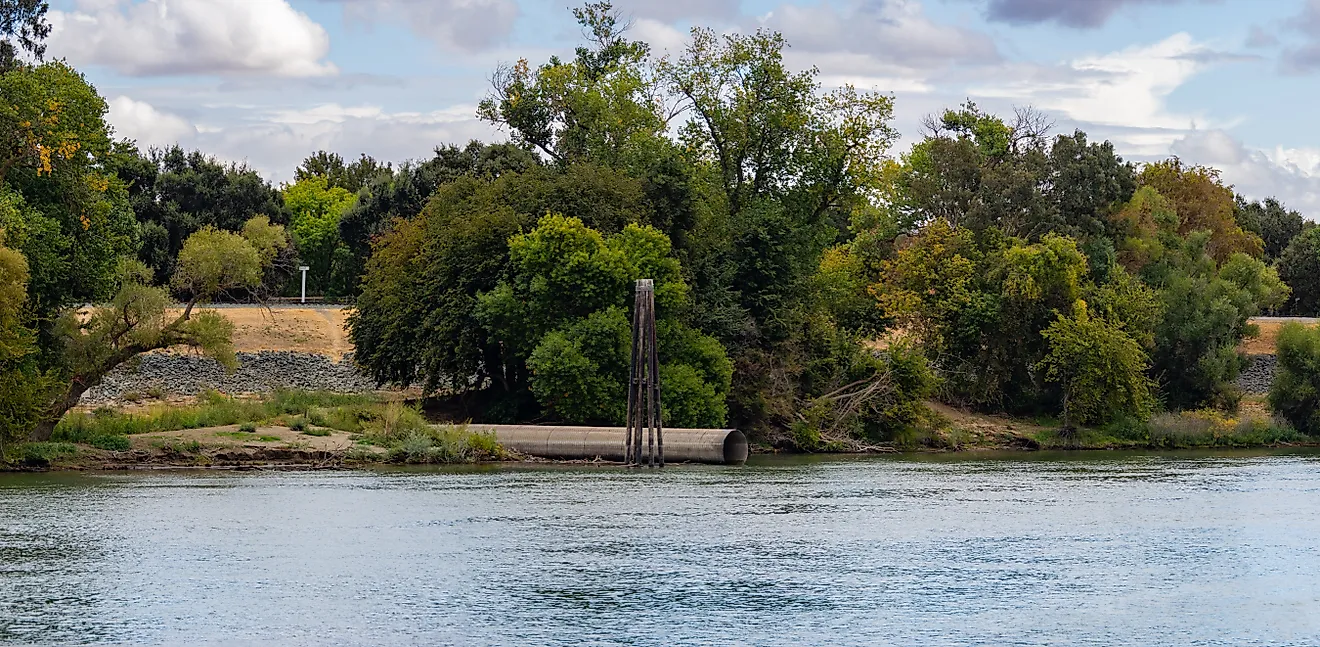
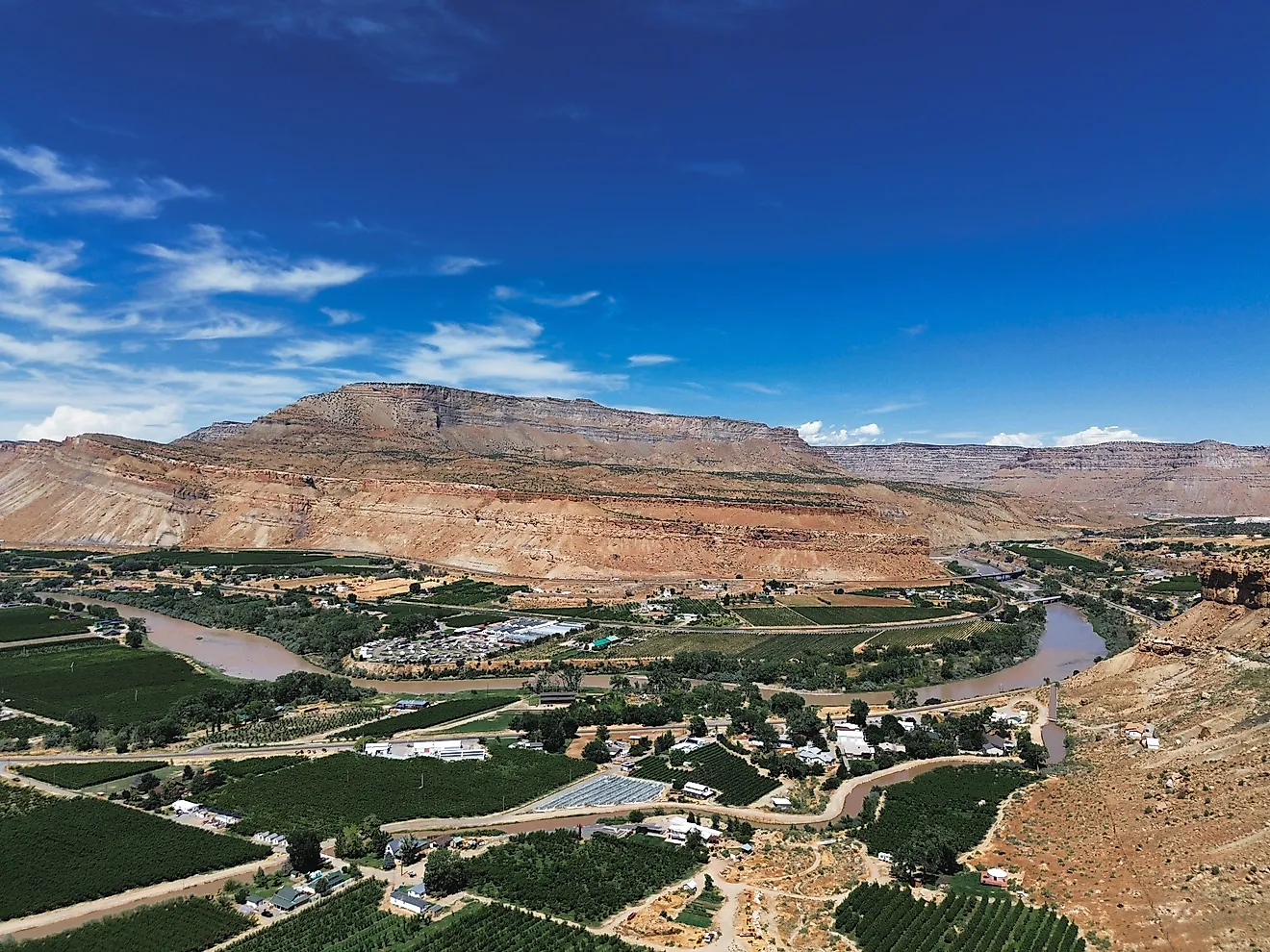
The Snake Riveris the Columbia River's largest tributary, stretching over 1,000 miles through 4 states. It begins in Wyoming, then straddles the Idaho-Oregon border before eventually joining the Columbia in Washington. Washington's section of the Snake River is home to several species of snake. Despite its name, the river is not named after this. Although it fits, Snake River's name comes from early explorers' mistranslating hand signals made by the Shoshone tribe.

The tributary is surrounded by snake-friendly habitats, including riparian zones and grasslands. At the McNary National Wildlife Refuge, gopher snakes (Pituophis catenifer) and western terrestrial garter snakes (Thamnophis elegans) are drawn to the park's arid shrub-steppe and wetlands. The second species is semi-aquatic, meaning they often swim in the Snake River to hunt and escape predators. Elsewhere, the Snake River runs through the Columbia Plateau, an arid, rocky region. It is home to northern Pacific rattlesnakes (Crotalus oreganus oreganus), a subspecies of the western rattlesnake and Washington's only native venomous snake.
Lake Wenatchee

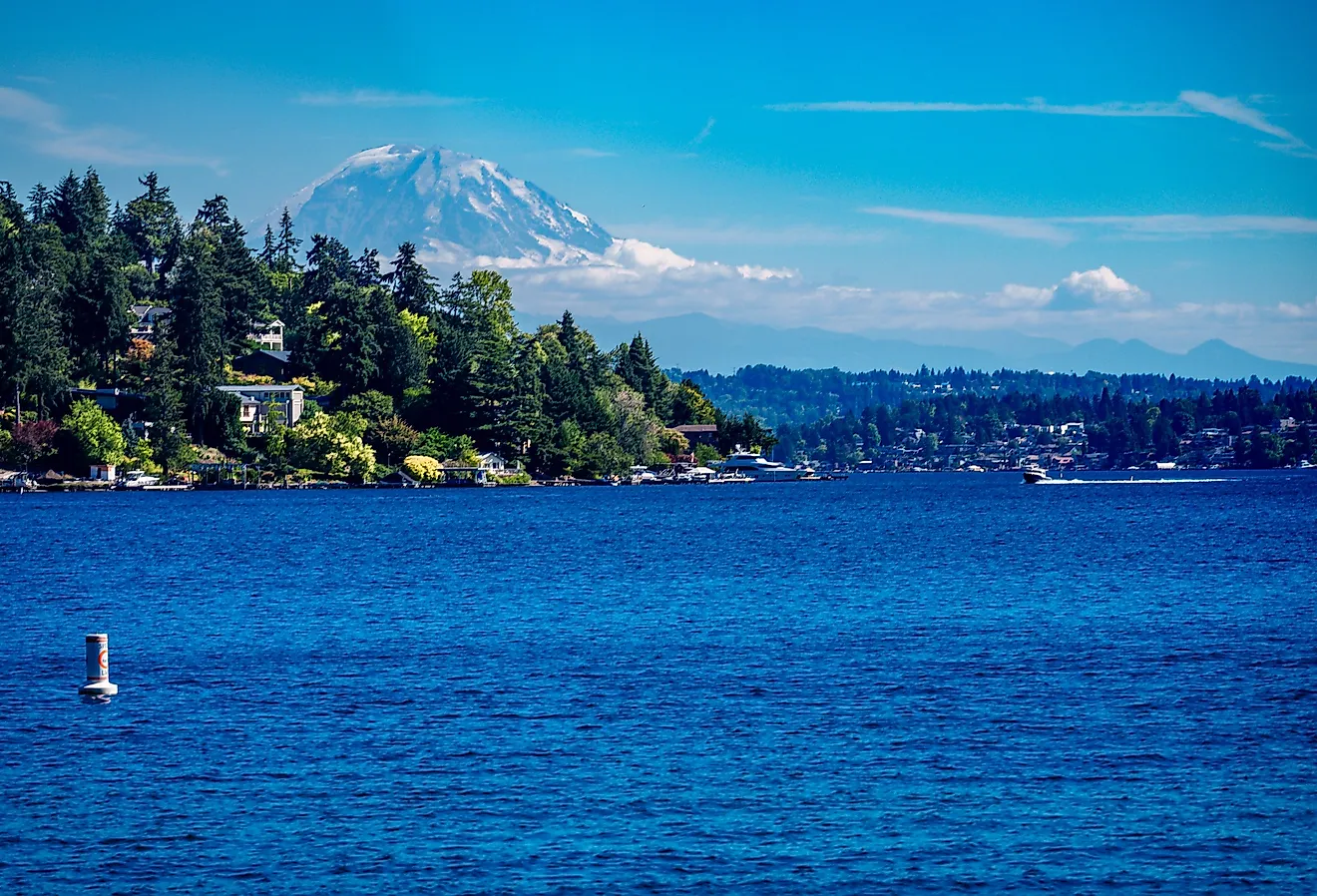
Despite its cold waters, Lake Wenatchee is another hotbed for snakes. The 2,480-acre lake is located in the Cascade Mountain Range, surrounded by Wenatchee National Forest. Fed by glaciers and snowmelt, the 5-mile-long waterbody is the centerpiece of Lake Wenatchee State Park. This popular recreation site offers kayaking, hiking, camping, and swimming, making it crucial to watch out for wildlife. Although most of its snake species are timid and avoidant, spatial awareness can help prevent accidental interactions.

Rattlesnakes are rarely spotted on Lake Wenatchee, as they prefer Washington's drier regions. Instead, you might see gopher snakes, garters, and western yellow-bellied racers (Coluber constrictor mormon). The northern rubber boa (Charina bottae) has also been documented in Lake Wenatchee State Park, but sightings are rare. This nocturnal species is semi-fossorial, meaning it lives part of its life underground. Parkgoers are more likely to see a garter snake hunting fish in the water or a yellow-bellied racer speeding through grass in a riparian meadow.
Lake Chelan

Situated in north-central Washington, Lake Chelan is the deepest and longest lake in the state. The fjord-like glacial lake extends more than 50 miles through the Cascade Range, surrounded by parks and marinas. Snake sightings are common at the Lake Chelan National Recreation Area. The Chelan Lakeshore Trail passes through here, and the area is known for its rattlesnake sightings. While this 17-mile trail draws attention with lake views and a snow-capped background, hikers should also keep an eye out for rattlesnakes sunning on warm days.

Other snake species thrive at Lake Chelan State Park. Washington's 3 native garters are commonly seen here: the common, western terrestrial, and northwestern garter snake (Thamnophis ordinoides). Common and western garters are strong swimmers, preferring aquatic edges and grasslands near Lake Chelan, whereas northwestern garter snakes are mainly terrestrial. Rarely entering water, they prefer dense vegetation for cover while hunting, meaning sightings are more likely in grassy clearings or near the edge of a forest.
Klickitat River

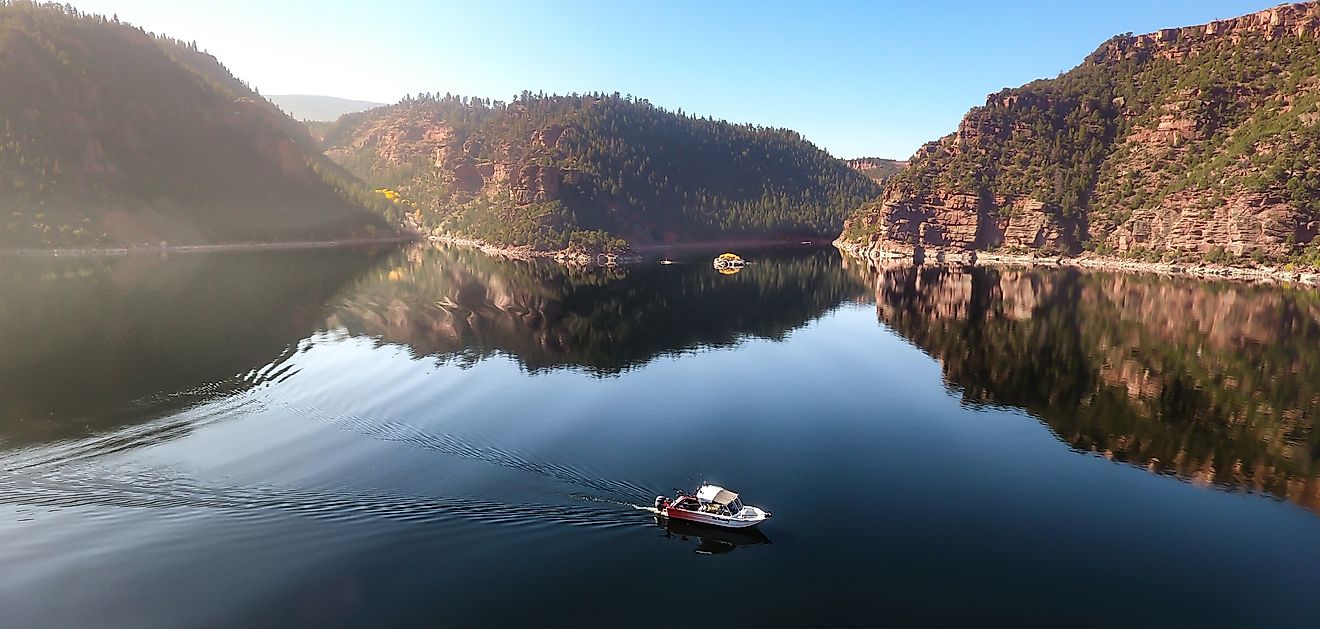
The Klickitat River is another tributary of the Columbia River. At around 96 miles long, it is Washington's second-longest free-flowing river, behind the Chehalis River. Located in south-central Washington, this undammed waterway originates between Mount Adams and Mount Rainier. It then carves through a canyon before draining into the Columbia River Gorge. This rugged terrain is ideal for many snake species, offering isolation, shelter, and rocks for sun basking.

The Klickitat's lowermost 10.8 miles winds directly through the Columbia River Gorge National Scenic Area. The river canyon is a hotbed for species less commonly found in Washington, including ring-necked snakes (Diadophis punctatus) and California mountain kingsnakes (Lampropeltis zonata). More frequently, hikers, paddlers, and campers will encounter gopher snakes and western yellow-bellied racers. The river's remote and rocky canyons are also ideal habitats for northern Pacific rattlesnakes. They are frequently spotted along the Klickitat Trail, a 31-mile recreation route following an old railroad corridor.
Moses Lake

Moses Lake is a popular recreation hub despite its overabundant snakes. Located in a city of the same name, this natural lake is also a regulated reservoir. Snakes are drawn to the high desert landscape of the Columbia River Basin, where Moses Lake is centered. Several species thrive in the area's arid, sun-baked environments, using the lake's 120-mile shoreline as a water source and hunting ground.

Snake habitats overlap with Moses Lake's high-traffic parks. Connelly Park and Blue Heron Park are popular for their swimming areas, fishing piers, and nature trails. These same shores are ideal for gopher snakes and garters due to their abundant prey, cover, and sun-basking locations. Lakegoers should keep an open eye at all times, especially near sections of Moses Lake with rocky outcrops and sagebrush flats. These habitats are frequented by northern Pacific rattlesnakes.
Staying Safe In Washington's Snake-Filled Waters
Snake River visitors can find garter snakes on land or in the water. Yellow-bellied racers prefer the shores of Lake Wenatchee and the Klickitat River. To avoid rattlesnakes at Lake Chelan and Moses Lake, steer clear of rocky areas and watch where you're walking. Most of Washington's snakes are harmless, but it's important to err on the side of caution; knowing where to find them is an essential first step.