4 Wild Animal Hotspots In Washington
Washington packs an unusual range of habitats into a small footprint. Olympic’s temperate rainforest and Pacific shoreline, glacier-fed Cascades valleys, and the shrub-steppe of the Columbia Basin are all within a few hours’ drive. That mix creates reliable wildlife-viewing opportunities across seasons, especially at dawn and dusk when animals are most active.
Depending on where you go, you may spot Roosevelt elk, black bears, river otters, raptors, and even gray whales offshore. Olympic National Park and the Columbia National Wildlife Refuge are well-known starting points, but the four hotspots below broaden your chances across four very different ecosystems.
Olympic National Park

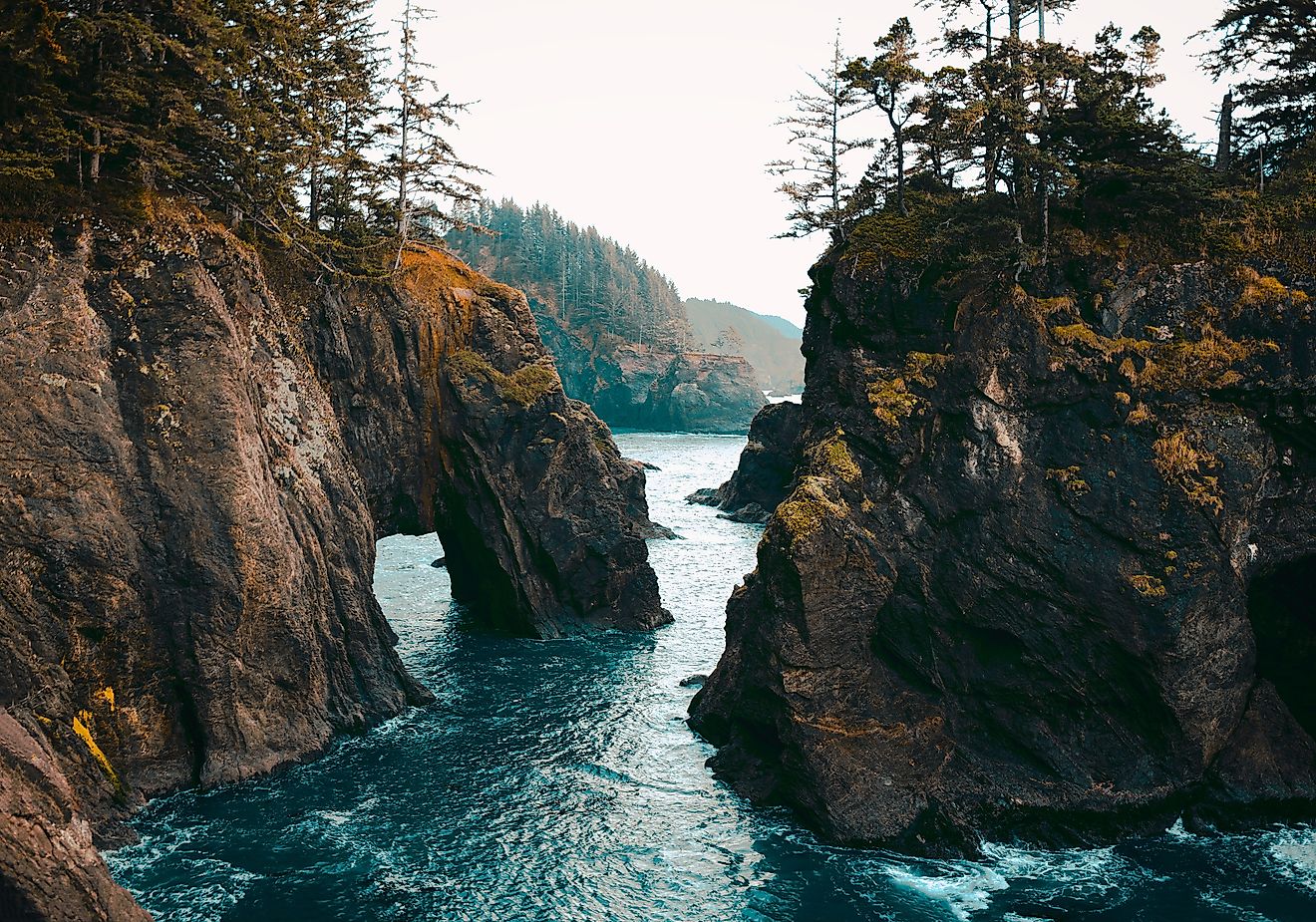
There is a reason Olympic National Park is the first choice for many when it comes to seeing unique wildlife. This incredible park spans nearly one million acres, features three ecosystems, towering peaks, and around 70 miles of Pacific Ocean coastline. The park proudly carries the distinction of being named both an International Biosphere Reserve and a UNESCO World Heritage Site. Before you even get to the animals, you will experience undisturbed wilderness, hot springs, rivers, waterfalls, and evergreen old-growth trees.

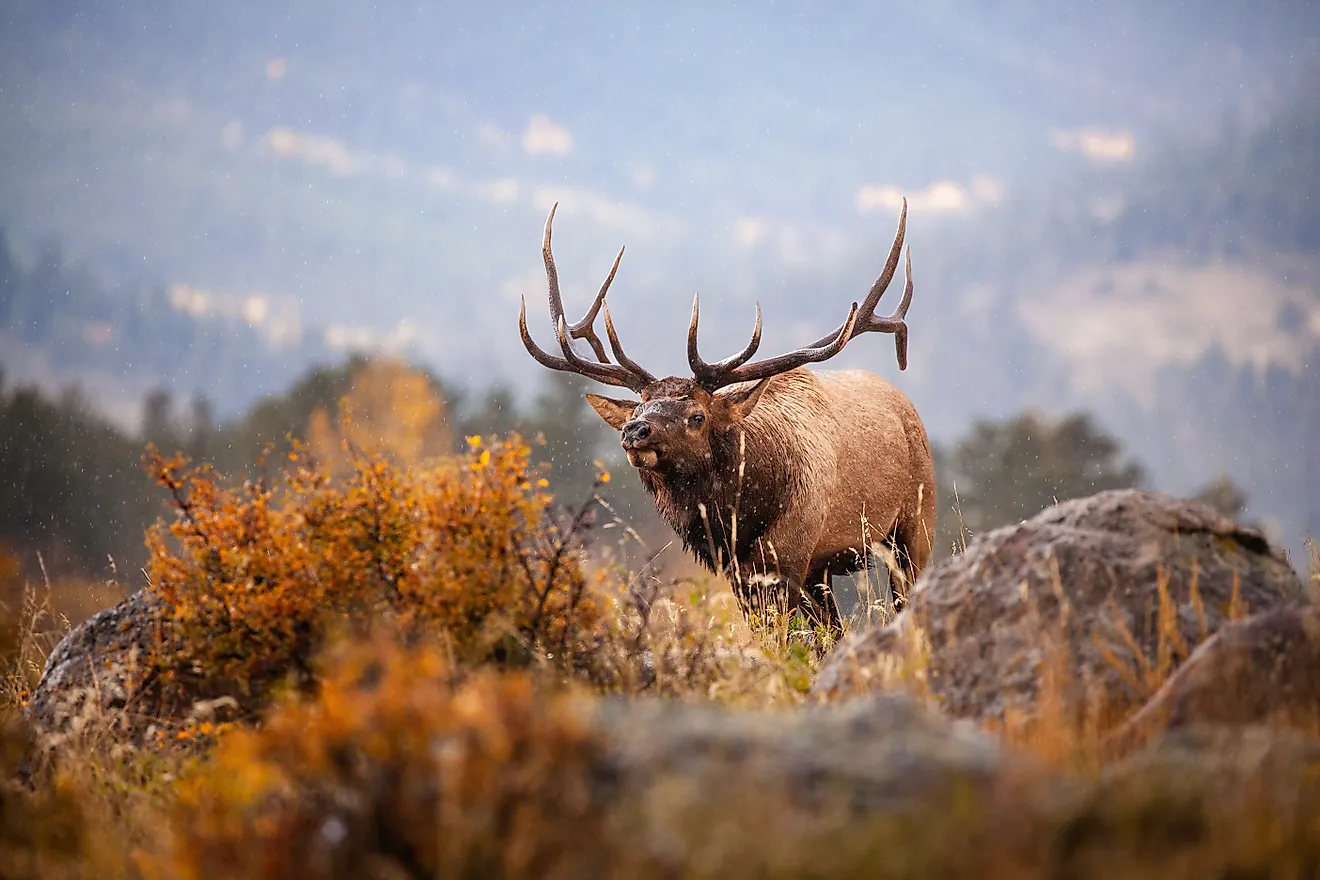
There are several locations within the park where you can spot a variety of wildlife. For many visitors, Roosevelt elk is the biggest attraction, especially since the park is home to the largest wild herd in the Pacific Northwest. One of the best places to see elk is in the Hoh Rain Forest. The herds remain in the Hoh area all year, and you might spot them in herds of twenty or so. Females and calves typically make up the herds, while the bulls prefer staying on their own or in much smaller groups. If you visit the park during September, keep your ears open for the bugling males as they compete for the attention of the females. Roosevelt elk inhabit the meadows and forests, including the lowland rainforest in the park.

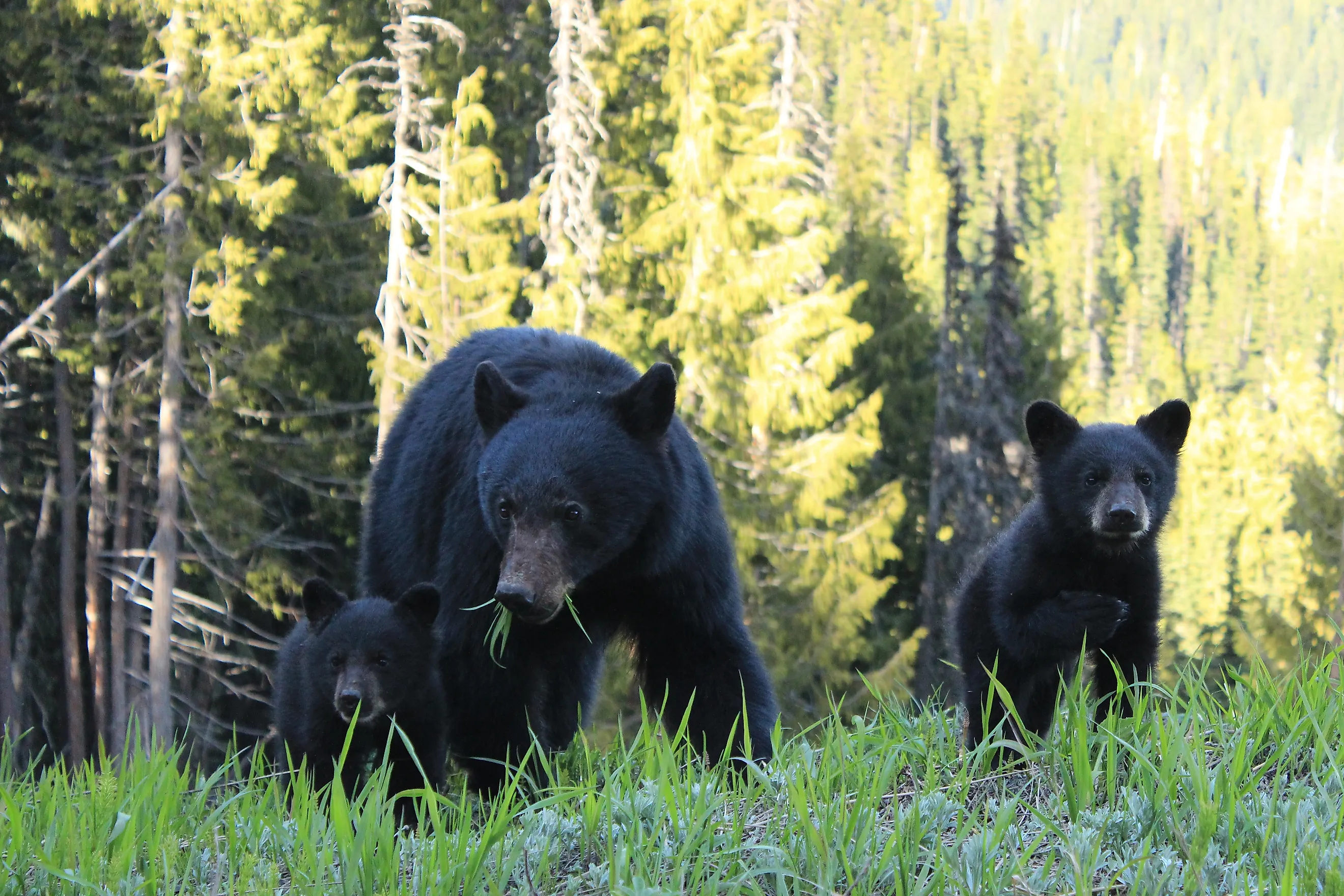
Other animals to see include cute sea otters, black bears, bald eagles, and gray whales. Sea otters tend to forage near the shoreline and coves of Ruby Beach and the kelp beds around La Push. If you want to see black bears, the only bear species in the park, the subalpine mountain regions and lowlands are their preferred spaces. They travel across ecosystems such as the coast, forests, and riparian areas. Black bears are often spotted in Hurricane Ridge and Klahhane Ridge during the summer. Bald eagles also gather along Hurricane Ridge and can also be seen throughout the year at Shi-Shi Beach, Second Beach, and Third Beach. As for seeing gray whales and orcas, you can do so from land or via a whale watching cruise. Gray whales are frequently spotted from Shi Shi Beach and Neah Bay. Orcas and humpbacks also occasionally appear along the Rialto Beach and La Push coastlines.
North Cascades National Park

The North Cascades, or the American Alps, are the main feature of North Cascades National Park. There are more than 300 glaciers, steep valleys, and majestic peaks throughout the Washington-British Columbia border. The park even features volcanoes, including Mount Baker. Yet, the wildlife is the crowning glory of the true wilderness you will experience here. There are more than 200 bird species and over 75 mammal species that inhabit alpine slopes, forests, and lakes. Some of the most iconic animals to look out for include mountain goats, pikas, gray wolves, and wolverines. You might also spot bald eagles, Pacific giant salamanders, and black-tailed deer.
Many visitors to the park come specifically to see the mountain goats. These goats are not actually goats, but part of the antelope family. They are native to the Cascades of Washington and Alaska, with most of their Washington habitat located in national parks and forests. Mountain goats are often seen in meadows and dustbaths. They also climb the Cascade peaks, including Mount Baker. During summer, you might see them reclining on snowbanks, and in winter, they move down to the forests where they are somewhat protected against the cold.

Pikas like darting along the rocks (talus slopes) and trails of Cascade Pass, the Blue Lake Trail, and the Hidden Lake Lookout. These furry mammals have a distinctive ‘EEEEE’ call, but they camouflage themselves well. The bald eagles are much easier to see, especially during December and January when they converge along the Skagit River during salmon spawning season. To see gray wolves and wolverines, famously elusive animals, you need to get closer to the park's remote, high-elevation areas. Wolverines tend to inhabit the high-elevation alpine terrain in the mountainous areas, while gray wolves have been seen near the Ross Lake Area and the Pasayten Wilderness. There is also a confirmed pack near the Diobsud Creek. Pacific giant salamanders tend to stay in the shallow streams or under rocks in or near the tributaries of the Skagit River, while black-tailed deer often gather along the wetlands around Big Beaver Trail or in the subalpine meadows near Diablo Lake.
Columbia National Wildlife Refuge

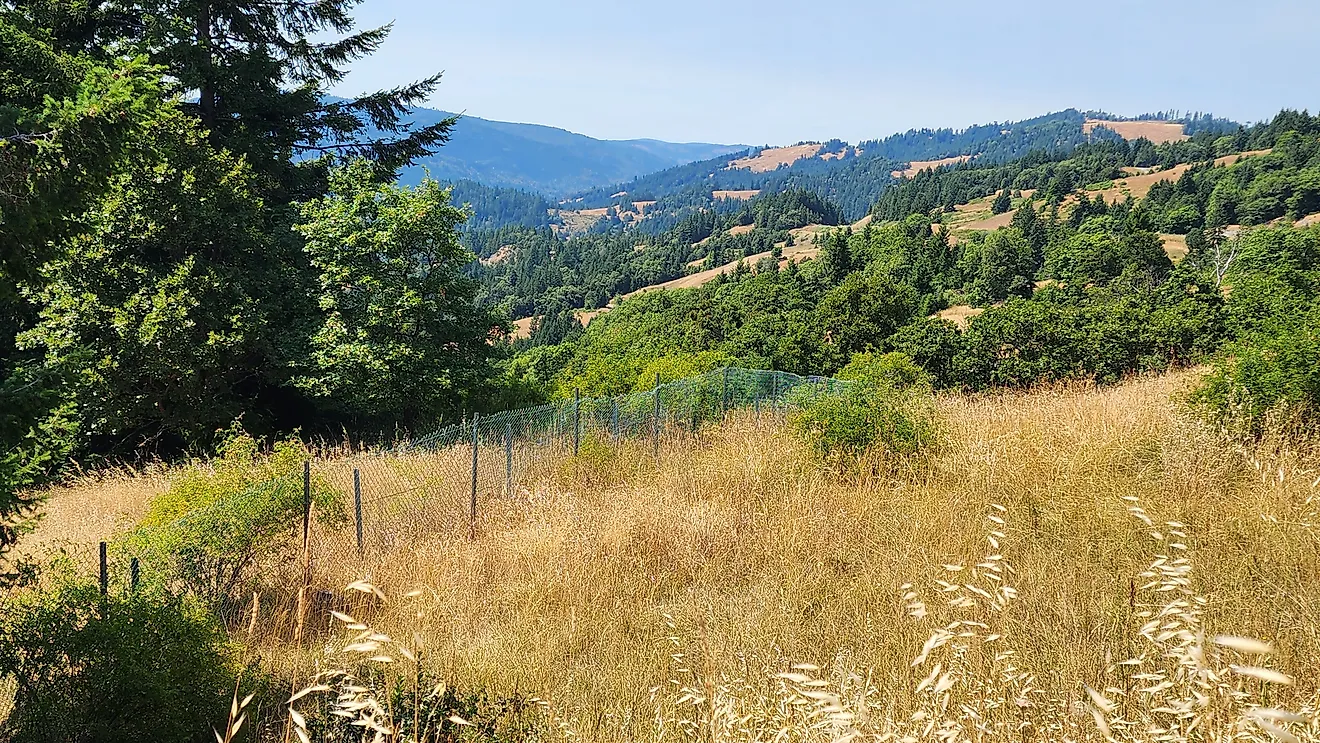
If you want to see wildlife in a dry-country habitat, the Columbia National Wildlife Refuge is the place to be. Instead of vast forests, there are several desert shrublands, scabland cliffs, grasslands, marsh basins, and chain lakes formed by ancient floods. This makes the refuge an excellent habitat for large grazing animals, in particular mule deer, white-tailed deer, and black-tailed deer. Other animals to see, especially in the rocky, shrub-steep areas, include coyotes and bobcats.

The U.S. Fish and Wildlife Service manages the refuge, and according to its records, mule deer are more likely to be spotted in sagebrush and grassland openings near water. This means you might see them along the grassland basins near the lake margins in the early morning and afternoon. There is a relative abundance of coyotes in the refuge, and they often cross the open flats or move along the marsh edges. They do not stay in one area for a long time, so your sightings might be brief, but you might also see them more than once. Bobcats, however, are scarce, so if you are lucky enough to see one, it will likely be near talus slopes, basalt cliffs, or in the shrubs during either dusk or dawn.
Keep in mind that it may be more challenging to see wildlife in this refuge because some of the major areas of animal concentration are closed during the winter to reduce potential disturbances to migratory waterfowl. Also, the park covers 30,000 acres of rugged, complex terrain, making it easy for some animals to stay hidden.
Hanford Reach National Monument

The Hanford Reach National Monument comprises a remote area that preserves several habitats across 196,000 acres. These habitats include the White Bluffs escarpment and the open shrub steppe habitat. This national protected area is located in southeastern Washington and was established in 2000. In addition to protecting the shrub-steppe ecosystem, it also shields the last stretch of the Columbia River that remains free-flowing.
The monument is home to many types of wildlife, including large herds of elk and Chinook salmon. Other animals to keep an eye out for include great blue herons, beavers, white pelicans, burrowing owls, and sagebrush lizards. The elk are often found in the canyons, where they and other wildlife continue to thrive across the harsh landscape. During the fall, bull elk and buck deer start looking for mates, and you might hear them call. Fall is also when the Chinook salmon return to spawn and die, prompting coyotes to come to the river to feed.

In summer, the coyotes and deer stay in the shade, of which there is plenty under the rocks, trees, and shrubs along the water. They come out at twilight and return to the shade when the sun rises again. Even the porcupines make their way to the water in the summer, resting their tails in it. In the spring, great blue herons and American egrets come back to their nesting colonies in the monument. Other birds, such as snow geese and sandhill cranes, also pass by.
Washington’s Real Adventures Lie in Its Wildlife Hotspots
Washington State is one of the most incredible places in the U.S. to observe wildlife. With the number of habitats packed into this single state, there is no reason you cannot explore rainforest valleys in the morning, go on a hike in the afternoon, and visit desert shrublands the next day. At the same time, you might see several amazing animals as you go along. A trip to Washington’s wildlife hotspots will have you scanning cliffs for mountain goats, watching elk graze in open woodlands, and looking for bears along the edges of the forests. Just remember to travel through these places with the wildlife in mind. Do not approach or disturb them. Instead, use your binoculars, respect their distance, and leave the area as you find it.