The Lakes With The Most Diverse Bird Populations
Each spring and fall, millions of birds migrate across the United States along established flyways, and lakes along these routes often attract large concentrations of birds during peak migration. Seven US lakes stand out for hosting hundreds of distinct bird species, verified from US Fish and Wildlife Service records, Audubon Society data, and published checklists. Four of the seven sit along the Pacific Flyway, the migration corridor running from Alaska to Patagonia that funnels millions of birds through the same key stopover points every year.
Lake Champlain: More Than 300 Species

Lake Champlain supports more than 300 recorded bird species across its 120-mile-long (193 kilometer) corrdior between New York, Vermont, and Quebec. Covering about 490 square miles (1,270 square kilometers), it is one of the largest freshwater lakes in the eastern United States. The lake lies beneath the Atlantic Flyway, one of North America's four major bird migration routes.
The lake's extensive wetlands, river deltas, islands, and shallow bays create a wide variety of habitats. This allows waterfowl, shorebirds, raptors, and songbirds to concentrate in and around the lake during spring and fall migration. Each autumn, tens of thousands of migratory waterfowl, including snow geese, Canada geese, cormorants, and ducks stage on the lake before continuing south. From spring through late summer, about 4,000 pairs of cormorants nest on the lake's Four Brothers Islands. During the spring, migration brings large numbers of warblers, vireos, and thrushes into the forested shoreline.
Mono Lake: More Than 300 Species

Mono Lake supports over 300 recorded bird species without a fish in sight. Instead, this hypersaline lake is home to millions of invertebrates, which the birds rely on as their primary food source. Sitting at roughly 6,300 feet (1,945 meters) in elevation in the eastern Sierra Nevada, this landlocked lake covers about 70 square miles (181 square kilometers). Thousands of years of evaporation have made the water too salty to support fish life. In lieu of fish, brine shrimp and alkali flies breed in staggering numbers. Those food resources support an enormous seasonal influx of birds. Approximately 118 of the 300 recorded species shelter within the Mono Lake Basin watershed.
Up to 80,000 Wilson's Phalaropes stage on the lake in summer, representing 10 to 14 percent of the entire world population of that species. Up to 1.8 million Eared Grebes follow in fall, making Mono Lake the primary fall staging site for that species on Earth. About 50,000 California Gulls nest on the lake's offshore tufa towers each spring, commuting to nearby freshwater lakes to drink since the lake itself is undrinkable.
Great Salt Lake: Over 330 Species

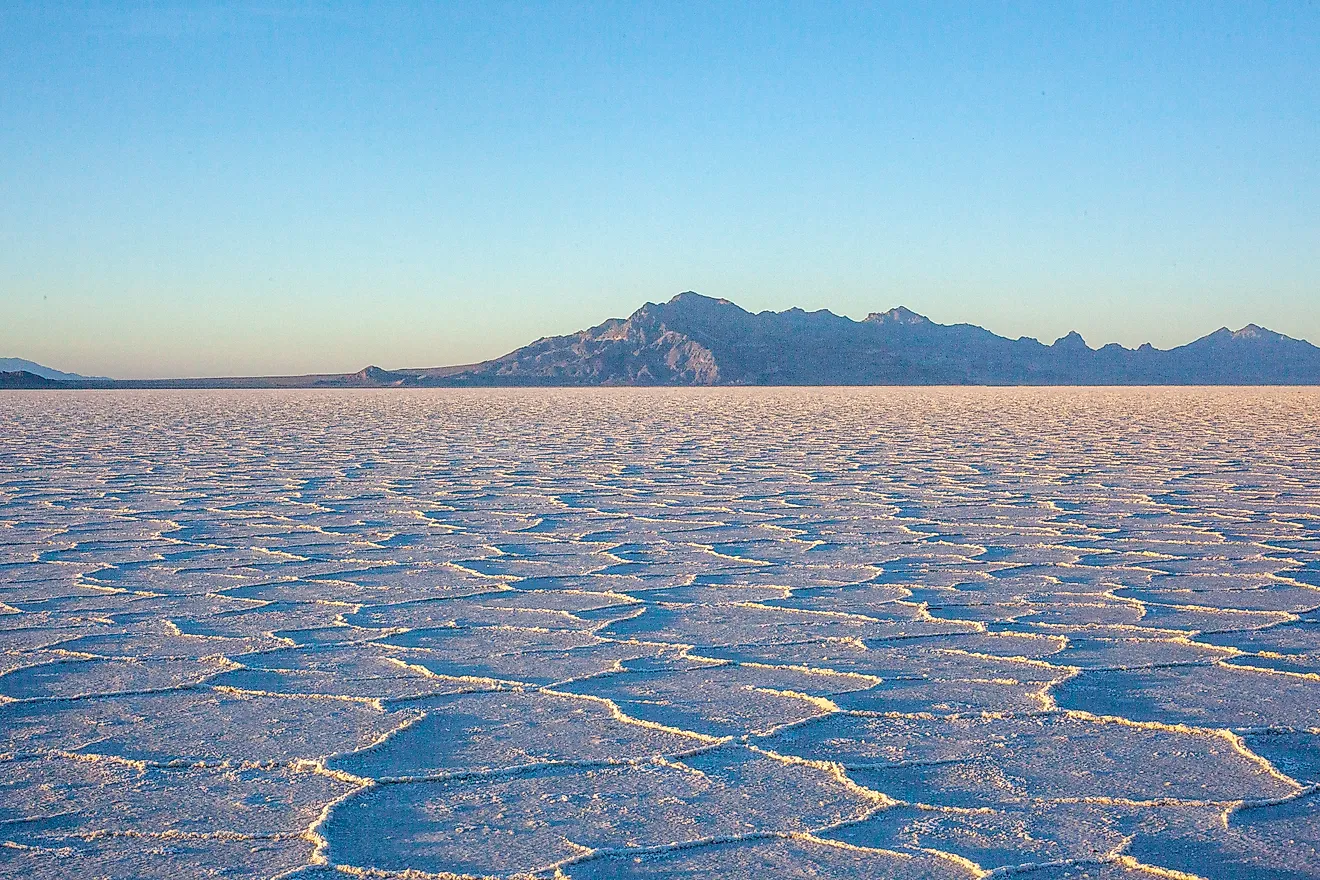
The Great Salt Lake supports approximately 330 bird species, a diversity driven by the sheer volume of invertebrates in its hypersaline waters, which provide a critical food source for migratory birds moving through the American West. This lake covers roughly 1,700 square miles (4,400 square kilometers) in northern Utah and ranks as the largest saline lake in the Western Hemisphere. The surrounding area, about 400,000 acres (161,900 hectares) in total, make up 75 percent of freshwater wetlands in Utah. Around 10 million birds use the lake and its associated marshes annually, a concentration so dense that aerial surveys have compared it to grains funneling through a giant hourglass.
The percentages of global bird populations that depend on this single lake underscore how significant this hypersaline lake is to hundreds of species. Great Salt Lake supports nearly one-third of the global population of Wilson's Phalaropes, more than 56 percent of the global population of American Avocets, and 37 percent of the North American population of Black-necked Stilts. Between three million and five million Eared Grebes have been documented using the lake during fall migration each year. The Western Hemisphere Shorebird Reserve Network has designated it a site of hemispheric importance, a recognition held by fewer than 100 sites across the entire Americas.
Malheur Lake: More Than 340 species

Malheur Lake sits at the center of a 187,000-acre (75,700 hectare) refuge in southeastern Oregon that records more than 340 bird species along one of the continent's most heavily trafficked sections of the Pacific Flyway. Malheur Lake fluctuates dramatically in size from year to year, a cycle that continuously refreshes habitat and flushes nutrients through the ecosystem. That natural variability, combined with the lake's position on the Pacific Flyway, supports well over half of all bird species found in Oregon.
During peak spring migration, up to 250,000 ducks, 125,000 geese, and 6,000 sandhill cranes use the area simultaneously. The refuge currently hosts more than 20 percent of Oregon's breeding greater sandhill cranes, and historically supports up to half of the world's population of white-faced ibises. The US Fish and Wildlife Service notes that the refuge may support anywhere between five and 66 percent of the Pacific Flyway's migrating populations for various priority waterfowl species, depending on the year.
Lake Erie: About 400 species

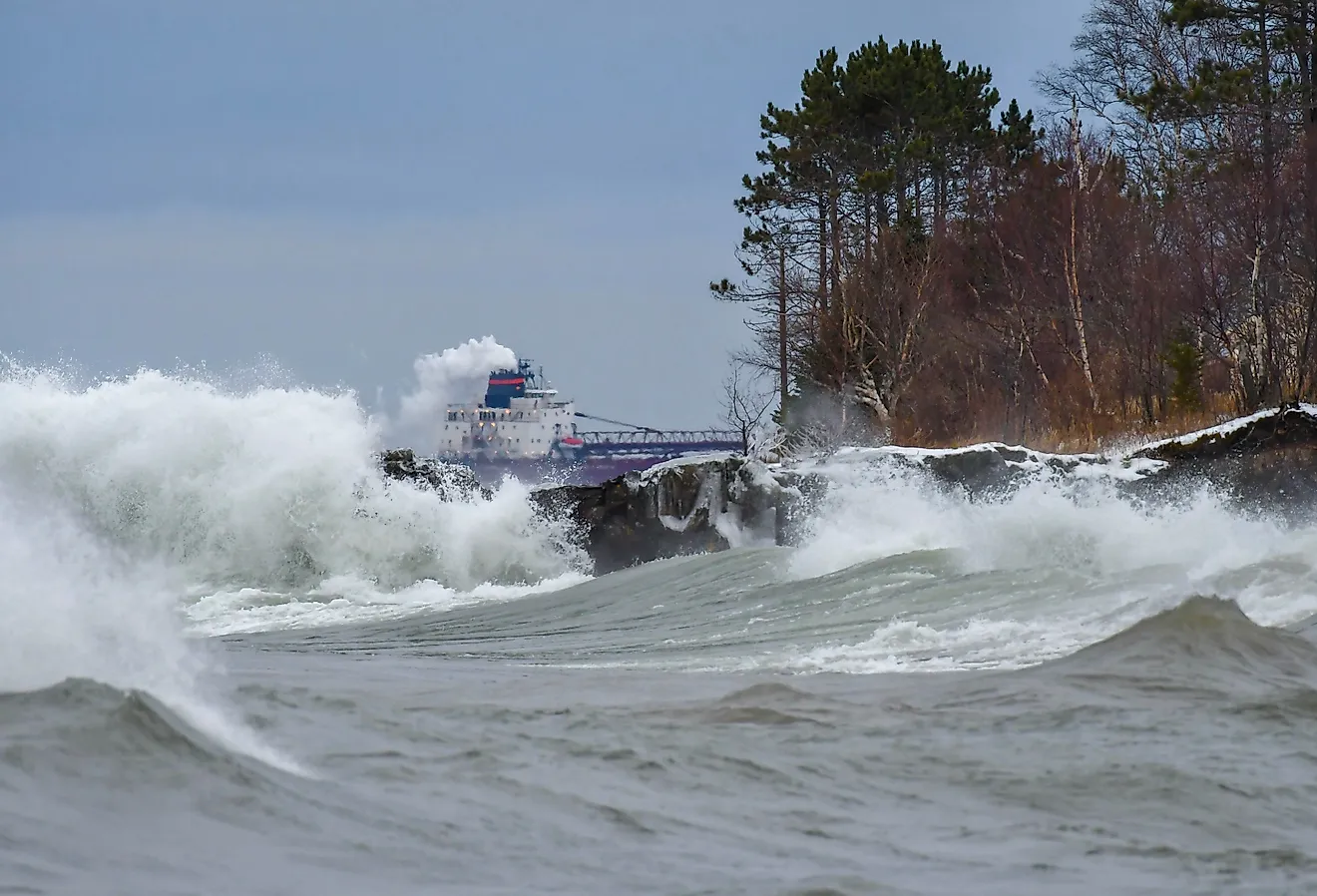
Each year, about 400 species of birds rest, feed, and breed along the shores of Lake Erie. The western basin of Lake Erie alone, anchored by Magee Marsh Wildlife Area on the Ohio shoreline, records 348 bird species across the coastal marshes and wetlands that line the lake's southern edge. This number represents the most documented bird diversity of any Great Lake site in the country.
The Ohio Department of Natural Resources records 348 species in the Magee Marsh area of the lake, with 310 of those found between March and May alone. The reason comes down to geography. Migrating songbirds crossing Lake Erie from Canada land on the Ohio shore exhausted with nowhere left to go until they have refueled. The result, every spring, is one of the most accessible and densely packed songbird spectacles in North America.
Over 250 species are recorded in the western basin region every year, with daily spring tallies sometimes reaching 120 species in a single day. The adjacent Ottawa National Wildlife Refuge sees more than 45,000 waterfowl pass though during spring and fall migration. In autumn, over 100 bald eagles regularly concentrate in Sandusky Bay.
Lake Apopka: More Than 370 species

Lake Apopka, covering roughly 31,000 acres (12,550 hectares) in central Florida, records more than 370 bird species across the restored wetlands that line its north shore. This wasn't always the case. For decades, nutrient runoff from surrounding fields fueled relentless algal blooms that collapsed the lake's fisheries and drove off its wildlife. Beginning in 1972, the St. John's River Water Management District converted more than 20,000 acres (8,100 hectares) of former muck farms on the lake's north shore into restored wetlands. The birds returned in numbers that surprised even veteran ecologists.
Today's diversity of birds at Lake Apopka is second only to the Everglades among Florida's inland birding sites. The 11-mile (18 kilometer) Lake Apopka Wildlife Drive holds the records for the highest single day inland bird count in Florida. Approximately 174 species were logged in a single outing. Bald eagles, swallow-tailed kites, and roseate spoonbills appear regularly. The lake sits directly beneath migratory flight paths that funnel birds inland from both Florida's Gulf and Atlantic coasts. The lake's size makes it a visible and reliable stopover for species crossing the peninsula twice a year.
Salton Sea: Over 400 Species

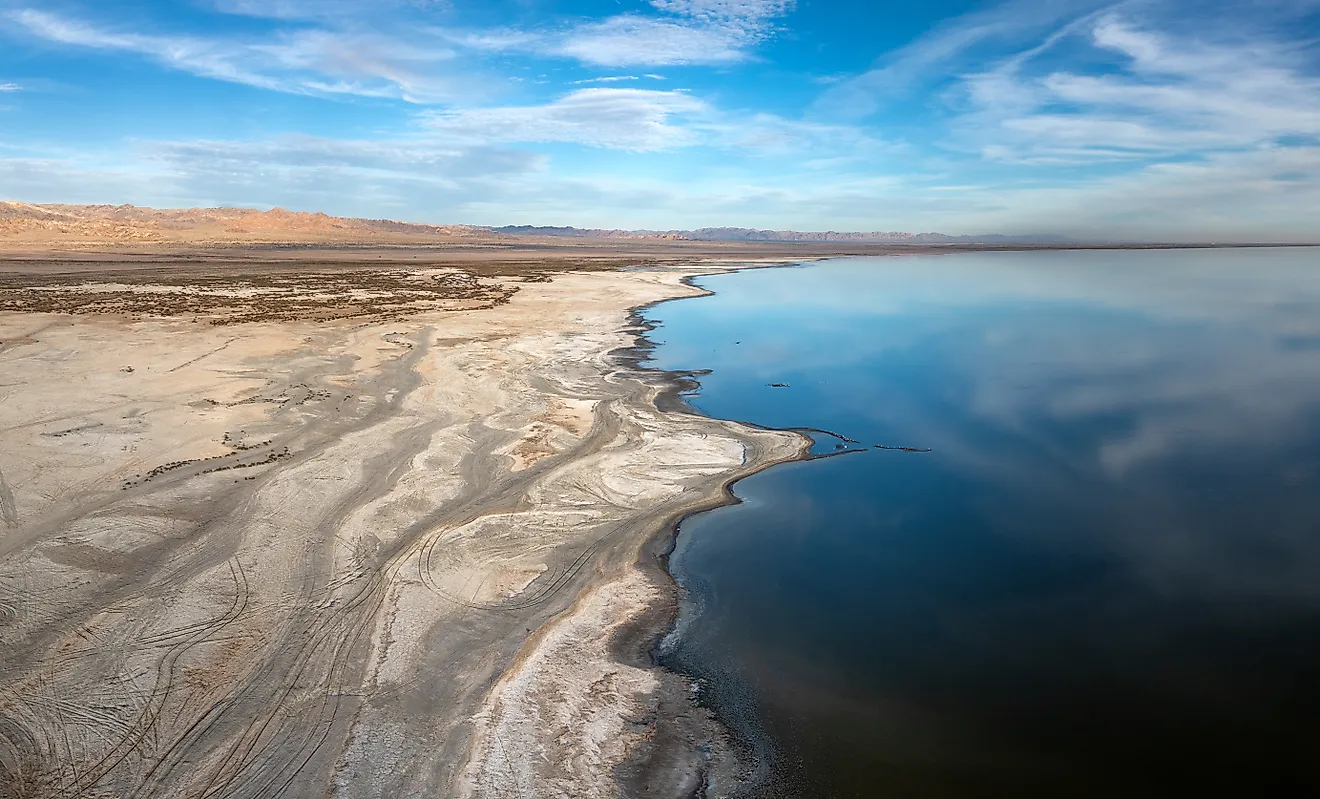
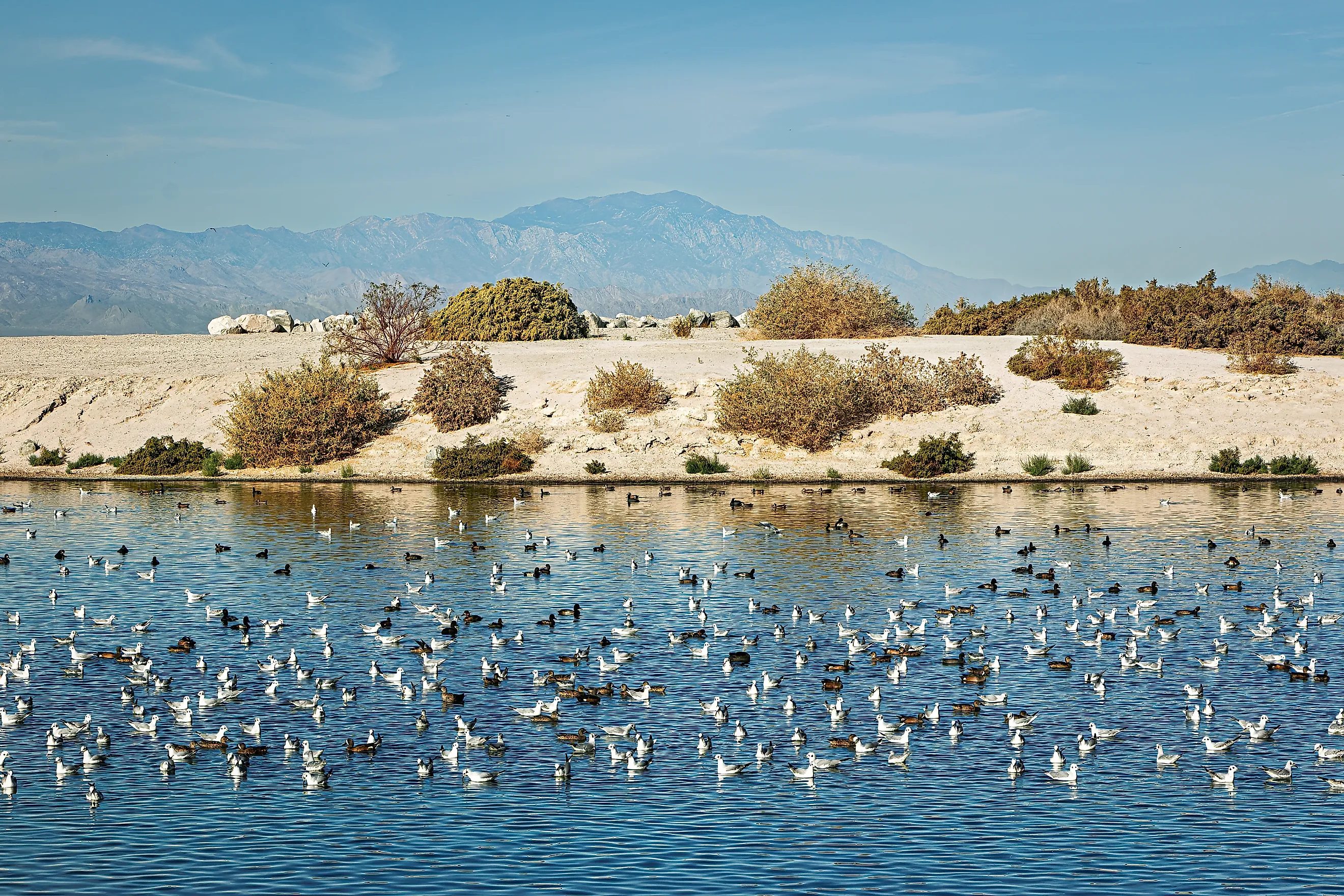
Around 400 bird species have been recorded at the Salton Sea, a lake that sits 227 feet (69 meters) below sea level and stretches 35 miles long (56 kilometers) and 15 miles (24 kilometers) wide in the southern California desert. It exists entirely by accident. A broken irrigation canal in 1905 sent the full volume of the Colorado River pouring into the Salton Trough for 18 months before engineers could stop it. The resulting lake has never left.
The lake sits at the junction of the Pacific and Central flyways, which routes birds from an unusually wide geographic range through the same location. More than 200 species are present during the mild desert winters alone. The US Fish and Wildlife Service designates the Salton Sea as the third most important shorebird habitat west of the Rocky Mountains.
An Audubon California study tracking bird populations from 2016 to 2023 found an average growth rate of 15 percent per year among waterbirds at the lake. A single-day Intermountain West Shorebird Survey in August 2023 counted approximately 250,000 shorebirds. This was more than double any previous August count recorded at the site. The annual Audubon Christmas Bird Count at the Salton Sea regularly records the highest counts in the nation for species including rough-winged and bank swallows, burrowing owls, and ruddy ducks.
Seven U.S. Lakes Where Bird Migration Comes Alive
Location on or near a major migration corridor, consistent food availability, and supportive habitat are the factors each of these seven lakes share. A Wilson's Phalarope staging at Mono Lake in July may stop at Great Salt Lake two weeks later. The same Pacific Flyway that funnels 80 percent of the continent's migratory waterfowl through the Salton Sea also delivers birds to Malheur Lake. Even Lake Erie, Lake Champlain, and Lake Apopka, which sit on different flyways entirely, owe their species counts to the same basic dynamic: birds need reliable food and rest at predictable points along migration routes they have followed for thousands of years. Where these conditions hold, the birds follow, and in enormous numbers.