What Different Types Of Lions Are There?
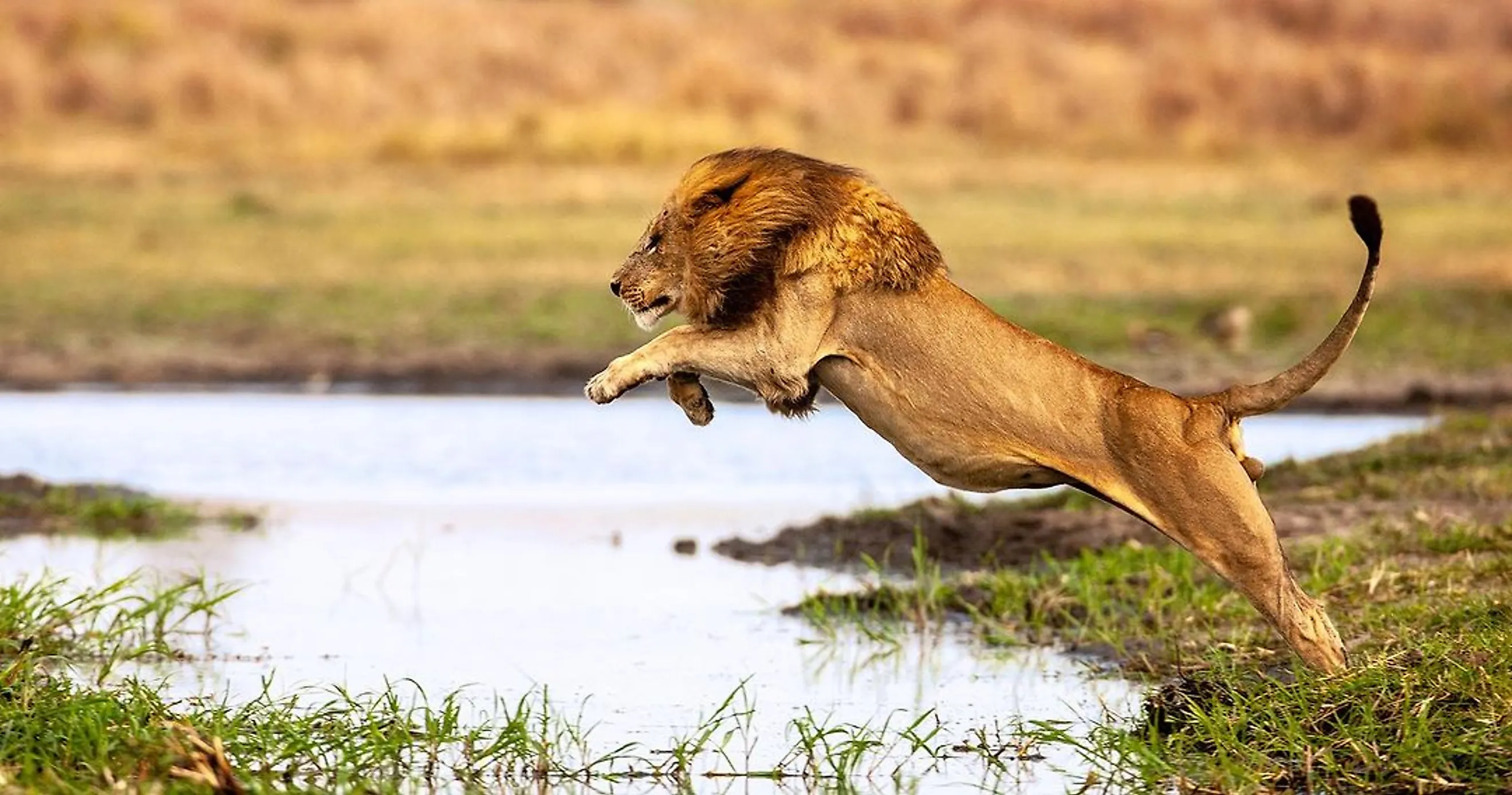
The lion is a large cat belonging to the genus Panthera and the family Felidae. It is the second-largest cat species in the world after the tiger. Today, wild lions are found primarily in sub-Saharan Africa, with a small remaining population in India.
Before 2017, lions were commonly divided into African lions and Asiatic lions, with African lions further split into several regional subspecies. However, modern genetic research has led to the recognition of two subspecies:
- Panthera leo leo, which includes the Asiatic lion of India as well as West and Central African lions. This subspecies also includes the extinct Barbary lion of North Africa.
- Panthera leo melanochaita, which includes lions from Southern and Eastern Africa and also encompasses the extinct Cape lion.
Under this classification, lions in Asia and northern, western, and central Africa belong to the same subspecies, while lions from eastern and southern Africa belong to the other.
Lions are distinguished among large felids by their social organization. They reside in groups referred to as prides, which generally comprise related females, their offspring, and a limited number of mature males. Lions predominantly inhabit savannas and grasslands but are also found in open woodlands and scrubland environments. They are proficient predators and opportunistic scavengers, with the majority of hunting activities conducted during the night or under low-light conditions. In their natural habitat, lions typically have a lifespan of between 10 and 14 years; however, individuals kept in captivity may live up to 20 years.
Panthera leo leo
Barbary Lion

The Barbary lion (Panthera leo leo), also known as the North African lion, was a population of lion that historically ranged across Egypt, Tunisia, Morocco, and Algeria. It is now considered extinct, largely due to intensive hunting and habitat loss during the 19th and early 20th centuries. The last widely accepted record of a wild Barbary lion dates to 1920 in Morocco.
Some captive lions, particularly those historically kept by Moroccan royal collections and later housed at Rabat Zoo, have been suggested as possible descendants of Barbary lions. However, genetic studies have not confirmed the existence of any pure Barbary lions in captivity, and most such individuals are believed to have mixed ancestry from multiple African lion populations.
Historically, the Barbary lion was regarded as one of the larger lion populations, based on museum specimens and hunting accounts. Reported adult males were described as reaching total lengths of approximately 9.8 to 10.8 feet, including the tail, with weights sometimes exceeding 200 kilograms. These figures should be interpreted cautiously, as they rely on limited historical data rather than modern field measurements.
West African Lion

The West African lion, also known as the Senegal lion, constitutes a critically endangered population of the subspecies Panthera leo leo. Historically, its range extended across much of West Africa; however, it is now confined to small, isolated populations, predominantly within protected areas, in nations such as Senegal, Burkina Faso, Benin, and portions of the Central African Republic.
West African lions are generally considered the smallest-bodied population among sub-Saharan African lions, a trait likely influenced by long-term isolation and habitat fragmentation. Current population estimates suggest that fewer than 1,500 individuals remain, living in fragmented groups that face ongoing threats from habitat loss, human conflict, and declining prey availability.
Central African lion

The Central African lion constitutes a regionally endangered population of the Panthera leo leo subspecies. Historically, it was widely distributed across much of Central Africa; however, it is now limited to small, isolated populations owing to habitat destruction, declining prey availability, and conflicts with humans.
Today, Central African lions are primarily found in protected and semi-protected areas of the Central African Republic, Cameroon, Chad, and parts of the Democratic Republic of the Congo. These lions typically inhabit savanna and woodland mosaics, often along forest edges rather than deep rainforest.
Population estimates are uncertain, but conservation assessments indicate that fewer than 2,000 Central African lions remain, with many subpopulations numbering fewer than 50 individuals. Their fragmented distribution makes them especially vulnerable to genetic isolation and local extinction, placing them among Africa's most threatened lion populations.
Asiatic Lion

The Asiatic lion, also known as the Indian lion, once ranged from southeastern Europe and Southwest Asia across the Middle East to the Indian subcontinent. Today, it is confined to the Gir National Park and Wildlife Sanctuary in the Indian state of Gujarat, making it one of the most geographically restricted large carnivores in the world.
Recent conservation assessments estimate the Asiatic lion population at over 650 individuals, all living in and around the Gir Forest landscape. Although still vulnerable to disease, habitat pressure, and human conflict, this population has shown gradual recovery in recent decades.
Asiatic lions are generally smaller than most African lion populations. Adult males typically weigh 160 to 190 kilograms, while females weigh 110 to 120 kilograms. A distinctive longitudinal fold of skin along the belly is a key identifying feature of the Asiatic lion and is rarely seen in African lions. Coat color ranges from sandy or buff-gray to tawny, sometimes with darker speckling.
In contrast to African lions, Asiatic lions possess less developed manes, rendering the ears distinctly visible. The population demonstrates low genetic diversity, attributable to historical population bottlenecks, which remains an ongoing concern for long-term conservation efforts. Presently, the Asiatic lion is classified as Endangered on the IUCN Red List.
Panthera leo melanochaita
Southwest African Lion

The Southwest African lion, also referred to as the Katanga lion, constitutes a regional population of the subspecies Panthera leo melanochaita. Its habitat includes the southern and southwestern regions of Africa, predominantly within suitable savanna and woodland environments across Angola, the Democratic Republic of the Congo (southern areas), Zambia, Zimbabwe, Namibia, and northern Botswana.
This population is among the largest-bodied lions, particularly adult males. Historical and modern records indicate that males may reach total lengths of approximately 8.2 to 10.2 feet, including the tail, while females typically measure 7.5 to 8.7 feet. Adult male weights commonly range from 140 to 242 kilograms, while females generally weigh 105 to 170 kilograms.
Katanga lions often display relatively lighter or less densely developed manes compared to some other African lion populations, although mane color and fullness vary considerably depending on age, climate, and individual genetics
East African Lion

The Masai lion, also referred to as the East African lion, constitutes a regional population of the southern lion subspecies Panthera leo melanochaita. Its distribution is primarily within Kenya, Tanzania, and parts of Ethiopia, where it resides in open savannas, grasslands, and lightly wooded regions.
Masai lions are often described as having relatively long legs and leaner builds compared to some southern African lion populations, traits that may be adaptations to open landscapes and long-distance movement. Adult males frequently display moderate tufts of hair at the knee joints, a feature noted in several East African populations.
The mane of the Masai lion typically appears swept backward, and mane development varies with age and environment. Older males generally possess fuller manes than younger individuals. Males living in higher-elevation habitats above approximately 2,600 feet tend to develop heavier and darker manes than those inhabiting warmer lowland regions.
Adult male Masai lions commonly reach total lengths of about 8.2 to 9.8 feet, including the tail. Females are smaller, with total lengths typically ranging from 7.5 to 8.5 feet.
Transvaal Lion

The Transvaal lion, also known as the Southeast African or Kalahari lion, is a regional population of the southern lion subspecies Panthera leo melanochaita. It occurs primarily in southern Africa, with strong populations in Kruger National Park in South Africa and Hlane Royal National Park.
Transvaal lions are among the largest African lions, particularly adult males. Males frequently develop dark brown to black, well-developed manes, although mane color and size vary with age, genetics, and climate. Darker manes are more common in cooler or higher-latitude regions.
Adult males typically reach total lengths of approximately 8.5 to 10.5 feet, including the tail, while females usually measure 7.7 to 9.0 feet in total length. Male body weights commonly range from 150 to 250 kilograms, while females generally weigh between 110 and 182 kilograms.
Endangered Lions

Most lion populations worldwide face threats to varying extents. Particularly, African lion numbers have declined sharply due to human-related pressures, including poorly regulated trophy hunting in certain areas. Trophy hunters tend to seek out adult male lions for their size and impressive manes, making them highly desirable targets. Removing a dominant male can disrupt a pride's stability, enabling new males to take over and often kill existing cubs, which decreases cub survival rates and accelerates population decline.
Apart from hunting, habitat loss and fragmentation continue to pose the greatest long-term dangers to lions globally. The expansion of agriculture, infrastructure, and human settlements further diminishes and fragments suitable lion habitats, escalating conflicts between lions and humans while also reducing prey populations. Although some countries have conservation initiatives in place, these challenges remain. This underscores the importance of enhancing habitat protection, improving strategies for managing human-wildlife conflicts, and increasing public awareness in areas where lions still persist.