The Most Snake Infested Lakes In Utah
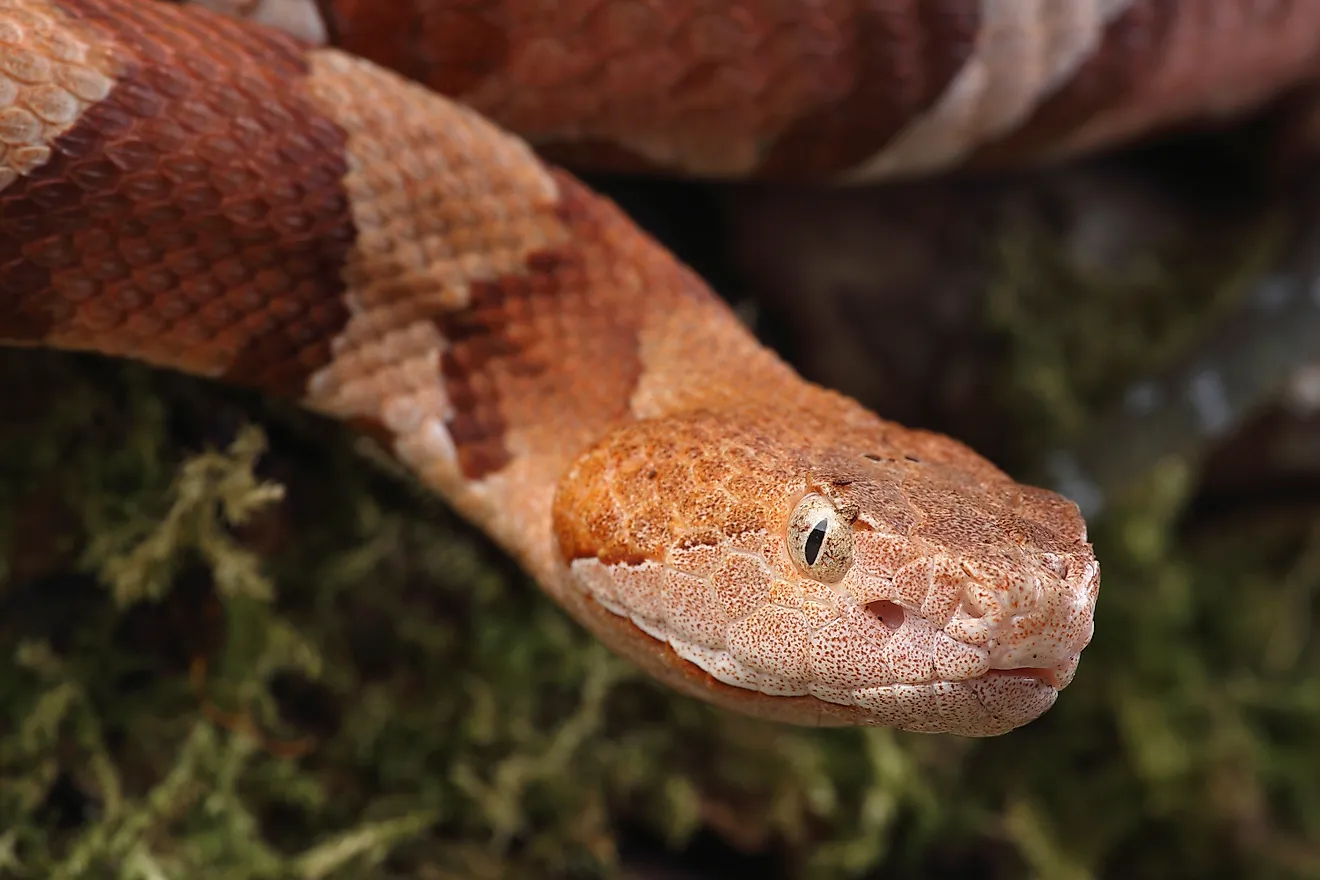
Utah is a landlocked state with 45 state parks and 5 national parks, as well as three distinct geographic regions within its borders. With such diverse landscapes and expansive swaths of untouched nature, Utah also boasts a surprising variety of lakes and reservoirs, spanning acres across otherwise arid, desert-like terrain. With all the wild spaces Utah has to offer, it is no surprise that over 30 species of snakes can be found here. Naturalists remind us that snakes living in their natural habitat aren’t considered an infestation but rather an integral part of the ecosystem. Nevertheless, some snakes like to live in or near lakes and reservoirs and can be startling when encountered, especially in the water. Here is a list of seven of Utah's most snake-infested lakes.
Great Salt Lake

Utah’s Great Salt Lake is the largest saltwater lake in the Western Hemisphere and is the natural habitat of many animals. Folks who fear snakes will not be comforted to know that there are several species of snakes within the ecosystem here, and they may lurk in or around the water. The valley garter snake, the Western yellow-bellied snake, and the red garter snake, to name a few call the Great Salt Lake region home, and its unique geographical characteristics go a long way to provide a suitable habitat to these snakes. Great Salt Lake is classified as an inland sea due to its size and salinity, measuring approximately 75 miles in length and 30 miles in width. It is surrounded by salt flats and provides stunning, otherworldly landscapes that stir the imagination. Great Salt Lake seems like a harsh environment for wildlife; looks can be deceiving as it is home to elk, Bison, and antelope, for starters, as well as migratory birds such as ducks and geese.
Bear Lake

Situated directly on the border of Idaho and Utah, Bear Lake is a heavenly place with crystal clear, serene waters that are excellent for a day of smooth sailing and as scenic as anyone could wish for, but don’t let all the beauty lull you into forgetting that region is also infested with snakes, which really means it is their natural habitat. Some of the species you may encounter include the great basin rattlesnake and the terrestrial garter snake. The Striped White snake also lurks somewhere underfoot, though sitings are rare. Bear Lake is a wildlife refuge area, in fact, and it is the natural habitat of a variety of amphibians and mammals and is a favorite among the locals. Visitors enjoy watersports such as jet-skiing and swimming here, as well as fishing and hiking. Campsites are also available, but keep your sleeping bags tight, just in case.
Utah Lake

Located in North-Central Utah, Utah Lake is the largest freshwater lake in the state. It is plunked down in the middle of an arid part of the region that only achieves a maximum of 15 inches of rainfall per annum over its vast surface, measuring just under 150 square miles, situated at 4,500 feet in elevation. Infestations of freshwater snakes are what visitors must look out for, as Utah Lake is the natural habitat of the common garter snake. However, in these parts, it is also called a water snake because it is often spotted in the water. Utah Lake is the natural habitat of the rubber boa, too, but luckily, it is non-venomous. Fishing is a favorite pastime here, and along with encountering a snake or two, visitors can expect to catch a walleye, catfish, or even a bass or panfish.
Flaming Gorge Reservoir

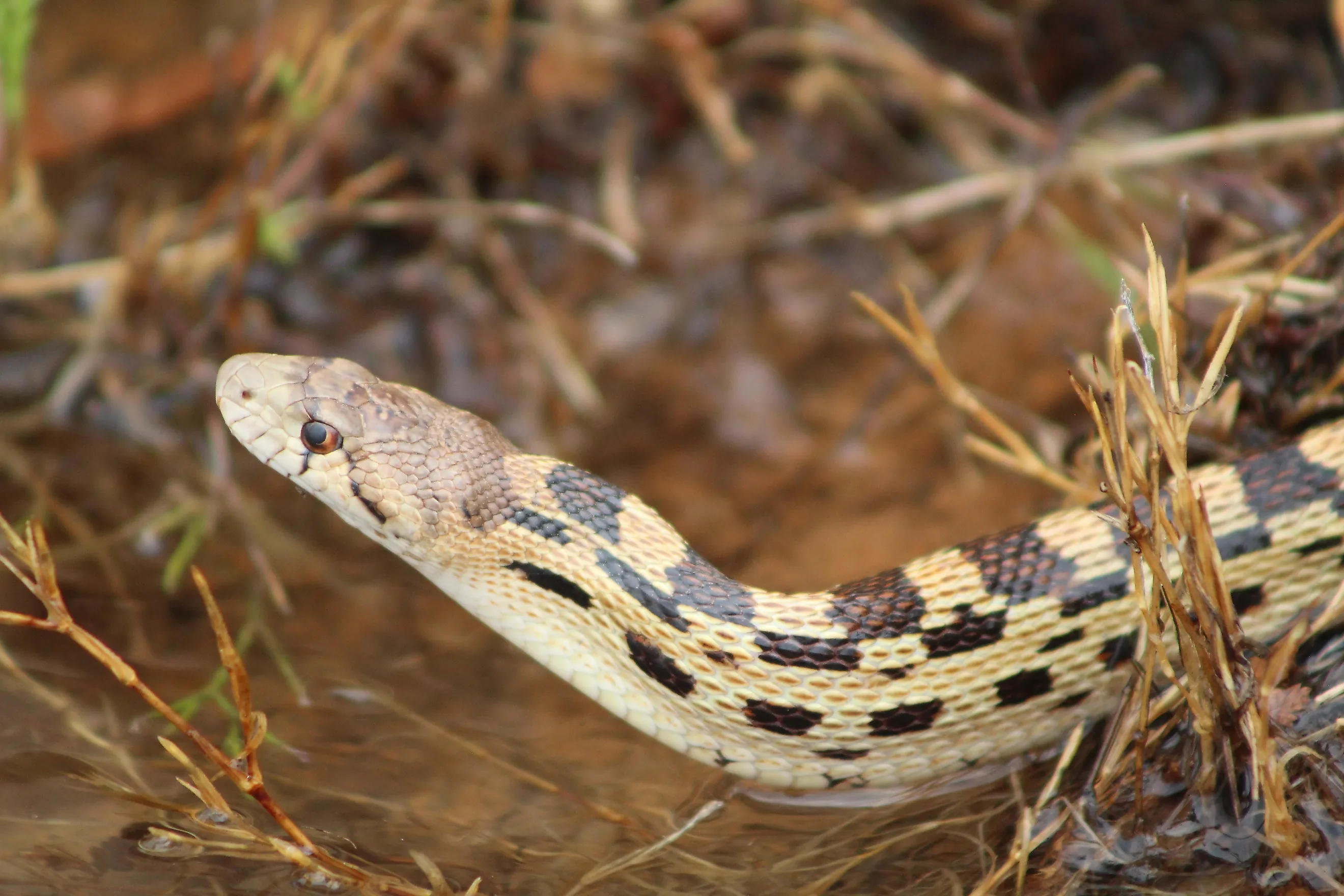
Situated on the Green River in Utah, the Flaming Gorge Reservoir boasts all the characteristics of a natural lake, sitting at an elevation of 6,045 feet and covering an impressive 42,020 acres. Renowned for its large lake trout, fishing in its pristine, clear waters is a rewarding experience. The area is also known for snake presence, such as the gopher snake, often mistaken for rattlesnakes due to their appearance and vibrating tails. However, if a snake exhibits signs of aggression like hissing, stay calm and observe its features. A slender tail without a rattle typically indicates a harmless gopher snake rather than a venomous rattlesnake. Despite rumors of snake infestations, visitors continue to enjoy water activities here, including rafting, parasailing, and water skiing.
Lake Powell

Lake Powell is an incredibly vast reservoir located on the Colorado River within Utah’s famous canyons. It is noted for its odd shape and otherworldly composition of tangerine hues in the surrounding rock formations in a setting of desert-like conditions. It is comprised of veins and channels as opposed to a traditional basin-style form. It is interesting to note that Lake Powell is an artificial reservoir and not a natural lake, with an extensive network of caverns and beaches ready to be explored. Gopher snakes, extremely common in North America, are the main type of snake to be found in the Lake Powell region as it features suitable habitat for these snakes. However, rattlesnake sightings have also occurred, and visitors are encouraged to remain vigilant. If you come across one, do not disturb it. Larger animals, such as big horn sheep, prefer the higher elevations, but smaller animals, such as lizards, rabbits, and mice, prefer to hide in the brush along the water’s edge at Lake Powell.
Navajo Lake

Navajo Lake in Utah is situated within Dixie National Forest in the southwestern part of the state, surrounded by lush evergreen forests beneath a vast blue sky. The lake was created when lava flows blocked waterways at the valley's eastern end, trapping water and forming the lake. Common snakes in the area include the Western patch-nosed snake and the valley garter snake, both of which thrive in wetlands and marshlands. These snakes are plentiful in this region and are frequently seen basking on rocks during warm afternoons.
Sand Hollow Reservoir

Sand Hollow Reservoir is situated in the southwestern part of Utah within Zion National Park and is regarded as one of the area’s top water bodies. Covering a vast 20,000 acres, Sand Hollow Reservoir Park is a popular recreation spot that opened in 2003. However, it gained wider recognition in 2018 after a viral video showed a venomous rattlesnake swimming in the water, alarming visitors. This incident highlights the importance of remaining vigilant for snakes when visiting the park, as they can appear unexpectedly. Visitors should exercise caution and stay alert to ensure safety.
Utah enjoys an abundance of flora and fauna, just like the rest of the country. When it comes to snake-infested lakes, Utah has its fair share of those as well, but most prove to be harmless. It is best to be sure to enjoy the water with eyes wide open, however, because every now and then, a venomous snake such as the Rattlesnake found in Sand Hollow Lake may swim right past your feet.