The Most Shark-Infested Coastlines in the United States
Dozens of species of sharks inhabit the waters surrounding the United States, distributed across the Atlantic and Pacific Oceans, as well as the Gulf of Mexico. While some species remain in the same region year-round, others migrate seasonally in response to changes in water temperature, prey availability, and reproductive cycles. According to the International Shark Attack File (ISAF), the United States consistently records more unprovoked shark bites than any other country and often accounts for more than half of those reported worldwide. Below are the coastlines in the United States where sharks are most abundant.
Florida

More than 30 species of sharks have been recorded in Florida’s waters, both in the Atlantic Ocean and the Gulf of Mexico. Florida is regarded as the “shark attack capital of the world” and typically accounts for around half of the total shark attacks reported in the United States each year. Volusia County takes the lead with well over 300 recorded shark attacks since 1882.

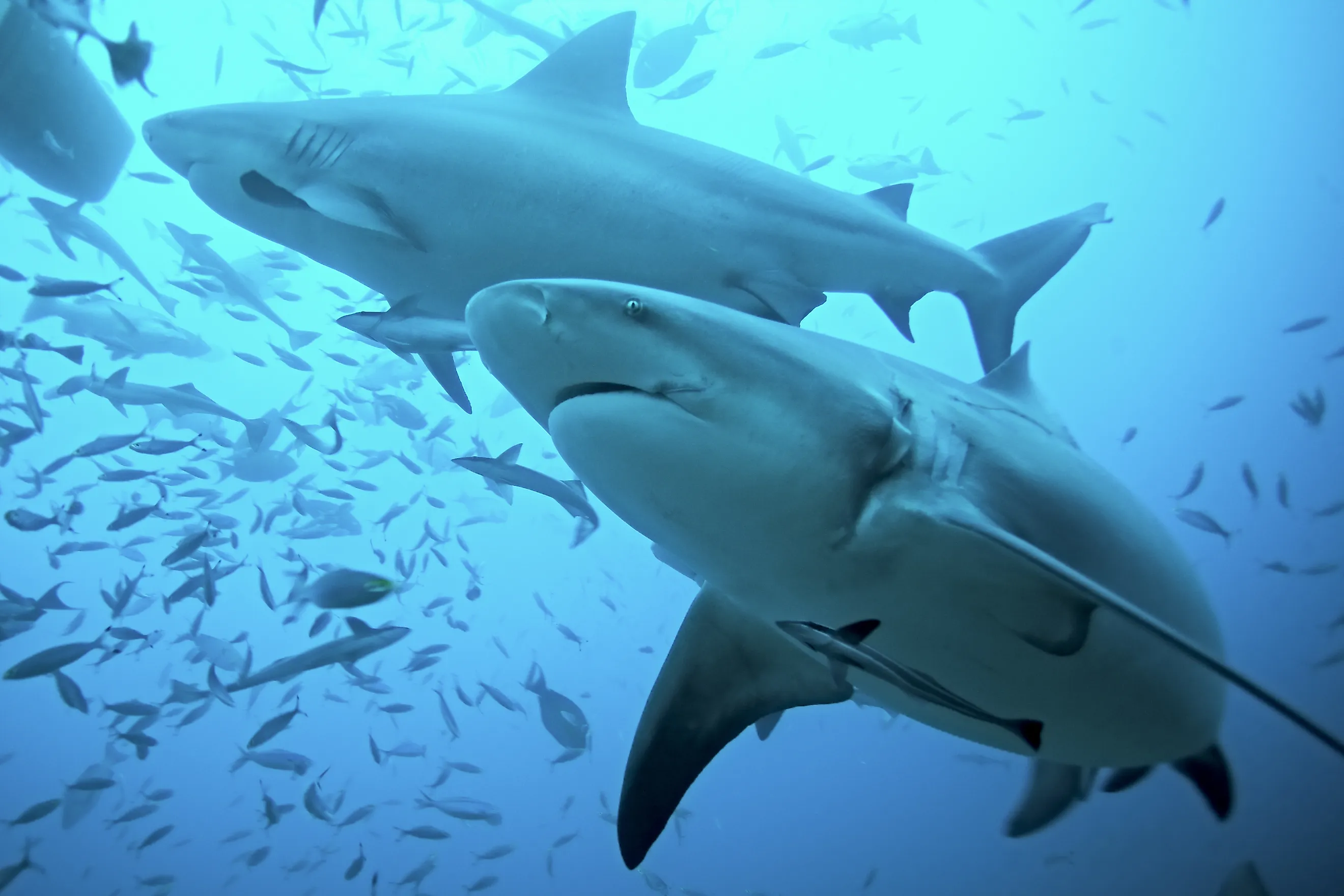
Florida is home to a wide range of shark species, including bull sharks, tiger sharks, great hammerhead sharks, blacktip sharks, lemon sharks, and nurse sharks. Many species use nearshore waters and bays as nursery grounds for offspring. Shark migration in Florida is influenced by temperature and prey availability. Sharks have a tendency to move inshore and northward during spring and summer, and offshore and southward during fall and winter. This seasonal movement corresponds with increased shark activity in Florida between April and October, when people actively enter the water to swim or surf. Research studies have recorded that the majority of shark attacks in Florida occur on its central coast facing the Atlantic Ocean.
North Carolina

North Carolina is home to 50 different species of sharks. Researchers from the University of North Carolina have observed that the blacknose shark and Atlantic sharpnose shark are among the most common species; however, bull sharks are becoming increasingly common in North Carolina. Since they can tolerate both brackish and fresh water, they can be found in nearly any body of water connected to the ocean.

Adults and juveniles have been observed in the Newport, Neuse, and Pamlico Rivers, and parts of the Albemarle Sound. Over time, Pamlico Sound has turned into a nursery for bull sharks due to its limited ocean access and protected shallow waters. In fact, every year since 2011, juvenile bull sharks have consistently been found primarily in the western part of Pamlico Sound between May and October.
South Carolina

Out of the 38 species of sharks in South Carolina’s waters, the Atlantic sharpnose shark, blacknose shark, finetooth shark, sandbar shark, blacktip shark, and the bonnethead are the most common. Several coastal shark species migrate southward from the northeastern United States as water temperatures cool during late fall and winter. Many begin arriving in South Carolina during late November and early December and remain through March or April before moving back northward or offshore as waters warm, depending on their seasonal migration patterns.

Inshore, North Inlet is a tidally-dominated, bar-built estuary that Atlantic sharpnose sharks utilize as a nursery. Similarly, sandbar sharks have been tagged across many of South Carolina's estuaries, including Charleston Harbor, St. Helena Sound, and Port Royal Sound. It is believed they use these estuarine systems as important nursery habitats, where they remain for periods of time before moving offshore as adults.
Texas

There are roughly 40 species of sharks inhabiting the Texas waters of the Gulf of Mexico, with the five most common being Atlantic sharpnose sharks, blacktip sharks, bonnethead sharks, bull sharks, and spinner sharks. Bull sharks are among the most common species found in Texas estuaries along the northwestern Gulf of Mexico.

As apex predators, they help maintain balance in these ecosystems by feeding on a variety of fish and, to a lesser extent, invertebrates such as crabs and shrimp. Estuaries like Sabine Lake and Galveston Bay provide ideal nursery habitat for young bull sharks because they are rich in food and sheltered from larger ocean predators. Healthy fish populations, supported by nutrient-rich waters and underwater vegetation, give juvenile bull sharks the resources they need to grow before eventually moving into deeper, saltier waters.
California

The Farallon Islands sit 30 miles off the coast of San Francisco. They are home to one of the highest concentrations of adult great white sharks in the world. Although they can be found year-round, they are mostly a seasonal visitor to the Greater Farallones National Marine Sanctuary, returning each fall to prey on juvenile elephant seals. The islands are home to a robust seasonal population of elephant seals that seek refuge on the islands between fall and early spring. Elephant seal pups will leave the island in March and migrate to the Northern Pacific waters to feed on squid and fish, returning in September.

Great white shark movement is linked to the returning elephant seals. Younger seals are easier to catch and have higher fat content. This provides important calories for great white sharks, thererfore elephant seals are their primary prey in this region, although harbor seals, California sea lions, Steller sea lions, and northern fur seals are also important food sources. Studies have shown that great white sharks may search for prey in the Farallones by swimming in a particular area over a number of days or weeks to maximize coverage. They have also been recorded swimming close to the bottom or at a distance far enough from the surface to remain undetected by seals.
Hawaii
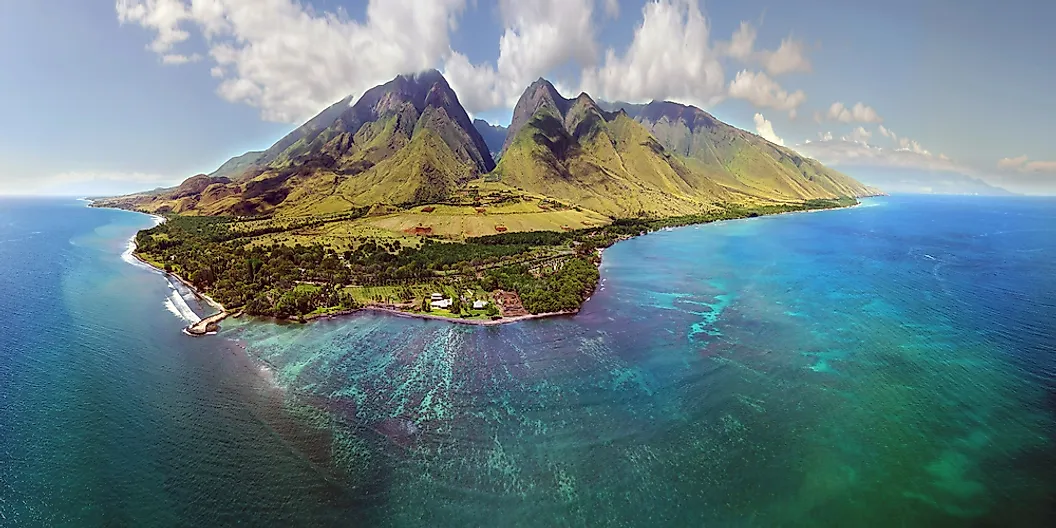
Approximately 40 different species of sharks inhabit Hawaiian inshore and offshore waters. Tiger sharks are responsible for the vast majority of unprovoked shark attacks in Hawaii. One of the largest predatory sharks in the Pacific Ocean, tiger sharks are commonly found throughout the Hawaiian Islands, where they inhabit coastal waters, coral reefs, and deeper offshore environments. They are highly mobile predators with a varied diet that includes fish, sea turtles, seabirds, and marine mammals.

Tiger sharks are present year-round in Hawaii, although their movements may vary seasonally in response to changes in water temperature, prey availability, and reproductive activity. While encounters between people and tiger sharks are rare, the species is involved in most serious shark incidents in Hawaii due to its abundance in nearshore waters and its larger size.
The Chances of Human-Shark Interactions
Despite the United States supporting diverse shark populations along its Atlantic, Pacific, and Gulf coastlines, shark attacks remain rare. According to the International Shark Attack File (ISAF), the United States records an average of around 40 unprovoked shark bites each year, with roughly one fatality annually. Most incidents occur when people and sharks occupy the same coastal waters in areas where sharks are feeding, migrating, or using nursery habitats. Sharks do not actively seek out humans as prey, and the vast majority of encounters end without injury.