5 Of The Most Snake Infested Lakes in Ohio
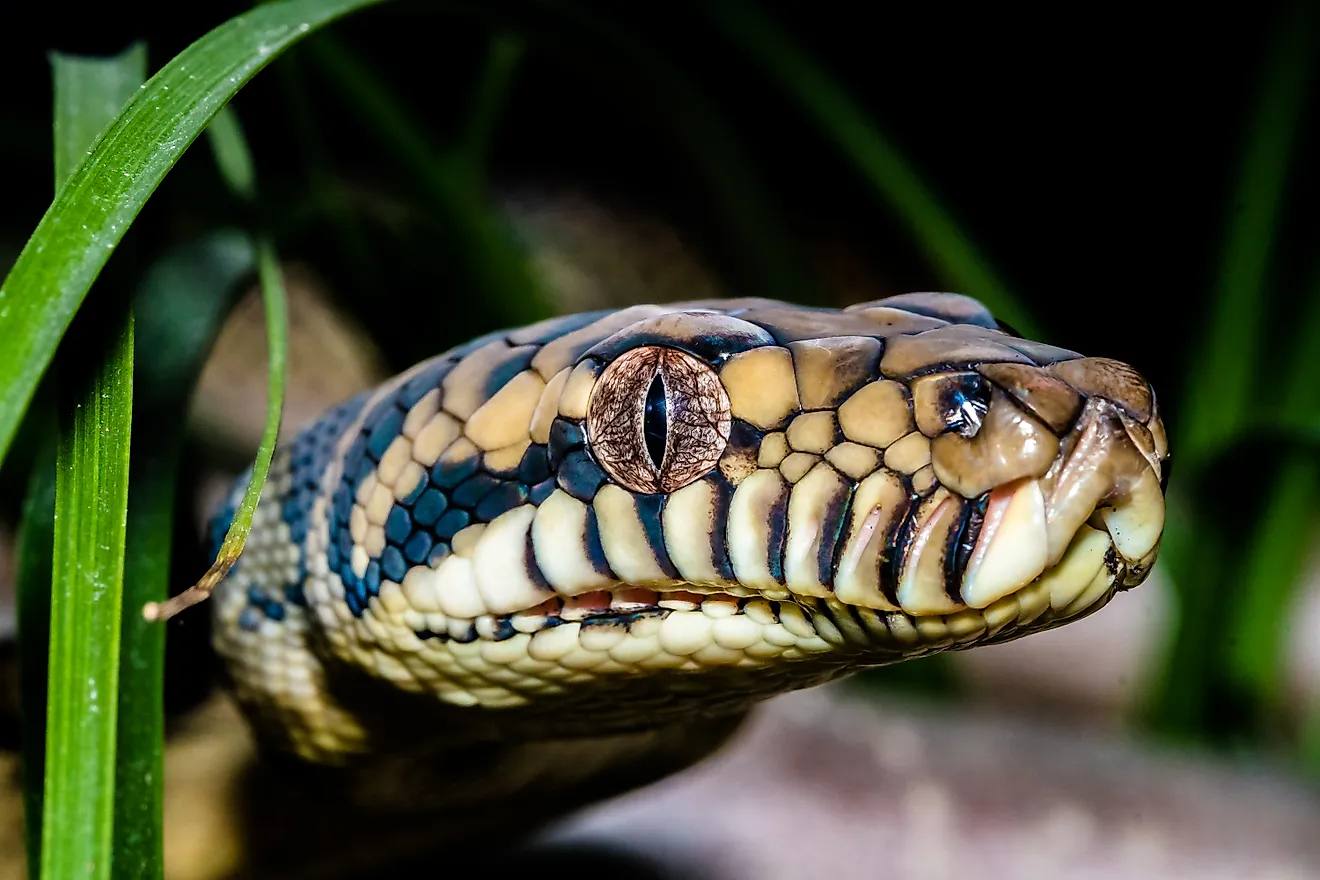
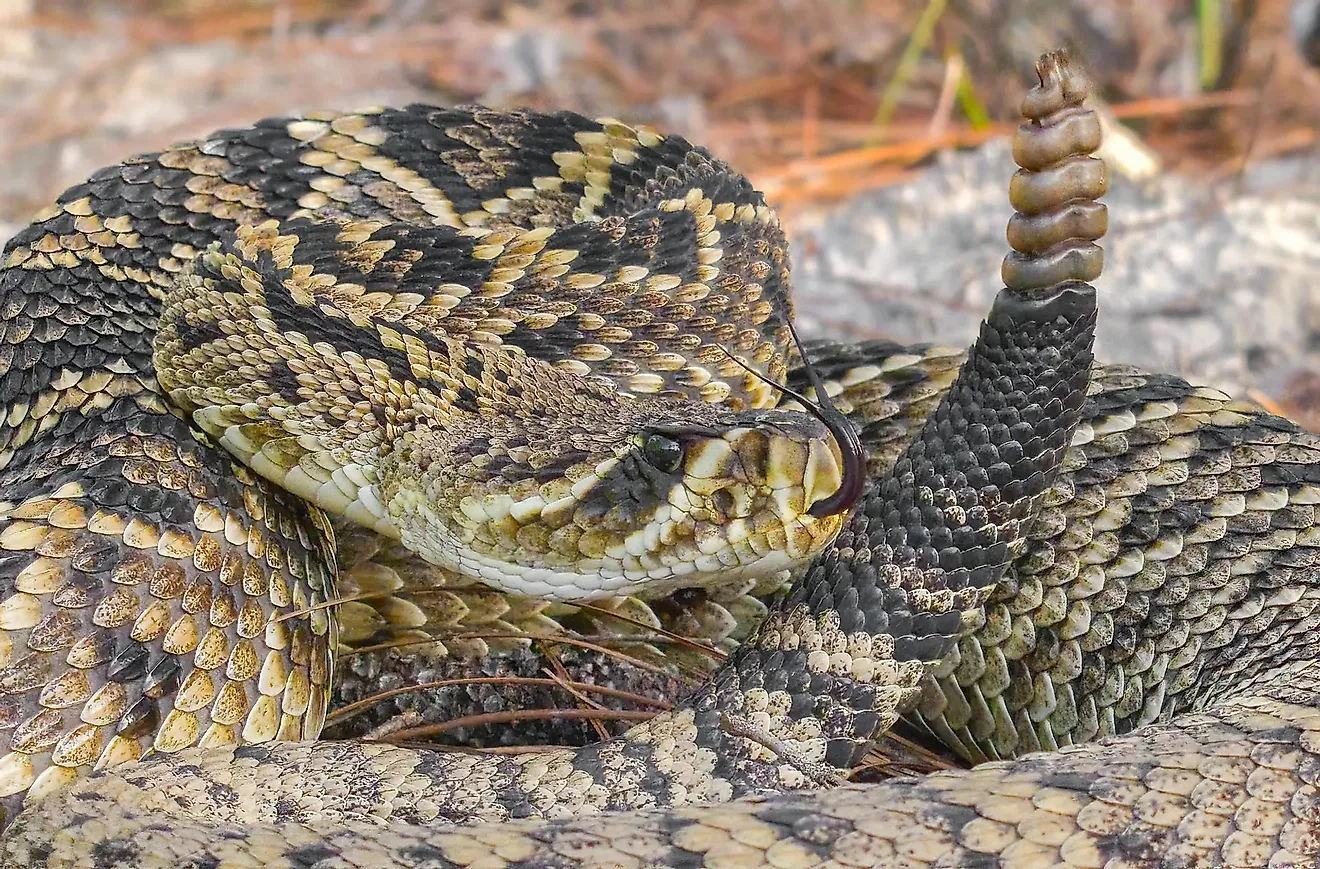
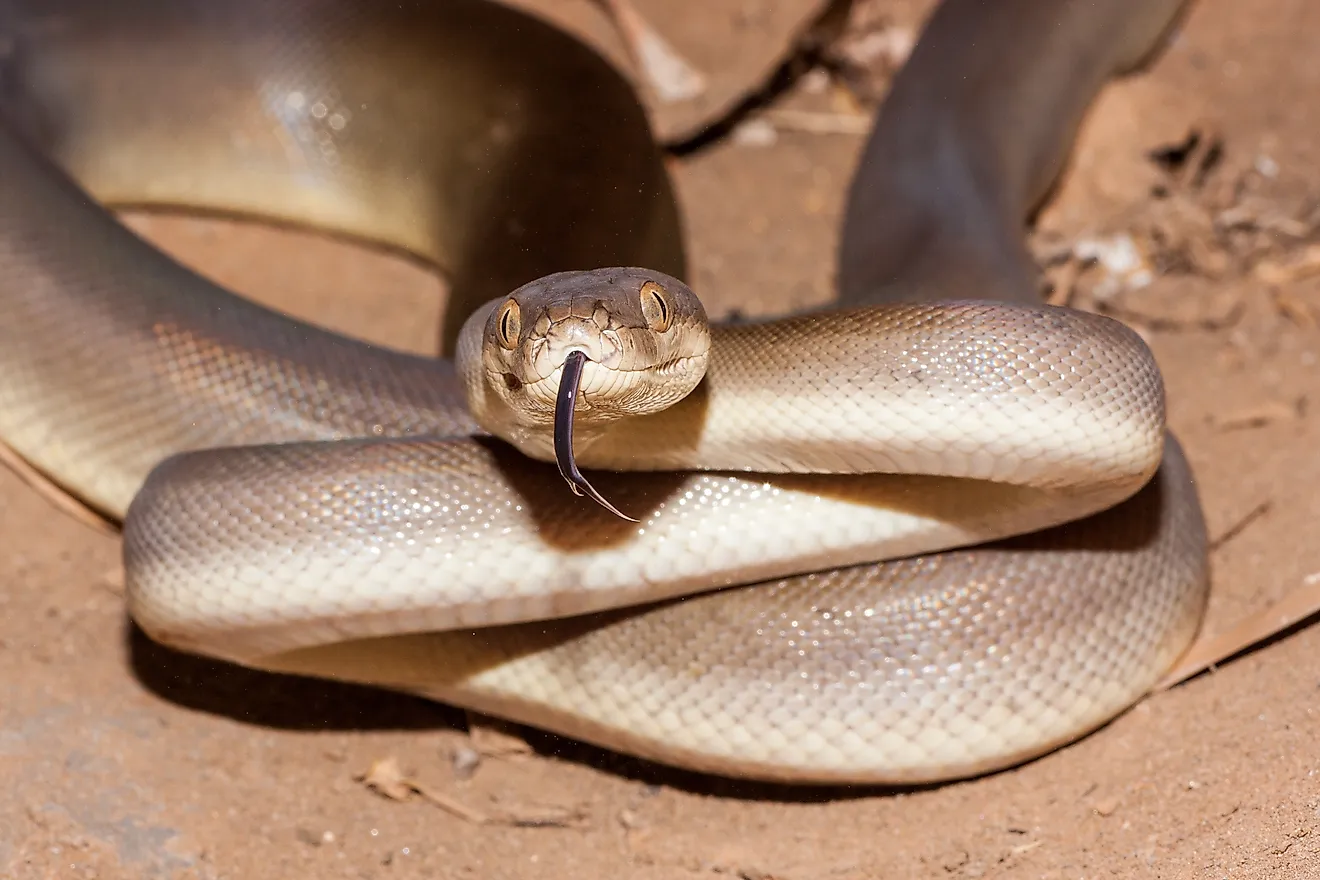
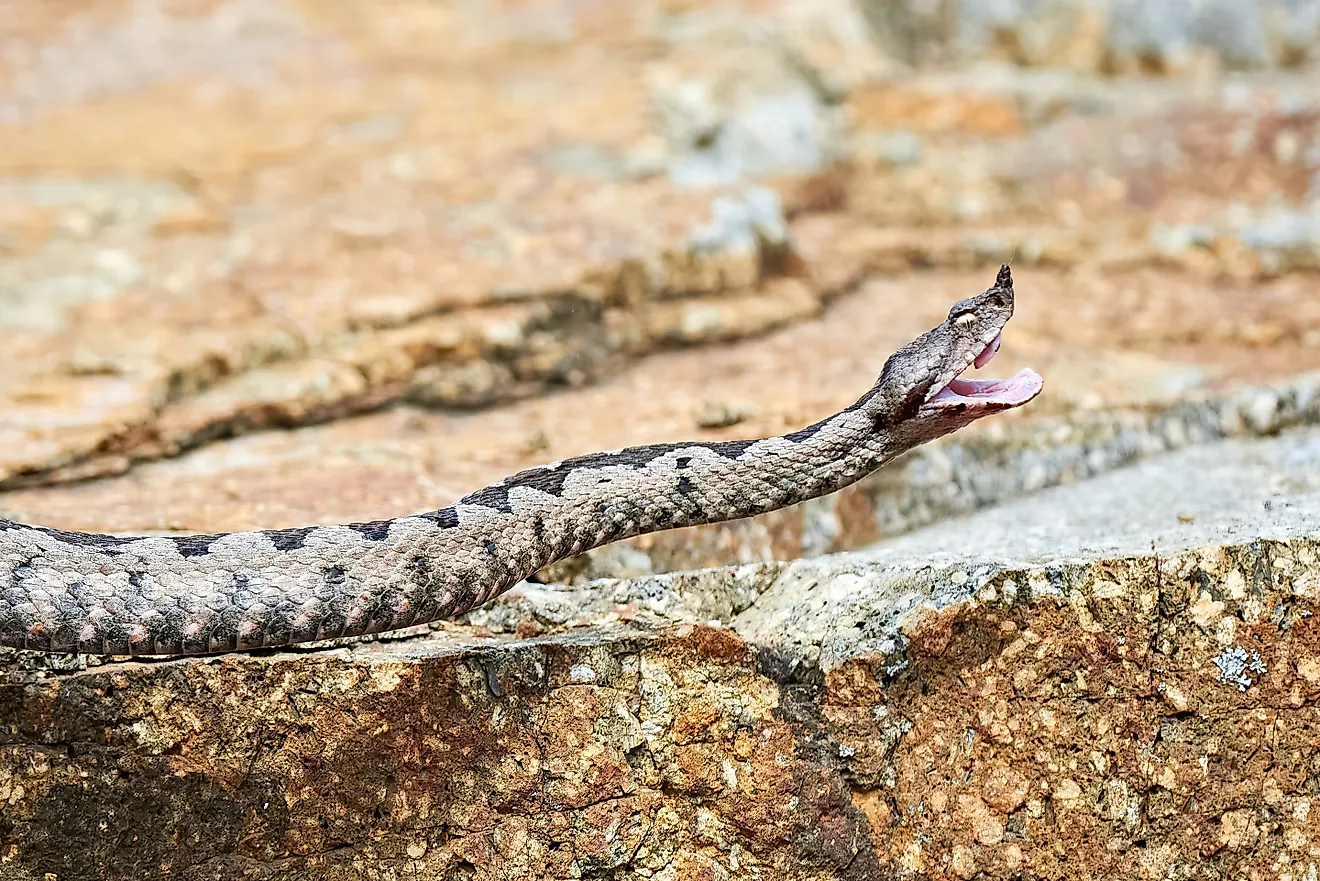
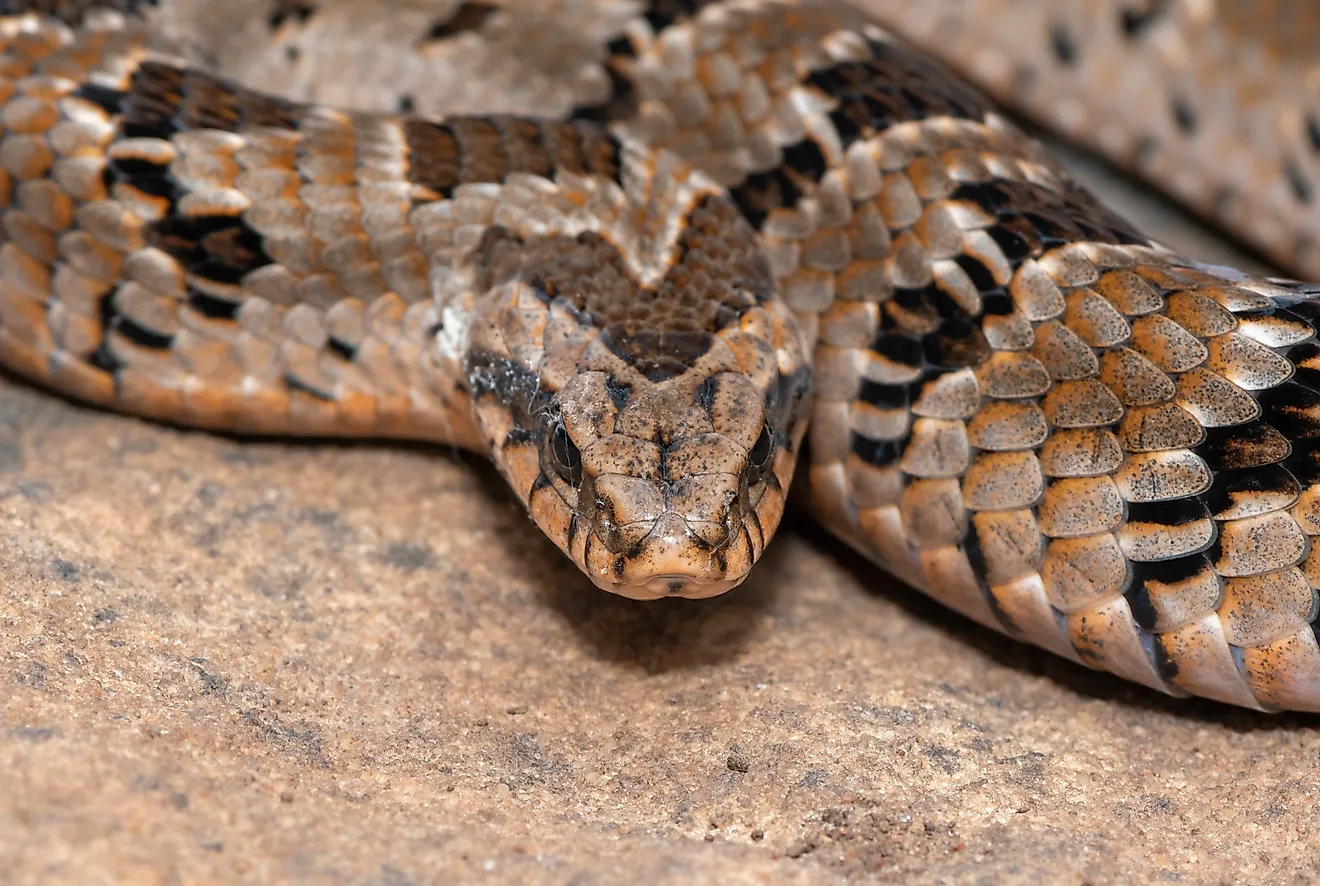
Every Ohio lake has two shorelines: the one you see, docks, lily pads, sun-warmed rocks, and the one wildlife uses. Snakes belong to that second shoreline, especially where shallow water, fallen logs, and busy fish populations make hunting easy. In many places, “snake infested” doesn’t mean danger; it means the ecosystem is working. Lake Erie supports multiple non-venomous water snakes, including the rare Lake Erie watersnake. Reservoirs like Pymatuning and Indian Lake often host thick populations of common watersnakes, usually harmless, sometimes defensive. Mosquito Creek adds a serious footnote: the eastern massasauga, a venomous rattlesnake seen occasionally.
Lake Erie

Part of the Great Lakes in North America, Lake Erie is a massive body of water full of opportunity. Its total surface area is 9,910 square miles (25,700 sq km.), making it the fourth largest of the five Great Lakes. Ohio boasts approximately 312 miles of shoreline with the lake, which is a blast for locals and tourists. This area is home to cities like Cleveland and Sandusky, where one can enjoy fishing, swimming, boating, and plenty of lakeside activities.
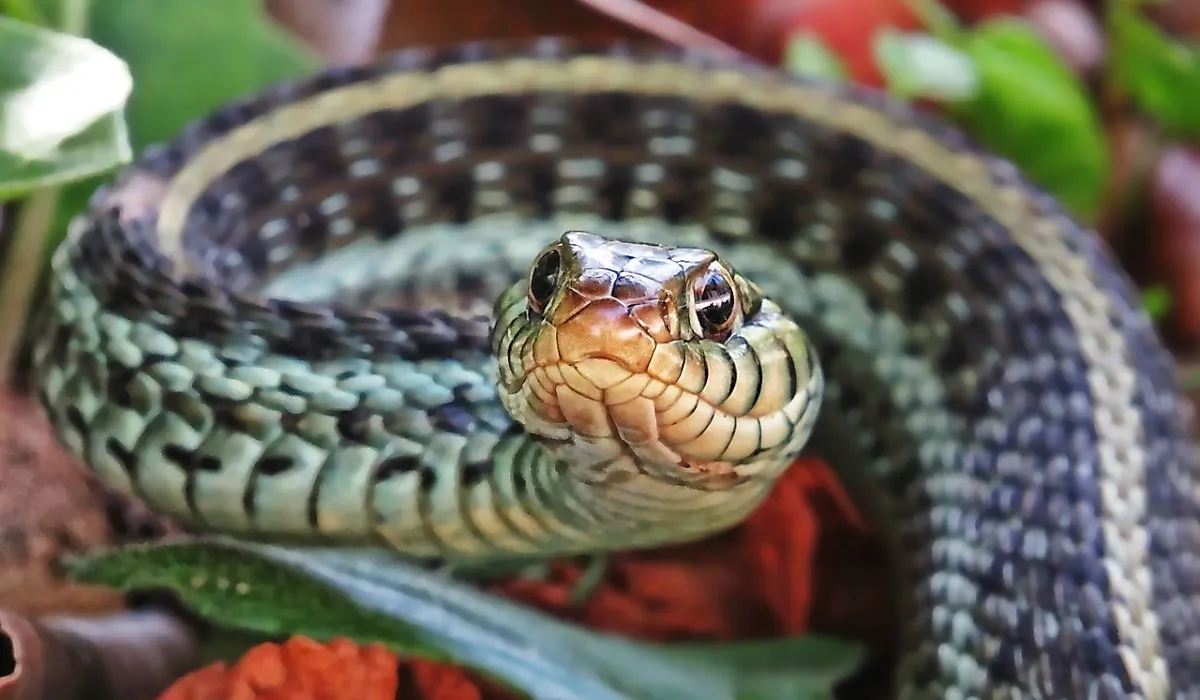
Along with the fun, Lake Erie is also a hub of wildlife, and snakes are a common sight. Four species of water snakes live in the lake, including the eastern garter snake and the common watersnake. However, the most popular of the bunch is the Lake Erie watersnake, a species named after the lake as it is primarily found on its offshore island. This snake can reach lengths of up to 28 inches (71 cm) and boasts a dark grey appearance. Thankfully, the Lake Erie watersnake and other Lake Erie species are non-venomous, so visitors can roam without too much worry.
Pymatuning Reservoir

The Pymatuning Reservoir is a man-made lake located in both Pennsylvania and Ohio. The land was once a large swamp until a dam on the Shenango River was constructed, creating this reservoir. Today, it is one of the largest bodies of water in Ohio, with a surface area of approximately 17,088 acres. In addition to the lake, the area also boasts two state parks, both named “Pymatuning State Park” in Pennsylvania and Ohio. The Ohio side park is a hotspot for tourists thanks to its diversity of wilderness and wildlife.
Among the thousands of geese, ducks, foxes, and bears that call the lake and its shoreline home, snakes are not far behind. The most common species in the region is the common watersnake. This large and non-venomous snake is found in many regions across North America. The good part for humans is that it is not harmful and will often try to flee from interactions. Further inland into the Pymatuning State Park, the common garter snake and gray rat snake are also occasional sightings.
Indian Lake

A 4-hour drive southwest of the Pymatuning Reservoir is Indian Lake, another lovely reservoir frequented by tourists. This lake spans over 5,000 acres and, like the previous entry, has tons of life along its shoreline. This is because the towns of Avondale, Lakeview, Russells Point, and Orchard Island all surround this quaint lake. Moreover, the northwestern side is home to the 800-acre Indian Lake State Park, which promotes outdoor activities along the water. That said, before going in or around this seemingly safe lake, it is essential to learn about the snakes in it.
As with many lakes in Ohio, the common watersnake is the most common species. These snakes are regularly spotted in shallow waters wrapped around logs, leaves, and rocks near the shoreline. While they are not venomous, it is important to give them a wide berth, as an adult’s bite can be very painful.
Grand Lake St. Mary

Grand Lake St. Mary, as its name suggests, is a stunning lake that covers over 13,000 acres and offers an array of activities throughout the year at the Grand Lake St. Marys State Park. Visitors can enjoy fishing, boating, swimming, hunting, and much more. While the lake is generally safe, with only the common watersnake present, it's worth noting that these snakes are quite common and might startle some visitors. Parents should keep an eye on children and ensure they stay close, especially near the water. Luckily, the park provides plenty of picnic areas, camping spots, and biking trails for those who prefer to avoid the water and enjoy other outdoor adventures.
Mosquito Creek Lake

Getting its name from its primary inflow and outflow, Mosquito Creek, the Mosquito Creek Lake is a scenic body of water in northeast Ohio. It was formed in the 1940s by the construction of a dam and today spans nearly 8,000 acres. Moreover, the lakeshore is home to Mosquito Lake State Park, which is a popular destination for outdoor enthusiasts, offering camping, boating, swimming, and more. One popular activity here is fishing, as the lake is home to an abundance of bluegill, channel catfish, northern pike, and walleye.
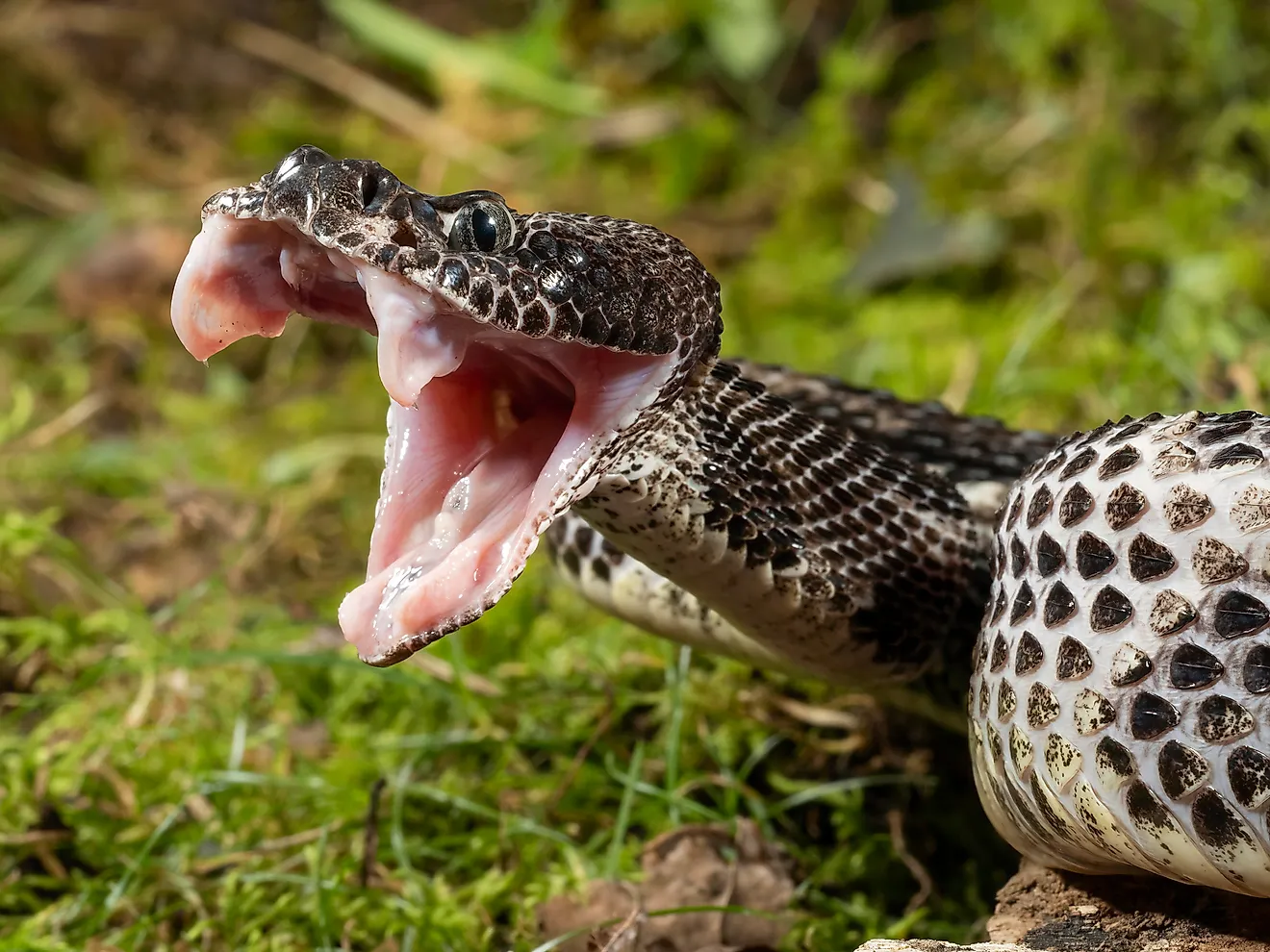
When engaging in fishing activities, anglers are advised to remain cognizant of the various snake species residing in this lake and park. In addition to the benign watersnake, the eastern Massasauga rattlesnake is occasionally observed in the area. This rattlesnake species typically does not exceed 30 inches (75 cm) in length and features a distinctive coloration of grey with conspicuous black spots along its dorsal surface. It is also noteworthy as one of the few venomous snakes native to the region. Its venom is cytotoxic, capable of destroying tissue through specialized digestive enzymes. While the snake generally seeks to avoid confrontation, individuals should be vigilant and aware of the grey and black patterning when present in Mosquito Creek Lake.
Stay Informed and Safe While Enjoying Ohio's Lakes
Whether it is the expansive Lake Erie and its magnificence or the charming Indian Lake recognized for its tranquil atmosphere, these lakes are favored by outdoor enthusiasts. Additionally, each hosts numerous serpents, including the common watersnake and the elusive eastern Massasauga rattlesnake. While some are benign creatures providing a distinctive experience, others pose risks due to their toxic venom. Therefore, it is crucial for visitors and residents to identify which species are non-venomous and to understand proper interaction protocols with wildlife in their natural habitats.