What Were Houses Like In Ancient Rome?
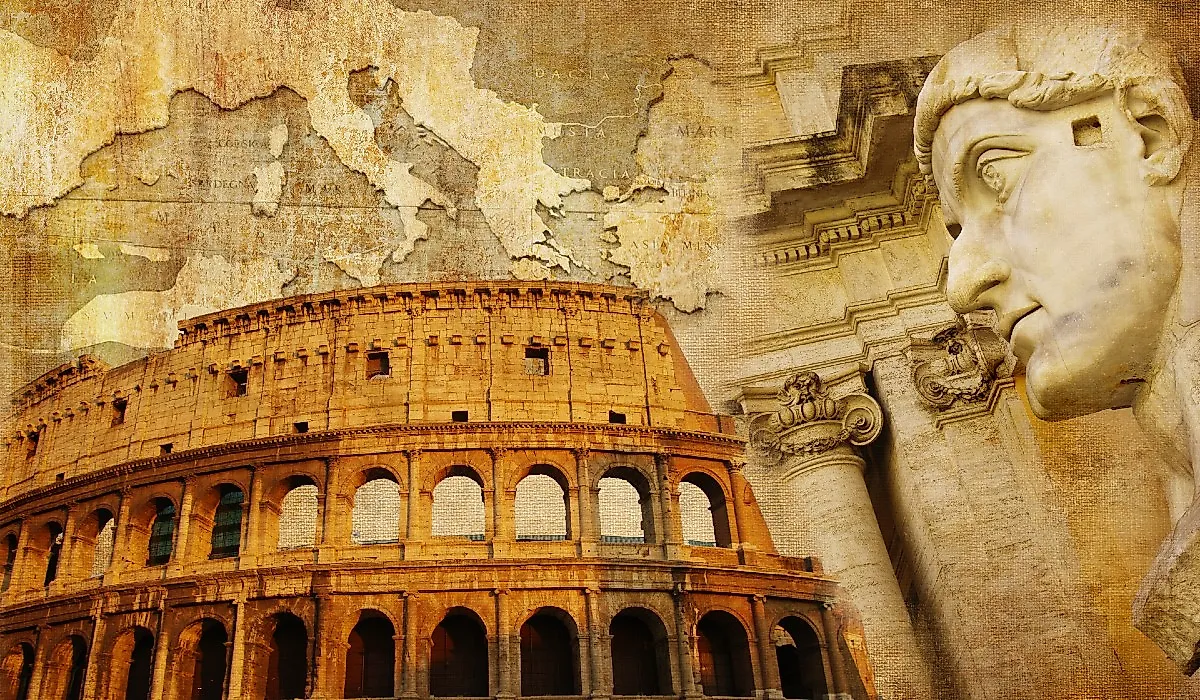
The Roman Empire was among the most influential civilizations in history, encompassing an area of two million square miles. Its contributions spanned various domains including politics, combat sports, and language, significantly transforming global culture. A particularly renowned aspect of Roman legacy is their architectural ingenuity. The innovative use of arches, domes, and columns in landmark structures profoundly impacted architectural development. Notable edifices such as the Colosseum and the Pantheon exemplify this grandeur; however, these were public venues and not residential dwellings. The residential structures of ancient Rome, though less frequently discussed, merit examination. This discourse aims to explore the nature of housing in this illustrious society.
Building Materials and Techniques

Before delving into what houses looked like in ancient Rome, we must understand how the Romans built them. Different materials produced different houses in Rome. Poorer individuals used materials such as timber, mud brick, and concrete to build their homes. These houses were not as strong as those made from stone and sometimes collapsed. They were also prone to fire because of the timber.
Wealthier individuals used a variety of materials to build their homes. In early ancient Rome, stone and unburned brick were extensively used. The Romans used white marble stucco to cover the buildings' outside. Over the course of the reign of the Roman Empire, building techniques changed. Some of the first homes used only mud and straw. Early stone homes used irregularly shaped stones. After stone-cutting techniques improved, buildings started to look more uniform.
Eventually, the ancient Romans started using other building techniques that revolutionized their house building. For example, mixing volcanic ash with lime and using fired bricks. Later, using concrete became integral to making a more solid wall.
Evolution of Housing

Housing in the ancient empire varied over time, adapting to changing socio-economic needs and cultural influences. During early Rome, from the 8th to the 5th century BCE, people lived in basic mud and straw huts. As Rome expanded and gained influence, the Romans were inspired by other cultures they encountered.
During the late Republic and early Empire, Rome's power grew. With the growth of Rome's influence came bigger, extravagant housing that felt luxurious. Inspired by Hellenistic cultures such as the Greeks, the Romans built lavish suburban villas. The villas were homes for the wealthy and had multiple rooms, private baths, and ornate décor.
At the same time, another trend in Rome was happening: the building of apartment buildings, known at the time as Insulae. This took place from the 2nd century to the 3rd century CE and was an important step in urban development. Typically, people in poverty lived in these apartments. Later, from the 3rd century to the 5th century CE, the ancient Romans returned to simpler housing.
Importance of Social Status
Similar to today, housing was a symbol of status in ancient Rome. Houses looked different depending on an individual's economic and political power. Wealthy individuals could afford homes with more space and often owned multiple residences. Typically, noblemen lived in a building called a Domus or a countryside villa. While poorer individuals were usually crammed into flats with one or two rooms. Usually, the poor lived in Insulae or farmhouses.
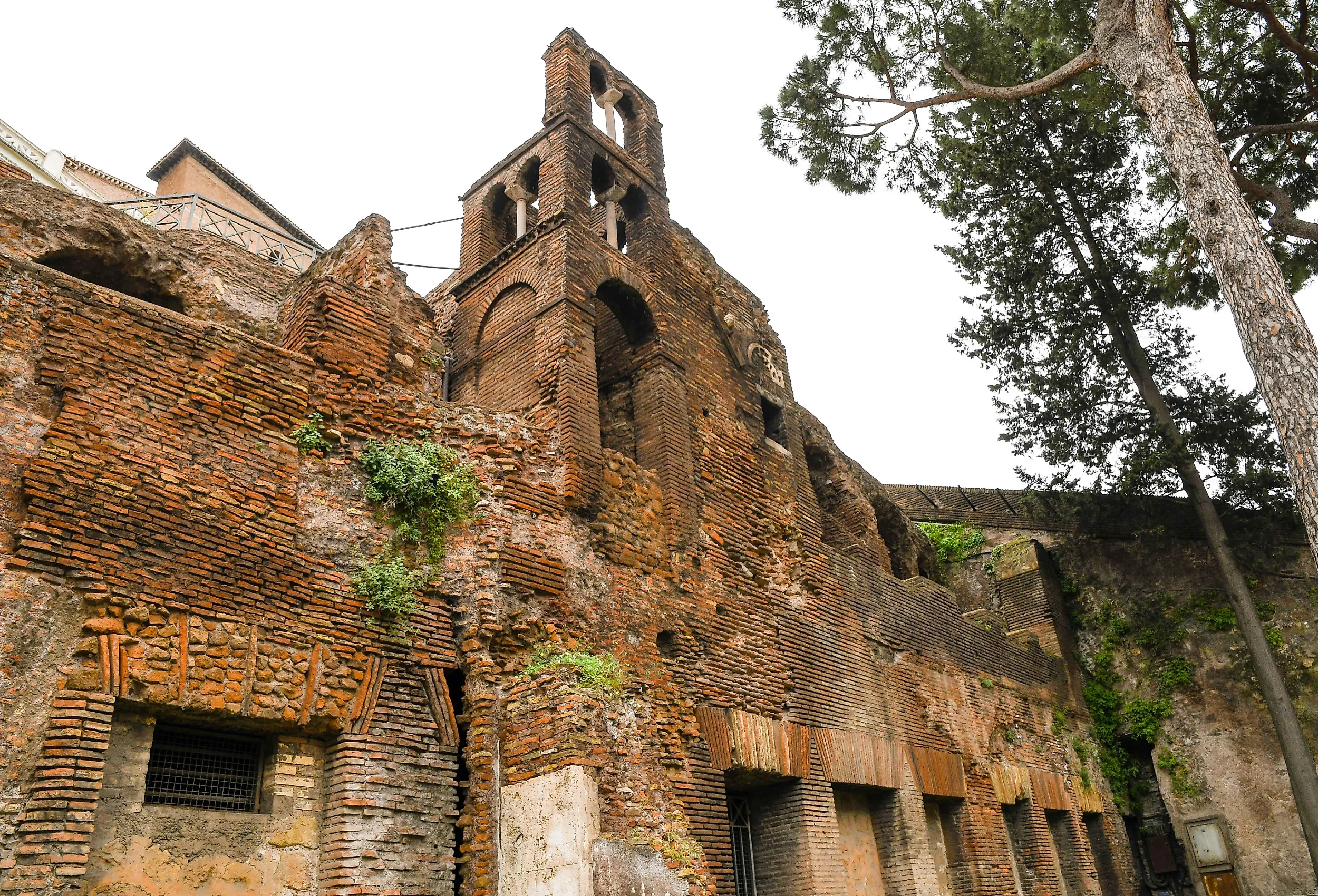
Insulae

Most people in ancient Rome lived in insulae, which were multi-story apartment buildings and tenements. The term 'insulae' comes from Latin, meaning 'islands.' These buildings could reach up to nine stories, but because taller structures were unstable and dangerous, Emperor Augustus imposed height restrictions. The insulae's conditions were often hazardous due to the risk of collapse, flooding, fire, and disease, as they were frequently unsanitary. The lowest floors were usually the most desirable, offering larger rooms, windows, balconies, and running water—luxuries not common on the upper levels. Upper floors typically housed entire families in a single small room, often lacking natural light, water, or proper sanitation.
Domus
Privacy was a status of wealth in ancient Rome. Having your own private home in ancient Rome was a right usually kept for noblemen and the Emperor. A Domus building was a private dwelling with one floor. Sometimes, these homes had grand architectural features such as pillars, statues, mosaics, and wall paintings. The homes also had large courtyards and sometimes a small pool to gather rainwater. Usually, Domus buildings had two main sections: the Antica at the front and the postica at the back. The antica was a space for socializing, whereas the postica was a private space. Some of the wealthiest ancient Romans housed personal slaves in the postica. The slaves would keep the house clean and cook.
Country Villas

If noblemen lived outside the city, they often lived in a villa. These were larger than the Domus buildings because they occupied more land. The wealthiest people often had both a Domus and a villa. This is similar to the modern-day upper class, who usually have a cottage as well as a house in the city. Country villas in ancient times were often extravagant, with beautiful surrounding spaces for entertaining and sometimes private pools.
The Farmhouses

If you were poor and living in the countryside during the Roman Empire, you usually lived in a farmhouse. Farmhouses were small, cramped structures usually made out of stone. Farmhands, animal workers, and agricultural laborers lived in these farmhouses or in a nearby village. Unfortunately, not everyone had a farmhouse. Some people lived in the same place they worked. This could mean living the year in a dirty factory or industrial complex where workers were often exploited by the rich.
After exploring ancient Roman housing, you may have noticed some similarities and differences compared to modern homes. Although we no longer use materials like mud and straw, today we have apartment buildings and private houses. Similar to the ancient Romans, people with lower incomes often live in less desirable and sometimes unsafe conditions. It's also common for the upper class to own both a cottage and a private residence. Even though building styles have evolved since Roman times, the social significance of a structure remains consistent. Studying Roman architecture helps us better understand our current buildings and their meaning in our lives.