The 4 Hemispheres Of The World
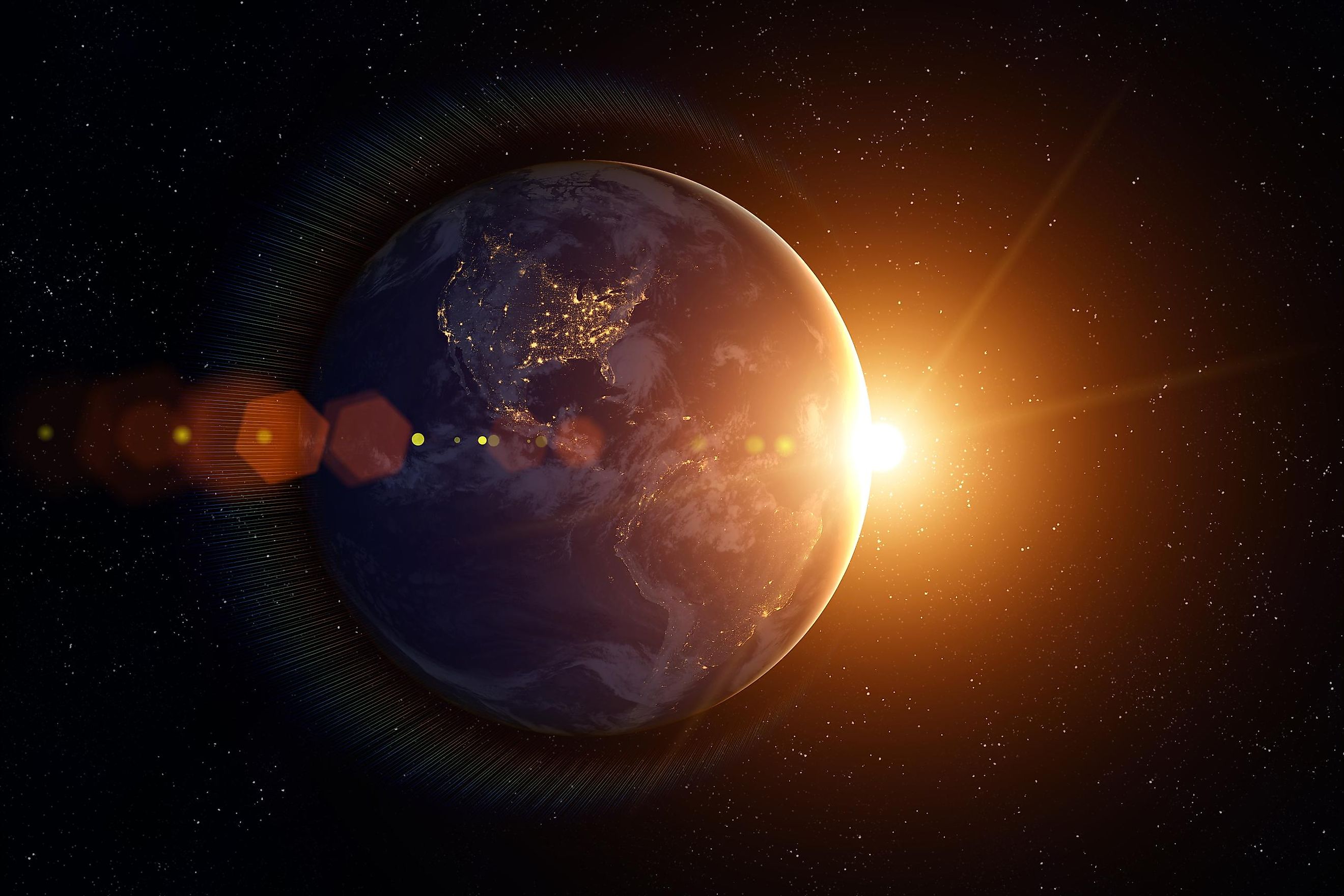
The term "Hemisphere" was derived from the Greek word Hemisphairion which refers to one-half of a spherical body. A hemisphere can be defined as any circle that has been drawn around the Earth and divides the Earth into two similar halves. Four different hemispheres are generally considered by geographers. These are the Northern, Southern, Eastern, and Western hemispheres.
The 4 Hemispheres Of The World
How are Hemispheres Located
The Equator is the 0° latitude line at the Earth’s center, which divides the Earth into the Northern and Southern hemispheres. The Prime Meridian or the 0° longitude line and the antemeridian and the 180° longitude line divide the Earth into the Eastern and Western hemispheres.

Therefore, the areas that are located to the north of the Equator are considered as a part of the Northern Hemisphere, while those areas that are in the south of the Equator are considered as a part of the Southern Hemisphere.
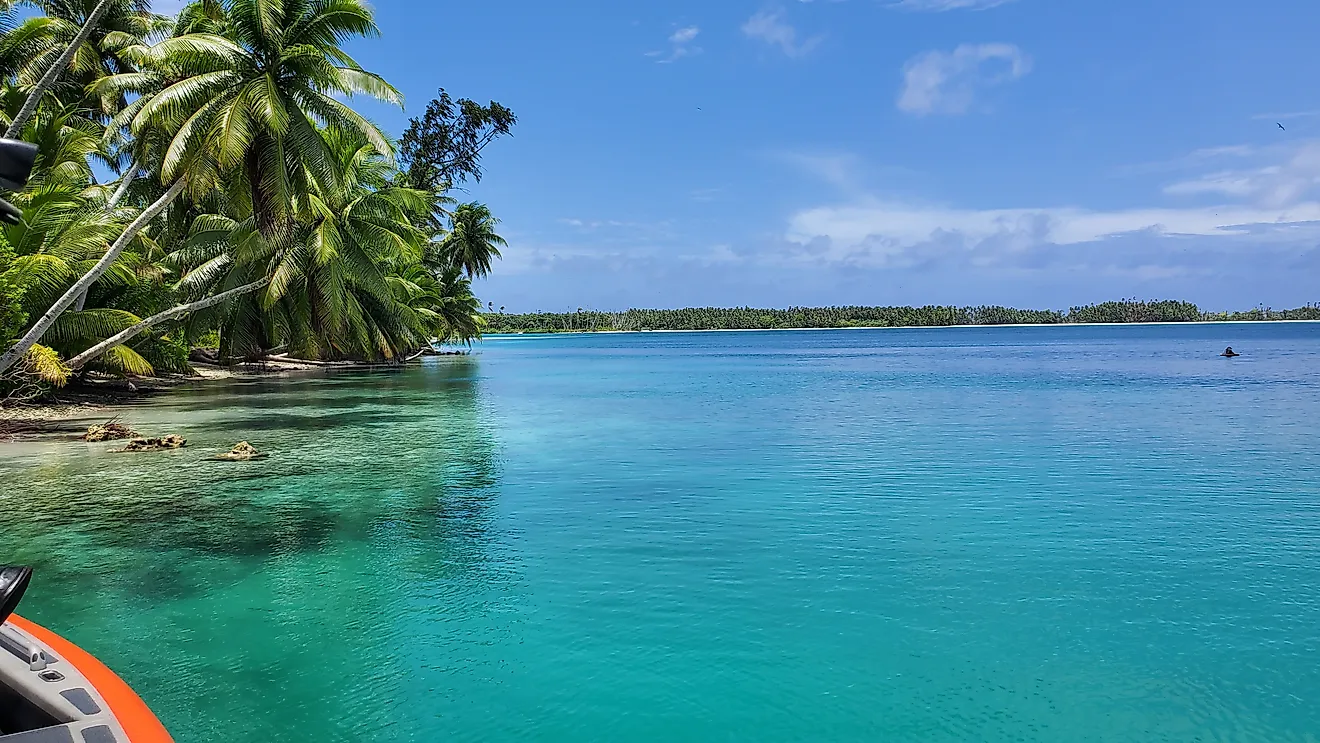
The only nation to be situated in all the four hemispheres is the island nation of Kiribati. It has been observed that a total of 12 countries are located in both the Northern and Southern Hemispheres of the Earth.
Northern Hemisphere
A major portion of the Earth’s landmass, about 67.3%, is situated in the Northern Hemisphere. This hemisphere includes the entire parts of North America, Central America, and Europe as well as the northern part of South America, about two-thirds of northern Africa, and major parts of mainland Asia.
The countries of Canada, Mexico, the United States, the Caribbean Islands, and the West Indies are a part of the continent of North America and are entirely placed in the Northern Hemisphere. The nations of Colombia, French Guiana, Guyana, Suriname, and Venezuela are located north of the Equator in the continent of South America. Brazil and Ecuador are the only two South American countries that are partially located in the Northern Hemisphere. About 32 African countries are wholly or partly located in the Northern hemisphere, along with about 54 Asian countries.
About 60.7% of the planet’s water is located in the Northern Hemisphere. The only ocean that is completely located in this hemisphere is the Arctic Ocean. The other oceans, namely the Pacific, Atlantic, and Indian Ocean have portions both in the Northern as well as in the Southern hemisphere.
Due to the tilt of the Earth’s axis, the Northern Hemisphere experiences the summer season from June to September and the winter season from December to March. It has been estimated that about 87% of the Earth’s population lives in the Northern Hemisphere.
Southern Hemisphere
About 32.7% of the Earth’s landmass is situated in the Southern Hemisphere. This hemisphere includes the entirety of Australia, New Zealand, and Antarctica as well as major parts of South America, about one-third of Africa, and some islands of mainland Asia. About 80.9% of the Earth’s Southern Hemisphere is covered with water. Major portions of the Pacific, Atlantic, and Indian oceans are located in the Southern hemisphere. In addition to this, the only ocean that is entirely located here is the Southern Ocean.
The Southern Hemisphere experiences a milder climate compared to the Northern Hemisphere and experiences the summer season from December to February and the winter season from June to August. It has been estimated that more than 800 million people reside in the Southern Hemisphere. Jakarta, Rio de Janeiro, Johannesburg, Sydney, and Melbourne are some of the largest metropolitan areas that are located in the Southern Hemisphere.
Eastern Hemisphere
The areas that are located in the east of the Prime Meridian and the west of the antemeridian are considered to be a part of the Eastern Hemisphere. Often referred to as the "Oriental Hemisphere" and occasionally in a cultural and geopolitical sense the "Old World," this hemisphere includes major parts of Europe, Africa, Asia, and Australia. A part of Antarctica is also located here. The Eastern Hemisphere encompasses a greater land area compared to that of the Western Hemisphere. It has been estimated that about 82% of the Earth’s population resides in the Eastern Hemisphere.

Western Hemisphere
The areas that are located in the west of the Prime Meridian and the east of the antemeridian are considered parts of the Western Hemisphere. This hemisphere includes the entire portions of North and South America and parts of Eurasia, Africa, Antarctica, and Oceania. The extreme eastern edge of the Russian mainland is also a part of the Western Hemisphere. Located in the Andes mountain range in Argentina is Mount Aconcagua, which rises to an elevation of 6,960.8 m and is the highest mountain in the Western Hemisphere.
There are some countries that are located in both the Eastern and Western hemispheres. They are the United Kingdom, United States, France, Spain, Burkina Faso, Algeria, Ghana, Mali, Togo, Fiji, Kiribati, and Russia.